
DIY projects have become an easy way to make everyday life more creative, practical, and personal. Whether you want to refresh your room, organize your workspace, create handmade décor, or reuse items you already have at home, DIY gives you plenty of options without requiring a large budget.
In 2026, DIY is not limited to traditional crafts. People are exploring home improvement projects, upcycling ideas, personalized gifts, digital designs, garden projects, storage solutions, and simple repairs. With online tutorials and easy-to-use digital tools, even beginners can start with small projects and gradually take on more advanced ones.
What Are DIY Guides?

DIY, or “Do It Yourself,” means creating, repairing, decorating, or improving something yourself instead of purchasing a ready-made product or hiring someone for every task.
A DIY guide provides clear instructions that explain how to complete a project. Good guides usually include the materials required, preparation steps, instructions, useful tips, and safety considerations.
| DIY Type | Common Projects | Skill Level |
|---|---|---|
| Home Décor | Wall art, photo frames, organizers | Beginner |
| Furniture | Shelves, tables, storage units | Beginner–Intermediate |
| Crafts | Paper crafts, handmade decorations | Beginner |
| Upcycling | Reusing jars, boxes, clothes | Beginner |
| Gardening | Planters, garden décor, herb setups | Beginner |
| Technology | Cable organizers, desk setups | Intermediate |
| Personalization | Gifts, cards, customized décor | Beginner |
Why DIY Projects Are Popular in 2026
One major reason people choose DIY is flexibility. Instead of searching for something that perfectly matches their needs, they can create a customized version themselves.
DIY can also make use of materials that might otherwise be thrown away. Old containers, cardboard boxes, unused fabric, wooden pieces, and glass jars can often be transformed into useful items.
Another advantage is learning. A simple DIY project can introduce beginners to measuring, designing, painting, assembling, organizing, or basic repair skills.
Benefits of DIY Projects
- Helps personalize your home and workspace
- Can reduce spending on simple projects
- Encourages creativity and experimentation
- Makes better use of reusable materials
- Helps develop practical skills
- Provides ideas for personalized gifts
- Can turn unused items into useful products
Easy DIY Projects for Beginners
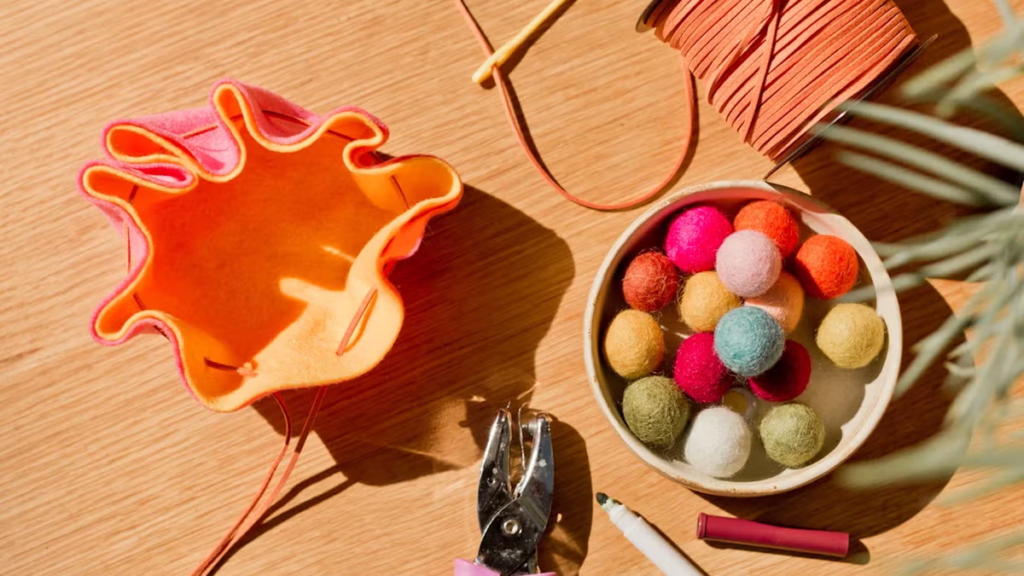
If you are new to DIY, start with projects that require inexpensive materials and simple techniques. Finishing a few small projects can make it easier to approach more complicated ideas later.
1. DIY Wall Art
You do not need expensive artwork to give a room a fresh look. Create simple wall art using canvas, paper, photographs, fabric, or recycled materials.
Choose a color combination that matches your room, create a simple design, and place it inside an inexpensive frame. You can also create a gallery wall by combining several smaller pieces.
2. DIY Desk Organizer
A clean workspace can be easier to maintain when everything has a designated place.
Old containers, cardboard boxes, small jars, and unused stationery holders can be transformed into desk organizers. Cover them with paper, paint them, or add labels for pens, cables, notes, and other accessories.
3. DIY Photo Display
Instead of keeping photographs hidden inside your phone, turn your favorite pictures into room décor.
Use string, clips, a wooden board, or a simple frame to create a photo display. You can arrange the pictures chronologically, by theme, or according to special occasions.
4. DIY Storage Boxes
Storage boxes are useful for bedrooms, study areas, kitchens, and closets. Rather than buying new organizers, sturdy cardboard boxes can be redesigned with wrapping paper, fabric, or adhesive sheets.
Add labels to make it easier to find stored items later.
5. DIY Plant Pots
Simple containers can become attractive plant pots with a little creativity. Clean an appropriate container, decorate its exterior, and make sure it is suitable for drainage before using it for plants.
Small DIY planters work particularly well on desks, balconies, shelves, and windowsills.
DIY Home Décor Ideas
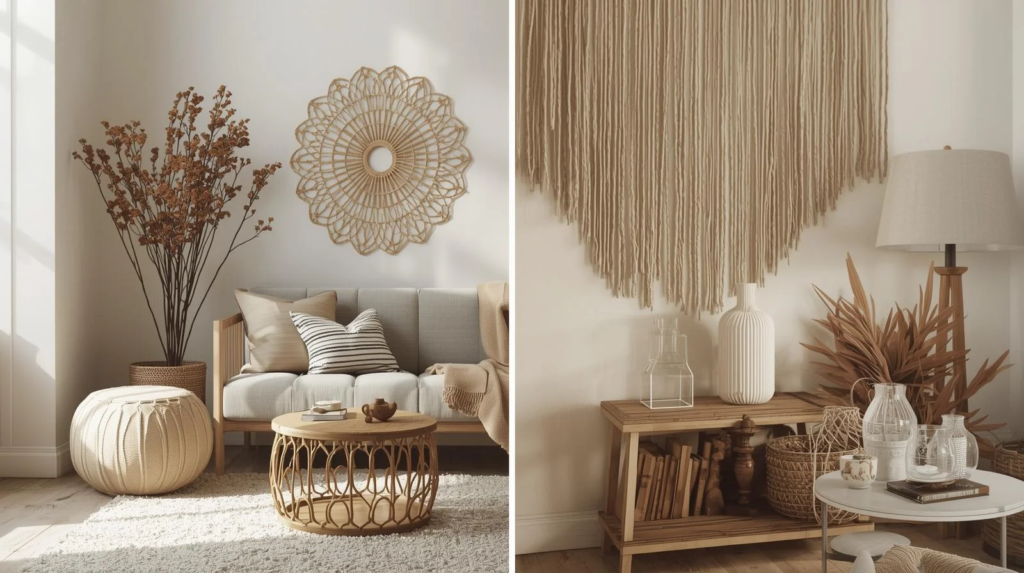
Home décor is one of the easiest DIY categories because even small changes can alter the appearance of a space.
Try creating:
- Decorative mirrors
- Handmade candle holders
- Minimalist wall frames
- Decorative trays
- Customized cushions
- Fabric wall hangings
- Recycled bottle decorations
- Handmade room signs
- Floating-style shelves
- Seasonal decorations
The key is to choose projects that fit the size and style of your space. A simple design often looks more polished than adding too many decorative elements.
DIY Upcycling Projects
Upcycling focuses on giving existing objects a new purpose. It can be particularly useful when you have unused household items that are still in good condition.
| Old Item | DIY Idea |
|---|---|
| Glass jars | Storage containers or planters |
| Cardboard boxes | Drawer organizers |
| Old T-shirts | Cleaning cloths or simple fabric projects |
| Wooden crates | Shelving or storage |
| Wine-free glass bottles | Decorative vases |
| Old frames | Notice boards or photo displays |
| Fabric scraps | Small accessories or décor |
Before starting an upcycling project, clean the material and check whether it is structurally safe to reuse.
DIY Projects for Small Spaces
Living in a small apartment or working from a compact room does not mean you have to skip DIY projects.
Focus on projects that improve organization without taking up additional floor space. Wall-mounted organizers, vertical shelves, under-desk storage, foldable furniture ideas, and multipurpose containers can be useful.
For example, a simple wall organizer can hold stationery, keys, notes, or small accessories while keeping the desk clear.
DIY Projects for Workspaces
A personalized workspace can make your desk feel more organized and comfortable.
Some simple projects include:
- Cable management box – Hide excess cables inside a decorated box with suitable openings.
- Pen holder – Reuse containers to organize writing tools.
- Desk calendar – Create a reusable monthly calendar.
- Monitor stand – Build a stable stand only when the materials and construction are strong enough to safely support the equipment.
- Wall planner – Create a weekly or monthly planning board.
- Accessory tray – Use a shallow box to keep small items together.
When working with electronics, avoid DIY modifications involving electrical wiring unless you have the appropriate knowledge and safety equipment.
DIY Gift Ideas

Handmade gifts can be more personal than generic presents because they can be customized for the recipient.
Popular ideas include:
- Personalized photo frames
- Handmade greeting cards
- Memory boxes
- Customized notebooks
- Decorative jars
- Handmade bookmarks
- Personalized wall art
- Gift baskets
- Customized organizers
A simple project becomes more meaningful when it includes the recipient’s favorite colors, photographs, interests, or memories.
DIY Projects on a Budget
You do not need a large collection of craft supplies to get started. Begin by checking what you already have at home.
Simple Budget Strategy
Step 1: Choose the project
Pick one specific item rather than buying materials for several projects at once.
Step 2: Check your existing supplies
Look for cardboard, paper, jars, fabric, old containers, frames, or other reusable materials.
Step 3: Make a materials list
Write down only the items you actually need to purchase.
Step 4: Compare alternatives
For some projects, an existing household item can replace a new craft material.
Step 5: Start small
A small finished project is better than an ambitious project that requires expensive supplies and complicated techniques.
How to Choose the Right DIY Guide
Not every DIY tutorial is suitable for every person. Before starting a project, consider the time, tools, budget, and skill level involved.
| Factor | What to Check |
|---|---|
| Skill level | Is the tutorial suitable for beginners? |
| Materials | Do you already have most of them? |
| Tools | Are special tools required? |
| Time | Can you complete the project comfortably? |
| Cost | Does it fit your budget? |
| Safety | Are there cutting, heating, electrical, or chemical risks? |
| Space | Do you have enough room to work? |
A good tutorial should explain the process clearly rather than simply showing the finished product.
Common DIY Mistakes to Avoid
DIY projects can be enjoyable, but rushing through the process can lead to unnecessary waste or poor results.
Avoid starting without measuring materials, skipping preparation, or buying supplies before understanding the complete project.
Another common mistake is choosing a project that is too advanced. If a project requires power tools, electrical work, structural modifications, or specialized materials, beginners should consider getting appropriate guidance rather than experimenting without preparation.
A Better DIY Workflow
Plan → Gather → Prepare → Build → Check → Finish
Planning helps prevent wasted materials. Preparation makes the actual construction easier, while a final check can help identify loose parts, uneven surfaces, or unfinished details.
DIY Tools That Can Make Projects Easier
Digital tools can also support DIY planning. Image editors can help create printable designs, online calculators can assist with measurements, and design platforms can help visualize color combinations or layouts before you begin.
For example, you can create a digital mockup of a wall-art arrangement before printing anything. This can save both time and materials.
DIY Safety Tips
Safety should always come before appearance or speed.
Wear appropriate protective equipment when required, keep sharp tools stored safely, and work in a properly ventilated area when using paints, adhesives, or other products that require ventilation.
For projects involving electricity, power tools, structural work, or potentially hazardous materials, follow the manufacturer’s instructions and use qualified assistance when the work is beyond your experience.
Keep children away from sharp tools, hot surfaces, chemicals, and other potentially dangerous materials.
How to Make DIY Projects Look More Professional
A few small details can significantly improve the finished result.
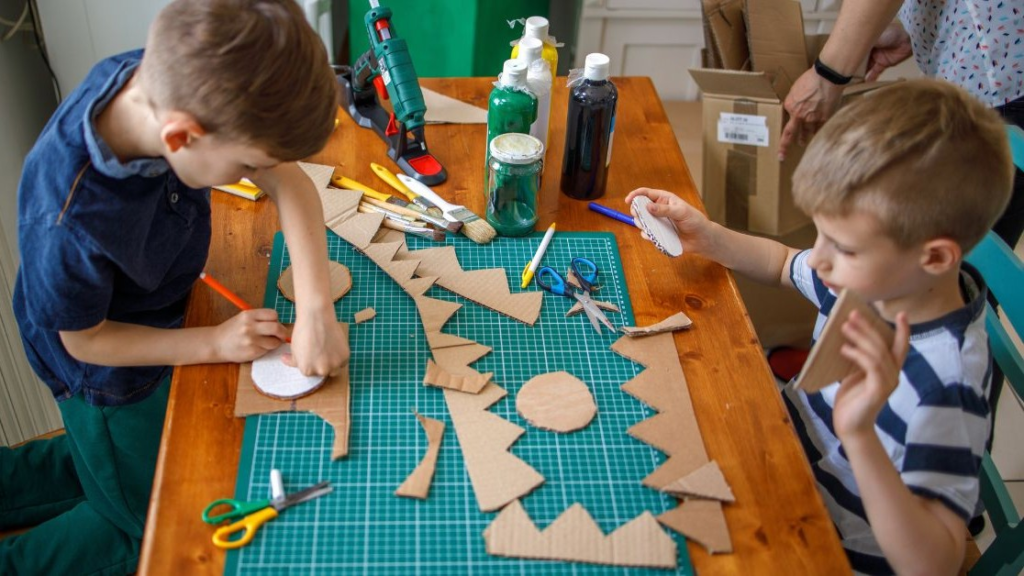
Measure twice before cutting, keep surfaces clean while working, allow paint or adhesive to dry completely, and avoid rushing the finishing stage.
Consistent colors, clean edges, accurate measurements, and proper organization can make even an inexpensive DIY project look polished.
Most importantly, focus on functionality first. A beautiful organizer that cannot hold the items it was designed for is not a successful DIY project.

The Best Vivo V80 5G Expected Price, Camera & Features
The Vivo V80 5G is one of the upcoming smartphones attracting attention in India’s premium…
Workflow Tools 2026: Smart Solutions for Better Workflows
Work can quickly become messy when you are managing multiple Tools tasks, deadlines, messages, files,…
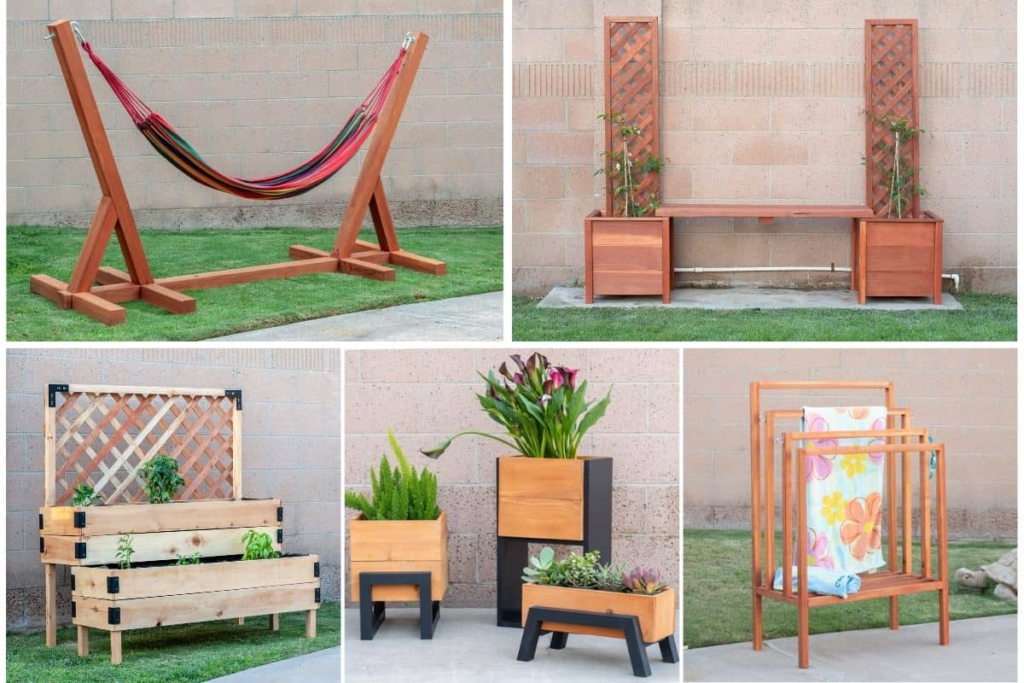
Best DIY Guides in 2026: Easy Projects, Tips & Step-by-Step Ideas
DIY projects have become an easy way to make everyday life more creative, practical, and…

Best Project Management Tools in 2026 for Better Productivity
Managing a project sounds simple until tasks start piling up, deadlines move closer, messages arrive…

AI & Automation 2026: Powerful Tools to Automate Your Work
Artificial intelligence and automation are changing the way people work, communicate, and manage everyday tasks….
The Best Creative Tools for Designers, Creators & Artists
Creative work has changed a lot. Creative Tools A designer can build a complete brand…