
In today’s fast-paced digital world, managing Workflow Tools multiple tasks, deadlines, and responsibilities can quickly become overwhelming. Whether you are a freelancer, student, content creator, business owner, or part of a professional team, staying organized is essential for achieving consistent results. This is where workflow tools become valuable.
Workflow tools are digital solutions designed to organize tasks, automate processes, manage projects, and improve collaboration. They help individuals and teams create structured systems for completing work efficiently. Instead of relying on scattered notes, endless emails, and manual updates, users can manage their activities through a centralized platform.
In 2026, workflow tools are becoming more intelligent with features such as AI-powered task suggestions, automated reminders, visual dashboards, integrations, and real-time collaboration. These capabilities help users reduce unnecessary effort and focus on important work.
From simple task management applications to advanced business process automation platforms, workflow tools support different needs. Choosing the right solution can make everyday work smoother, improve productivity, and create a more organized digital environment.
What Are Workflow Tools?
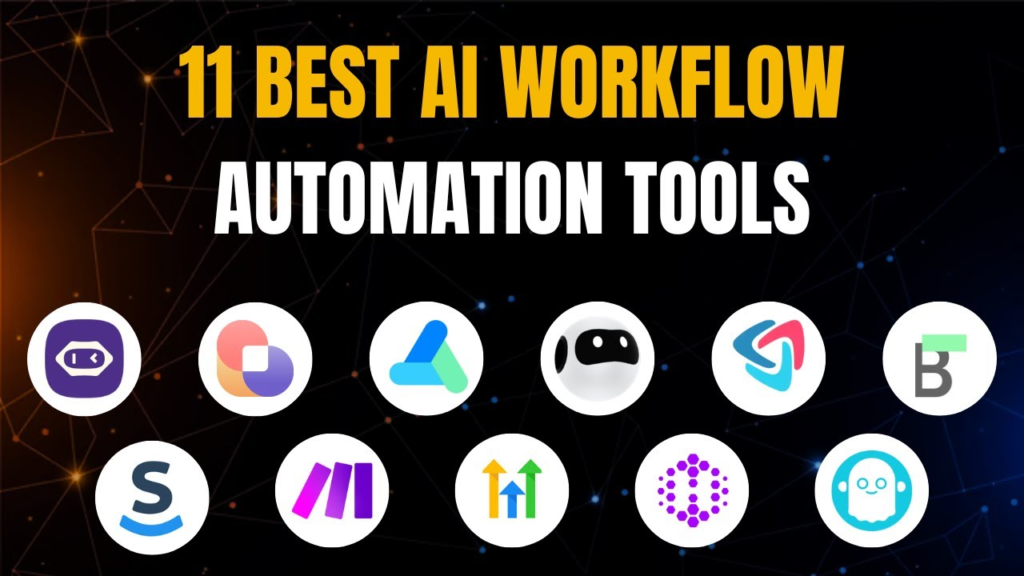
Workflow tools are applications or software platforms that help users define, organize, execute, and monitor a sequence of tasks. A workflow represents the steps required to complete a particular activity, such as publishing a blog, approving a document, onboarding an employee, or processing a customer request.
For example, a content publishing workflow may include topic research, content writing, editing, SEO optimization, approval, and publishing. A workflow tool can assign each stage to the appropriate person, set deadlines, track progress, and notify team members when a task is ready for the next step.
Key Features of Workflow Tools
- Task management: Create, assign, and prioritize tasks.
- Process automation: Reduce repetitive manual activities.
- Team collaboration: Share updates, files, and feedback.
- Progress tracking: Monitor deadlines and project status.
- Notifications: Receive reminders and important updates.
- Integration capabilities: Connect with other business applications.
- Reporting and analytics: Understand performance and identify bottlenecks.
- Custom workflows: Design processes based on specific requirements.
These features help create a structured approach to work, making it easier to manage responsibilities and maintain consistency.
Why Workflow Tools Are Important in 2026
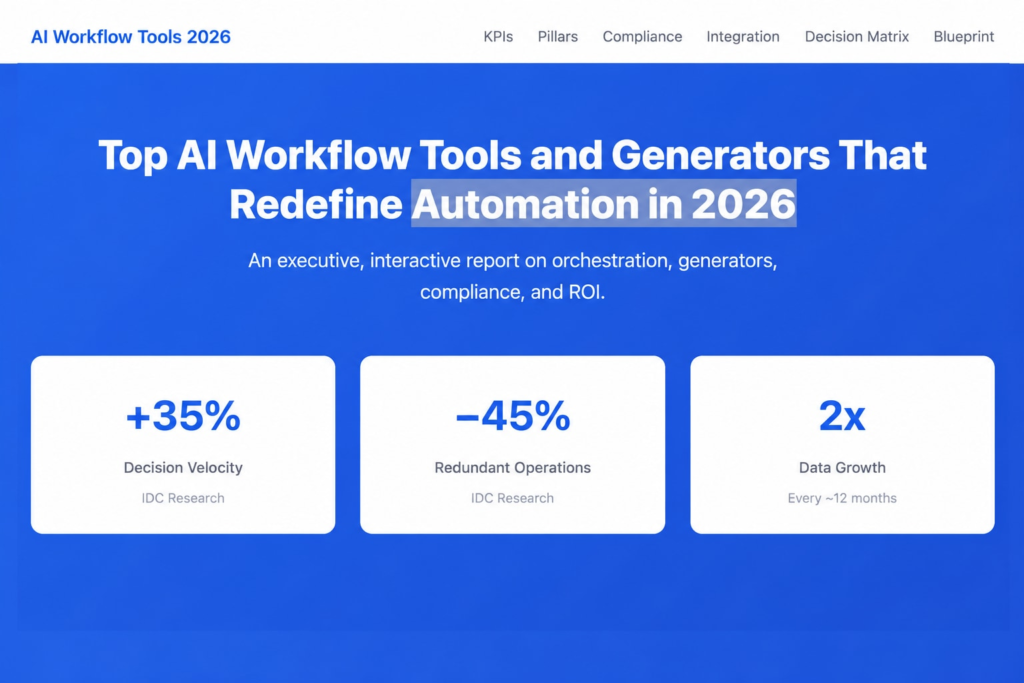
Modern work environments often involve multiple platforms, remote teams, and changing priorities. Without a clear system, important tasks can be delayed, communication may become fragmented, and productivity can decline.
Workflow tools provide a centralized structure that helps users understand what needs to be done, who is responsible, and when each activity should be completed.
Major Benefits of Workflow Tools
1. Improved Productivity
Workflow tools organize tasks and reduce the time spent searching for information or deciding what to do next. Clear task assignments and deadlines allow users to focus on execution.
2. Reduced Manual Work
Automation features can handle repetitive actions such as sending reminders, updating task statuses, routing approvals, and creating reports. This allows employees to spend more time on meaningful activities.
3. Better Team Collaboration
Teams can communicate within projects, share documents, and track changes. This reduces dependency on lengthy email conversations and improves coordination.
4. Increased Accountability
When tasks have clear owners and deadlines, everyone understands their responsibilities. Managers can track progress without constantly requesting updates.
5. Enhanced Accuracy
Standardized workflows help ensure that important steps are completed consistently. Automated processes can also reduce errors caused by manual data entry.
6. Better Time Management
Prioritization, scheduling, and deadline tracking help users manage their workload and avoid unnecessary delays.
Types of Workflow Tools
Different workflow tools serve different purposes. Understanding their categories helps users select the right platform for their needs.
| Workflow Tool Type | Primary Purpose | Best For |
|---|---|---|
| Task Management Tools | Organize daily tasks and deadlines | Individuals and small teams |
| Project Management Tools | Plan and monitor complex projects | Project teams |
| Automation Tools | Connect apps and automate repetitive actions | Businesses and professionals |
| Collaboration Tools | Share information and communicate | Remote and hybrid teams |
| Document Workflow Tools | Manage document creation and approvals | Administrative teams |
| CRM Workflow Tools | Automate customer-related processes | Sales and marketing teams |
| Business Process Management Tools | Design and optimize business operations | Large organizations |
| AI Workflow Tools | Assist with intelligent task execution | Teams seeking efficiency |
Each category offers unique features. Some tools focus on simple organization, while others provide advanced automation and process management.
Popular Workflow Tools to Explore
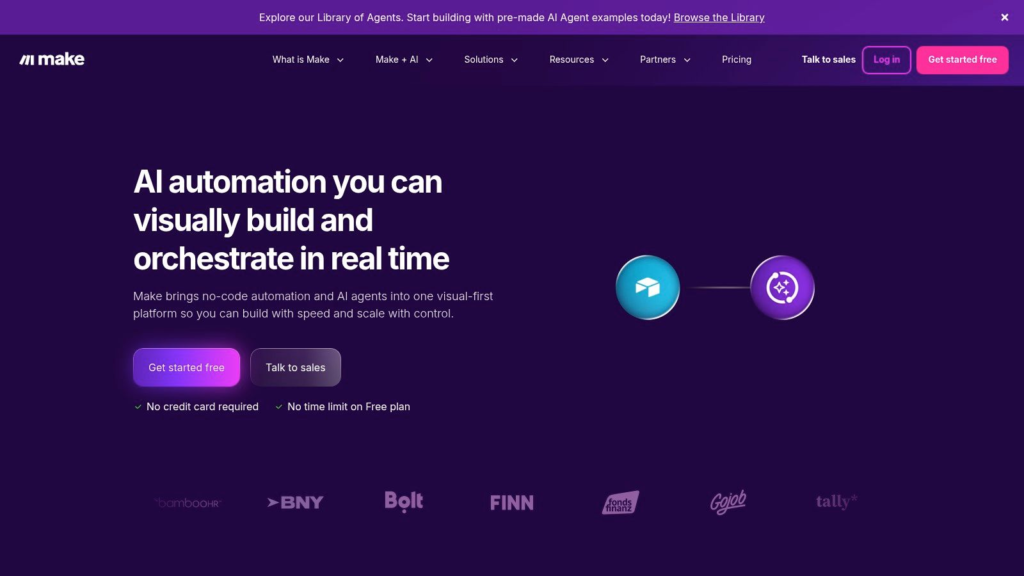
Several workflow platforms are widely used for organizing work, managing projects, and automating processes. Their capabilities vary, so users should compare features based on their specific requirements.
<AsyncImageGroup query={[“Trello project management kanban board interface”,”Asana workflow project management dashboard”,”Monday.com work management dashboard”,”Zapier automation workflow builder interface”]} layout=”carousel” aspectRatio=”1:1″ numPerQuery={1} />
Trello
<Entity value=”Trello” category=”software” disambig=”Kanban-style project and task management software”/> uses boards, lists, and cards to organize work visually. It is useful for content calendars, personal task tracking, and small projects.
Its simple interface makes it easier to understand task progress at a glance. Users can move cards between stages such as To Do, In Progress, and Completed.
Asana
<Entity value=”Asana” category=”software” disambig=”Work and project management platform”/> helps teams manage projects, assign tasks, set deadlines, and coordinate responsibilities. It offers different project views and supports structured team workflows.
Asana can be helpful for organizations managing multiple projects with interconnected tasks.
Monday.com
<Entity value=”Monday.com” category=”software” disambig=”Work management and workflow platform”/> provides customizable boards, dashboards, and automation features. Teams can configure workflows for marketing, operations, project management, and other business activities.
Its flexibility makes it useful for teams that need customized work management systems.
Zapier
<Entity value=”Zapier” category=”software” disambig=”No-code application integration and automation platform”/> connects supported applications and automates actions between them. For example, a new form submission can trigger a notification or create a task in another application.
It is particularly useful for reducing repetitive work across different digital platforms.
Notion
<Entity value=”Notion” category=”software” disambig=”Workspace for notes, databases, and project management”/> combines notes, databases, documentation, and task management in a flexible workspace. It can be used to build content calendars, team knowledge bases, and project trackers.
How Workflow Tools Improve Business Operations
Workflow tools can support multiple departments by creating clear processes and reducing operational friction.
Marketing and Content Creation

Marketing teams often handle content planning, social media scheduling, campaign management, SEO, and performance analysis. Workflow tools can organize these activities into a repeatable process.
For example, a blog publishing workflow may include:
- Topic research
- Content planning
- Blog writing
- Editing and proofreading
- SEO optimization
- Approval
- Publishing
- Performance monitoring
Each stage can have a task owner, deadline, and status. This structure helps teams maintain content quality and publishing consistency.
Sales and Customer Management
Sales teams can use workflows to track leads, manage follow-ups, organize customer information, and monitor deals.
Automated reminders can help sales representatives follow up at the right time. Customer requests can also be routed to the appropriate team based on predefined rules.
Human Resources
HR teams can streamline employee onboarding, recruitment, document collection, and leave requests.
A structured onboarding workflow ensures that new employees receive the necessary documents, training resources, and system access in a consistent manner.
Operations and Administration
Operations teams can use workflow tools for inventory updates, approval processes, service requests, and recurring administrative tasks.
Automating repetitive steps can help improve consistency and reduce delays.
Workflow Automation: Work Smarter, Not Harder

Workflow automation is one of the most useful capabilities of modern workflow platforms. It allows users to define rules that automatically perform actions when specific conditions are met.
For example, when a task is marked as completed, the tool may automatically notify the next team member. When a form is submitted, the system can create a record and assign it to the appropriate department.
Common Workflow Automation Examples
| Trigger | Automated Action | Benefit |
|---|---|---|
| New form submission | Create a task | Faster task assignment |
| Deadline approaching | Send reminder | Reduced missed deadlines |
| Task marked complete | Notify next person | Smooth handoffs |
| New customer inquiry | Assign sales representative | Faster response |
| Document submitted | Start approval process | Organized reviews |
| New project created | Add standard checklist | Consistent execution |
Important pointer: Automation should simplify work, not make processes unnecessarily complicated. Start with repetitive tasks that consume time and have clear rules.
How to Choose the Right Workflow Tool
Selecting a workflow tool requires understanding your goals, team size, and existing work processes. A tool with too many features may become difficult to manage, while a basic platform may not support advanced requirements.
Factors to Consider
Ease of Use: Choose a platform that team members can learn quickly. A simple interface encourages adoption.
Required Features: Identify whether you need task management, automation, collaboration, reporting, or document approvals.
Integration Support: Ensure the platform connects with applications you already use, such as email, calendars, storage systems, or CRM software.
Scalability: Select a tool that can support future growth in users, projects, and processes.
Pricing: Compare free plans, subscription costs, user limits, and premium features.
Security: Review access controls, data protection, and relevant security practices before storing sensitive business information.
Customization: Check whether you can create custom statuses, forms, templates, and workflow rules.
Best Practices for Using Workflow Tools
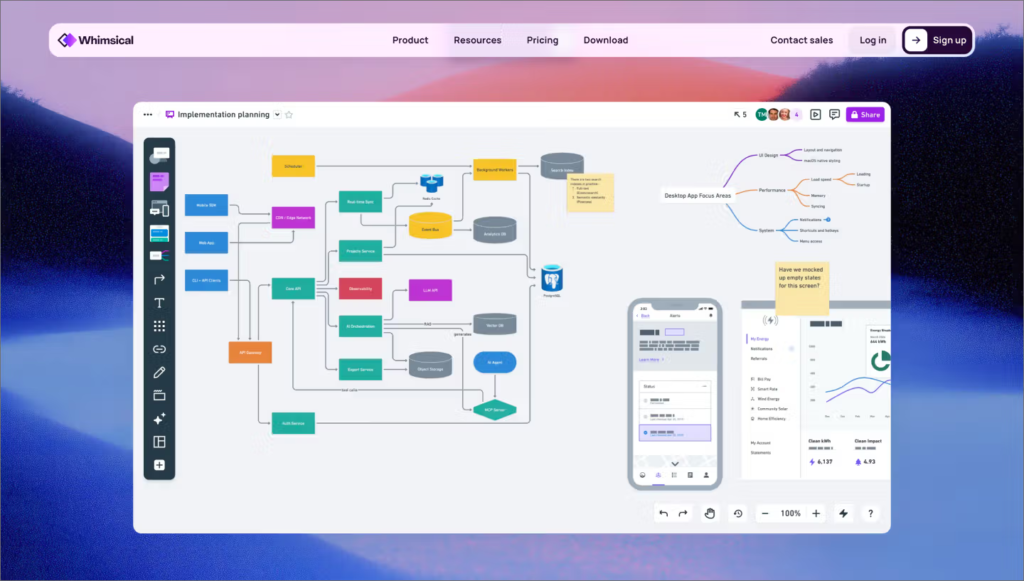
Using a workflow platform effectively requires more than simply creating tasks. A clear process and consistent team habits are equally important.
- Define the goal of each workflow before creating it.
- Break large projects into smaller, manageable tasks.
- Assign a clear owner to every important task.
- Set realistic deadlines and priorities.
- Use templates for recurring processes.
- Automate repetitive tasks where appropriate.
- Keep task descriptions clear and actionable.
- Review workflows regularly to identify delays.
- Avoid unnecessary notifications.
- Train team members to use the platform consistently.
A well-designed workflow should be easy to understand and maintain. If the process becomes confusing, simplify it.
Common Workflow Management Challenges
Although workflow tools offer many benefits, organizations may encounter challenges during implementation.
| Challenge | Possible Solution |
|---|---|
| Low team adoption | Provide training and choose an easy-to-use tool |
| Too many notifications | Adjust notification settings |
| Complex workflows | Simplify steps and remove unnecessary tasks |
| Unclear responsibilities | Assign task owners clearly |
| Poor integration | Review app compatibility before implementation |
| Inconsistent updates | Establish regular progress review habits |
| Excessive automation | Keep human review for important decisions |
The most successful workflow systems are built around real work requirements rather than unnecessary features.
The Future of Workflow Tools
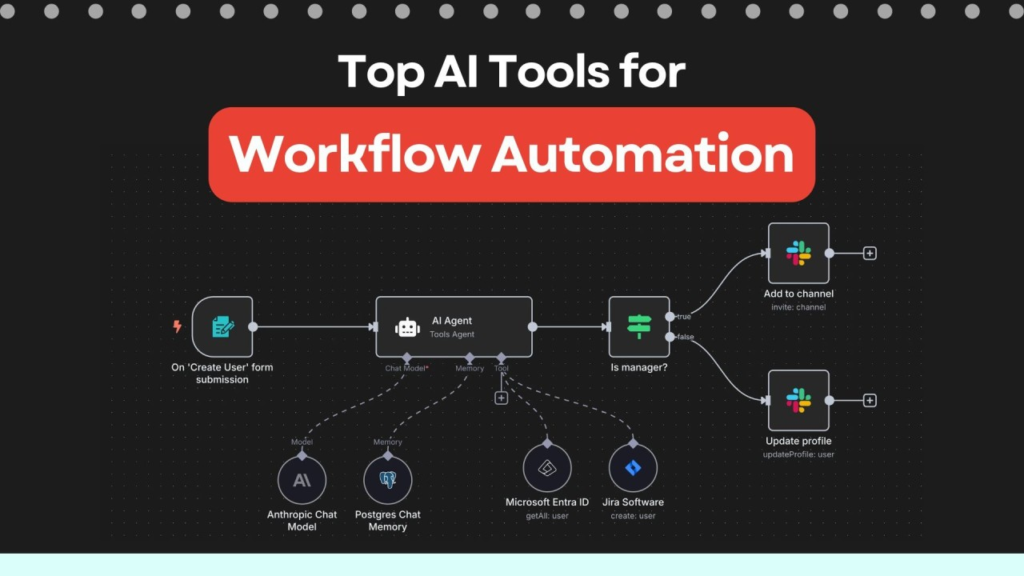
Workflow tools are evolving with artificial intelligence, intelligent automation, and connected digital workspaces. AI-powered features may help users summarize project updates, suggest priorities, identify delays, generate task descriptions, and support workflow design.
No-code and low-code platforms are also making it easier for non-technical users to create automated processes. Instead of relying entirely on developers, teams can configure workflows using visual builders and predefined actions.
In the future, workflow tools are likely to become more adaptive, helping users coordinate tasks across multiple applications while maintaining visibility and control.
However, human judgment will remain important. Teams should review automated actions, protect sensitive information, and ensure that technology supports their goals.
Workflow tools are essential for improving productivity, organizing tasks, and simplifying modern work. They help individuals and teams manage projects, automate repetitive processes, collaborate effectively, and track progress from start to finish.
Whether you need a simple task board, a project management platform, or an advanced automation solution, the right workflow tool can create a more structured and efficient working environment.
Start by identifying your most time-consuming processes, choose a tool that meets your requirements, and gradually introduce automation where it makes sense. With clear workflows and consistent practices, you can reduce unnecessary effort and focus on achieving better results.

The Best Online Marketing Strategies for Beginners
When I first started trying to promote my small creative project online a few years…

The Best Free Photo Editing Tools in 2026 for Better Photos
For years, I honestly believed that if my photos didn’t look like magazine covers, the…

Tool Reviews 2026: Discover the Best Digital Tools
The modern digital world moves fast. Whether you are running a small online business, writing…

Best Free Project Management Tools for Teams in 2026
Keeping a team organized can feel like trying to herd cats. Whether you are building…

Best Finance Tools in 2026: Manage Your Money Smarter
Managing money is not always as simple as earning, spending, and saving. Between monthly bills,…

The Best Workflow Tools for Small Businesses, Teams, and Freelancers
Managing multiple projects, deadlines, client requests, and daily tasks can become challenging when everything is…
Frequently Asked Questions (FAQs)
1. What are workflow tools?
Workflow tools are software applications that help organize tasks, manage processes, automate actions, and improve collaboration.
2. What is the best workflow tool?
The best tool depends on your needs. Trello, Asana, Monday.com, Notion, and Zapier serve different workflow management purposes.
3. Are workflow tools useful for small businesses?
Yes. They help small businesses organize tasks, improve communication, and automate repetitive processes.
4. What is workflow automation?
Workflow automation uses predefined rules to perform actions automatically, such as sending reminders, assigning tasks, or updating records.
5. Can workflow tools improve productivity?
Yes. They can reduce manual work, clarify responsibilities, organize deadlines, and help teams focus on important tasks.