Here is an ultra-humanized, conversational, and direct take on the blog content. It cuts straight to the core, strips out robotic corporate jargon, and uses real-world, conversational Marketing language.
Let’s be honest for a second: influencer marketing used to be embarrassingly lazy.
A few years back, the playbook was simple to a fault: find someone with a blue checkmark, dump a box of free stuff on their doorstep, pay them a bloated flat fee, and pray their followers bought into it.
That lazy playbook is dead.
Audiences got smart, algorithms got stricter, and people developed a bulletproof radar for fake enthusiasm. Today, nobody cares about vanity numbers. We care about real trust, actual content effort, audience alignment, and whether a campaign makes money or builds real brand equity.
The honest truth? A creator with 12,000 hyper-focused, passionate followers will regularly crush a mega-celebrity whose comment section is 90% spam bots and flame emojis.
Whether you’re running a scrappy startup, managing a brand, or building your own creator channel, here’s how this world actually works—without the corporate buzzwords.
What Influencer Marketing ACTUALLY Is
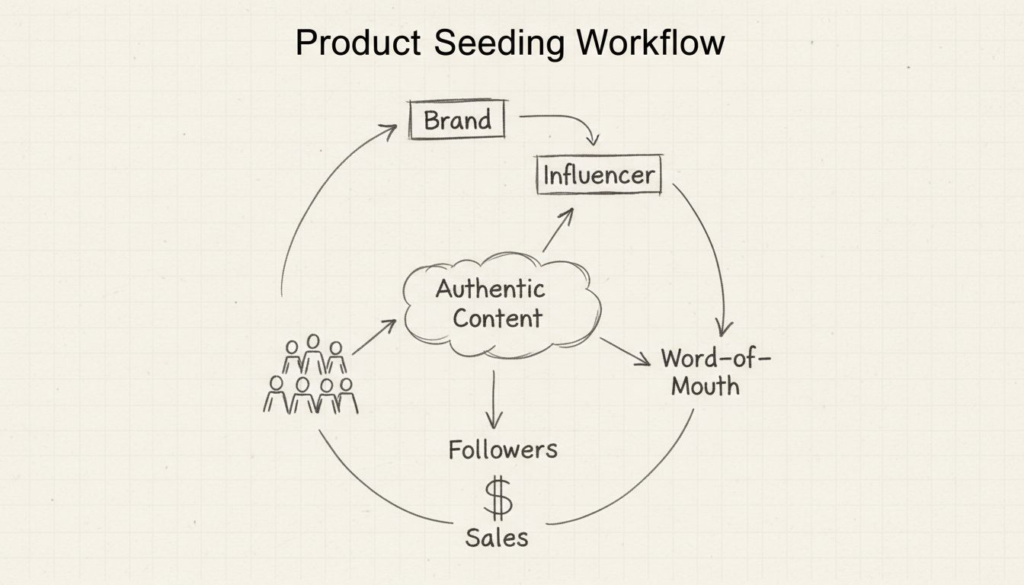
Strip away the marketing speak, and influencer marketing is just modern word-of-mouth with scale.
A brand teams up with a creator who has spent years earning the attention and trust of a specific community—on TikTok, YouTube, Instagram, or Substack. The creator features a product, but they do it in a way that actually fits their normal content tone.
It works because of rapport.
We don’t log onto social media to watch commercial breaks. We tune in for personalities, entertainment, or specific advice. When a creator we genuinely like says, “Hey, I’ve been using this gear for three months and here’s what sucks vs. what’s great,” we listen.
- A budget backpacker showing how a specific bag survives a rainstorm in Vietnam feels genuinely useful.
- A gamer opening up a budget headset to show why the mic doesn’t sound muffled feels helpful.
It’s not brain surgery. It’s just good matchmaking.
Why the Old Playbook Got Thrown Out
Every day, we get hit with hundreds of ads. We’ve all developed a subconscious reflex to scroll past anything that smells like a pitch. High-production commercials feel sterile; forced brand reads feel awkward.
Influencer content sneaks past that filter because it comes from a face we recognize. But brands aren’t just using creators for quick flash sales anymore.
Here is how modern partnerships actually deliver value across the whole board:
[ Raw Discovery ] ➔ [ Authentic Testing ] ➔ [ Trust & Proof ] ➔ [ Customer Conversion ]
- Real-World Social Proof: Showing people how a product fits into an actual, messy everyday life.
- Ad Creative (UGC): Sourcing authentic vertical videos that brands can use in their own paid ad funnels.
- Product Feedback: Using creator communities as focus groups before rolling out major updates.
- Direct Sales: Using trackable links and unique promo codes to measure immediate return on investment.
Sometimes the win isn’t a sale within 30 seconds. Often, it’s just making sure your brand is the first name someone remembers when they’re finally ready to buy two months later.
The Reality-Check Influencer Map
Follower count is a terrible proxy for success. Here is how the tiers actually break down when you look under the hood:
| Creator Class | Audience Size | The Real Vibe | Best Use Case | Reality Check |
|---|---|---|---|---|
| Nano | 1K – 10K | Super local, tight-knit, direct DMs with followers. | Local store launches, niche beta testing, high-trust reviews. | Highest engagement rates, but tiny total reach. |
| Micro | 10K – 100K | Focused experts (e.g., espresso nerds, solo female hikers). | Targeted sales drives, cost-effective ROI, high-quality UGC. | The sweet spot for most small-to-mid brands. |
| Mid-Tier | 100K – 500K | Polished content creators with steady multi-platform reach. | Launching new product lines, broad category pushes. | Solid balance of reach and creator accessibility. |
| Macro | 500K – 1M | Mainstream visibility, professional production teams. | Big brand awareness, nationwide product drops. | Pricey; engagement rates start dropping off noticeable. |
| Mega / Celeb | 1M+ | Mainstream famous, household names, wide appeal. | Global clout, massive brand association, massive reach. | Huge cost, low conversion intent, distant relationship with fans. |
The Math: Why Micro-Influencers Win
If you take away just one takeaway, let it be this: stop obsessing over follower counts.
Look at this real-world comparison:
- Creator A (Lifestyle Mega-Influencer): 600,000 Followers
- Audience: Passive scrollers, general lifestyle.
- Engagement: 0.7% (Lots of single-word comments and bot emojis).
- Price: $6,000
- Result: High view count, practically zero trackable sales.
- Creator B (Home Woodworking Specialist): 20,000 Followers
- Audience: DIY enthusiasts, woodworkers, tool buyers.
- Engagement: 7.2% (Hundreds of comments asking about blade types and durability).
- Price: $500 + free tool set.
- Result: Dozens of direct sales from people who actively need that tool today.
If you sell woodworking tools, Creator B wins every single day of the week.
How to Run a Campaign Without Losing Your Mind

If you want a campaign that actually works, follow these logical steps:
- Define What Success Looks Like: Are you tracking sales, email signups, website clicks, or just getting video content to use on your own social accounts? Know this before pitching.
- Get Hyper-Specific on Your Ideal Buyer: Don’t pitch to “people who like tech.” Pitch to “remote software devs looking to fix their lower back pain with ergonomic desks.”
- Audit the Creator’s Comments: Spend five minutes reading their comment section. Are real humans asking real questions, or is it just generic spam?
- Send a Human Email: Skip the rigid PR template. Tell them specifically what piece of their content you liked, why your brand makes sense for their audience, and ask for their media kit.
- Write a Clear Contract: Cover the basics—deliverables, deadlines, exclusivity, usage rights, and disclosure rules (#ad). No guessing games.
- Step Back and Let Them Work: Give creators a brief with mandatory product details, but do not write a word-for-word script. The moment a creator reads a corporate corporate script, their audience tunes out.
- Look at Hard Numbers: Track custom promo codes, UTM link clicks, and save counts. Double down on the creators who delivered, cut the ones who didn’t.
Good Fit vs. Awkward Fit
| What You’re Selling | Awkward Partnership (Feels Forced) | Perfect Partnership (Feels Natural) |
|---|---|---|
| Coding Bootcamp | Fashion vlogger holding a laptop on a beach. | Tech YouTuber sharing their WFH setup and career path. |
| Plant-Based Protein | Luxury car reviewer doing a sudden drink plug. | Fitness coach showing their actual morning smoothie routine. |
| Cozy Mechanical Keyboards | Mass-market beauty creator doing an unboxing. | ASMR desk setup creator or Twitch streamer. |
| Eco-Friendly Baby Wipes | Glamour model with no kids on her feed. | Everyday parent sharing chaotic mealtime cleanup routines. |
AI Belongs in the Background, Not the Spotlight
AI tools are everywhere. Marketers use them to scrape database lists, organize creator stats, and draft campaign reports. That’s fine—tech is great for saving time.
But AI cannot fake human connection.
Audiences can instantly sense when a video script was generated by a machine or when a pitch email was automated to 500 people at once. The entire reason influencer marketing works is because of human vulnerability, personality, and trust. Use AI to handle administrative tasks, but leave the storytelling to real people.
5 Mistakes That Will Burn Your Budget

- Trying to Control Every Word: If you want absolute control over the script, buy a TV ad. Let creators speak like themselves.
- Skipping the Written Agreement: Always put deliverables, deadlines, and rights in writing to avoid awkward misunderstandings later.
- Forgetting to Use Trackable Links: If you don’t use UTM codes or unique discount codes, you’ll have zero idea where your sales actually came from.
- Treating Partnerships as One-Offs: If a creator delivers great results, sign them up for a multi-month deal. Repeat exposure builds far more trust than a single post.
- Underpaying for Great Work: Don’t ask a talented creator to sink 15 hours into filming high-end 4K video content in exchange for a $10 sample. Pay fair rates for real value.
The Best Workflow Tools for Small Businesses, Teams, and Freelancers
Running a business involves more than completing tasks. Workflow You have emails to answer, projects…
Content Marketing Trends 2026: Research & Storytelling
The internet has never had a shortage of content. Every day, businesses publish blog posts,…
Top Workflow Tools for Better Team Productivity in 2026
It rarely happens with a big dramatic crash. Instead, it’s a slow, quiet leak. You…

AI Automation Guide 2026: Work Smarter, Faster & Better
Artificial intelligence and automation are changing the way people work, manage information, communicate, and complete…
Tool Reviews: Find the Best Tools for Every Need
Every single morning, millions of people open their laptops to a screen crammed with open…

The Best Audio Editing Software 2026: Music, Podcasts & More
Good audio can completely change how a song, podcast, video, or voice recording feels.Audio Editing…