Let’s be honest: generative AI was fun, but it got exhausting fast. Agentic For the last three years, we’ve essentially been acting as full-time babysitters for AI models. You write a prompt, wait for a paragraph, copy-paste it into a document, write another prompt to fix the typos, copy that into an email client, click “send,” and then move on to the next tab. It saved time, sure—but you were still the glue holding every single step together.
In 2026, the technology is taking a massive leap forward with Agentic AI.
Instead of sitting around waiting for your next sentence, an AI agent takes a goal, figures out the steps required to achieve it, opens the necessary software tools, executes the work, handles errors when things go sideways, and hands you a finished result.
Think of traditional AI like a text-based search engine on steroids, whereas Agentic AI is more like hiring a capable junior employee. Here is what this shift looks like in practice, why everyone in tech is talking about it, and how it’s quietly reshaping the future of work.
What Is Agentic AI, Really? (Without the Buzzwords)
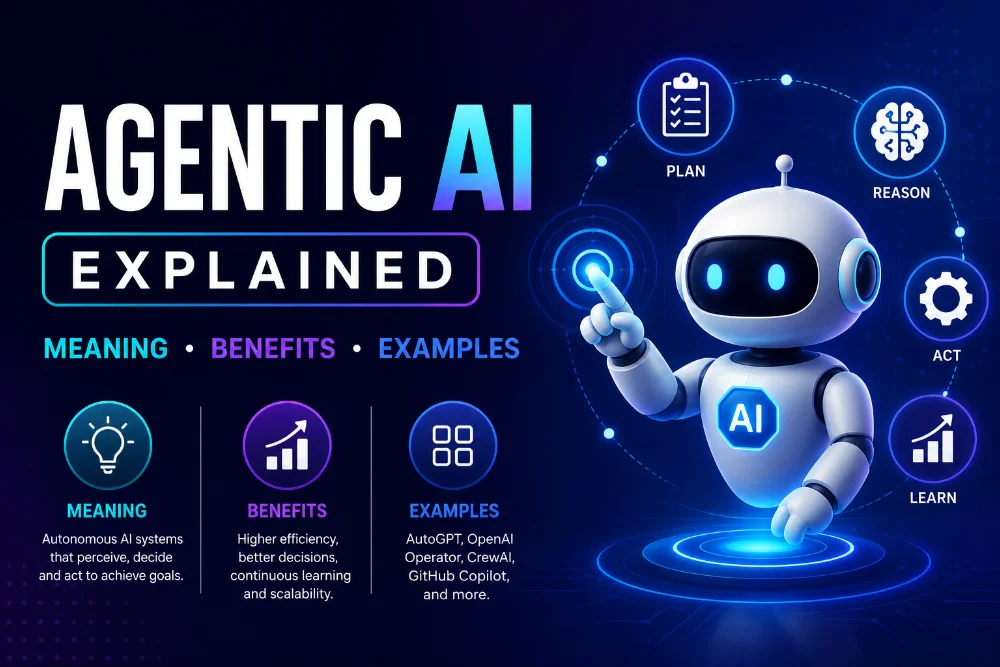
In simple terms, Agentic AI consists of autonomous systems designed to pursue goals rather than just answer questions.
[ Traditional AI ] -----> User gives prompt -----> AI outputs text/image -----> User does the work
                                                                                      |
[ Agentic AI ]    -----> User sets goal   -----> Agent creates plan    -----> Agent executes tools
                                                                                      |
                                                                             Human checks final result
If you ask a traditional AI model, “How do I refund a customer on Shopify?” it gives you a neat 5-step text tutorial. You still have to log into Shopify, find the order, click the refund button, and send the customer an apology email.
If you assign that same issue to an Agentic AI system:
- It reads the customer’s incoming complaint email.
- It logs into your Shopify account via an API.
- It checks your store’s return policy to see if the item qualifies.
- It processes the refund automatically.
- It drafts and sends a personalized confirmation email to the customer.
- It updates your inventory log and alerts your warehouse team.
You didn’t prompt it six times. You just gave it a boundary rule (“Handle standard returns under ₹2,000”) and let it run.
Agentic AI vs. Traditional Generative AI: The Reality Check
It’s easy to get lost in marketing hype. Here is how autonomous agents compare to the generative tools we’ve been using day-to-day:
| Dimension | Traditional Generative AI | Agentic AI (2026) | Real-World Impact |
| User Role | Micromanager (You prompt every step) | Supervisor (You set goals & boundaries) | Less tab-switching, significantly lower cognitive fatigue. |
| Workflow Capabilities | Single-step answers (e.g., “Write a blog draft”) | Multi-step execution (e.g., “Research, write, format & post to WordPress”) | End-to-end task automation across complex tool stacks. |
| Tool Integration | Mostly isolated within a chat box | Connected directly to Slack, Jira, Gmail, Salesforce, Github | AI works directly inside your existing enterprise software. |
| Error Handling | Hallucinates incorrect facts & stops | Tests output, detects failures, and retries alternate paths | Higher reliability for complex, logic-heavy workflows. |
| Human Supervision | Heavy (Required for every prompt) | Exception-based (Human steps in only when the agent gets stuck) | Humans manage by exception rather than doing manual data entry. |
Where AI Agents Are Already Replacing Busywork in 2026
1. Customer Support That Doesn’t Make You Want to Scream

We’ve all fought with infuriating chatbots that endlessly loop back to “I didn’t understand that question, please rephrase.”
2.0 support agents aren’t simple decision trees. They have actual system access. An agent can look up real-time delivery GPS data, process exchange requests, verify bank transaction receipts, and escalate complex edge cases directly to a human agent with a full summary already written out.
2. Autonomous Software Development & Bug Fixing
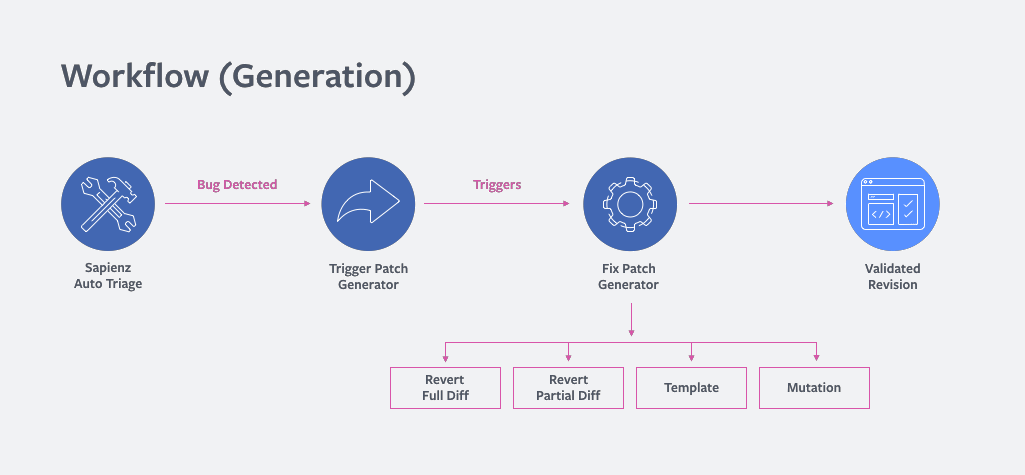
Developers aren’t just using AI to generate code snippets anymore. Dev-agents (like autonomous coding assistants integrated into GitHub and IDEs) can now be assigned a bug ticket directly from Jira.
The agent scans the codebase, reproduces the error in an isolated test environment, writes a fix, runs automated testing suites to make sure it didn’t break anything else, and submits a pull request for a senior human engineer to review.
3. “Hands-Off” Marketing Operations

Marketing involves a staggering amount of repetitive administrative work: pulling performance analytics, formatting spreadsheets, tweaking ad campaigns, and rescheduling content.
Agentic workflows allow marketing teams to set a performance target (e.g., “Keep cost-per-click under ₹15”). If an ad set starts failing on a Tuesday midnight, the agent autonomously pauses the underperforming ad and allocates budget to higher-performing creatives without waiting for a human manager to wake up.
4. Personal Productivity That Actually Works

Imagine telling your digital assistant: “Find a decent hotel in South Goa for next weekend under ₹6,000 per night that has reliable Wi-Fi, book it using my credit card, and clear my Friday afternoon calendar.”
Instead of opening seven browser tabs and spending an hour comparing reviews, a personal agent executes the research, checks your calendar permissions, makes the reservation, and sends you a single confirmation card.
The Elephant in the Room: Risks, Hallucinations, and Human Control
Letting an AI model draft a silly poem carries almost zero risk. But letting an AI agent interact with your company’s real credit card, update live customer records, or edit production software code? That can be terrifying if done recklessly.
[ High Autonomy ]  --->  Unchecked Permissions  --->  Catastrophic Mistake
                                                               |
                                                   (e.g., Unintended Refunds /
                                                    Broken Production Code)
The major challenge facing agentic AI in 2026 isn’t making agents smarter—it’s keeping them safely inside guardrails.
- The “Human-in-the-Loop” Model: Safe systems enforce strict permission ceilings. An agent can do all the heavy lifting, planning, and draft work, but it must request explicit human approval before clicking “Send,” “Buy,” or “Delete.”
- System Hallucinations: When an LLM hallucinates in a chat box, you get a weird sentence. When an autonomous agent hallucinates mid-workflow, it might accidentally refund 50 orders or email the wrong client confidential documents. Robust audit logs and instant “kill-switches” are non-negotiable.
What Agentic AI Means for Careers in 2026
Does this mean human jobs are disappearing overnight? No, but the nature of daily work is fundamentally shifting.
The routine, procedural tasks that used to take up 60% of an office worker’s day—copy-pasting data between software platforms, writing status updates, generating weekly PDF reports, scheduling meetings—are rapidly being delegated to background agents.
The skills that matter most now:
- System Architecture & Workflow Design: Knowing how to design an efficient process so an AI agent can execute it.
- Critical Thinking & Exception Handling: Stepping in when the AI runs into an unusual situation that falls outside normal rules.
- Emotional Intelligence & Negotiation: Managing human relationships, client expectations, and team dynamics—things no algorithm can replicate.

The Best Workflow Tools for Small Businesses, Teams, and Freelancers
Running a business involves more than completing tasks. Workflow You have emails to answer, projects…

Content Marketing Trends 2026: Research & Storytelling
The internet has never had a shortage of content. Every day, businesses publish blog posts,…
Top Workflow Tools for Better Team Productivity in 2026
It rarely happens with a big dramatic crash. Instead, it’s a slow, quiet leak. You…

AI Automation Guide 2026: Work Smarter, Faster & Better
Artificial intelligence and automation are changing the way people work, manage information, communicate, and complete…
Tool Reviews: Find the Best Tools for Every Need
Every single morning, millions of people open their laptops to a screen crammed with open…

The Best Audio Editing Software 2026: Music, Podcasts & More
Good audio can completely change how a song, podcast, video, or voice recording feels.Audio Editing…