
B2B marketing has changed a lot. A few years ago, getting your business in front of potential customers often meant sending emails, running ads, attending events, and hoping the right people noticed.
Today, buyers usually do much more research before speaking to a salesperson.
They compare companies online, read reviews, watch videos, search for answers, check competitors, and increasingly use AI-powered search tools to research their options. In fact, current B2B research shows that buyers move across multiple channels during the purchasing journey and expect a consistent experience wherever they interact with a brand.
That means successful B2B marketing isn’t simply about generating as many leads as possible. It’s about reaching the right businesses, earning their attention, building trust, and helping them move from “I’m just researching” to “Let’s talk.”
This guide walks through the entire process—from finding your ideal audience and generating leads to nurturing prospects, supporting sales, and turning customers into long-term business relationships.
What Is B2B Marketing?
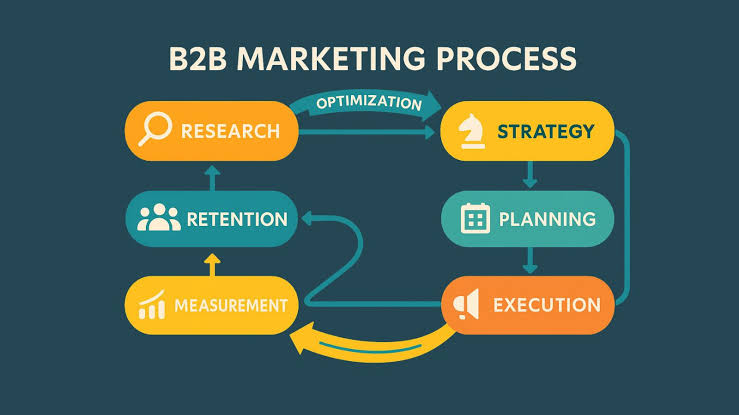
B2B marketing, or business-to-business marketing, is the process of promoting products or services to other businesses rather than individual consumers.
The difference may sound simple, but the buying process is often more complicated.
A B2B purchase might involve a founder, marketing manager, finance team, IT department, procurement team, and several other decision-makers. The purchase may also involve a larger budget and a longer sales cycle.
That’s why B2B marketing needs more than a catchy advertisement.
It needs useful information, credibility, clear positioning, consistent communication, and a good understanding of what potential customers actually need.
Why B2B Marketing Matters in 2026
B2B buyers are becoming more independent. They don’t necessarily want to talk to a salesperson at the beginning of their research.
They want to investigate first.
Your website, search presence, social media, case studies, videos, reports, newsletters, and other content often become the first introduction someone has to your company.
At the same time, AI is changing how marketers create content, analyze audiences, personalize campaigns, and identify high-intent prospects. HubSpot’s 2026 marketing research identifies AI-powered personalization, automation, SEO changes, and content repurposing among the major trends marketers are focusing on.
The opportunity is huge—but so is the competition.
The companies that stand out are usually the ones that make the buying process easier.
1. Define Your Ideal B2B Customer
Before spending money on ads or publishing dozens of blog posts, get clear about who you’re trying to reach.
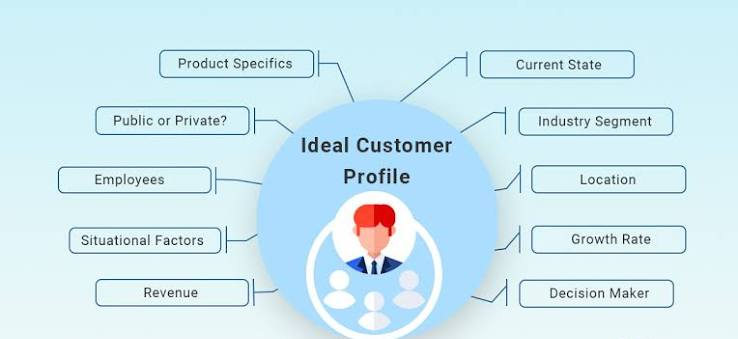
Your ideal customer profile (ICP) should describe the type of company that is most likely to benefit from your product or service.
Consider:
- Industry
- Company size
- Location
- Annual revenue
- Business model
- Technology used
- Main challenges
- Buying authority
- Typical budget
- Sales cycle
- Reasons they may need your solution
For example, saying “we sell software to businesses” is far too broad.
A more useful ICP might be:
Mid-sized e-commerce companies looking to automate repetitive customer-support tasks and reduce response times.
Now your marketing team has something specific to work with.
Create Buyer Personas Too
Your ICP describes the company.
A buyer persona describes the people inside that company.
You might be selling to a marketing director, but the person researching your product could be a marketing executive or operations manager.
Understand what each person cares about.
A CFO may care about cost and ROI.
A marketing manager may care about performance and ease of use.
An IT manager may care about security and integration.
One product can have several different buying audiences—and your content should reflect that.
2. Build a Strong B2B Marketing Funnel
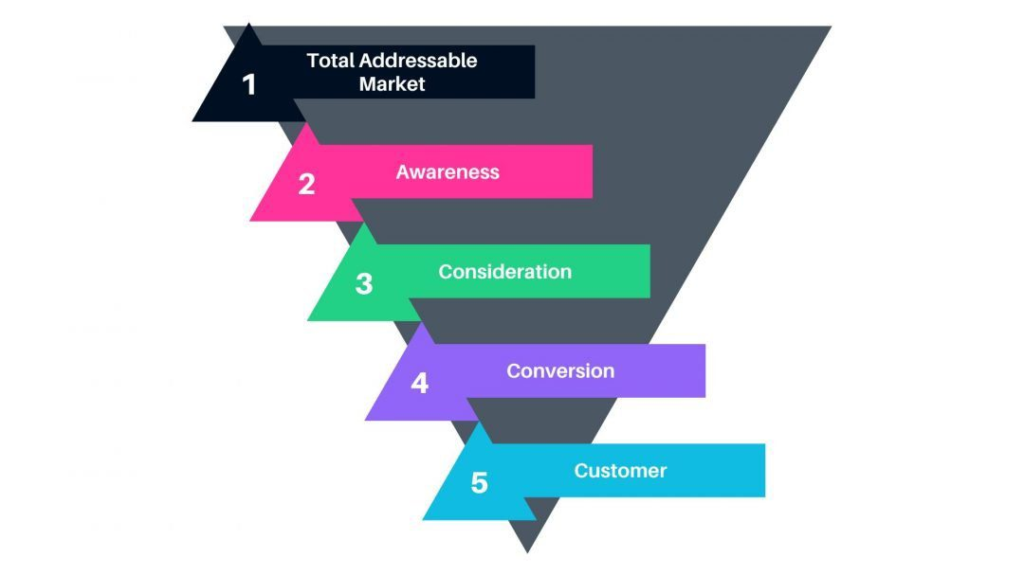
A B2B marketing funnel helps you understand where a potential customer is in the buying process.
A simple funnel looks like this:
Awareness → Interest → Consideration → Decision → Customer → Retention
Each stage requires different content.
Awareness
The prospect has a problem but may not know your company.
Useful content includes:
- Blog posts
- Short videos
- Educational guides
- Social media posts
- Industry reports
- Search-optimized articles
Interest
The prospect is actively exploring solutions.
Useful content includes:
- Webinars
- Comparison articles
- Checklists
- Newsletters
- Expert guides
- Case studies
Consideration
The buyer is comparing specific solutions.
This is where you can introduce:
- Product demos
- Customer stories
- Pricing information
- Product comparisons
- ROI calculators
- Detailed solution pages
Decision
The prospect is close to buying.
Make the next step obvious.
Offer:
- A consultation
- Demo booking
- Free trial
- Proposal
- Sales call
- Product walkthrough
Retention
Marketing shouldn’t stop when the deal is signed.
Continue helping customers with:
- Educational emails
- Product updates
- Customer-only resources
- Training
- Webinars
- Support content
- Cross-sell opportunities
The goal is to turn a first purchase into a lasting relationship.
3. Use Content Marketing to Build Trust

Good B2B content doesn’t feel like a sales pitch.
It answers questions.
Think about the questions your customers ask before they buy.
Then create content around those questions.
For example, a cybersecurity company could publish:
- How to Build a Small Business Cybersecurity Plan
- Common Password Security Mistakes
- Cloud Security Checklist for Businesses
- Cybersecurity Costs: What Should Companies Budget?
- How to Choose the Right Security Software
This type of content can attract people before they’re ready to contact your sales team.
And when they’re eventually ready, your brand may already be familiar to them.
Don’t Create Content Just for Volume
Publishing more doesn’t automatically mean better marketing.
A smaller collection of genuinely useful articles can be more valuable than a huge library of generic posts.
Focus on:
- Original insights
- Practical examples
- Clear explanations
- Customer problems
- Industry expertise
- Data and research
- Strong opinions backed by evidence
Original research and thought leadership can be especially valuable because they give buyers something they can’t easily find everywhere else.
4. Make SEO Part of Your B2B Strategy

SEO remains important because potential customers still use search engines to find information, compare products, and solve problems.
But B2B SEO in 2026 isn’t simply about adding keywords to articles.
Search behavior is changing as AI-generated answers and answer engines become part of the research process. Current marketing research shows businesses are adapting SEO and content for these changing search experiences.
A strong B2B SEO strategy should include:
Keyword Research
Target keywords based on actual customer intent.
Instead of focusing only on broad keywords such as “marketing software,” consider more specific searches like:
- marketing automation software for small businesses
- best lead generation tools for B2B
- CRM for consulting companies
- how to improve B2B lead conversion
Topic Clusters
Build groups of related content around important topics.
For example:
Main topic: B2B Lead Generation
Supporting topics:
- B2B lead generation strategies
- B2B lead scoring
- LinkedIn lead generation
- B2B landing pages
- Lead nurturing
- Marketing-qualified leads
This helps create a stronger content ecosystem rather than isolated articles.
Optimize for Humans First
Don’t write awkward content just to satisfy search algorithms.
Make pages easy to read, useful, accurate, and genuinely relevant to the person searching.
5. Make LinkedIn Part of Your B2B Marketing Strategy

For many B2B companies, LinkedIn can be an important place to reach professional audiences.
But posting company announcements every day isn’t enough.
Share things people actually want to read.
Try:
- Industry insights
- Customer lessons
- Founder opinions
- Behind-the-scenes stories
- Short educational videos
- Data and statistics
- Product lessons
- Case studies
- Practical tips
- Employee expertise
You can also encourage subject-matter experts inside your company to participate.
People often connect more naturally with knowledgeable individuals than with corporate messaging alone.
6. Use Email Marketing to Nurture Leads
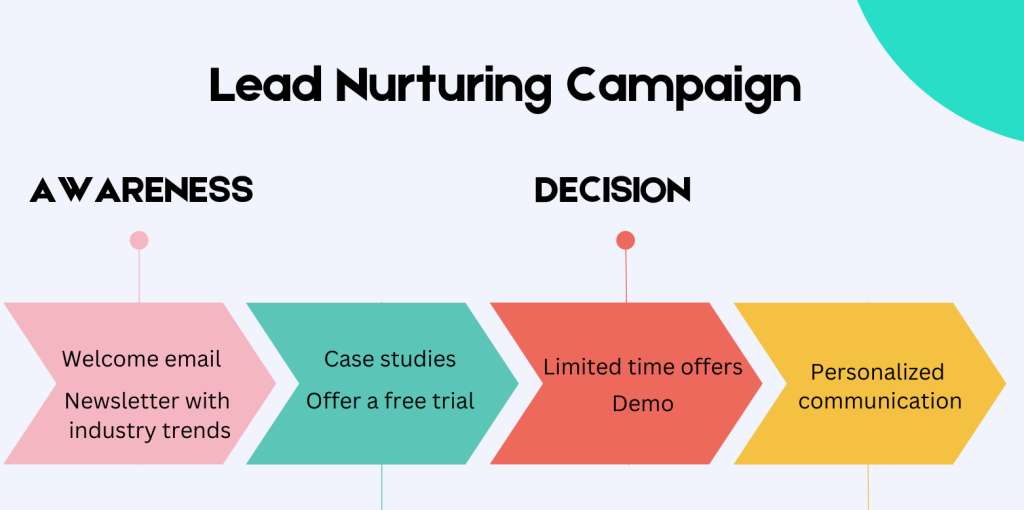
Not every lead is ready to buy today.
That’s normal.
Someone might download your guide and disappear for three months before they have a real need.
That’s where B2B email marketing becomes useful.
Instead of sending constant promotional messages, create a simple nurturing sequence.
For example:
Email 1: Deliver the resource they requested.
2: Share a practical tip related to the problem.
3: Introduce a useful case study.
4: Explain how companies typically solve the problem.
Email 5: Offer a demo, consultation, or next step.
Keep the emails helpful and relevant.
A subscriber should feel that opening your email was worth their time.
7. Explore Account-Based Marketing
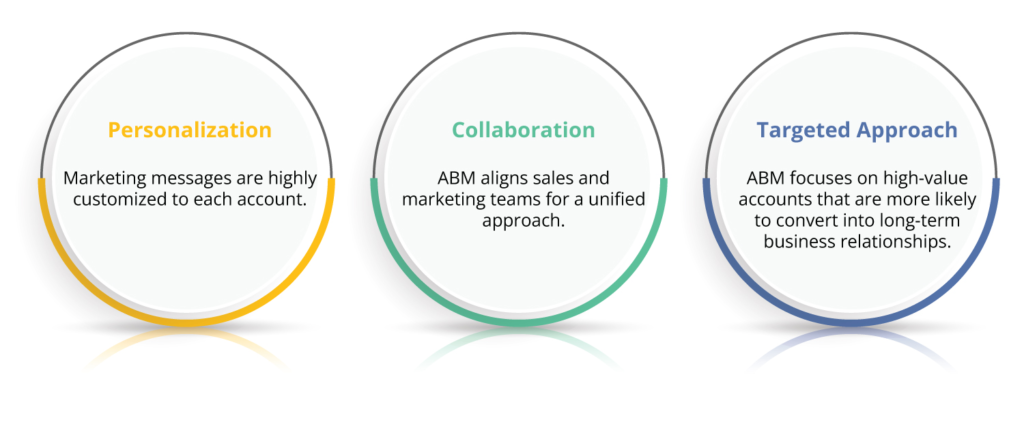
Account-Based Marketing (ABM) takes a more focused approach.
Instead of marketing to thousands of companies, you identify a smaller group of high-value accounts and create campaigns specifically for them.
ABM can work particularly well when:
- Your product has a high contract value
- The sales cycle is long
- Several people influence the purchase
- You have a clearly defined target market
- A small number of customers can significantly impact revenue
For example, rather than creating one generic campaign for all technology companies, you might create a campaign specifically for 50 enterprise technology businesses that match your ICP.
The message can then be more relevant.
8. Use AI Without Losing the Human Touch

AI is becoming an important part of modern B2B marketing.
It can help marketers with:
- Content research
- Campaign ideas
- Audience segmentation
- Email personalization
- Data analysis
- Lead scoring
- Content repurposing
- Workflow automation
- Reporting
- Predictive insights
Research from G2 highlights AI’s growing role in B2B marketing, particularly for targeting, personalization, automation, and decision-making.
But there’s an important difference between using AI to improve marketing and letting AI do all the marketing.
Don’t publish generic AI-generated content without reviewing it.
Add:
- Real customer examples
- Original opinions
- Expert knowledge
- Company experience
- Relevant data
- Human editing
AI can help you work faster.
Your expertise is what makes the content worth reading.
9. Don’t Ignore Video Marketing

B2B marketing doesn’t have to be serious all the time.
Short videos can explain complicated products much faster than a long block of text.
Consider creating:
- Product demonstrations
- Customer interviews
- Quick tutorials
- Industry explainers
- Founder videos
- FAQ videos
- Webinar clips
- Behind-the-scenes content
You don’t need an expensive studio to get started.
A clear message, good audio, and useful information matter more than making every video look like a television commercial.
10. Build Better Lead Generation Campaigns
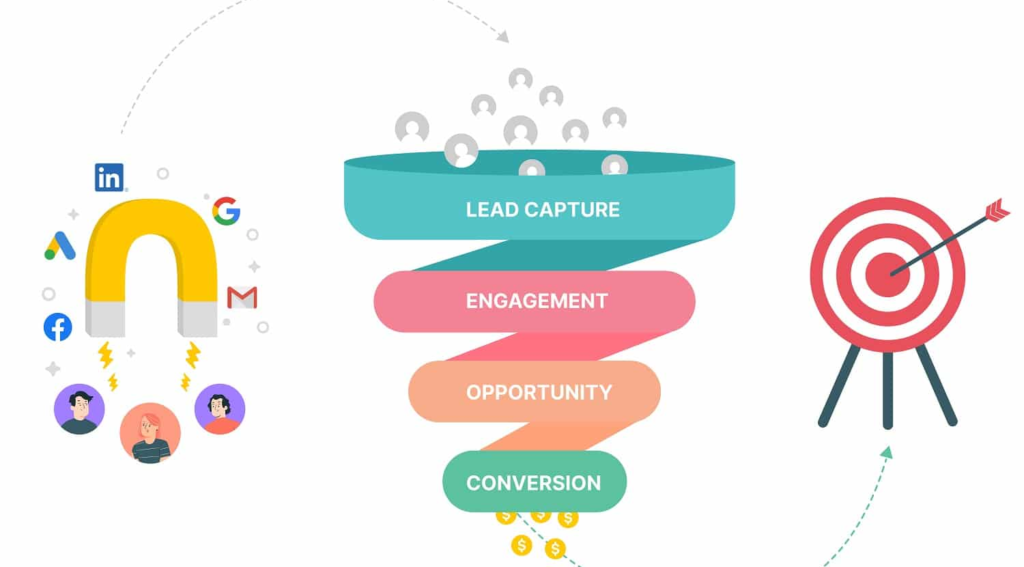
Lead generation is about attracting people who could realistically become customers.
Popular B2B lead-generation channels include:
- SEO
- Content marketing
- Email marketing
- Paid search
- Webinars
- Events
- Referral programs
- Partnerships
- Account-based marketing
Don’t judge a campaign only by the number of leads it produces.
One campaign might generate 500 low-quality leads.
Another might generate 50 leads, but five become valuable customers.
The second campaign could be far more successful.
Recent B2B benchmark research similarly emphasizes that lead quality and funnel-stage conversion matter more than simply chasing a universal lead-volume number.
11. Create Offers People Actually Want

Sometimes the problem isn’t your marketing channel.
It’s your offer.
If your landing page says:
“Contact us to learn more.”
there may not be enough reason for someone to take action.
Try offering something useful:
- Free consultation
- Industry report
- ROI calculator
- Free assessment
- Product demo
- Downloadable checklist
- Free trial
- Audit
- Webinar
Your offer should solve a small problem before asking the prospect to make a larger commitment.
12. Align Marketing and Sales
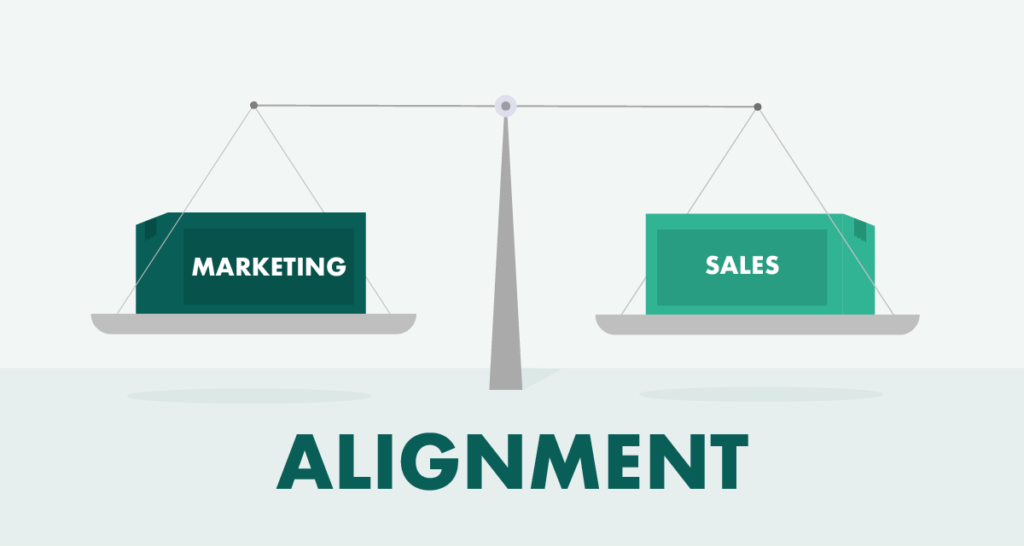
One of the biggest B2B marketing mistakes is treating marketing and sales as completely separate teams.
Marketing says:
“We generated 1,000 leads.”
Sales says:
“Most of them weren’t useful.”
That’s not a win.
Both teams should agree on:
- Ideal customer profile
- Lead definitions
- Lead scoring
- Qualification criteria
- Follow-up process
- Sales-ready signals
- Revenue goals
Create a feedback loop.
Sales can tell marketing which objections prospects keep mentioning.
Marketing can then turn those objections into content.
That makes the entire funnel stronger.
13. Improve Your Website Conversion Rate
Getting traffic is only half the job.
Your website needs to turn the right visitors into meaningful actions.
Review your:
- Homepage
- Product pages
- Service pages
- Landing pages
- Contact forms
- Pricing pages
- Case studies
- Calls to action
Ask yourself:
Can a new visitor understand what we do within a few seconds?
Is it obvious who the product is for?
Does the website explain the business problem we solve?
Is there an easy next step?
If the answers aren’t clear, improve the page before increasing your advertising budget.
14. Use Customer Stories as Social Proof

B2B buyers want evidence.
They want to know whether your solution actually works for companies like theirs.
That’s why customer stories are so powerful.
A good case study should explain:
The problem → The solution → The implementation → The result
Don’t just write:
“Company X loved our service.”
Give readers context.
Explain what the customer struggled with, what changed, and what they learned.
Specific stories are far more convincing than generic claims.
15. Measure What Actually Matters

B2B marketing can generate a huge amount of data.
Don’t get distracted by every number.
Track metrics that connect marketing activity to business results.
Important metrics include:
- Website traffic
- Lead conversion rate
- Marketing-qualified leads
- Sales-qualified leads
- Cost per lead
- Customer acquisition cost
- Lead-to-customer conversion
- Pipeline generated
- Revenue influenced by marketing
- Customer retention
- Customer lifetime value
A recent B2B benchmark report also recommends looking beyond individual channel metrics toward pipeline and revenue measures such as MQL-to-SQL and lead-to-opportunity conversion.
The key question isn’t:
“How many people saw our campaign?”
It’s:
“Did this campaign help create valuable business opportunities?”
16. Personalization Can Make a Big Difference
People don’t want to feel like they’re receiving a message meant for everyone.
Even simple personalization can help.
For example:
Instead of:
“Hi, check out our latest software.”
Try:
“We noticed your team is expanding into multiple markets. Here’s how companies manage campaign reporting across different regions.”
The second message feels more relevant because it connects with a specific business situation.
AI can help scale personalization, but the information behind that personalization needs to be accurate. Current marketing research shows strong interest in AI-powered personalized content, while also highlighting the importance of quality data.
17. Focus on Customer Growth, Not Just Customer Acquisition
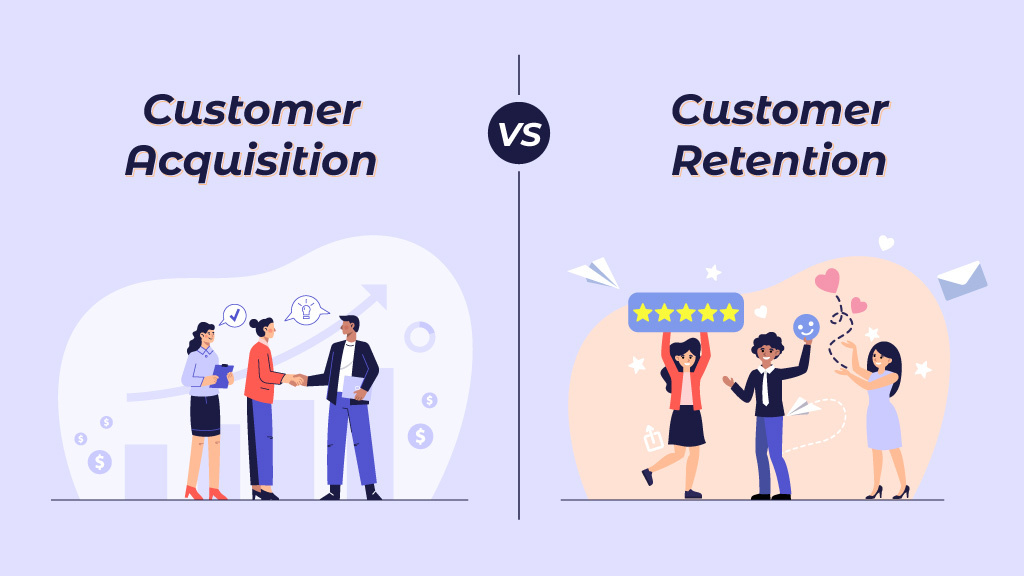
Winning a customer is only the beginning.
Once someone buys from you, look for ways to help them get more value from the relationship.
This could involve:
- Better onboarding
- Training
- Educational content
- Product recommendations
- Account reviews
- Customer communities
- Loyalty programs
- Cross-selling
- Upselling
- Referral programs
Happy customers can become repeat customers—and sometimes your strongest source of new business.
18. A Simple B2B Marketing Strategy for 2026
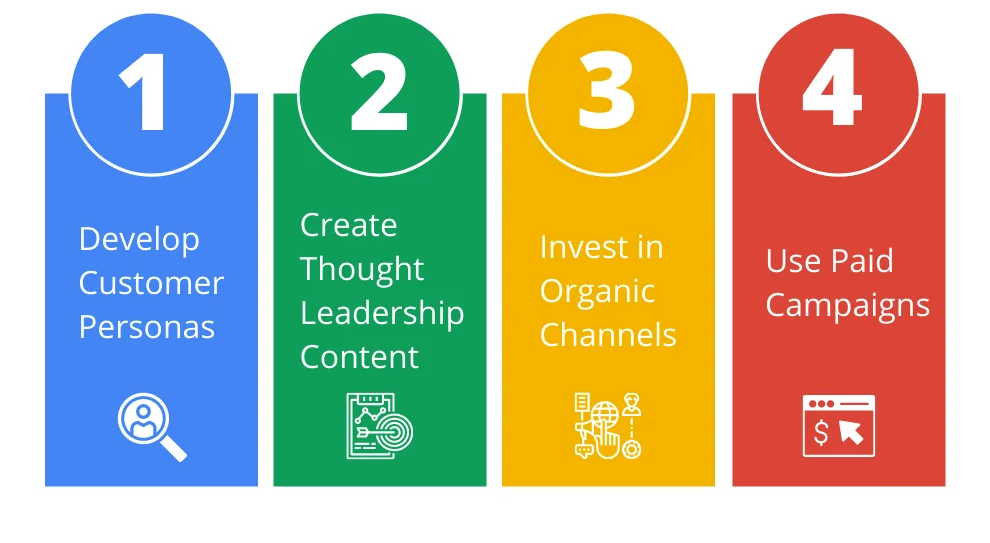
If you’re building a strategy from scratch, don’t try to do everything at once.
Start with this framework:
Define Your ICP
Know exactly which companies you want to reach.
Understand Their Problems
Find out what they’re struggling with and what prevents them from buying.
Build Your Core Website Pages
Make your product, service, industry, and solution pages clear.
Create Useful Content
Answer the questions your target customers are already asking.
Choose 2–3 Main Channels
For example, SEO + LinkedIn + email.
Build a Lead Capture System
Use forms, demos, consultations, downloads, or trials.
Nurture Prospects
Stay useful until they’re ready to buy.
Align With Sales
Define what a qualified lead looks like.
Track Revenue
Measure pipeline and customers, not just clicks.
Improve Every Month
Keep what works, remove what doesn’t, and test new ideas.
B2B Marketing Trends to Watch in 2026
Several trends are shaping the way B2B teams approach marketing this year.
AI-Powered Personalization
AI is making it easier to tailor content and campaigns to different audiences at scale.
Search Beyond Traditional Google Results
Marketers are adapting content for AI-powered search and answer engines alongside traditional SEO.
More Useful, Less Promotional Content
B2B buyers have seen enough generic sales messages. Educational and genuinely useful content has a better chance of earning attention.
Stronger Marketing and Sales Alignment
Companies are increasingly focusing on the entire revenue journey rather than treating lead generation as marketing’s final goal.
Multi-Channel Buyer Journeys
B2B customers may move between websites, social media, email, video, sales conversations, events, and digital purchasing experiences. McKinsey’s 2026 B2B research found buyers using an average of ten channels across the purchasing journey.
First-Party Data
As businesses become more careful about privacy and tracking, reliable first-party customer data becomes increasingly valuable for personalization and measurement.
Common B2B Marketing Mistakes to Avoid
Even a good strategy can fail if the basics are overlooked.
Avoid:
- Targeting everyone
- Buying low-quality leads
- Publishing generic AI content
- Focusing only on traffic
- Ignoring existing customers
- Sending too many sales emails
- Using the same message for every buyer
- Separating marketing and sales completely
- Making your website difficult to navigate
- Measuring vanity metrics instead of revenue
The best B2B marketing strategy isn’t necessarily the one with the biggest budget.
It’s the one that understands its audience best.
Frequently Asked Questions
What is B2B marketing?
B2B marketing is the process of promoting products or services to other businesses. It focuses on reaching decision-makers, generating qualified leads, and building long-term customer relationships.
What are the best B2B marketing strategies in 2026?
Key strategies include SEO, content marketing, LinkedIn marketing, email campaigns, AI-powered personalization, account-based marketing, video marketing, and marketing automation.
How can B2B companies generate more leads?
Businesses can generate leads through SEO, useful content, webinars, LinkedIn, paid advertising, email marketing, referrals, free consultations, demos, and downloadable resources.
Why is content marketing important for B2B businesses?
Content marketing helps businesses answer customer questions, demonstrate expertise, build trust, and attract potential buyers before they are ready to make a purchase.
How does AI help with B2B marketing?
AI can support audience research, personalization, content creation, lead scoring, campaign automation, data analysis, and customer segmentation while allowing marketers to work more efficiently.