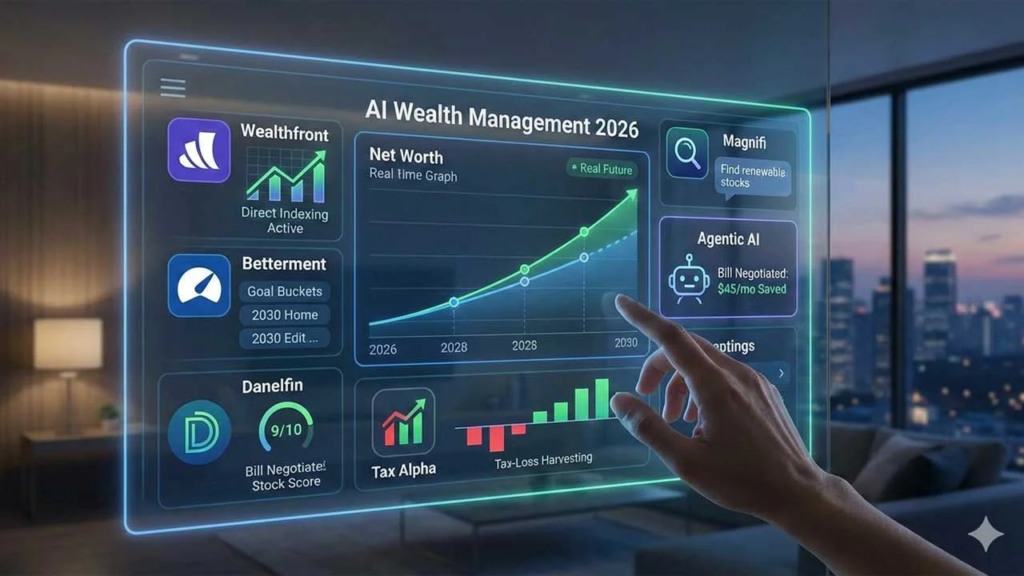
Managing money has become an important part of everyday life. From paying bills and tracking expenses to saving for future goals, having a clear financial plan can help reduce stress and support better decisions. However, keeping track of income, spending, savings, and financial commitments can sometimes feel complicated.
This is where finance tools can help. Digital budgeting apps, expense trackers, calculators, and financial planning platforms make it easier to organize money-related information. Some tools help users understand where their money goes, while others support savings goals, bill management, or investment research.
The best finance tool depends on your needs. A student may want a simple budget tracker, a family may need a household expense planner, and a freelancer may prefer an income and invoice management tool.
In this guide, we explore useful finance tools, their key features, and practical ways to use them for smarter money management in 2026.
What Are Finance Tools?
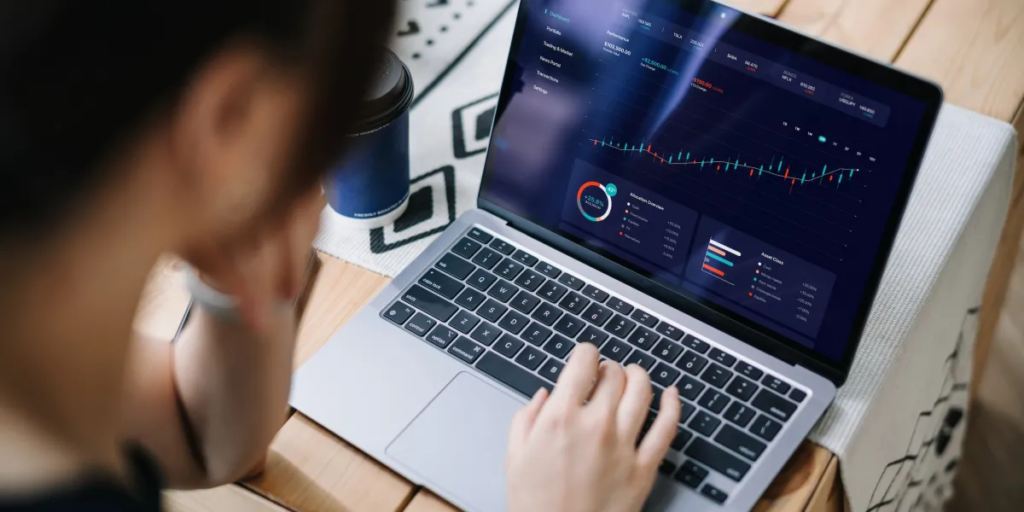
Finance tools are digital applications, websites, or software platforms designed to help people manage financial activities. They can support budgeting, expense tracking, saving, financial calculations, bill planning, and other money-related tasks.
Some tools are designed for personal use, while others support businesses, freelancers, and professionals.
Common Types of Finance Tools
| Finance Tool | Main Purpose |
|---|---|
| Budgeting apps | Plan income and expenses |
| Expense trackers | Record and categorize spending |
| Savings calculators | Estimate savings growth |
| Loan calculators | Understand possible loan payments |
| Investment platforms | Research or manage investments |
| Bill reminders | Track upcoming payments |
| Spreadsheet templates | Create customized financial plans |
Using a finance tool does not automatically improve financial health. The real benefit comes from reviewing your information regularly and making thoughtful decisions based on it.
Best Finance Tools to Manage Your Money in 2026
1. YNAB – Budgeting With a Clear Plan
YNAB, short for You Need A Budget, is a budgeting platform designed to help users plan how they will use their money. Its approach encourages people to assign available funds to specific purposes, such as bills, groceries, savings, and personal spending.
YNAB can be useful for people who want to develop a more structured budgeting habit.
Key features:
- Create and manage spending categories
- Plan for upcoming expenses
- Track progress toward financial goals
- Review spending habits
- Access budgeting resources
YNAB is most suitable for people who want an active, planned approach to budgeting. Check its current subscription details and regional availability before signing up.
2. Mint Alternatives – Track Your Spending
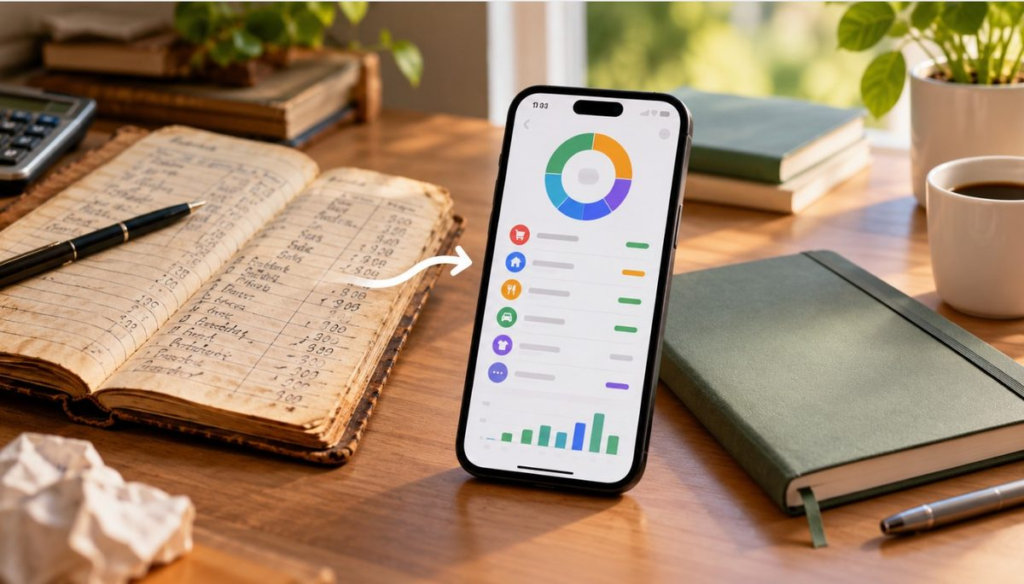
Mint was widely known for helping users track spending and view financial activity in one place. Since product availability can change, users looking for similar services should evaluate current alternatives rather than assume that an older app remains active.
Modern expense-tracking tools may provide spending categories, budget summaries, transaction records, and financial dashboards.
What to look for in an expense tracker:
- Easy expense entry
- Clear spending categories
- Monthly reports
- Export options
- Secure account practices
- Availability in your country
For users who prefer not to connect financial accounts, a manual tracker or spreadsheet can also be a practical choice.
3. PocketGuard – Understand Your Available Spending
PocketGuard is a personal finance tool designed to help users understand their spending and budget. Depending on supported features and account connections, it can provide an overview of income, bills, and expenses.
A spending overview can be useful when trying to avoid using money that is already needed for upcoming commitments.
Potential benefits:
- Review spending patterns
- Organize recurring expenses
- Understand budget limits
- Keep financial information organized
Before using any finance app, review its supported countries, data access requirements, and privacy settings.
4. Goodbudget – Plan With Digital Envelopes
Goodbudget uses the envelope budgeting method. In traditional envelope budgeting, money is divided into categories such as groceries, rent, transport, and savings. Goodbudget brings this approach into a digital format.
It can be helpful for individuals or households who prefer to plan spending category by category.
Key features:
- Digital budget envelopes
- Expense tracking
- Shared household budgeting options
- Debt payoff planning
- Budget history and reports
Goodbudget can be useful for building spending discipline, especially when a household wants to coordinate its financial plan.
5. Google Sheets – Flexible Budgeting and Expense Tracking
Google Sheets is a flexible option for people who want to manage finances without relying on a specialized budgeting app. Users can create a monthly budget, record income, categorize expenses, and calculate savings.
A simple spreadsheet can be customized for personal needs, such as student expenses, household budgeting, or freelance income.
Useful spreadsheet columns:
| Date | Category | Description | Amount |
|---|---|---|---|
| 01 Nov | Income | Salary | ₹30,000 |
| 02 Nov | Housing | Rent | ₹8,000 |
| 03 Nov | Food | Groceries | ₹2,500 |
| 04 Nov | Transport | Travel | ₹1,000 |
Example figures are illustrative.
Google Sheets is suitable for users who prefer manual tracking and want control over how their financial information is organized.
6. Calculator.net – Helpful Financial Calculators
Online financial calculators can help users estimate amounts and compare scenarios. Calculator.net provides a variety of calculators, including tools related to loans, savings, and other financial topics.
These calculators can be useful for understanding how changes in payment amounts, interest rates, or time periods may affect a result.
Common uses include:
- Estimating loan payments
- Calculating savings growth
- Comparing repayment scenarios
- Understanding percentages
- Planning financial goals
Calculator results are estimates. Actual financial products may include fees, taxes, changing rates, or other terms that are not included in a simple calculation.
7. Bank and Payment Apps – Manage Everyday Transactions
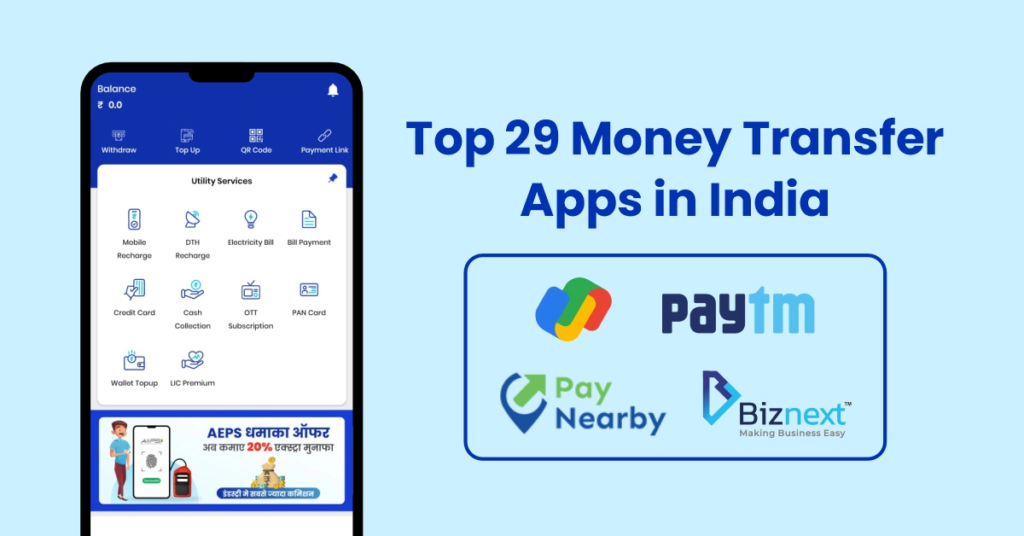
Many banks and payment providers offer apps that allow users to review transactions, make payments, and manage account services. In India, users may also use supported UPI payment apps for everyday transactions.
These apps can make daily payments more convenient, but users should remain careful about security and unauthorized requests.
Good practices include:
- Use official apps from trusted sources
- Never share OTPs, PINs, or passwords
- Enable available security features
- Check transaction details before confirming
- Review account activity regularly
Payment apps are useful for transactions, but they may not replace a complete budgeting or financial planning tool.
8. Zoho Books – Finance Management for Small Businesses
Zoho Books is an accounting platform designed for businesses. It can help users manage invoices, expenses, financial records, and accounting workflows.
Freelancers and small business owners may find accounting software useful when personal expense tracking is no longer enough.
Key features may include:
- Invoicing
- Expense recording
- Financial reports
- Tax-related workflows
- Customer and vendor records
Features and compliance support vary by plan and region. Businesses should confirm local requirements and product details before relying on accounting software.
Finance Tools Comparison Table
| Tool | Best For | Main Use | Cost Consideration |
|---|---|---|---|
| YNAB | Structured budgeting | Planning income and expenses | Subscription may apply |
| PocketGuard | Spending overview | Budget and expense insights | Check current plans |
| Goodbudget | Envelope budgeting | Category-based spending plans | Free and paid options may vary |
| Google Sheets | Flexible tracking | Custom budgets and records | Basic use may be free |
| Calculator.net | Financial estimates | Loans and savings calculations | Many calculators are free |
| Bank apps | Daily transactions | Payments and account services | Depends on provider |
| Zoho Books | Small businesses | Invoicing and accounting | Plans vary |
How Finance Tools Can Improve Money Management
Finance tools are most useful when they support consistent habits. They can help users understand their financial position and make planning easier.
Track Income and Expenses
Start by recording the money you receive and the money you spend. Categorizing expenses can help identify areas where spending may be higher than expected.
For example, reviewing monthly food, transport, and subscription costs may reveal opportunities to adjust your budget.
Create a Realistic Budget
A budget is a plan for how money will be used. It should include essential expenses, savings, debt payments, and discretionary spending.
Avoid creating a budget that is too restrictive to maintain. A practical plan is more useful than a perfect plan that is abandoned after a few days.
Set Clear Savings Goals
A savings goal can be easier to manage when it has a specific purpose and timeline. Examples include building an emergency fund, planning a trip, or saving for education.
A savings calculator can help estimate how regular contributions may add up over time. Actual results depend on factors such as interest rates, fees, and the frequency of contributions.
Review Recurring Payments
Subscriptions, memberships, and recurring bills can gradually increase monthly expenses. Use a finance tool or calendar to record payment dates and review whether each service is still needed.
Build an Emergency Fund
An emergency fund is money set aside for unexpected expenses. A budgeting tool can help track progress toward this goal and separate emergency savings from everyday spending.
The right amount depends on individual circumstances, income stability, and essential costs.
How to Choose the Right Finance Tool
Choosing a finance tool should begin with a clear understanding of your needs.
Identify Your Main Financial Goal
If your goal is to control spending, an expense tracker may be enough. If you want to manage a household budget, a shared budgeting tool may be more suitable. Business owners may need accounting software.
Check Security and Privacy
Financial information is sensitive. Before connecting an account or entering personal details, review the provider’s privacy policy, security practices, and data access permissions.
Avoid sharing passwords, OTPs, or banking PINs with third parties.
Consider Ease of Use
A tool should be simple enough to use consistently. A complicated dashboard may become difficult to maintain, especially if you only need basic expense tracking.
Review Fees and Features
Some tools offer free versions with limited features, while others require subscriptions. Compare the features you actually need instead of paying for unnecessary services.
Check Regional Availability
Some finance apps and account integrations may only work in selected countries. Confirm availability, supported banks, currencies, and local features before choosing a platform.
Common Mistakes to Avoid When Using Finance Tools
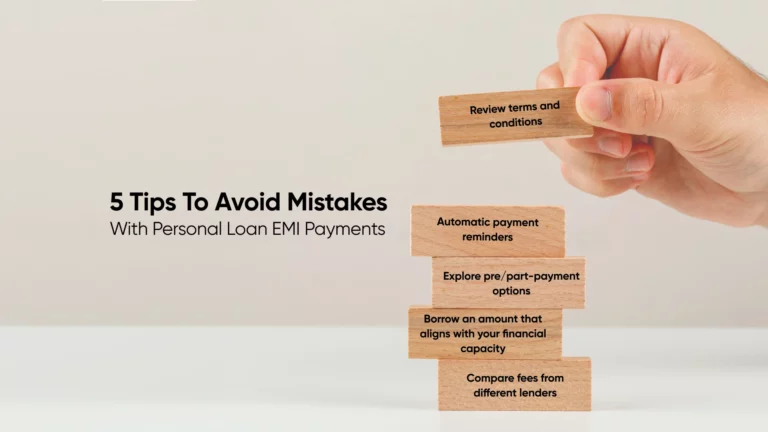
- Not updating financial records: Outdated information can make a budget less useful.
- Using too many apps: Multiple tools can create confusion and duplicate records.
- Ignoring security settings: Protect financial data with strong passwords and available security options.
- Treating estimates as guarantees: Calculator results may not reflect actual fees or financial product terms.
- Forgetting to review goals: Financial plans should be updated as circumstances change.
- Relying only on automation: Automated categorization can make mistakes, so review important transactions.

The Best Online Marketing Strategies for Beginners
When I first started trying to promote my small creative project online a few years…
The Best Free Photo Editing Tools in 2026 for Better Photos
For years, I honestly believed that if my photos didn’t look like magazine covers, the…

Tool Reviews 2026: Discover the Best Digital Tools
The modern digital world moves fast. Whether you are running a small online business, writing…

Best Free Project Management Tools for Teams in 2026
Keeping a team organized can feel like trying to herd cats. Whether you are building…

Best Finance Tools in 2026: Manage Your Money Smarter
Managing money is not always as simple as earning, spending, and saving. Between monthly bills,…
The Best Workflow Tools for Small Businesses, Teams, and Freelancers
Managing multiple projects, deadlines, client requests, and daily tasks can become challenging when everything is…