Marketing is one of the most important elements of business growth. It helps businesses introduce their products and services, connect with potential customers, build brand awareness, and develop long-term relationships with their audiences. In an increasingly digital world, marketing is no longer limited to advertisements or promotional campaigns. It combines creativity, communication, customer understanding, technology, and data-driven decision-making.
In 2026, marketing continues to evolve as businesses explore digital platforms, artificial intelligence, personalized communication, content creation, and interactive customer experiences. Consumers have access to more information than ever before, making it essential for brands to deliver meaningful, useful, and engaging content.
Whether a business is a startup, an established company, an online store, or a personal brand, an effective marketing strategy can help it stand out in a competitive marketplace. Understanding customer needs and choosing the right promotional channels are essential steps toward achieving sustainable growth.
What Is Marketing and Why Does It Matter?
Marketing is the process of understanding customer needs and communicating the value of a product, service, or brand. It includes activities such as market research, branding, advertising, content creation, pricing, promotion, and customer relationship management.
A successful marketing strategy focuses on more than simply selling. It helps businesses create awareness, establish trust, and provide customers with reasons to choose their offerings.
Key Objectives of Marketing
- Brand awareness: Helping people recognize and remember a business.
- Customer acquisition: Attracting new customers through relevant campaigns.
- Customer engagement: Encouraging meaningful interactions with audiences.
- Lead generation: Identifying potential buyers interested in products or services.
- Customer retention: Building relationships that encourage repeat purchases.
- Business growth: Supporting revenue generation and long-term development.
- Market positioning: Establishing a clear identity in a competitive industry.
Marketing connects businesses with the people who are most likely to benefit from their products or services.
Major Marketing Trends Shaping 2026
1. Digital Marketing and Online Visibility
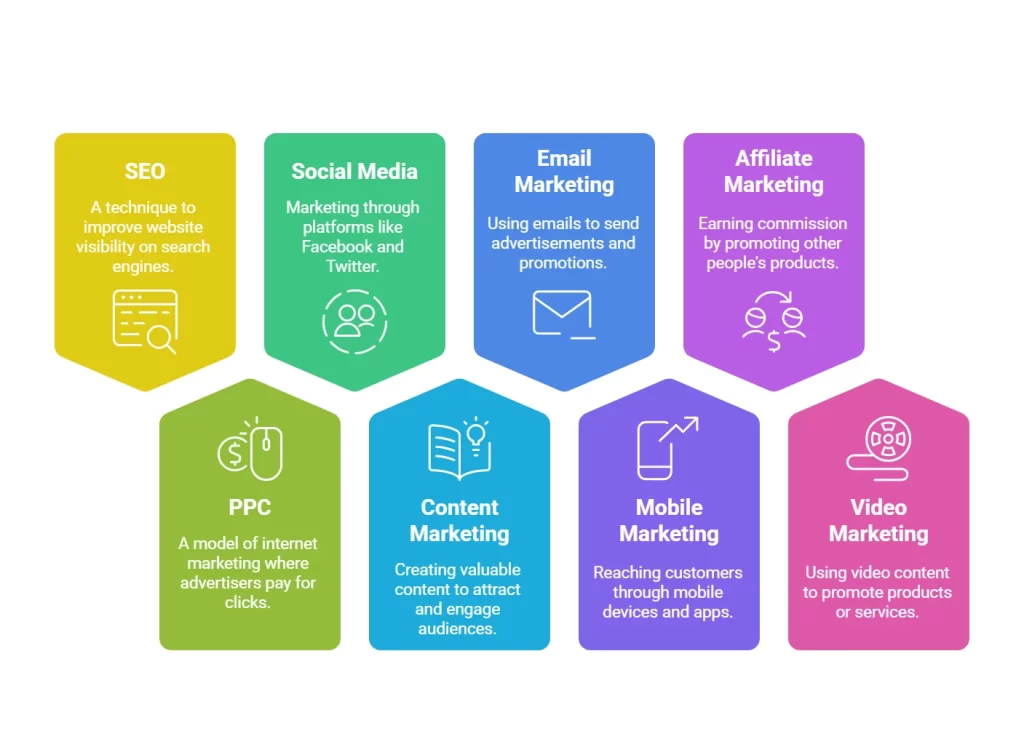
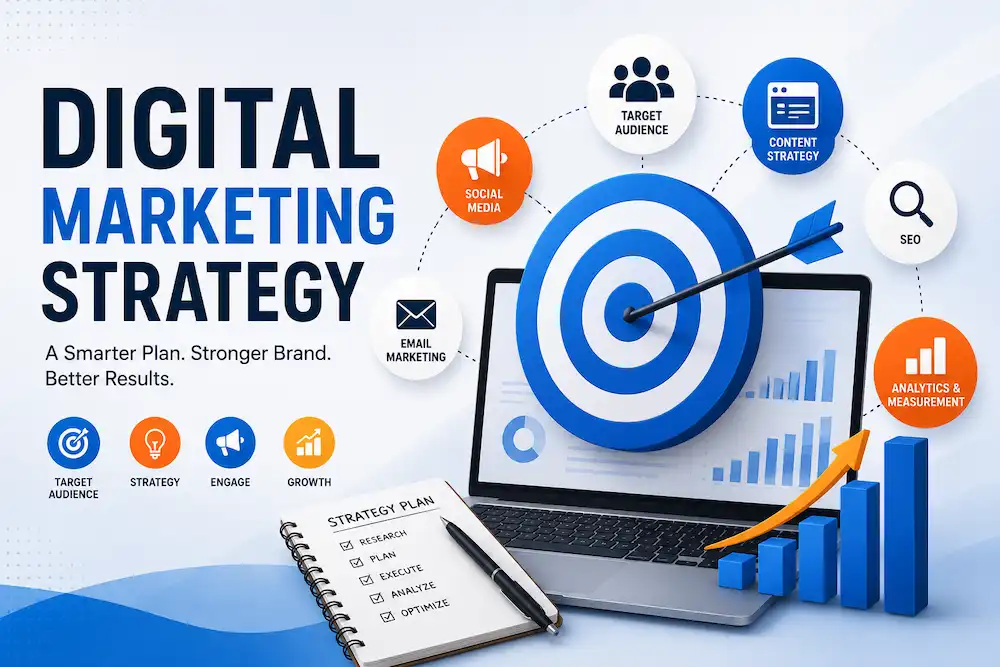
Digital marketing has become a central part of modern business communication. Companies use online channels to reach customers, share information, promote products, and create brand experiences.
Websites, search engines, social media platforms, email campaigns, and digital advertisements provide businesses with multiple opportunities to connect with audiences.
Digital marketing also offers the ability to measure campaign performance. Businesses can analyze website visits, engagement rates, conversions, and other indicators to understand how their marketing efforts are performing.
| Digital Marketing Channel | Primary Purpose |
|---|---|
| Search Engine Optimization (SEO) | Improve organic visibility in search results |
| Social Media Marketing | Build awareness and audience engagement |
| Email Marketing | Communicate directly with subscribers |
| Content Marketing | Educate and attract potential customers |
| Paid Advertising | Reach targeted audiences through campaigns |
| Affiliate Marketing | Promote products through external partners |
| Influencer Marketing | Connect with audiences through creators |
Choosing the right channels depends on the target audience, business objectives, budget, and type of product or service.
2. AI-Powered Marketing
Artificial intelligence is influencing how businesses research audiences, develop content, analyze campaign performance, and automate repetitive tasks.
AI-powered marketing tools can assist with brainstorming, customer segmentation, content outlines, chatbot interactions, data analysis, and campaign planning. These technologies can help marketers work more efficiently while allowing more time for creative and strategic activities.
However, AI-generated content should be reviewed for accuracy, originality, relevance, and brand voice. Human judgment remains important when creating meaningful customer experiences.
Important AI marketing applications:
- Generating content ideas and campaign concepts.
- Analyzing customer behavior patterns.
- Supporting personalized email communication.
- Assisting with customer service chatbots.
- Organizing marketing data.
- Helping marketers test different campaign messages.
AI is most effective when it supports a well-defined marketing strategy rather than replacing customer understanding.
3. Content Marketing and Storytelling

Content marketing focuses on creating valuable and relevant information to attract and engage a target audience. Instead of relying only on promotional messages, businesses provide content that answers questions, solves problems, or inspires customers.
Blogs, videos, social media posts, newsletters, guides, infographics, and podcasts are common content marketing formats.
Storytelling can make content more memorable by communicating a brand’s purpose, values, and customer experiences. A compelling story helps audiences understand not only what a business offers but also why it matters.
| Content Format | Marketing Benefit |
|---|---|
| Blog articles | Provide useful information and support SEO |
| Short-form videos | Capture attention and encourage engagement |
| Infographics | Present information visually |
| Email newsletters | Maintain communication with subscribers |
| Case studies | Demonstrate real-world value |
| Podcasts | Build audience connection through discussions |
| Tutorials | Help customers understand products or services |
Effective content marketing prioritizes usefulness, consistency, and audience relevance.
Essential Marketing Strategies for Business Growth
1. Understand Your Target Audience
A marketing campaign becomes more effective when a business understands who it wants to reach. Target audience research helps marketers identify customer interests, preferences, challenges, purchasing behavior, and expectations.
Businesses can use surveys, customer feedback, market research, website analytics, and social media insights to develop a clearer audience profile.
Audience research pointers:
- Identify the age range and general characteristics of your customers.
- Understand their needs and common challenges.
- Explore where they spend time online.
- Analyze their purchasing preferences.
- Study customer feedback and frequently asked questions.
- Avoid making assumptions without supporting information.
A clear understanding of the audience helps businesses create more relevant messages and choose suitable promotional channels.
2. Build a Strong Brand Identity
Branding helps a business communicate its personality and establish recognition. A strong brand identity includes visual elements, messaging, values, tone of voice, and customer experience.
A consistent brand makes it easier for customers to recognize a business across different platforms. From website design and social media posts to product packaging and email communication, consistency supports a professional image.
| Branding Element | Importance |
|---|---|
| Brand name | Creates identity and recognition |
| Logo | Provides a visual symbol |
| Brand colors | Establish a consistent appearance |
| Tone of voice | Shapes communication style |
| Brand message | Explains the business value |
| Customer experience | Influences trust and loyalty |
A brand should be distinctive, authentic, and aligned with the expectations of its audience.
3. Use Social Media Marketing Effectively
Social media platforms allow businesses to interact with customers, share content, promote offerings, and develop online communities.
A successful social media strategy requires more than frequent posting. It should focus on delivering relevant content, maintaining consistency, responding to audiences, and evaluating performance.
Businesses can use a mix of educational posts, entertaining videos, product demonstrations, customer stories, behind-the-scenes content, and interactive formats.
Social media marketing pointers:
- Select platforms that match your target audience.
- Maintain a consistent posting schedule.
- Use engaging visuals and clear messages.
- Respond to comments and customer questions.
- Test different content formats.
- Track engagement and conversion performance.
- Avoid relying entirely on follower counts.
Meaningful engagement and relevant content can be more valuable than simply accumulating a large audience.
4. Personalization and Customer Engagement
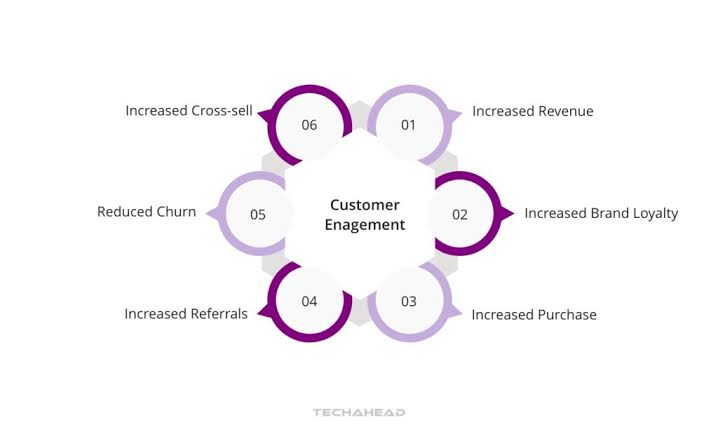
Personalized marketing involves delivering relevant messages, recommendations, and experiences based on customer preferences or behavior. It can make communication more useful and help customers discover products or services that match their needs.
Examples include personalized email recommendations, relevant product suggestions, customized offers, and segmented newsletters.
Personalization should be transparent and respectful of customer privacy. Businesses must handle customer information responsibly and avoid using personal data in ways that feel intrusive.
Customer engagement also involves listening to feedback, answering questions, and making interactions convenient.
Marketing Metrics That Help Measure Success
Marketing performance should be evaluated using measurable indicators. These metrics help businesses understand whether their campaigns are achieving their objectives.
| Marketing Metric | What It Measures |
|---|---|
| Reach | Number of people exposed to content |
| Impressions | Total number of content displays |
| Engagement Rate | Audience interactions relative to a defined base |
| Click-Through Rate (CTR) | Percentage of people who click a link or ad |
| Conversion Rate | Percentage completing a desired action |
| Cost Per Lead (CPL) | Cost of generating a lead |
| Return on Investment (ROI) | Value generated compared with investment |
| Customer Retention Rate | Ability to retain customers over time |
Metrics should be selected according to campaign goals. For example, a brand awareness campaign may focus on reach, while a lead generation campaign may prioritize qualified leads and conversion rates.
Common Marketing Mistakes to Avoid
Even well-planned campaigns can face challenges when businesses overlook important marketing principles.
Mistakes That Can Reduce Marketing Effectiveness
- Ignoring customer needs: Promoting products without understanding the audience.
- Inconsistent branding: Using different messages and visuals across platforms.
- Overpromotional content: Focusing entirely on sales instead of providing value.
- Lack of planning: Publishing content without a clear strategy.
- Ignoring analytics: Failing to evaluate campaign performance.
- Unrealistic expectations: Expecting immediate results from every campaign.
- Poor communication: Not responding to customer questions or feedback.
- Misleading claims: Making promises that products or services cannot deliver.
Avoiding these mistakes can help businesses build more trustworthy and sustainable marketing practices.
How to Create an Effective Marketing Plan
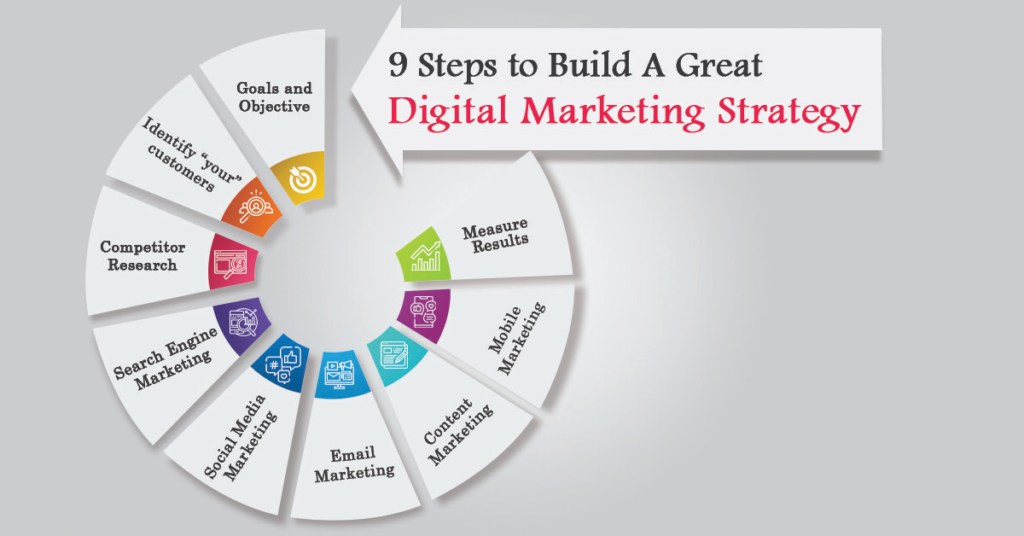
A marketing plan provides structure and direction for promotional activities. It helps businesses coordinate campaigns, manage resources, and evaluate progress.
Step 1: Define Clear Goals
Identify what the business wants to achieve, such as improving brand awareness, generating leads, increasing sales, or retaining customers.
Step 2: Research the Market
Study competitors, customer expectations, industry trends, and opportunities for differentiation.
Step 3: Select Marketing Channels
Choose platforms that align with the target audience and campaign objectives.
Step 4: Develop Relevant Content
Create content that communicates value, answers customer questions, and supports the brand message.
Step 5: Set a Budget
Allocate resources for content production, advertising, tools, and campaign management.
Step 6: Monitor Performance
Track relevant metrics and compare results against the original goals.
Step 7: Optimize the Strategy
Use campaign insights to improve messaging, targeting, content, and channel selection.
Marketing plans should remain flexible because audience behavior, market conditions, and business priorities can change.
Marketing in 2026 is about creating meaningful connections between businesses and customers. Digital channels, AI-powered tools, content marketing, social media, branding, and personalized communication are providing new ways to reach audiences and support business growth.
However, successful marketing still depends on understanding customer needs, delivering genuine value, maintaining trust, and communicating consistently. Technology can improve efficiency, but creativity, strategy, and human insight remain essential.
Businesses that combine thoughtful planning with continuous learning can develop stronger marketing campaigns and more lasting customer relationships. Whether promoting a new product, building a brand, or expanding an online presence, effective marketing begins with a clear purpose and a customer-focused approach.
Frequently Asked Questions (FAQs)
1. What is marketing?
Marketing is the process of understanding customer needs and promoting products, services, or brands through relevant communication and strategies.
2. What are the major types of marketing?
Major types include digital marketing, content marketing, social media marketing, email marketing, influencer marketing, affiliate marketing, and traditional marketing.
3. Why is digital marketing important?
Digital marketing helps businesses reach online audiences, improve visibility, measure campaign performance, and communicate with potential customers.
4. How does AI help in marketing?
AI can support content creation, audience analysis, personalization, campaign optimization, and repetitive marketing tasks.
5. What is content marketing?
Content marketing involves creating useful and relevant content to attract, educate, engage, and retain a target audience.