
We’ve all experienced that mild jolt of panic around the 20th of the month. You open your banking app, stare at a balance Financial that is significantly lower than you thought it would be, and rack your brain trying to figure out what happened. You work hard, you pull in a decent paycheck, and you aren’t out here buying luxury cars or designer clothes. Yet, somehow, your money seems to evaporate into thin air every single month.
Between surging grocery bills, skyrocketing rent, and that sneaky army of $9.99 monthly streaming subscriptions you forgot you signed up for, losing track of your cash flow has never been easier.
When you feel financially adrift, the standard advice is always the same, yelled at you by finger-wagging internet gurus: “Stop buying lattes! Cut out your morning avocado toast! Live like a monk!”
But let’s be real—that restrictive, shame-based approach to money is completely exhausting. It treats personal finance like a punishment.
True budgeting isn’t about depriving yourself of joy or living on a spreadsheet of bread and water. It is simply about data and intentionality. It is about taking off the blindfold, looking at your numbers without judgment, and giving every single dollar a specific job so your money actually supports the life you want to build.
The Mental Shift: Budgeting is Freedom, Not a Cage
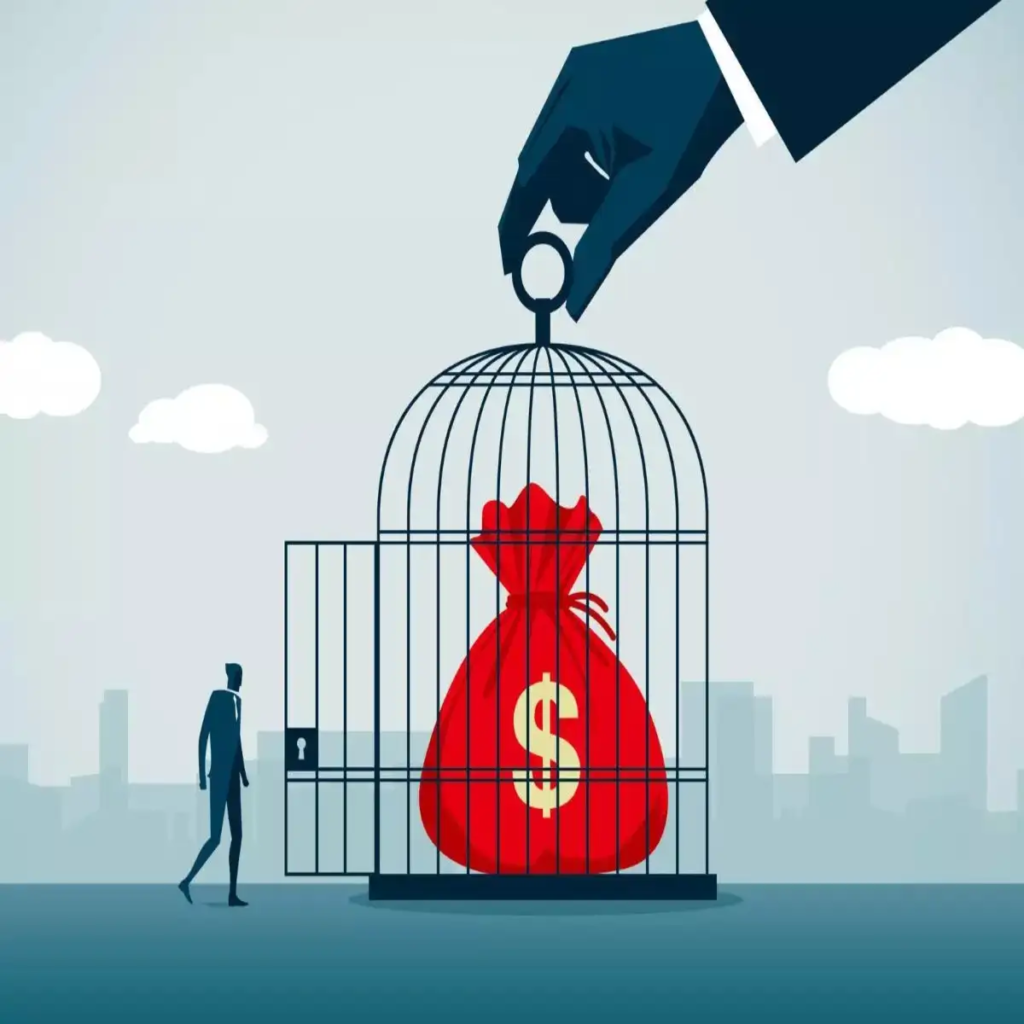
In reality, the exact opposite is true. A budget doesn’t tell you that you can’t spend money; it gives you permission to spend it guilt-free. When your fixed costs are covered and your savings goals are automated, that remaining discretionary cash is yours to blow on dinners out or concert tickets with zero lingering anxiety.
Clarity completely neutralizes financial stress. Instead of crossing your fingers at the checkout counter and hoping your card doesn’t get declined, you move through the world with total confidence because you already know exactly where you stand.
There is no single “perfect” budgeting system, because human brains process data differently. The best budgeting tool on earth isn’t the most expensive or the most technologically advanced—it is simply the one you don’t mind opening every Sunday afternoon.
The main reason people avoid looking at their bank accounts is sheer avoidance. We assume a budget will feel like a financial prison sentence.
Digital Budgeting Apps (The Set-It-and-Forget-It Route)
If the mere thought of entering numbers manually makes you break out in hives, modern budgeting apps are a lifesaver. By securely syncing directly to your bank accounts and credit cards, these platforms automatically pull your transactions and categorize them for you.

- The Big Picture: At a glance, you can see exactly what percentage of your income went to rent, dining out, or gas this month through clean, visual pie charts.
- The Catch: Automated categorization isn’t flawless. Sometimes the app mistakes a local coffee shop for a hardware store, requiring you to step in and do a little manual cleanup.
Custom Spreadsheets (The Control Freak’s Dream)

For those who want total control over their data without a third-party app tracking their moves, the humble spreadsheet remains undefeated. Whether you use Excel or Google Sheets, building your own template forces an incredible level of financial awareness.
When you manually type in your expenses at the end of every week, you are forced to confront your spending habits in real time. It cuts through denial like nothing else. You can customize formulas to track debt repayment color-coded timelines or forecast your savings trajectory five years into the future.
The Envelope System (The Ultimate Guardrail)

If you consistently overspend in specific categories—like grocery shopping or weekend socializing—the envelope system is the ultimate behavioral circuit breaker.
| The Category | The Old-School Way | The Digital Modern Way |
|---|---|---|
| Dining Out / Driscretionary | Put $200 in cash into a physical paper envelope labeled “Food.” | Allocate $200 to a specific digital “sub-account” or virtual envelope. |
| The Spending Boundary | When the envelope is empty, you cook at home until next month. | Freeze the digital card assigned to that specific bucket once it hits zero. |
By separating your money into distinct visual containers before the month even begins, you prevent your variable expenses from quietly eating into your rent or utility cash. It forces you to make conscious trade-offs in real time.
Expense Tracking vs. Budgeting: Know the Difference
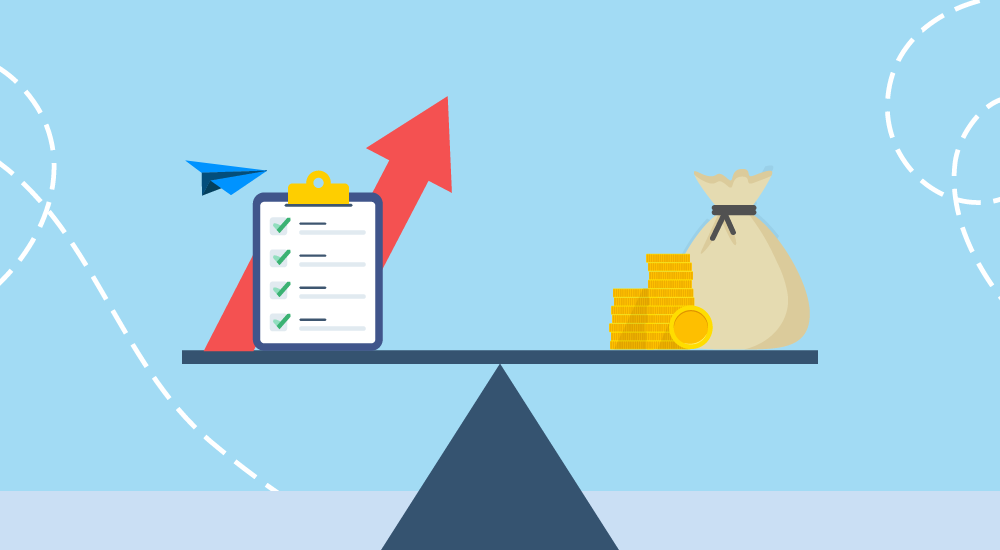
Many people think they are budgeting when they are actually just tracking expenses.
- Expense tracking is backward-looking. It’s like looking in the rearview mirror to see where you’ve already driven. It tells you, “Wow, I spent $400 on Uber Eats last month.”
- Budgeting is forward-looking. It’s looking through the windshield to decide where you want to go. It says, “I am choosing to allocate $150 to takeout this month, and the rest is going toward my flight ticket.”
Tracking your expenses is a brilliant first step because it exposes your blind spots and forgotten recurring subscriptions. But to actually change your financial future, you have to transition from merely observing your past mistakes to actively directing your future dollars.
Turning Big, Intimidating Financial Goals Into Micro-Milestones

Trying to save $10,000 for an emergency fund or a down payment can feel completely overwhelming when you are starting from zero. It feels so far away that you might be tempted to give up entirely and just buy a new pair of shoes instead.
The trick is to use dedicated goal-tracking tools to gamify the process. Break that massive, terrifying mountain down into bite-sized, monthly hills. Saving $400 a month feels infinitely more achievable than staring down a five-figure gap.
Many modern banking platforms allow you to create separate visual “vaults” or “buckets” within a single savings account. Watching a digital progress bar slowly fill up as you automate a tiny portion of every paycheck provides a genuine hit of dopamine. It transforms saving from an abstract chore into a tangible, motivating game.
Money Dynamics: Budgeting for Households

If you are managing finances with a partner or running a family household, budgeting is no longer just a math problem—it’s a communication exercise. Money is famously one of the leading causes of friction in relationships, usually because both people have entirely different psychological blueprints around spending and saving.
Using a shared household budgeting tool takes the emotion out of the conversation. It shifts the dynamic from “Why did you spend that money?” to “Let’s look at what our dashboard says we have available for this category.”
Sit down together once a month for a low-stress “money date.” Order food, pour a drink, and review the numbers together. Track your shared fixed costs—like mortgages, childcare, utilities, and groceries—and make sure both individuals still have a designated bucket of “personal play money” that they can spend completely unaccountably. Healthy financial relationships are built on a foundation of radical transparency mixed with personal autonomy.
The Best Tool is the One You Actually Use

You don’t need a degree in finance or a hyper-complex piece of accounting software to master your money. If a beautifully bound paper notebook and a pen make you feel grounded and organized, use that. If a sleek app that sends you weekly push notifications keeps you on track, use that.
Drop the pressure to create a flawless, permanent financial blueprint on day one. Your budget is a living, breathing document. It should flex and change depending on the season of life you are in—whether you’re aggressively crushing debt, saving for a wedding, or intentionally loosening the reins during a vacation month.
Stop letting your money make decisions for you behind your back. Pick a tool, start tracking tomorrow, and take control of your financial narrative. What is one tiny expense category you can look into tonight to start tipping the scales back in your favor?
FAQs
1. What is the best budgeting tool for beginners?
A simple budgeting app or spreadsheet is a great way to start managing your finances.
2. How do budgeting tools help with financial success?
They track income, expenses, savings, and spending habits to improve money management.
3. Are free budgeting tools effective?
Yes, many free budgeting tools offer useful features for tracking expenses and creating budgets.
4. How often should I update my budget?
Review and update your budget weekly or monthly to stay on track with your financial goals.
5. Can budgeting tools help me save more money?
Yes, they help identify unnecessary expenses and encourage consistent saving habits.