
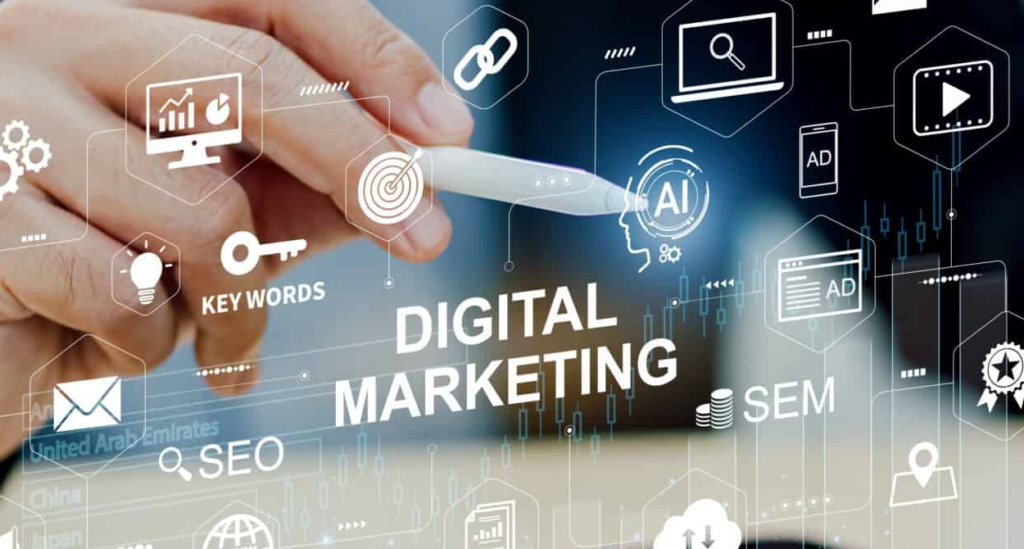
The baseline for survival in the digital marketplace has fundamentally shifted. We have officially outgrown the days when a brand could float by on a surface-level strategy—bidding on a handful of obvious keywords, blasting an identical, generic newsletter to a massive email database, or scheduling automated social media posts just to keep a profile active. Today’s digital landscape is highly sophisticated, intensely crowded, and moving at a relentless pace.
True visibility is no longer a matter of who has the biggest budget or the loudest megaphone. Instead, the brands that are actually scaling and sustaining growth are those that have learned a delicate balancing act: pairing cutting-edge artificial intelligence and hard data analytics with deeply human elements like raw storytelling and genuine, unforced community building. If your goal is to cut through the digital static, you have to look past the individual tools and understand how these pieces connect on a human level.
Moving From AI Novelty to Day-to-Day Infrastructure
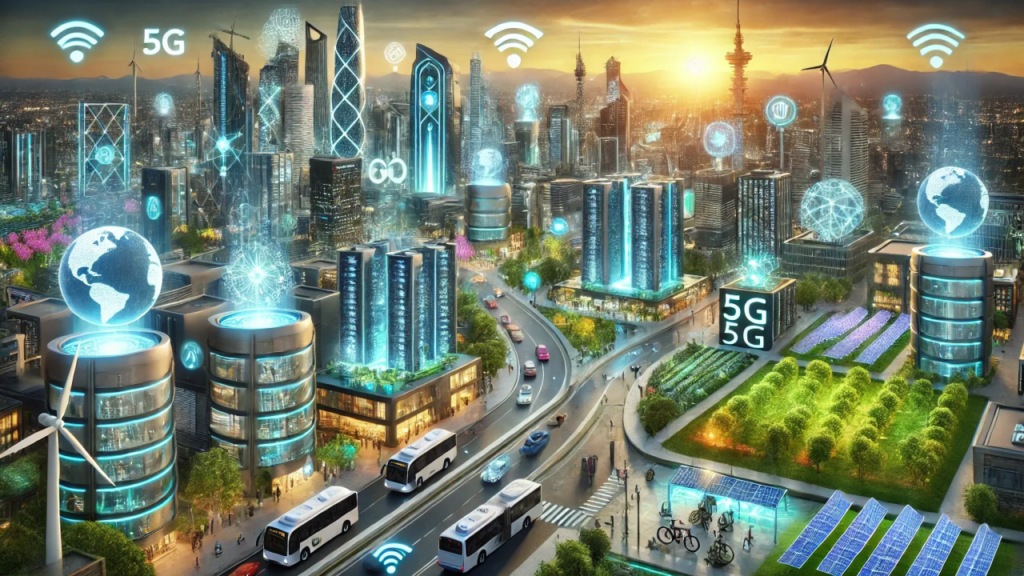
Artificial intelligence has quietly transitioned from a buzzy trend into the fundamental backbone of modern marketing infrastructure. The conversation has completely evolved past simple, predictable text generators or rigid, rules-based automation tools. The systems moving the needle right now are highly contextual machine learning networks capable of interpreting chaotic consumer signals and clarifying operational next steps long before a trend becomes obvious.
[Real-World Signal] ---> [Contextual AI Processing] ---> [Dynamic Customer Touchpoint]
                                                                  |
                                                                  v
                                                       [True Brand Alignment]
This change has entirely transformed the daily reality of marketing teams. For a long time, launching a new marketing initiative required an immense amount of educated guesswork. Teams would sit in conference rooms for weeks, draft rigid buyer personas based on outdated demographics, guess what message might work, and then spend a large portion of their budget testing those theories over several months.
In 2026, that heavy reliance on corporate guesswork is obsolete. Marketers are utilizing predictive analytics systems to understand customer intent with incredible clarity. By evaluating real-time indicators—such as subtle engagement patterns on a specific web page or evolving search vocabulary across platforms—these tools adapt individual digital experiences on the fly.
If someone explores a website, they aren’t hit with a generic, repetitive banner ad an hour later. Instead, they interact with targeted, contextual touchpoints that highlight the exact solution they were exploring, framed in a way that matches their specific needs. This level of immediate responsiveness doesn’t just drive up conversion metrics; it improves the consumer experience by removing the friction of tone-deaf, irrelevant advertising.
The Shift in Content: Human Insight vs. Pure Algorithm Play
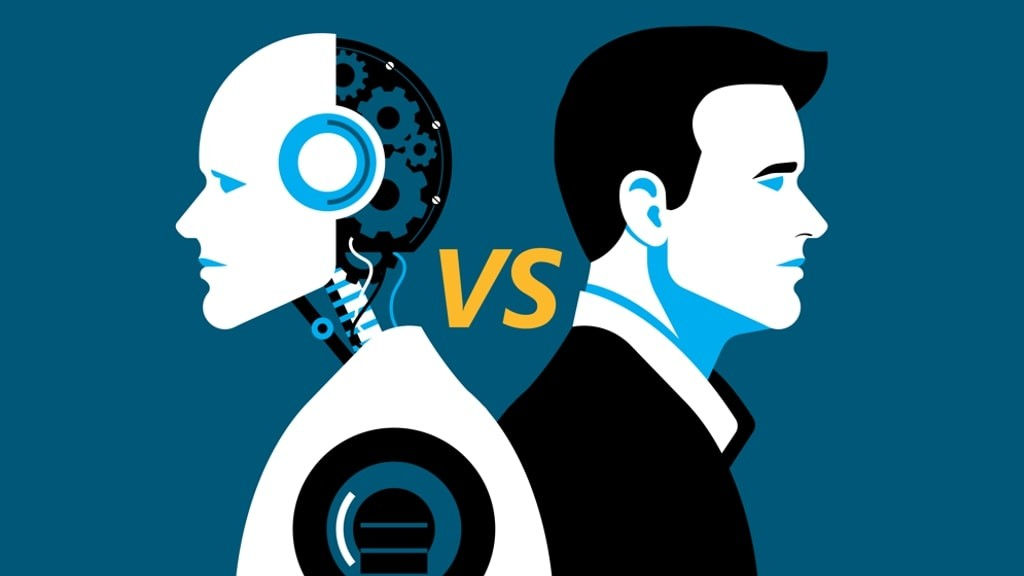
Despite the massive influx of automated tools and machine-generated text, content remains the true foundation of digital marketing. However, the standard for what constitutes “good content” has been completely rewritten. For years, content creation was treated as a pure volume play. Companies focused heavily on pumping out thousands of words of search-engine-optimized filler, stuffing keywords into subheadings, and writing strictly for web crawlers rather than real people.
Those programmatic days are firmly behind us. Modern search systems and social platform algorithms have been meticulously updated to favor deep user intent, clear structural value, and authentic first-hand perspective.
“Audiences have developed an incredibly sharp radar for generic, automated fluff. In an online world increasingly crowded with synthetic text, genuine human perspective has become the ultimate differentiator.”
Modern content strategy is entirely about addressing complex problems and establishing authentic trust. Whether you are producing an intricate technical breakdown, an unscripted episodic podcast, or a interactive digital guide, the focus has moved from how frequently you hit publish to how deeply you understand the real-world friction your audience faces.
The brands finding the most traction are moving away from sterile, top-down corporate announcements and leaning into genuine narrative. They are pulling back the curtain on product failures, sharing the unedited realities of their development cycles, and letting real human voices lead the conversation. This transparency creates actual emotional equity that algorithms simply cannot replicate.
Short-Form Video: Connecting Through Raw Engagement
If you want to understand where consumer attention is concentrated, look at the short-form video ecosystem. Platforms like YouTube Shorts, Instagram Reels, and TikTok have completely rewired the ways people process information, evaluate brands, and make purchasing decisions. The modern digital attention span adapts quickly to a rapid-fire world, and organizations that cannot articulate their value within the first few seconds of a video quickly fade into irrelevance.
+------------------------+-----------------------------------------------------------+
| Content Approach       | Why It Resonates with Audiences                           |
+------------------------+-----------------------------------------------------------+
| Unpolished Demos       | Shows the product working in a real, unedited environment.|
| Micro-Insights         | Skips the long intro to deliver value under 60 seconds.  |
| Direct Founder Updates | Replaces corporate filters with direct accountability.    |
+------------------------+-----------------------------------------------------------+
The primary misstep traditional companies make when stepping into short-form video is treating it like legacy television advertising. They pour massive portions of their budget into highly polished, over-produced commercial spots that feel rigid, clinical, and corporate. On a modern social feed, that glossy, high-production look acts as an immediate psychological warning sign—users instantly swipe past it because it screams “advertisement.”
The videos that actually drive revenue and build loyalty are raw, native, and inherently authentic. They trade heavy studio gear for a smartphone camera and spontaneous, real-world footage. Successful brands use these brief windows to demonstrate a product working in real time, unpack a single complex concept in under a minute, or share an unscripted customer reaction. The ultimate goal is to break down the corporate barrier and speak to the viewer like a peer, offering immediate utility or entertainment before they scroll away.
Conversational SEO: Aligning with Natural Human Speech


The methodology behind online information gathering has undergone a massive, structural transformation. For decades, search engine optimization was built entirely around fragmented, highly artificial phrases. If a consumer was looking for durable footwear, they would sit at a desktop computer and type a disjointed string like “best running shoes 2023.”
With the mainstream adoption of advanced smart home devices, voice-activated assistants, and conversational AI search engines, people no longer think or search in fragments. They search using the exact same natural language patterns they use when speaking to a trusted friend.
Instead of typing shorthand keywords, a modern buyer will simply ask their device: “Hey, what are the most durable running shoes for someone with high arches who runs mostly on concrete?”
[Legacy Keyword Focus]  ---> "best running shoes" (Fragmented, Disjointed)
[Conversational Focus] ---> "What are the best shoes for running on concrete?" (Natural, Narrative)
This evolution toward conversational query patterns means that traditional keyword stuffing is entirely obsolete. To maintain organic visibility, your digital assets must be structured for natural language processing and long-tail intent. Marketing teams are completely reorganizing their digital footprints to mirror actual human dialogue. This means building deep, intuitive FAQ structures, producing content that directly answers highly specific situational questions, and adopting an approachable tone that flows naturally when read aloud. SEO is no longer about trying to outsmart a computer algorithm; it is about building a comprehensive repository of genuinely helpful answers for real-world scenarios.
The Shift in Social Media: Building Communities Over Tracking Followers



For a long time, the dominant metric of success across social platforms was a collection of vanity numbers—specifically, total follower counts. Brands spent massive budgets running broad campaign strategies designed to inflate these numbers, operating under the assumption that a massive follower base automatically translated to sustainable market influence.
In the current ecosystem, the concept of a passive follower is functionally meaningless. Platform algorithms have shifted definitively away from social graphs (showing you content simply because you follow an account) and toward interest graphs (delivering content based entirely on your immediate, real-time behavior). This means every single piece of content a brand produces must earn its distribution completely on its own merits.
To adapt to this algorithmic shift, businesses are moving away from broad, broadcast-style messaging and focusing on hyper-segmented groups and deep community building. Instead of using a social profile as a megaphone to blast corporate announcements, smart brands are building interactive, closed ecosystems. They are leveraging private community hubs, hosting interactive live Q&As, and collaborating on product designs directly with their user base.
By separating their audience into distinct, highly specific sub-segments, they can deliver content buckets designed for explicit interests. The core objective is no longer to amass a large, disengaged following, but to cultivate a passionate, tightly knit group of advocates who feel true personal alignment with the brand’s worldview.
Grounding Creative Choices in Concrete Insights

The era of making major marketing investments based solely on a vague “gut feeling” or an executive’s creative whim is firmly over. In a highly competitive, fast-moving market, operating on guesswork is simply a liability. Every impactful modern marketing campaign is anchored in real-time, objective data analytics.
Modern growth teams utilize multi-touch attribution software to map the complete lifecycle of a customer’s interaction across different devices and touchpoints. If a consumer encounters a raw video on their phone during a morning commute, reads an authentic blog post on their laptop during lunch, and eventually completes a purchase via an email link days later, modern tracking frameworks can visualize that entire journey.
  [Discovery Video] ---> [Deep-Dive Article] ---> [Direct Email Link] ---> [Conversion]
  \_________________________________________________________________________________/
                       Comprehensive Multi-Touch Attribution Mapping
This clear level of operational visibility allows companies to allocate their marketing budgets with incredible efficiency. Instead of wondering which specific platform is actually driving revenue, businesses can pinpoint exactly which creative formats, message styles, and content pieces are connecting with buyers. This allows teams to quickly sunset underperforming initiatives and reinvest capital directly into the exact spaces that generate real return. Marketing has evolved from an unpredictable artistic gamble into a precise, measurable study of human behavior.
Balancing Tech Infrastructure with Human Soul
As we look at the trajectory of digital communication, the overarching theme is not a forced choice between technology and humanity, but rather a seamless integration of both. The systems, predictive tools, and automated workflows are incredibly powerful assets, but they are ultimately just infrastructure.
The most sophisticated AI model or the most optimized data pipeline will fail completely if the core message it delivers feels cold, robotic, or transactional. The future belongs to the brands that use technology to manage the heavy lifting of backend distribution, tracking, and scaling, while intentionally reserving their human energy for empathy, real creative expression, and cultivating authentic relationships. The digital tools will undoubtedly continue to evolve at a rapid speed, but the true core of marketing remains entirely unchanged: understanding human needs and creating genuine, lasting value.
FAQ’s
1. What are the top digital marketing strategies in 2026?
AI marketing, video content, SEO, personalization, and automation are the top strategies.
2. Why is AI important in digital marketing?
AI helps analyze data, personalize content, and improve campaign performance.
3. Is content marketing still effective in 2026?
Yes, high-quality and valuable content is still one of the most powerful marketing tools.
4. How important is video marketing now?
Short-form video is very important for engagement and brand visibility.
5. What is the future of SEO in 2026?
SEO is becoming more conversational, focusing on voice search and user intent.