

Financial success rarely happens by accident. It is built through thoughtful decisions, consistent habits, and the Top Financial Planning Tools that help people understand where their money goes and where it should grow. As we move through 2026, financial planning has become easier than ever thanks to modern technology. Whether you are saving for your first home, preparing for retirement, paying off debt, or simply trying to create a better monthly budget, using the Top Financial Planning Tools can make every financial decision more confident, organized, and informed.
Many people believe financial planning is only for wealthy individuals or investment experts. In reality, everyone benefits from understanding their finances. Just like a gardener cares for every plant with patience and attention, your money also grows best when it receives consistent care. By choosing the Top Financial Planning Tools, you can track your progress, manage your goals, and build healthy financial habits over time. Every small saving, every wise investment, and every thoughtful financial choice becomes part of a stronger financial future.
Why Financial Planning Matters More Than Ever


The financial world continues to change quickly. Inflation, changing markets, digital banking, and online investments have created new opportunities as well as new challenges. Having a financial plan provides direction instead of uncertainty.
Good financial planning helps you understand your income, control expenses, prepare for emergencies, reduce unnecessary debt, and build long-term wealth. Instead of wondering where your money disappeared every month, you gain confidence because every dollar has a purpose.
Financial planning also reduces stress. Knowing that you have savings for unexpected situations allows you to focus more on enjoying life rather than constantly worrying about financial surprises.
How Financial Planning Tools Make Money Management Easier
Technology has transformed personal finance. Years ago, managing money required notebooks, spreadsheets, and complicated calculations. Today, financial planning tools automatically organize transactions, categorize spending, create budgets, monitor investments, and even remind you about upcoming bills.
These tools save valuable time while reducing human error. Instead of manually tracking every purchase, modern software creates clear visual reports that help users quickly understand their financial habits.
Many tools also provide personalized insights based on spending behavior, making it easier to identify unnecessary expenses and discover opportunities for saving more each month.
Budgeting Tools Build Strong Financial Foundations

Every successful financial journey begins with a realistic budget. Budgeting tools allow users to monitor income and expenses in real time while setting monthly spending goals.
When every category has a spending limit, it becomes easier to avoid overspending. Instead of restricting your lifestyle, budgeting creates awareness. Many people discover that they spend far more on small daily purchases than they ever imagined.
The beauty of budgeting is that it encourages intentional spending. Money becomes a resource that supports your goals rather than disappearing without explanation.
Investment Tracking Helps Your Wealth Grow
Growing wealth involves more than simply saving money. Investments allow savings to work harder over time. Financial planning tools simplify investment tracking by displaying portfolio performance, asset allocation, historical growth, and diversification in one convenient place.
Rather than checking multiple investment accounts separately, users can view their complete financial picture through a single dashboard. This helps investors make informed decisions based on long-term goals rather than short-term market emotions.
Consistent monitoring also encourages balanced investing instead of reacting to every market headline.
Retirement Planning Starts Earlier Than Most People Think
Many people postpone retirement planning because it feels far away. However, time is one of the most powerful financial advantages anyone can have.
Financial planning tools often include retirement calculators that estimate future savings based on your current contributions, expected returns, and retirement goals.
Watching projections grow year after year can be highly motivating. Even modest monthly contributions may develop into substantial retirement savings when combined with the power of compound growth over several decades.
Early planning creates greater flexibility later in life and reduces financial pressure as retirement approaches.
Debt Management Tools Help You Stay in Control
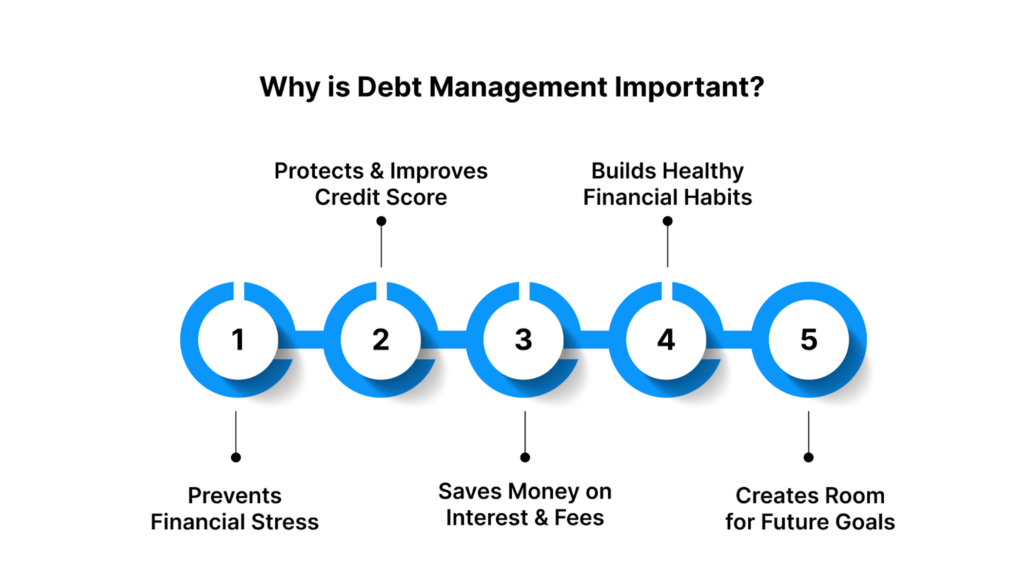
Debt is not always a bad thing, but unmanaged debt can become a major obstacle to financial freedom. Financial planning tools make it easier to organize loans, credit cards, and monthly payments in one place. Instead of juggling multiple due dates, you can clearly see what you owe and create a realistic repayment strategy.
Many tools also calculate how much interest you will pay over time and suggest faster repayment methods. Seeing your debt decrease month after month is encouraging and motivates you to continue making smart financial decisions. As balances shrink, you create more room in your budget for savings and investments.
Emergency Fund Planning Creates Financial Confidence
Life is full of surprises. A medical expense, car repair, job change, or home emergency can happen without warning. That is why an emergency fund is one of the most important parts of any financial plan.
Financial planning tools allow you to set savings targets and monitor your progress automatically. Watching your emergency fund grow, even a little each month, builds confidence. Instead of relying on credit cards during difficult times, you have money available when you truly need it.
Think of an emergency fund as a strong tree that provides shelter during a storm. You may not need it every day, but when difficult weather arrives, you will be grateful it is there.
AI-Powered Financial Planning Is Changing the Future
Artificial intelligence is making financial planning smarter and more personalized than ever before. Many modern financial tools now analyze your spending habits, identify saving opportunities, predict future expenses, and even provide customized financial recommendations.
Instead of simply tracking your money, these intelligent tools help you understand your financial behavior. They may suggest reducing unnecessary subscriptions, increasing savings after a salary increase, or adjusting your investment portfolio based on your goals.
While AI provides helpful guidance, your personal financial goals should always remain the foundation of every decision. Technology works best when combined with thoughtful human judgment.
Choosing the Right Financial Planning Tool
The best financial planning tool depends on your personal goals. Someone beginning their financial journey may need a simple budgeting application, while experienced investors may prefer software that tracks investments, retirement planning, taxes, and overall net worth.
When comparing financial planning tools, look for features such as secure bank connections, automatic expense tracking, customizable budgets, investment monitoring, financial goal tracking, mobile accessibility, and strong security measures.
A user-friendly interface is equally important. The easier a tool is to use, the more consistently you will use it. Even the most advanced software cannot help if it feels too complicated for everyday life.
Common Financial Planning Mistakes to Avoid
Many people delay financial planning because they believe they need a large income before getting started. In reality, financial planning is valuable at every income level.
Another common mistake is failing to review financial goals regularly. Life changes over time. A new job, marriage, children, or retirement plans all require adjustments to your financial strategy.
Some individuals also focus entirely on saving while ignoring investments or emergency funds. A balanced financial plan includes budgeting, saving, investing, debt management, and long-term planning working together.
Perhaps the biggest mistake is giving up after one difficult month. Building wealth is a long journey. Like a river slowly shaping a mountain, small consistent actions create lasting financial success.