
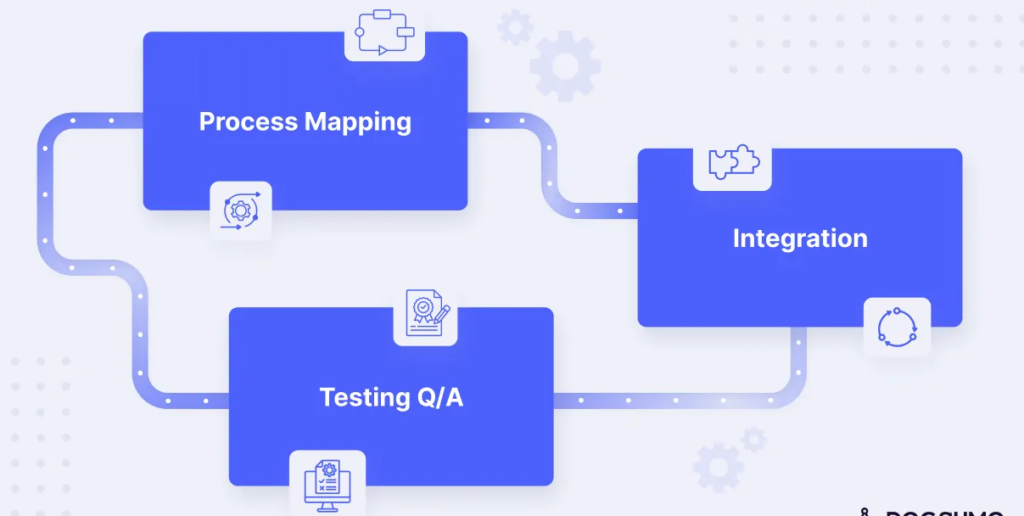
Every successful business, whether it is a small startup or a growing enterprise, depends on one important factor that often stays behind the scenes: an organized workflow. Just as a river flows smoothly when its path is clear, a business performs at its best when every task moves naturally from one stage to the next. Without structure, even talented teams can struggle with missed deadlines, communication gaps, and unnecessary delays.
Modern businesses face a fast-changing environment where customer expectations are higher than ever. Projects involve multiple team members, remote collaboration has become common, and deadlines continue to become tighter. In this environment, relying on emails, notebooks, or scattered spreadsheets is no longer enough. Companies need the Best Workflow Tools to help everyone stay connected, organized, and productive while keeping projects on track from start to finish.
The Best Workflow Tools do much more than organize tasks. They create clarity, improve teamwork, reduce confusion, and allow employees to focus on meaningful work instead of repetitive administration. Like a healthy tree whose branches grow in harmony because of strong roots, a business with a well-managed workflow develops stronger teams, happier customers, and better long-term success.
This guide explores why the Best Workflow Tools have become essential for modern businesses, how they improve project management, and why platforms such as Trello and Asana continue to earn the trust of professionals across different industries.
Understanding Workflow Tools
Workflow tools are software platforms designed to organize tasks, manage projects, and improve communication among teams. They provide a central place where work can be planned, assigned, monitored, and completed.
Imagine trying to build a house without a blueprint. Every worker might understand part of the project, but without clear direction, mistakes become unavoidable. Workflow tools serve as that blueprint for business operations. Everyone understands their responsibilities, deadlines become visible, and managers can easily monitor progress.
These platforms replace confusion with transparency. Team members know what needs attention, managers identify obstacles quickly, and clients receive projects on schedule. Instead of searching through endless emails or asking for constant updates, everyone works from the same organized workspace.
The beauty of workflow management lies in its simplicity. It brings order to daily operations while giving businesses the flexibility to grow.
Why Modern Businesses Need Workflow Tools
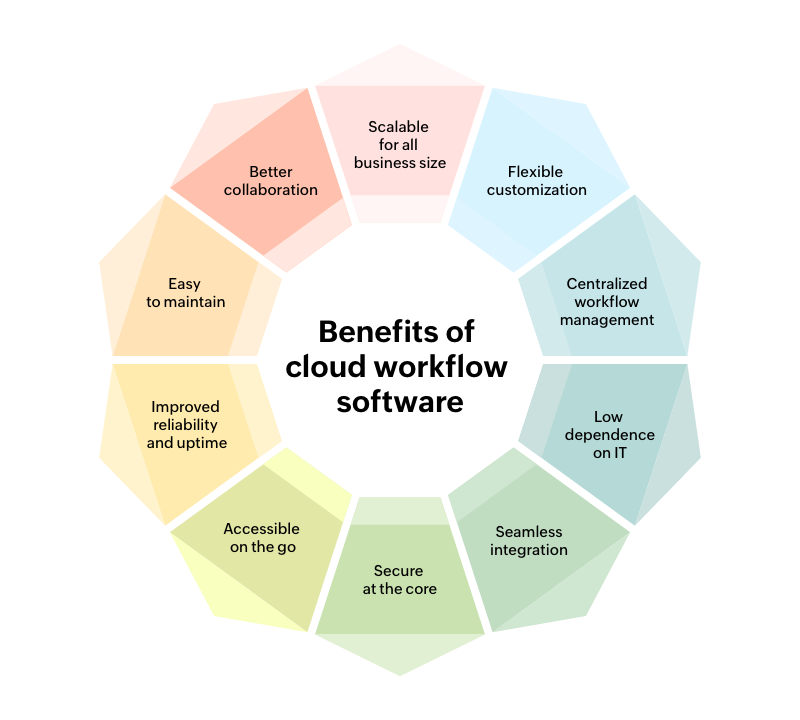
Business has changed dramatically over the last decade. Teams no longer work only from one office. Employees often collaborate across cities, countries, and even continents. Customers expect faster responses, while projects become more detailed and demanding.
Without a structured workflow, valuable time disappears into unnecessary meetings, repeated questions, and forgotten tasks. Small communication problems slowly grow into larger business challenges.
Workflow tools solve these problems by creating one shared environment where everyone stays informed. Tasks move smoothly from planning to completion, much like seasons changing naturally throughout the year. Every stage has its purpose, and every team member understands where their contribution fits.
Businesses also gain greater visibility into ongoing work. Managers can recognize delays before they become serious problems, helping projects remain on track without creating unnecessary pressure.
Perhaps most importantly, workflow tools reduce stress. Employees spend less time wondering what should happen next and more time producing meaningful results.
Key Features Every Workflow Tool Should Offer
Not every workflow platform provides the same experience, but the best solutions share several important characteristics.
Task management sits at the center of every successful workflow system. Users should easily create assignments, set priorities, establish deadlines, and monitor completion without confusion.
Collaboration features are equally important. Modern teams exchange ideas, upload documents, leave comments, and share updates continuously. A good workflow platform keeps all communication connected to the relevant task rather than spreading conversations across multiple applications.
Project tracking provides another valuable advantage. Businesses need real-time visibility into progress so managers can identify delays early and make informed decisions before deadlines are affected.
Automation has also become increasingly valuable. Routine activities such as assigning tasks, sending reminders, or updating project stages can happen automatically, allowing employees to focus on work that requires creativity and critical thinking.
Reporting capabilities help businesses understand performance over time. Clear dashboards reveal completed work, upcoming deadlines, workload distribution, and overall productivity trends.
Finally, flexibility matters. Every organization has different processes, so workflow software should adapt to business needs instead of forcing teams to change successful working habits.
Trello: Simple Project Management for Every Team
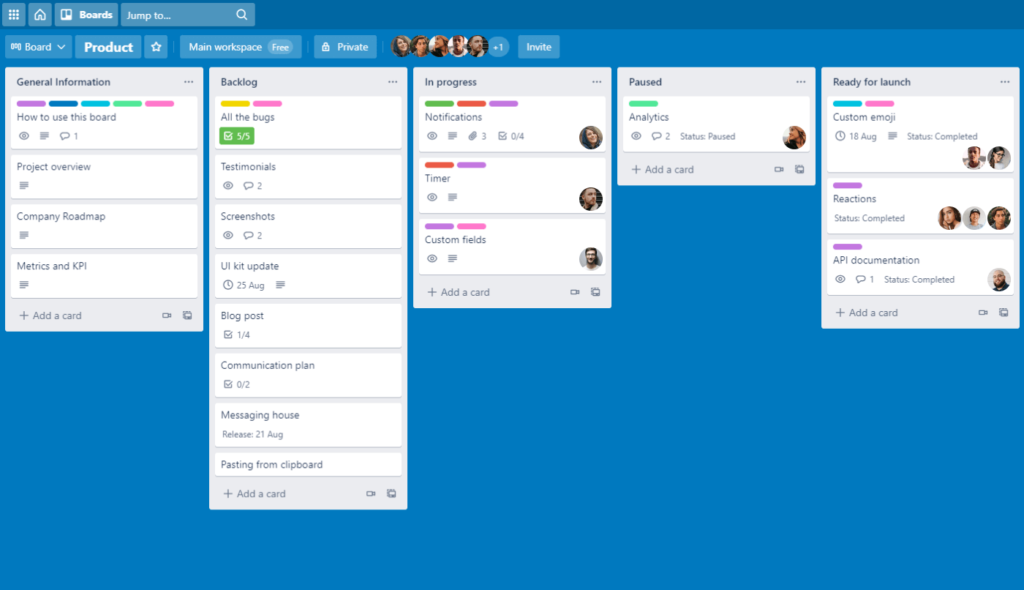
Among today’s most popular workflow solutions, Trello has earned its reputation through simplicity and visual organization. Inspired by the familiar concept of sticky notes placed on a board, Trello allows teams to manage projects using boards, lists, and cards.
Each project becomes a visual workspace where tasks move naturally through different stages. For example, work can begin in a “To Do” column, move into “In Progress,” continue to “Review,” and finally reach “Completed.” This visual movement gives every team member an instant understanding of project status.
Small businesses often appreciate Trello because it requires very little training. New users quickly understand how projects are organized, making adoption smooth and comfortable.
Trello also supports attachments, due dates, labels, comments, and collaboration features that keep discussions connected directly to each task. Rather than searching through long email chains, employees find everything related to a project in one organized location.
The platform works particularly well for marketing teams, content creators, designers, software developers, and startups that value simplicity without sacrificing productivity.
Like a well-maintained garden where every plant has its place, Trello helps teams organize work in a way that feels clean, natural, and easy to manage.
Asana: Powerful Workflow Management for Growing Businesses
While simplicity attracts many users to Trello, growing organizations often require additional planning capabilities. This is where Asana becomes especially valuable.
Asana provides a structured environment for managing complex projects involving multiple departments, deadlines, dependencies, and long-term planning. Teams can create detailed project timelines, assign responsibilities, establish milestones, and monitor progress from beginning to completion.
One of Asana’s greatest strengths is its flexibility. Businesses can view projects as traditional task lists, calendars, boards, or timelines depending on individual preferences. This allows different departments to work comfortably while remaining connected within the same system.
Managers appreciate Asana because it provides excellent visibility into workload distribution. Instead of accidentally assigning too much work to one employee while another remains underutilized, leaders can balance responsibilities more effectively.
For companies managing dozens of simultaneous projects, Asana becomes more than a task manager—it becomes a central operating system that keeps every moving part connected with clarity and purpose.
How Workflow Tools Improve Team Collaboration
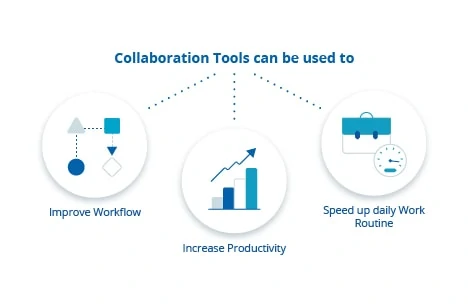
Successful businesses are built on strong communication. Even the most talented employees can struggle if information is scattered across emails, messaging apps, and spreadsheets. Workflow tools solve this challenge by bringing conversations, files, deadlines, and project updates into one shared workspace.
When everyone can see the current status of a project, misunderstandings become less common. Team members know who is responsible for each task, what has already been completed, and what still requires attention. This level of transparency creates trust and accountability throughout the organization.
For remote and hybrid teams, workflow tools are especially valuable. Employees working from different cities or even different countries can collaborate just as effectively as colleagues sitting in the same office. Like birds flying together in perfect formation, each person understands their direction while contributing to the larger goal.
Collaboration also becomes faster. Instead of waiting for long meetings or searching through old email conversations, employees can leave comments, upload documents, and share progress directly inside the project. This saves time while keeping important information organized.
The Future of Workflow Tools
Technology continues to reshape the way businesses operate, and workflow tools are evolving alongside these changes. Artificial intelligence is becoming increasingly integrated into project management platforms, helping teams prioritize tasks, predict delays, summarize updates, and automate repetitive work.
Future workflow systems will likely provide even greater personalization. Instead of adapting to software, software will increasingly adapt to the way individual teams prefer to work.
Mobile accessibility will continue improving, allowing professionals to monitor projects, communicate with colleagues, and approve tasks from virtually anywhere. This flexibility supports modern workplaces where productivity is no longer limited by office walls.
Data-driven insights will also become more valuable. Advanced reporting and analytics will help businesses identify patterns, improve planning, and make smarter strategic decisions based on real project performance.
Although technology continues advancing, one principle remains constant: workflow tools exist to support people, not replace them. Human creativity, collaboration, and thoughtful decision-making will always remain at the heart of successful businesses.