
Artificial Intelligence (AI) and automation have shifted from futuristic concepts into the core foundation of modern enterprise operations. Organizations across every sector are adopting intelligent technologies to streamline operational workflows, optimize decision-making processes, reduce overhead costs, and elevate customer satisfaction. In 2026, combining artificial intelligence with automated workflows is no longer merely a competitive advantage—it is a baseline requirement for staying relevant in a digital economy.
Understanding how AI and automation intersect empowers business owners, software developers, marketers, and students to make informed strategic decisions and navigate the evolving workplace.
What Is Artificial Intelligence?
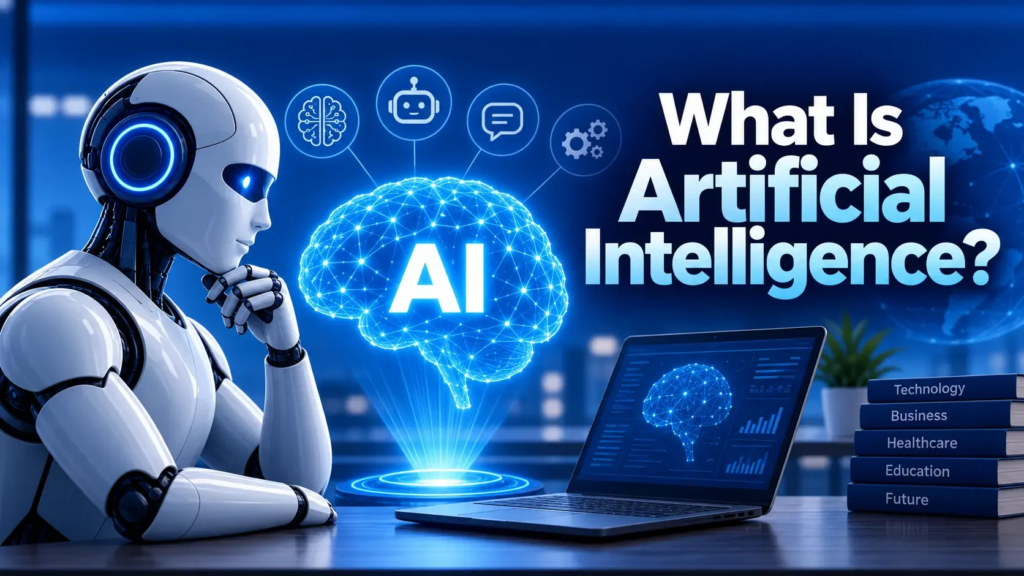
Artificial Intelligence refers to the development of computer systems capable of performing tasks that traditionally require human cognitive abilities. These systems process large quantities of data, recognize intricate patterns, and make autonomous predictions or decisions.
+-------------------------------------------------------------------------+
|                        ARTIFICIAL INTELLIGENCE                          |
|                                                                         |
|  +-------------------------------------+  +--------------------------+  |
|  |           MACHINE LEARNING          |  | NATURAL LANGUAGE PROC.   |  |
|  |  +-------------------------------+  |  |  • Sentiment Analysis    |  |
|  |  |         DEEP LEARNING         |  |  |  • Translation Systems   |  |
|  |  |  • Multi-Layered Networks     |  |  +--------------------------+  |
|  |  |  • Generative AI Models       |  |  +--------------------------+  |
|  |  +-------------------------------+  |  |     COMPUTER VISION      |  |
|  +-------------------------------------+  |  • Spatial Recognition   |  |
|                                           |  • Visual Inspection     |  |
|                                           +--------------------------+  |
+-------------------------------------------------------------------------+
Core technological pillars of modern AI include:
- Machine Learning (ML): Algorithms that refine their performance automatically as they are exposed to new data.
- Deep Learning: Multi-layered neural network architectures built to process complex, unstructured datasets like images and raw audio.
- Natural Language Processing (NLP): Systems designed to analyze, interpret, and generate human languages.
- Computer Vision: Visual recognition models that identify objects, track motion, and interpret spatial data from video feeds.
What Is Automation?
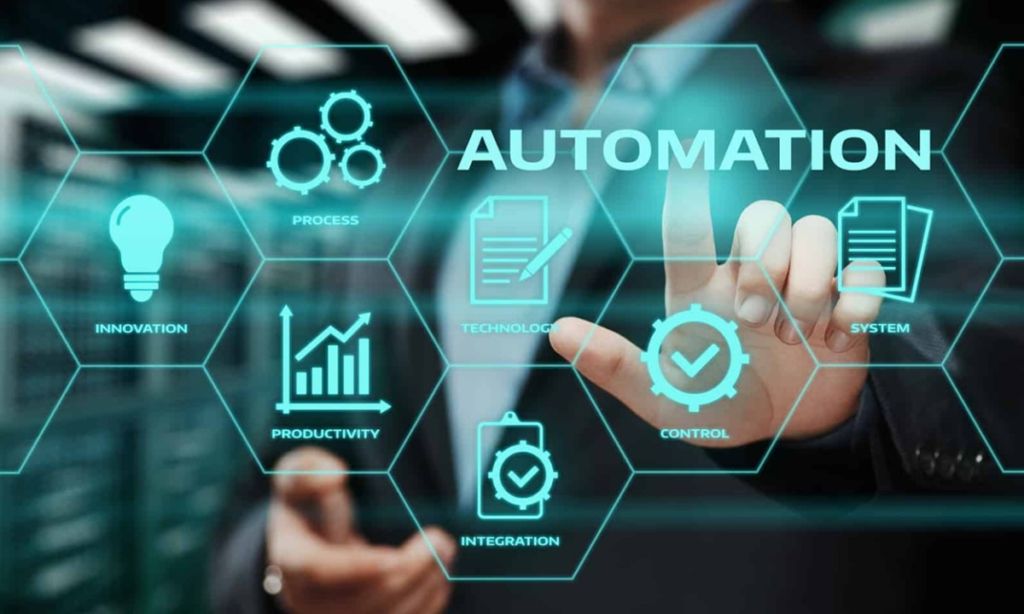
Automation involves using technology to execute repetitive, rule-based tasks with minimal human intervention. While early automation relied entirely on fixed, pre-programmed rules (such as sending an automated email confirmation upon a form submission), modern automation integrates intelligent decision-making capabilities to handle complex, multi-step business processes.
AI vs. Automation: A Comparative Breakdown
While often used together, AI and traditional automation address distinct operational needs.
| Feature | Traditional Automation | Artificial Intelligence |
| Primary Purpose | Executes predefined, repetitive tasks. | Simulates human reasoning and pattern recognition. |
| Adaptability | Strictly follows explicit, programmed rules. | Learns continuously from incoming data streams. |
| Decision-Making | Deterministic (If-This-Then-That). | Probabilistic, adaptive, and contextual. |
| Handling Unstructured Data | Struggles without structured formatting. | Excels at processing raw text, audio, and video. |
| Ideal Use Cases | Data entry, batch processing, basic routing. | Fraud detection, predictive maintenance, conversational bots. |
Core Pillars of Modern Automation Architectures

1. Robotic Process Automation (RPA)
Robotic Process Automation employs software “bots” to mimic human interaction with user interfaces. RPA excels at executing high-volume administrative tasks across legacy software systems without requiring API integrations.
- Common Applications: Automated invoice extraction, payroll processing, customer account creation, and structured data migration.
2. Intelligent Automation (IA)
Intelligent Automation merges traditional RPA with AI capabilities like machine learning and NLP. This hybrid approach enables systems to process unstructured documents, evaluate context, make conditional decisions, and pass results directly into automated execution pipelines.
3. Generative AI Workflows
Generative models produce original content across media types. When embedded into production pipelines, Generative AI automates content generation, writing code snippets, drafting customer support responses, and creating personalized marketing assets on demand.
Industry-Specific Real-World Applications
    [ Enterprise Ops ]            [ Healthcare Systems ]          [ Financial Services ]
            |                               |                               |
            v                               v                               v
  • Supply Chain Planning         • Medical Image Analysis        • Fraud Detection Engine
  • Demand Forecasting            • Clinical Documentation        • Algorithmic Trading
  • Automated Compliance          • Patient Triage Bots           • Automated Credit Scoring
Business Operations and Supply Chain

Companies utilize predictive AI to forecast product demand, optimize route logistics, automate inventory reordering, and build resilient global supply chains that react dynamically to disruptions.
Customer Support and Engagement
Modern AI-driven virtual agents provide continuous, multi-lingual support. These systems analyze customer sentiment, resolve routine inquiries independently, and route complex tickets to human agents along with contextual summaries.
Healthcare and Clinical Diagnostics
Healthcare providers leverage deep learning to analyze radiological images for early disease detection. Automated workflows handle clinical documentation and scheduling, allowing medical professionals to spend more time directly with patients.
Financial Services and Risk Management
Financial institutions deploy machine learning models to analyze millions of transactions per second, detecting fraudulent transactions in real time while optimizing automated credit scoring and portfolio risk assessments.
Emerging Trends Defining 2026 and Beyond
As enterprise technology matures, several key trends are shaping how organizations design and deploy intelligent workflows.
- Autonomous AI Agents: Systems are shifting from passive prompts to goal-directed autonomous agents that plan tasks, use software tools, write code, and complete multi-step projects independently.
- Hyperautomation: Organizations are connecting AI, RPA, low-code platforms, and cloud services to automate entire business operations end to end.
- Edge AI Deployment: Running optimized AI models directly on local hardware devices reduces network latency, lowers bandwidth costs, and enhances data privacy by keeping sensitive information on-site.
- Multimodal Systems: AI architectures natively process and correlate text, audio, images, and video feeds simultaneously, expanding what automated systems can perceive and analyze.
Key Challenges and Considerations

Despite significant benefits, implementing AI and automation introduces operational and ethical challenges that require structured governance.
Governance Note: Successful AI adoption depends heavily on data quality and security standards. Unorganized or biased data leads to inaccurate automated decisions.
- Data Security and Privacy: Processing enterprise information through external AI models requires strict data governance, encryption standards, and regulatory compliance frameworks.
- Model Bias and Transparency: Machine learning models can inadvertently perpetuate biases present in their training data. Maintaining transparency and auditability in AI decisions is essential.
- Integration Complexity: Connecting modern AI services with legacy IT infrastructure often demands significant custom engineering and ongoing maintenance.
- Change Management: Shifting daily workflows requires up-skilling employees and cultivating an organizational culture that views automation as a supportive tool rather than a threat to job security.
Step-by-Step Implementation Roadmap
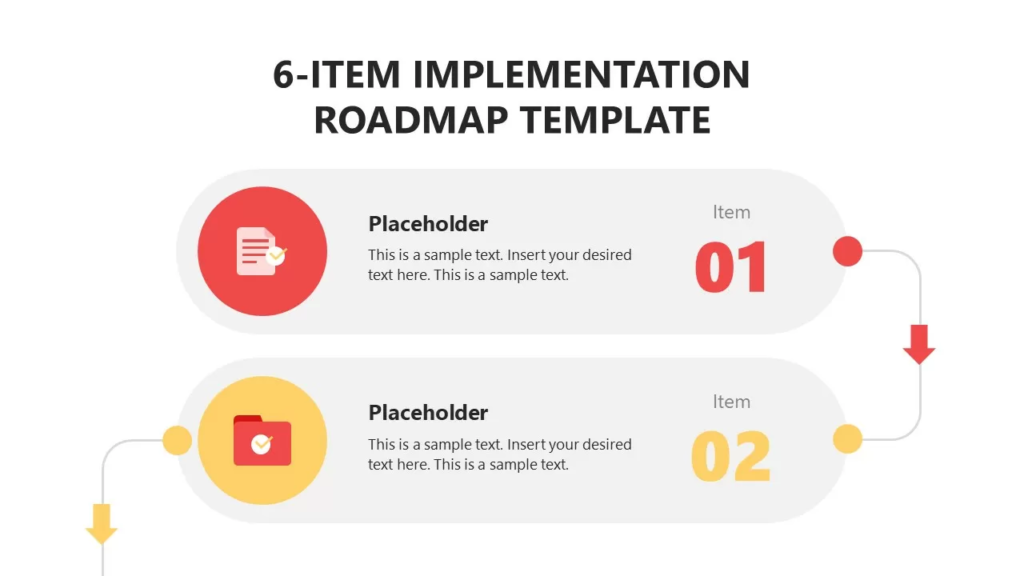
Organizations taking a structured, phased approach to AI and automation reduce deployment risks and maximize long-term return on investment.
  Phase 1: Identify Targets -----> Phase 2: Audit Data Quality -----> Phase 3: Launch Pilot
  (Identify repetitive tasks)     (Clean & organize datasets)         (Test small, high-value project)
                                                                                  |
                                                                                  v
  Phase 6: Continuous Audit <---- Phase 5: Train Teams <------------ Phase 4: Scale Production
  (Monitor ROI & bias)            (Educate workforce)                 (Integrate enterprise-wide)
- Pinpoint High-Impact Processes: Identify high-volume, rule-based processes that consume significant employee time.
- Audit and Organize Data: Ensure internal datasets are cleaned, structured, properly labeled, and securely accessible.
- Execute a Focused Pilot: Launch a small pilot project with clear performance metrics to test viability before scaling.
- Integrate and Scale Workflows: Connect proven automated tools into core enterprise platforms via robust APIs.
- Invest in Workforce Training: Educate teams on operating alongside AI tools, writing effective prompts, and managing automated systems.
- Monitor and Refine Performance: Continuously audit model accuracy, track productivity metrics, and refine workflows over time.
Essential Best Practices for Enterprise Success
- Focus on Real Business Problems: Avoid implementing AI simply for the technology’s sake. Tie every project to measurable business outcomes, such as reduced processing times or lower operational costs.
- Maintain Human-in-the-Loop Oversight: Keep human experts involved in reviewing critical, high-risk automated decisions, particularly in legal, financial, and medical contexts.
- Design for Flexibility: Build modular, API-driven workflows so individual AI components can be easily updated as newer, more efficient models emerge.
- Establish Ethical AI Guidelines: Create clear corporate policies governing data usage, model transparency, privacy protections, and acceptable automation boundaries.
Common Implementation Pitfalls to Avoid
Organizations often encounter preventable setbacks during digital transformation efforts by falling into predictable traps:
- Automating Flawed Processes: Applying automation to an inefficient or broken workflow only speeds up the creation of errors. Streamline the process manually before automating it.
- Underestimating Integration Costs: Focusing solely on software licensing fees while ignoring the engineering investment required to connect new tools with existing databases.
- Neglecting Employee Buy-In: Deploying automated tools without clear communication or training, which leads to low internal adoption rates and employee resistance.
- Ignoring Model Drift: Failing to monitor AI performance over time as real-world data patterns drift away from original training sets.
The Evolution of the Future Workplace
AI and automation are fundamentally reshaping job roles rather than eliminating the need for human talent. As automated systems take over repetitive data handling and routine tasks, human roles are shifting toward strategic thinking, creative problem-solving, and cross-functional leadership.
At the same time, new career paths are rapidly expanding across industries:
- AI Systems Engineers: Professionals who build, deploy, and maintain scalable machine learning pipelines.
- Prompt Engineers and Context Designers: Specialists who craft effective contextual inputs to guide generative model outputs.
- Automation Architects: Consultants who map enterprise workflows and design unified integration strategies.
- AI Ethics and Compliance Officers: Specialists responsible for auditing automated systems for fairness, privacy compliance, and regulatory alignment.
Building skills in data literacy, system design, and AI management ensures individuals and businesses remain agile, competitive, and prepared for the future of work.