
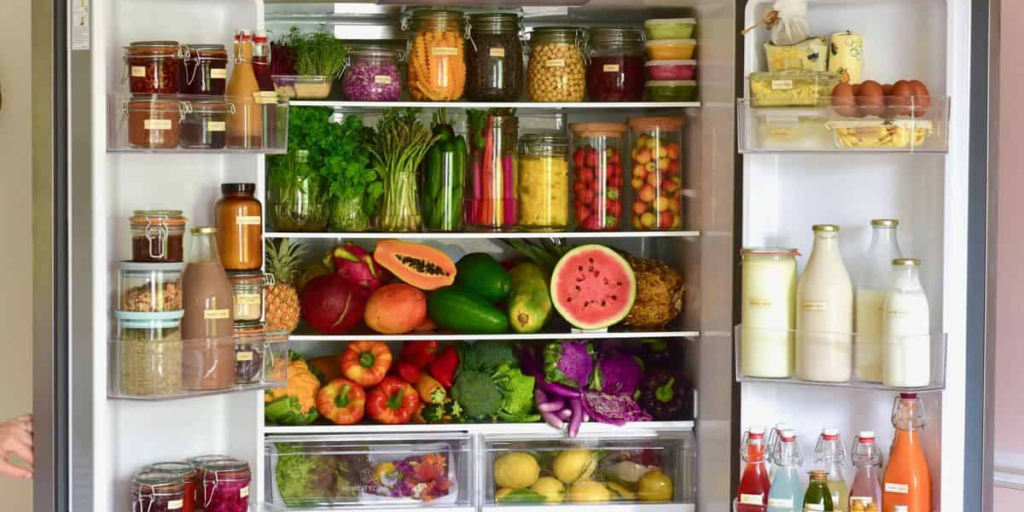
Let’s be entirely real for a second:Fresh Food the most frustrating part of a grocery run isn’t the long checkout lines or the total on the receipt—it’s opening your refrigerator drawer three days later only to find a bag of liquefied spinach and a container of fuzzy berries.
Fresh food is one of the biggest investments in every household budget, yet millions of us routinely throw cash straight into the garbage Fresh Food simply because we treat our Fresh Food refrigerator like a giant, unorganized closet. Fresh Food Proper food storage isn’t just a chore; it’s a high-yield financial habit. When you master how your food actually wants to be Fresh Food stored, you instantly Fresh Food save money, cut down on daily kitchen stress, and eat Fresh Food meals that taste exponentially better.
The Science of Spoilage: What’s Actually Happening Fresh Food?
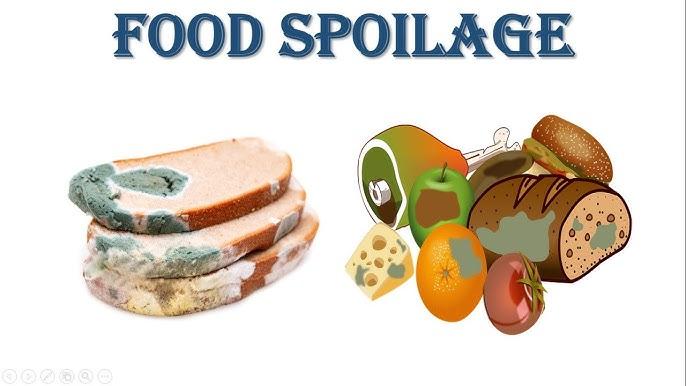
The second a vegetable is pulled from the ground or a piece of meat is cut, a biological countdown begins. Heat, moisture, oxygen, and microscopic bacteria are constantly working to break down your groceries.
- The Creative Edge of Scarcity: Before modern refrigeration existed, humanity survived by learning the exact physics of Fresh Food food preservation. They fermented, pickled, salted, and buried food in dark root cellars because they had to.
- The Modern Mistake: Today, because we have massive refrigerators, we throw everything in the exact same cold box and assume it’s fine. But different foods require entirely different climates. Treating a tomato the same way you treat a head of lettuce is a fast track to tasteless, mushy meals.
Refrigerator Tetris: How to Zone Your Fridge Fresh Food
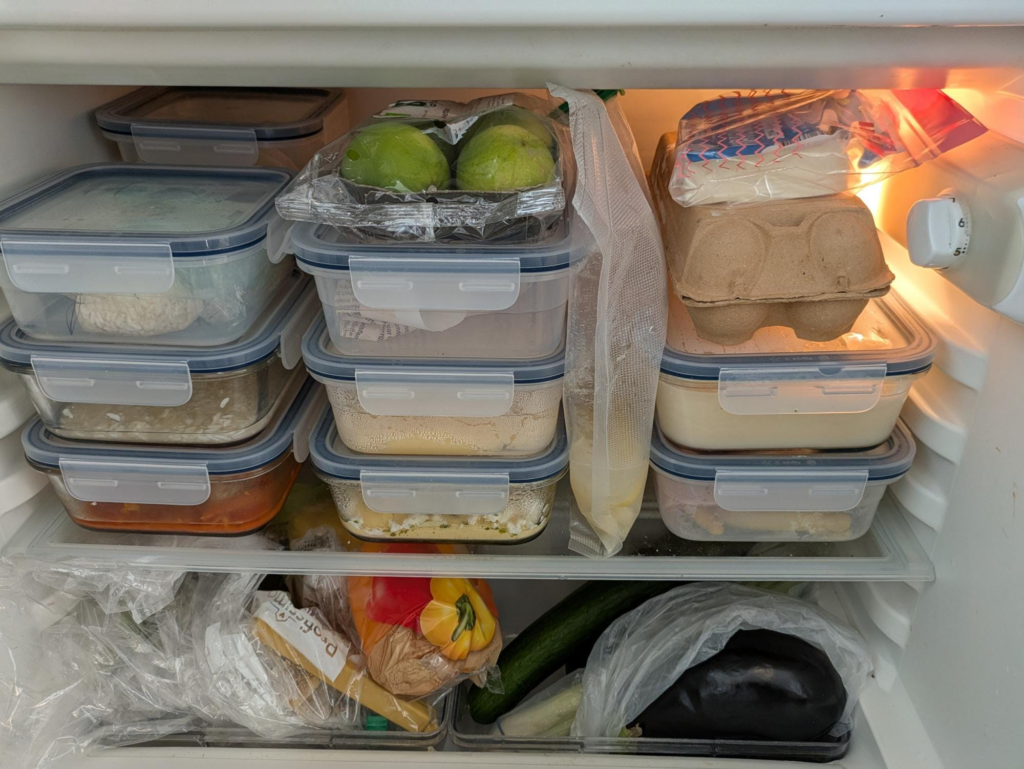
Your refrigerator is not a uniform block of cold air. It has distinct microclimates, and putting the wrong food in the wrong zone causes it to spoil twice as fast.
- The Top and Middle Shelves: This is the premium real estate. Fresh Food The temperature here stays the most stable. Keep your leftovers, ready-to-eat snacks, drinks, and dairy products (like yogurt and cheese) here.
- The Bottom Shelf: This is the coldest spot in the whole fridge. It is reserved exclusively for raw meat, poultry, and fish. Storing them here keeps the meat at a safe temperature and ensures that if a container leaks, raw juices won’t drip down and contaminate the food underneath.
- The Crisper Drawers: These are designed to manage humidity.Fresh Food If your drawers have sliders, set one to high humidity for leafy greens, broccoli, and carrots (which like moisture). Set the other to low humidity for fruits, which need airflow.
- The Door Danger Zone: The refrigerator door is the absolute warmest place in the appliance because it gets hit with room-temperature air every time you open it. Never keep your milk or eggs in the door, despite the fact that manufacturers build little egg cups there. Keep them on the middle shelves, and use the door strictly for condiments, pickles, and sodas.
The Counter vs. The Fridge: The Produce Guide
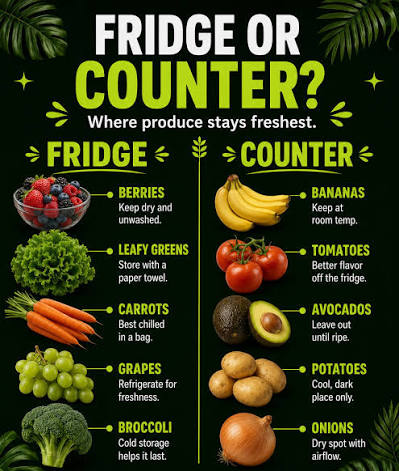
The Berries Rule: Never wash berries until the exact minute you are about to put them in your mouth. Moisture is the absolute best friend of mold. Keep them dry in the fridge, and wash only what you need for that specific snack.
- The Ethylene Gas War: Certain fruits—like bananas, avocados, peaches, and tomatoes—are chemical factories that pump out ethylene gas as they ripen. If you store a gas-producing fruit right next to your vegetables, the veggies will rapidly turn yellow and rot. Keep them separated.
- Leave Them on the Counter: Bananas, avocados, mangoes, and tomatoes should never go into the fridge before they are fully ripe. Cold air completely halts the ripening process and ruins the texture of tomatoes, turning them mealy and flavorless. Once they are perfectly ripe, you can move them to the fridge to hit the pause button on further decay.
- The Dark Room Staples: Potatoes, onions, garlic, and winter squash hate the refrigerator, but they also hate the light. Keep them in a cool, dark, dry pantry. Crucial tip: Never store your potatoes and onions together. The gases they exchange will cause the potatoes to sprout and the onions to rot prematurely.
The Secret to Longevity: Herbs, Dairy, and Bread
- Treat Herbs Like Flowers: Soft herbs like parsley, cilantro, and mint shouldn’t be left suffocating in plastic produce bags. Snip the bottom of the stems, place them upright in a small glass of water, and drop a loose plastic bag over the top before placing them in the fridge. They will stay vibrant for weeks. Hard herbs like rosemary and thyme prefer to be wrapped loosely in a slightly damp paper towel and tucked into a reusable silicone bag.
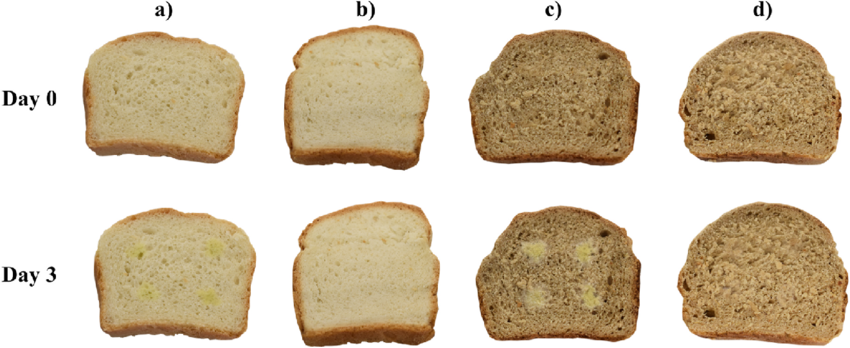
- Stop Refrigerating Your Bread: The cold environment of a refrigerator actually accelerates the crystallization of starch molecules, making your bread go stale significantly faster than it would on the counter. Keep your current loaf in a dark bread box or a paper bag. If you can’t finish a whole loaf in a few days, slice it immediately and freeze it.
- Let Your Cheese Breathe: Hard cheeses like cheddar or parmesan hate being wrapped tightly in plastic wrap. Plastic traps excess moisture and suffocates the cheese, inviting mold. Instead, wrap your cheese in wax paper or parchment paper. This allows the cheese to breathe while keeping it from drying out.
The Golden Rules of Food Safety
- The Two-Hour Window: When you finish cooking dinner, do not let the leftovers sit out on the counter all night while you watch TV. Bacteria thrive between 5°C and 60°C. Get your food divided into smaller, shallow containers (so they cool down quickly) and get them into the fridge within two hours of cooking.
- Don’t Overcrowd the Fridge: A packed refrigerator looks satisfying, but if air cannot freely circulate between the containers, the internal temperature will spike. Your fridge needs breathing room to do its job.
- The Freezer is a Pause Button, Not a Time Machine: Freezing food stops bacterial growth completely, but it doesn’t improve the quality of food that was already on the verge of spoiling. Freeze your extra meats, soups, and grains while they are still incredibly fresh, use airtight bags to prevent dry freezer burn, and label them with a date.
- When in Doubt, Toss It: No financial saving is worth an emergency room visit for food poisoning. If a piece of meat smells off, if a vegetable is completely slimy, or if a leftover container has been sitting in the back of the fridge for more than four days, accept the loss and throw it out. Clean your shelves regularly with warm, soapy water to keep cross-contamination at zero.
Frequently Asked Questions
1.What is the best way to store fresh fruits?
Most berries, grapes, and apples should be refrigerated, while bananas, tomatoes, avocados, and peaches ripen best at room temperature.
2.Should vegetables be stored in the refrigerator?
Most vegetables stay fresh longer in the refrigerator, but potatoes, onions, garlic, and winter squash should be kept in a cool, dry place.
3.How can I keep leftovers fresh longer?
Store leftovers in airtight containers, refrigerate them within two hours of cooking, and consume them within three to four days.
4.What refrigerator temperature keeps food safe?
The ideal refrigerator temperature is 4°C (40°F), while the freezer should remain at -18°C (0°F).
5.How can proper food storage save money?
Correct storage reduces spoilage, extends shelf life, minimizes food waste, and helps you make the most of every grocery purchase.