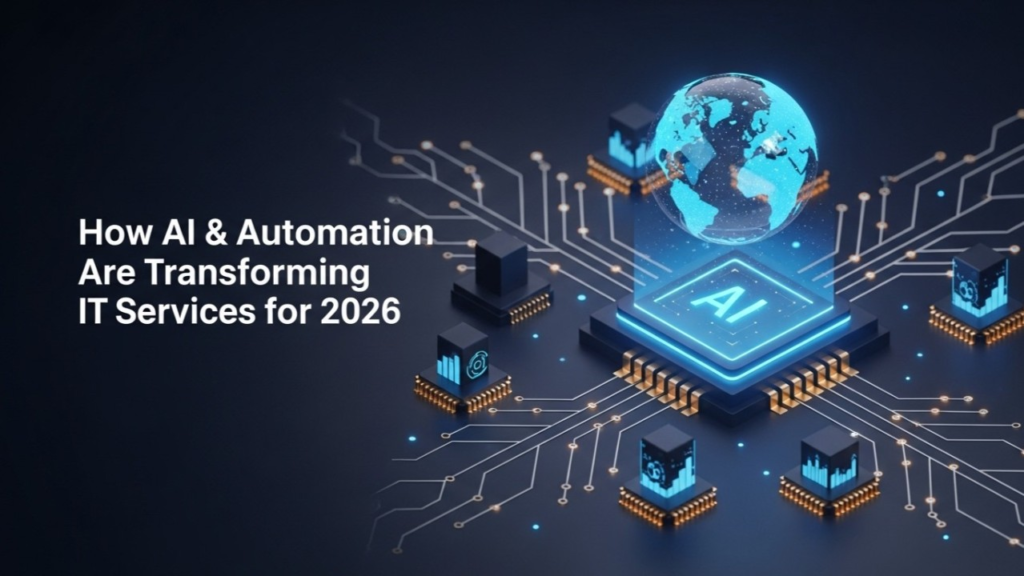
Artificial Intelligence (AI) and automation are transforming the way businesses operate. From automating repetitive tasks to improving customer experiences and analyzing large amounts of data, these technologies are helping organizations become more efficient, productive, and competitive. In 2026, businesses of all sizes are adopting AI-powered solutions to save time, reduce operational costs, and make smarter decisions.
Whether you run a startup, a small business, or a large enterprise, understanding AI and automation can help you streamline workflows and prepare for the future of work. This guide explains what AI and automation are, their benefits, practical business applications, and the latest trends shaping the industry.
What Are AI & Automation?
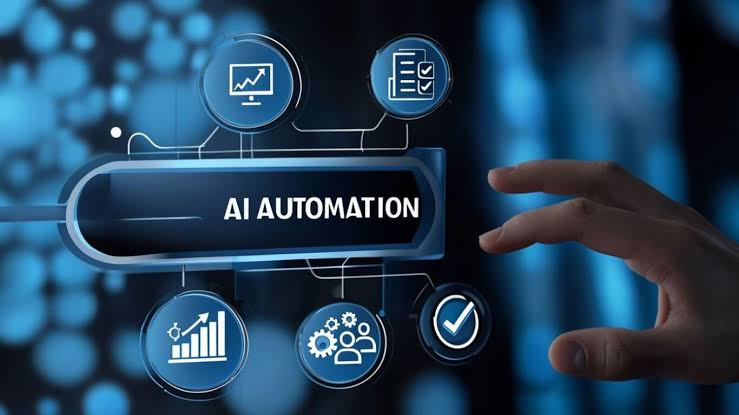
Artificial Intelligence (AI) refers to computer systems that can perform tasks that normally require human intelligence, such as understanding language, recognizing patterns, analyzing data, and making predictions.
Automation is the use of technology to perform repetitive tasks with minimal human intervention. When combined with AI, automation becomes more intelligent by learning from data and adapting to changing situations.
Together, AI and automation enable businesses to improve efficiency while allowing employees to focus on higher-value work.
Why AI & Automation Matter
Businesses today face increasing competition, growing customer expectations, and large volumes of data. AI and automation help address these challenges by improving speed, accuracy, and decision-making.
Key benefits include:
- Increased productivity
- Reduced manual work
- Faster business processes
- Improved customer service
- Better decision-making
- Lower operational costs
- Greater accuracy
- Enhanced employee efficiency
These advantages help businesses remain competitive in a rapidly changing digital environment.
How AI & Automation Work Together
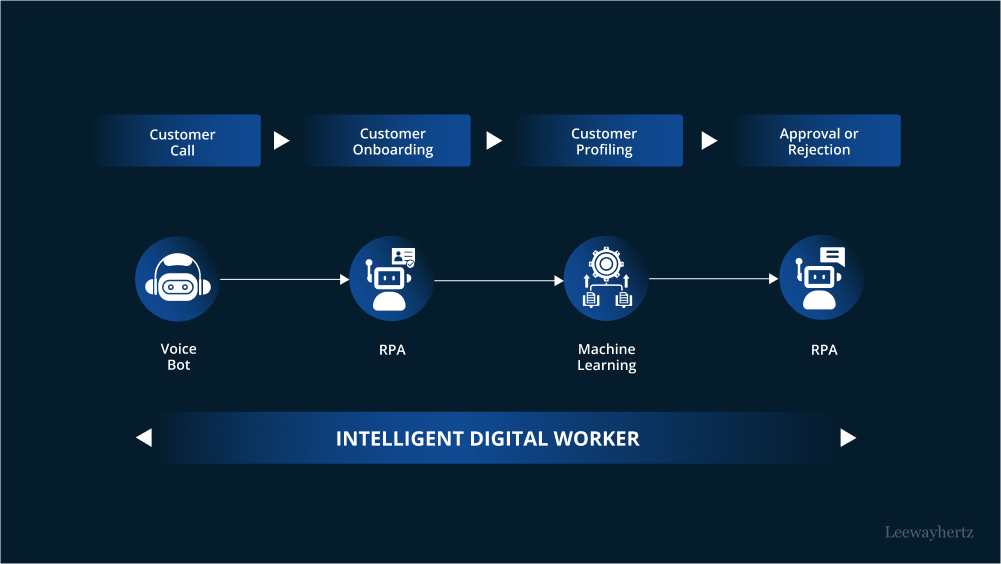
AI and automation complement each other by combining intelligent decision-making with automated execution.
For example, an AI-powered customer support system can:
- Understand customer questions
- Suggest accurate responses
- Route complex issues to human agents
- Learn from previous interactions
- Improve future responses
This creates faster and more personalized customer experiences.
Business Applications of AI & Automation
1. Customer Service

AI-powered chatbots and virtual assistants provide instant support by answering common questions, tracking orders, and assisting customers 24/7.
Benefits include:
- Faster response times
- Reduced support workload
- Improved customer satisfaction
- Round-the-clock availability
2. Marketing
AI helps marketers create more effective campaigns through data analysis and personalization.
Common uses include:
- Email marketing automation
- Audience segmentation
- Content recommendations
- Campaign performance analysis
- Social media scheduling
These tools allow marketing teams to focus on strategy and creativity.
3. Sales

AI assists sales teams by analyzing customer behavior and identifying potential opportunities.
Applications include:
- Lead scoring
- Sales forecasting
- CRM automation
- Follow-up reminders
- Customer insights
This helps sales professionals prioritize their efforts more effectively.
4. Human Resources
HR departments use AI and automation to simplify recruitment and employee management.
Examples include:
- Resume screening
- Interview scheduling
- Employee onboarding
- Attendance tracking
- Performance analysis
Automation reduces administrative work and improves efficiency.
5. Finance
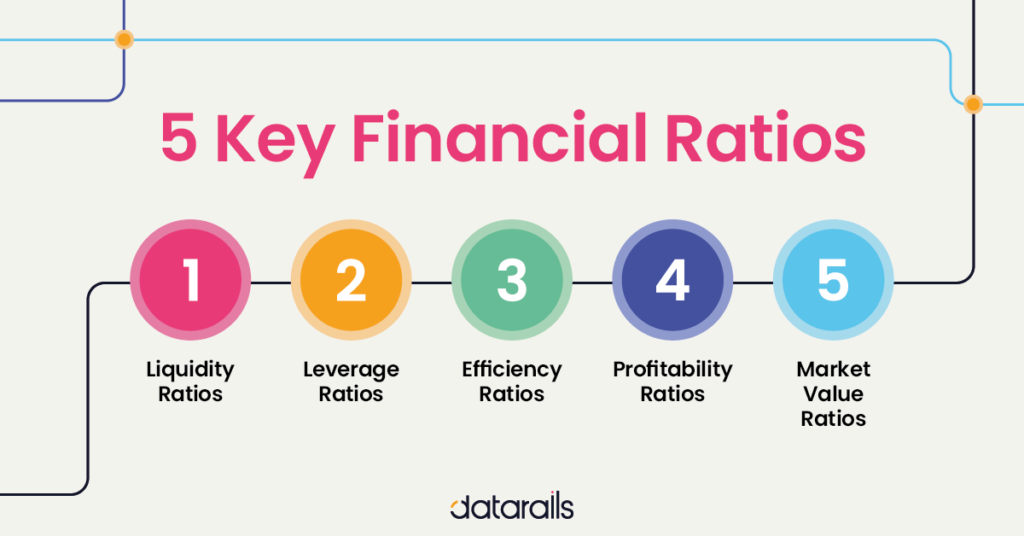
Financial teams use AI to improve accuracy and reduce manual processing.
Typical tasks include:
- Invoice processing
- Expense management
- Fraud detection
- Budget forecasting
- Financial reporting
These systems help organizations make informed financial decisions.
Benefits of AI & Automation
Save Time
Automating repetitive tasks allows employees to focus on strategic projects and customer relationships.
Improve Accuracy
AI reduces human error by handling repetitive calculations and data processing consistently.
Increase Productivity
Employees spend less time on routine work and more time solving problems and creating value.
Support Better Decisions
AI analyzes large datasets and provides insights that help managers make informed decisions.
Enhance Customer Experience
Personalized recommendations, faster support, and improved services create better customer experiences.
Challenges Businesses Should Consider

Although AI and automation offer many advantages, successful implementation requires planning.
Potential challenges include:
- Initial implementation costs
- Employee training
- Data privacy concerns
- Integration with existing systems
- Ongoing maintenance
- Ethical use of AI
Addressing these challenges early can improve long-term success.
Best Practices for Adopting AI & Automation
Businesses can maximize results by following these practices:
- Start with small automation projects.
- Identify repetitive tasks first.
- Train employees on new technologies.
- Monitor performance regularly.
- Protect sensitive customer data.
- Continuously update workflows.
Combining technology with human oversight leads to better outcomes.
Future Trends in AI & Automation

AI and automation continue to evolve rapidly. Some key trends expected to shape businesses in 2026 include:
Generative AI
Businesses are using AI to assist with writing, design, coding, customer communication, and content creation.
Predictive Analytics
AI can forecast trends, customer behavior, and business risks using historical data.
Intelligent Workflow Automation
AI-powered systems are becoming more capable of handling complex business processes with minimal manual input.
Robotic Process Automation (RPA)
RPA continues to automate repetitive digital tasks such as data entry, invoice processing, and report generation.
AI-Powered Decision Support
Business leaders increasingly rely on AI-generated insights to guide strategic planning and improve operational efficiency.
Common Mistakes to Avoid
Businesses adopting AI and automation should avoid:
- Automating inefficient processes
- Ignoring employee training
- Overlooking data quality
- Depending entirely on automation without human review
- Failing to measure performance
A balanced approach helps organizations achieve sustainable success.
AI and automation are no longer future technologies—they are essential tools for modern businesses. By automating repetitive tasks, improving decision-making, enhancing customer experiences, and increasing productivity, these technologies help organizations operate more efficiently and remain competitive.
Whether you’re just beginning your digital transformation or expanding your existing automation strategy, adopting AI thoughtfully can create long-term value. As technology continues to evolve, businesses that embrace innovation while keeping people at the center of their operations will be well positioned for success in 2026 and beyond.
Frequently Asked Questions
1. What is the difference between AI and automation?
AI enables systems to learn, analyze data, and make intelligent decisions, while automation performs repetitive tasks automatically. Together, they create smarter and more efficient workflows.
2. How can small businesses benefit from AI and automation?
Small businesses can automate routine tasks, improve customer service, reduce costs, and increase productivity without significantly expanding their workforce.
3. Which industries use AI and automation?
Many industries use these technologies, including healthcare, finance, retail, manufacturing, education, marketing, logistics, and customer service.
4. Is AI replacing human workers?
AI is primarily designed to assist people by automating repetitive tasks. In many cases, it allows employees to focus on creative, strategic, and customer-focused work.
5. How can a business start using AI and automation?
Begin by identifying repetitive processes, choosing suitable AI-powered tools, training employees, monitoring results, and gradually expanding automation as your business grows.