Artificial Intelligence (AI) and automated systems are no longer futuristic concepts Automation confined to science fiction novels. They have become fundamental elements of modern existence—quietly shaping how we communicate with each other, execute daily work, access learning, manage health, and navigate our cities. From conversational software that assists with daily scheduling to hyper-efficient, smart logistics networks, technology is accelerating at a pace previously unimagined.
Over the past decade, rapid technical breakthroughs have democratized access to advanced digital tools. Technologies that were once exclusive to massive tech conglomerates or government research labs are now accessible to small business owners, educators, independent creators, healthcare providers, and everyday consumers. At the same time, automation has matured. It has evolved from simple, rigid software running repetitive tasks into adaptive systems capable of processing vast data streams, recognizing complex patterns, and providing strategic insights for high-stakes decisions.
The future trajectory of this technological shift isn’t about removing human effort from the equation. Instead, it centers on building a smarter partnership between people and machine capability. AI excels at processing information with incredible speed and consistency, while humans bring irreplaceable qualities—emotional intelligence, nuanced creative vision, moral reasoning, and long-term strategic intuition. As virtually every global industry undergoes digital transformation, understanding how to navigate this evolving landscape is no longer optional; it is essential for personal and professional growth.
Clarifying the Connection Between AI and Automation
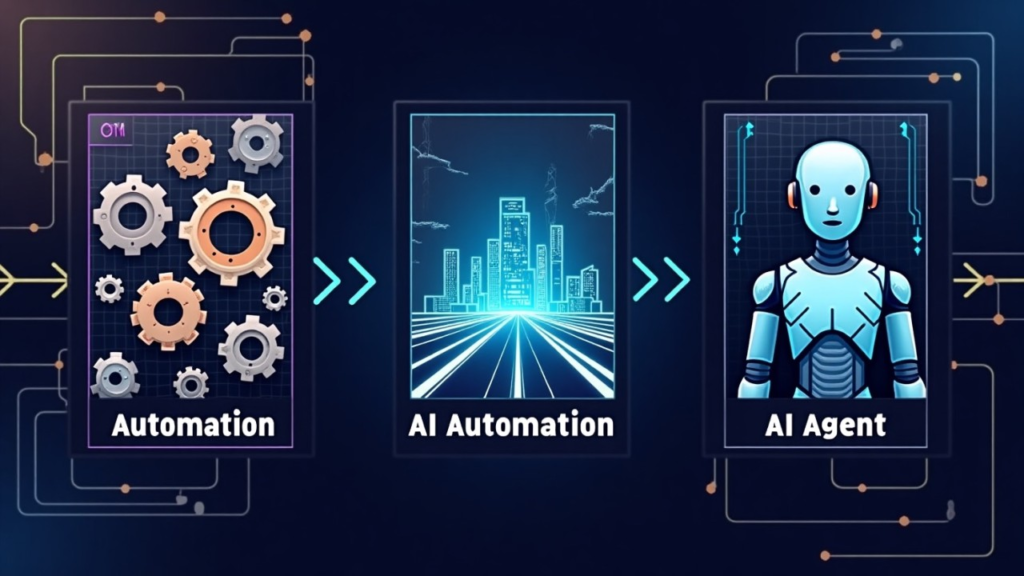
While “Artificial Intelligence” and “Automation” are frequently used interchangeably in everyday conversation, they represent distinct technological concepts that complement each other.
Traditional automation focuses on executing pre-programmed, repetitive tasks without human intervention—following strict, if-then rules (like an automated email responder or an assembly line arm). Artificial Intelligence, by contrast, refers to systems that mimic cognitive functions. They process raw data, spot trends, make predictions, and adjust their behavior based on new information.
When you merge the two, you get intelligent automation. This combination allows systems to handle complex, multi-step workflows while continuously refining their performance over time, drastically reducing administrative drag across entire organizations.
How Technology Is Reshaping Today’s Workplace
The modern workplace is undergoing one of its most significant structural evolutions since the Industrial Revolution. Routine, time-consuming administrative burdens—such as manual data entry, invoice processing, basic scheduling, and simple customer query triage—are increasingly handled by software assistants.
This shift frees workers to redirect their energy toward higher-value tasks that demand critical reasoning, interpersonal negotiation, and creative strategy. Rather than simply eliminating employment, AI is altering the nature of job roles themselves.
Entirely new fields are emerging, focused on:
- Machine Learning Architecture & Data Engineering
- AI Ethics, Governance, & Regulatory Compliance
- Prompt Engineering & Workflow Integration
- Automated System Cybersecurity & Risk Management
Ultimately, professionals who learn to integrate these tools into their daily routines will find themselves exceptionally well-positioned in an increasingly digital job market.
Building Smarter Organizations Through Technology

Businesses of all sizes are leveraging smart software to streamline operations and enhance customer experiences.
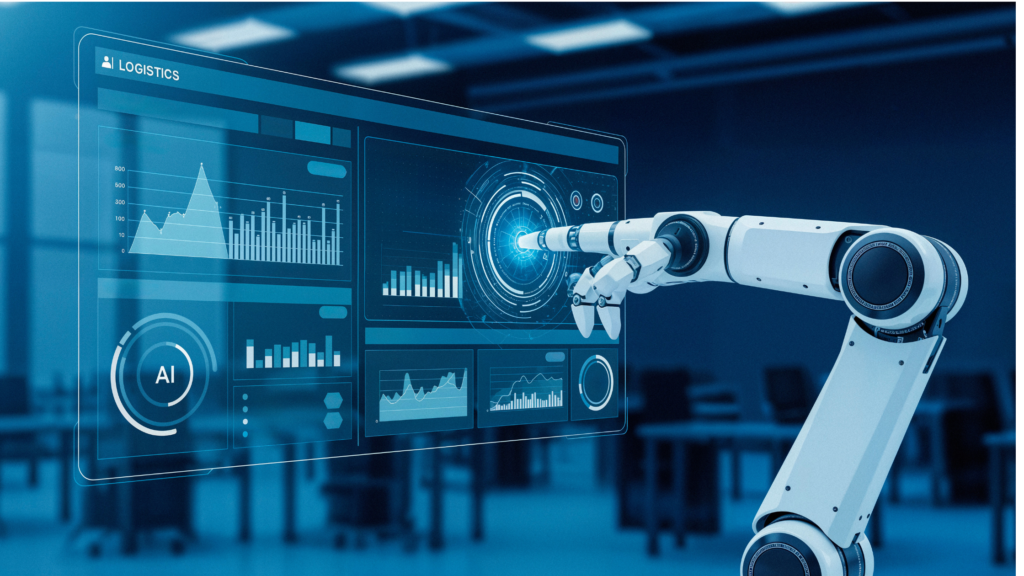
Retailers use predictive algorithms to analyze shopping behaviors, manage inventory levels, and deliver personalized recommendations. Financial institutions rely on high-speed pattern recognition to catch fraudulent transactions instantly and assess portfolio risks. In logistics, smart tracking optimizes shipping routes and predicts equipment maintenance needs before costly breakdowns happen.
By offloading routine operational friction to digital systems, companies can operate with far greater agility while delivering faster, more reliable service to their customers.
The Evolution of Modern Healthcare Delivery
Healthcare stands as one of the most promising frontiers for technological integration, where advanced data processing directly enhances patient outcomes.
Diagnostic tools assist physicians by reviewing complex medical imaging, spotting subtle anomalies, and helping detect conditions far earlier than traditional methods allow. In laboratories, algorithms drastically accelerate drug discovery by modeling chemical interactions in seconds rather than years.
Furthermore, administrative automation takes care of hospital scheduling and patient record updates, giving doctors and nurses more time to focus on direct, empathetic patient care. Wearable health devices also give individuals real-time visibility into their heart rates, sleep patterns, and physical activity, encouraging proactive wellness management.
Personalizing the Future of Education
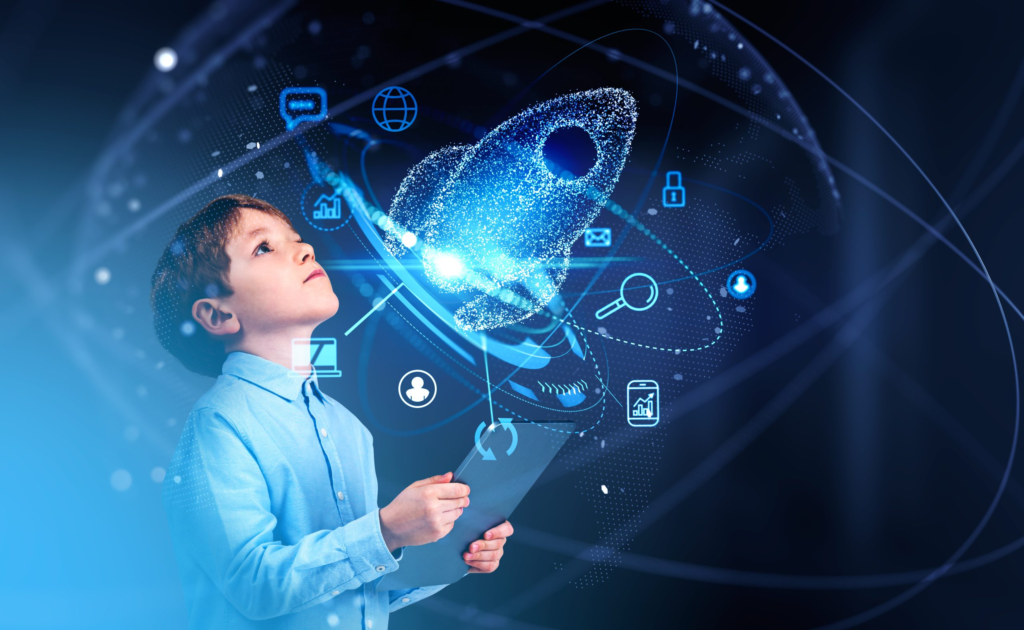
Education is shifting away from rigid, one-size-fits-all teaching models toward flexible, personalized learning environments.
Adaptive learning platforms evaluate a student’s progress in real time, adjusting lesson difficulty and presenting alternative explanations based on where they struggle. For educators, automated administrative tools reduce time spent grading standardized assignments and managing paperwork.
This gives teachers more space to serve as mentors, facilitate group discussions, and foster critical thinking skills that software simply cannot teach.
Seamless Integration in Everyday Life
Most people interact with intelligent algorithms throughout their day without giving it a second thought.
Smart devices respond to voice commands, adjust home heating to conserve energy, and manage routine household tasks. Navigation applications process real-time traffic data to recommend the fastest commutes, while streaming platforms curate entertainment options tailored to individual tastes. As these technologies become more ambient and connected, daily routines become noticeably smoother and more efficient.
Enhancing Human Creativity and Content Generation
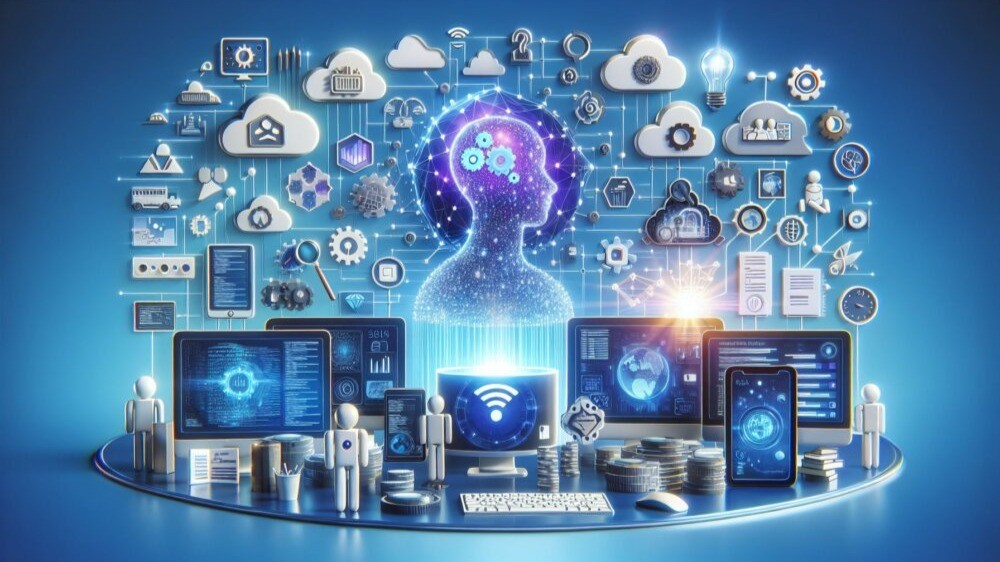
One of the most surprising cultural developments in recent years has been technology’s expansion into creative domains once thought to be exclusively human.
Writers, designers, video editors, and musicians regularly use digital tools to brainstorm concepts, draft rough layouts, clean up audio, or automate tedious post-production tasks.
These platforms act as digital assistants, taking over time-consuming mechanical processes so creators can focus on storytelling, emotional resonance, and artistic direction. Technology doesn’t replace the creative spark; it expands the canvas, making sophisticated production tools available to anyone with a story to tell.
Transportation Systems and Urban Infrastructure
Urban planners and transit authorities are increasingly turning to connected digital networks to make cities cleaner, safer, and more accessible.
Algorithmic traffic management systems adjust signal timings in real time to ease gridlock and cut down vehicle emissions. Public transit networks use predictive models to adjust bus and train schedules based on actual passenger demand. As autonomous vehicle development continues to mature, connected transit networks promise to further reduce accidents and make urban travel far more efficient.
Addressing Ethical Realities and Social Challenges
For all its advantages, the rapid growth of digital capability presents serious ethical and societal questions that demand careful, ongoing attention.
Data privacy remains a top concern, as modern algorithms require massive datasets to function effectively. Without clear boundaries and security measures, personal information can easily be misused. Algorithmic bias is another major challenge; if a system is trained on historical data containing human prejudices, it can end up repeating those unfair patterns in hiring, lending, or legal decisions.
Additionally, we must address the real impact of workforce displacement. While new industries are emerging, transitioning workers out of roles automated by technology requires genuine investment in adult education, vocational training, and social safety nets.
The Enduring Power of Human Skills
As software takes over routine technical, analytical, and administrative tasks, uniquely human capabilities are becoming more valuable than ever.
Machines can calculate statistics and process inputs at lightspeed, but they cannot replicate genuine empathy, moral judgment, cultural intuition, or strategic leadership. The most successful professionals in the coming years will be those who combine technical literacy with strong interpersonal skills—using digital tools to handle the heavy technical lifting so they can focus on human connection and big-picture strategy.
Preparing for an Interconnected Future
Thriving in an automated world requires an open mindset built around lifelong learning. Technical literacy is no longer reserved for software engineers; professionals across healthcare, marketing, finance, trade, law, and education benefit enormously from understanding how digital tools work.
By learning how to integrate smart systems into everyday workflows, individuals can boost their productivity while making informed, ethical choices about their use. Similarly, organizations that invest in continuous employee training, robust data protection, and responsible governance will be best prepared to navigate the road ahead—building a future where technology amplifies human potential rather than replacing it.
FAQ’S
1. What is the future of Artificial Intelligence and automation?
AI and automation will continue to improve productivity, innovation, and decision-making across industries.
2. How will AI impact future jobs?
AI will automate repetitive tasks while creating new opportunities that require technical and creative skills.
3. Which industries benefit the most from AI?
Healthcare, finance, education, manufacturing, retail, and transportation are among the biggest beneficiaries.
4. Can AI and humans work together?
Yes, AI is designed to assist humans by improving efficiency while people provide creativity, critical thinking, and decision-making.
5. Why is AI important for the future?
AI helps solve complex problems, increases efficiency, supports innovation, and improves everyday life for individuals and businesses.