Artificial Intelligence (AI) and automation are changing the way people work, communicate, and solve everyday problems. What once seemed like futuristic technology has now become a part of daily life and modern business operations. From automating repetitive tasks to providing data-driven insights, AI and automation are helping organizations improve efficiency, reduce costs, and deliver better customer experiences.
As we move through 2026, these technologies continue to evolve rapidly. Businesses of all sizes are adopting AI-powered solutions to stay competitive, while individuals are using smart tools to boost productivity and simplify routine tasks. Understanding the latest trends can help you prepare for the future and make the most of these innovations.
What Are AI and Automation?
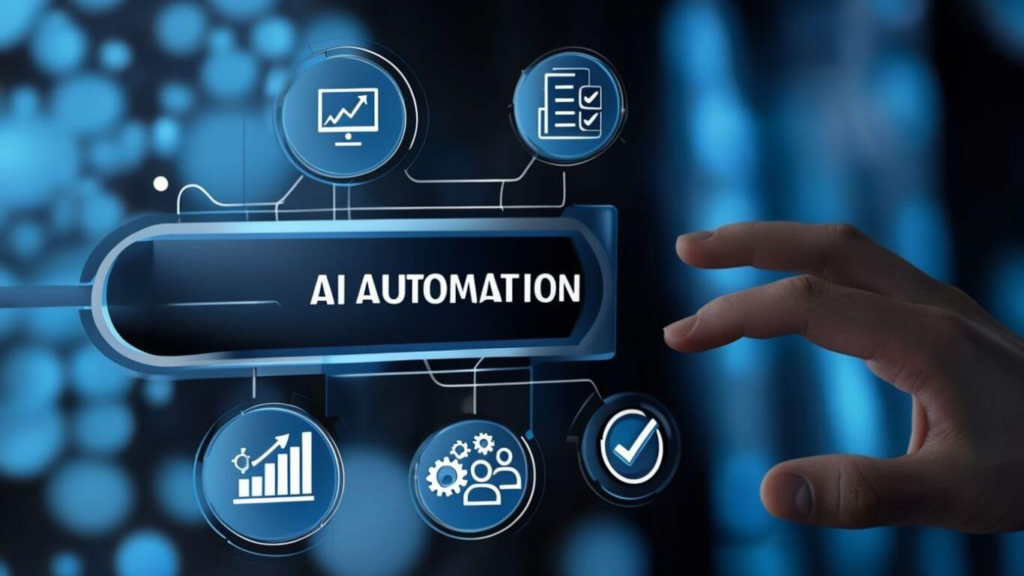
Artificial Intelligence refers to computer systems that can perform tasks that normally require human intelligence, such as learning, reasoning, language understanding, image recognition, and decision-making. Automation, on the other hand, uses technology to complete repetitive tasks with little or no human involvement.
When AI and automation work together, they create intelligent systems that can analyze information, adapt to changing situations, and perform complex processes more efficiently than traditional software.
Why AI and Automation Are Growing So Quickly
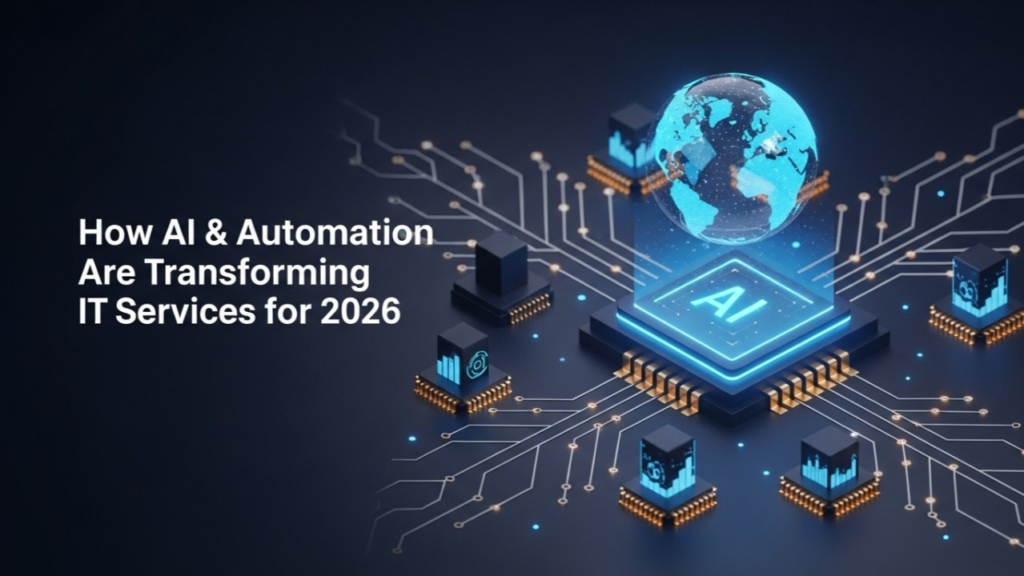
Several factors have accelerated the adoption of AI and automation across industries. Businesses are handling larger amounts of data, customer expectations continue to rise, and organizations are looking for ways to improve efficiency while reducing operational costs.
Cloud computing, faster internet connections, advanced machine learning models, and improved computing power have also made AI technologies more accessible to businesses and individuals.
AI-Powered Business Automation
Businesses are increasingly using AI to automate routine operations and improve decision-making. Customer service chatbots answer common questions, AI tools organize data, and intelligent software automates repetitive administrative tasks.
Marketing teams use AI to personalize campaigns, while finance departments automate invoice processing and expense tracking. Human resource teams rely on AI for resume screening, interview scheduling, and employee onboarding.
These improvements allow employees to focus more on creative thinking and strategic work.
Smarter Workplace Productivity

Workplaces are becoming more efficient with AI-powered productivity tools. Meeting assistants can summarize discussions, scheduling software automatically organizes calendars, and document tools generate reports or suggest edits in real time.
Automation also reduces manual work by handling repetitive tasks such as data entry, file organization, and workflow approvals, helping teams save valuable time.
AI in Customer Service
Customer support has improved significantly through AI-powered chatbots and virtual assistants. These systems can answer frequently asked questions, provide product recommendations, track orders, and assist customers around the clock.
When more complex issues arise, AI can quickly transfer conversations to human representatives while providing them with relevant customer information, creating a smoother support experience.
Automation in Manufacturing and Logistics
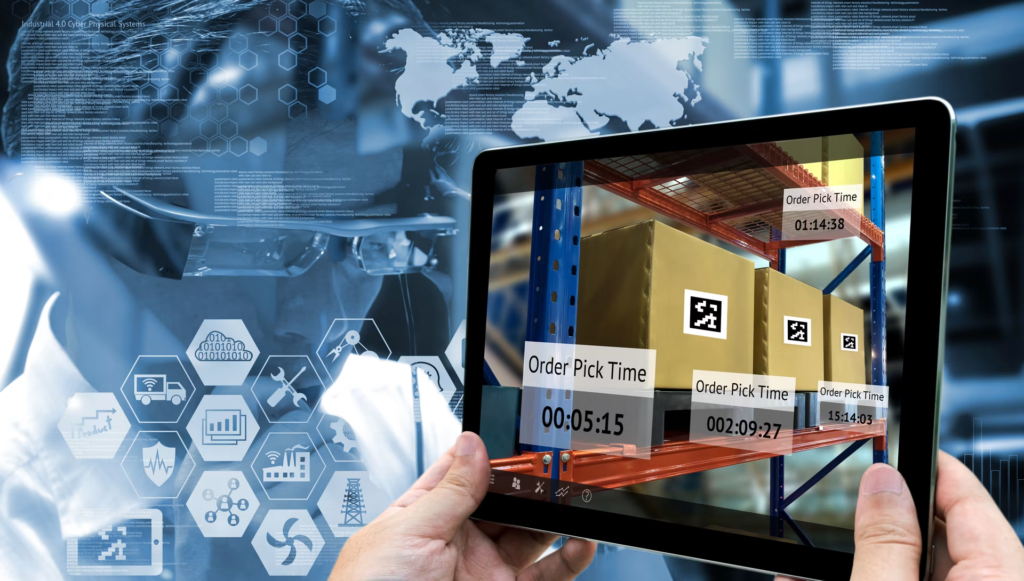
Manufacturing and logistics industries continue to benefit from automation through smart machines, robotics, and predictive maintenance. Automated systems can monitor equipment, identify potential issues before failures occur, and improve production efficiency.
Warehouses also use AI-powered robots to organize inventory, process orders, and optimize delivery routes, reducing operational costs and improving accuracy.
AI in Healthcare
Healthcare organizations are using AI to support medical professionals by analyzing patient data, identifying diseases earlier, and recommending treatment options. Automation also simplifies administrative work such as appointment scheduling, billing, and medical record management.
Wearable health devices powered by AI help individuals monitor their fitness, heart rate, sleep, and overall well-being, encouraging healthier lifestyles.
Emerging AI and Automation Trends in 2026

Several exciting trends are shaping the future of AI and automation.
Some of the most important developments include:
- Generative AI for content creation
- AI-powered coding assistants
- Intelligent workflow automation
- Predictive business analytics
- Hyperautomation across industries
- Voice-powered AI assistants
- Autonomous delivery systems
- AI-enhanced cybersecurity
- Smart factories and industrial automation
- Personalized customer experiences
These innovations are expected to become even more advanced over the coming years.
Challenges and Ethical Considerations
Although AI and automation offer many benefits, they also raise important questions about privacy, security, fairness, and employment. Organizations must ensure that AI systems are transparent, unbiased, and used responsibly.
Businesses should also invest in employee training to help workers develop new skills that complement automation rather than compete with it.
How Businesses Can Prepare
Companies looking to adopt AI and automation should begin by identifying repetitive tasks that consume time and resources. Choosing reliable software, training employees, and monitoring results can help ensure successful implementation.
Organizations should also prioritize data security, maintain human oversight for important decisions, and regularly evaluate how AI systems are performing.