

Artificial intelligence (AI) and automation are no longer futuristic concepts—they have become essential technologies that influence how we work, communicate, learn, and solve everyday problems. From virtual assistants that answer questions instantly to automated systems that manage complex business operations, AI is transforming industries at an incredible pace. In 2026, organizations of all sizes are adopting AI-powered solutions to improve productivity, reduce costs, and deliver better customer experiences.
As technology continues to evolve, understanding the latest AI and automation trends has become important for businesses, professionals, and individuals alike. Whether you are an entrepreneur looking to streamline operations or someone interested in the future of work, keeping up with these developments can help you stay competitive in a rapidly changing digital world.
Understanding AI and Automation
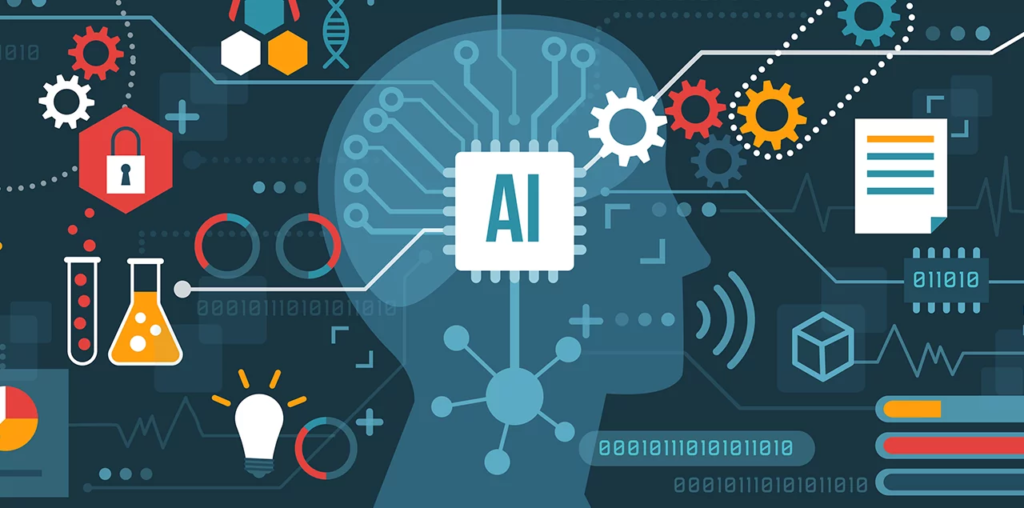
Artificial intelligence refers to computer systems that can perform tasks that normally require human intelligence. These tasks include recognizing images, understanding language, analyzing data, making predictions, and solving problems. Modern AI systems use machine learning and deep learning algorithms to improve their performance by learning from large amounts of data.
Automation, on the other hand, involves using technology to perform repetitive tasks with minimal human intervention. Traditional automation follows predefined rules, while AI-powered automation can analyze information, adapt to new situations, and make intelligent decisions.
When AI and automation work together, they create smarter systems capable of handling complex workflows, improving efficiency, and supporting better decision-making.
Why AI and Automation Are Growing Rapidly
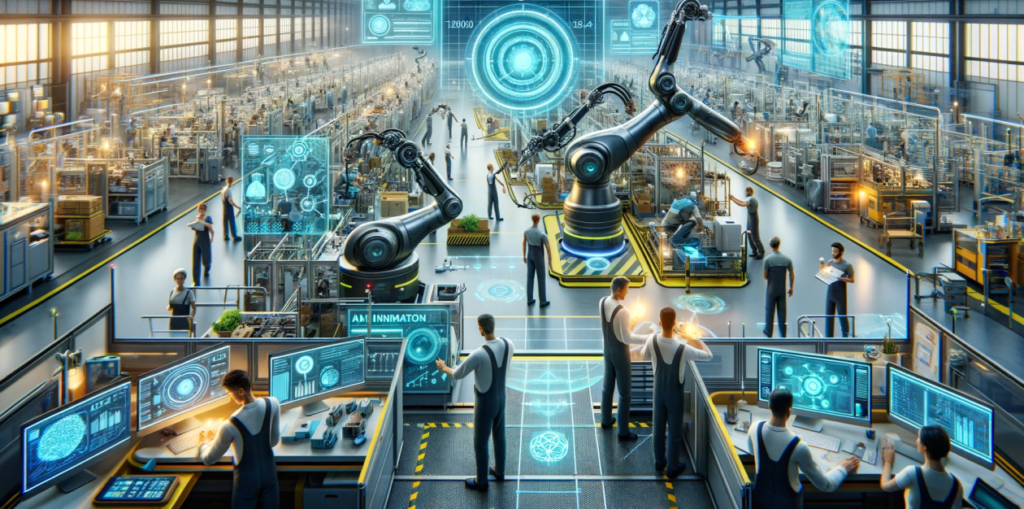
Several factors have contributed to the rapid growth of AI and automation in recent years.
One of the biggest drivers is the availability of massive amounts of digital data. Every online interaction, transaction, and connected device generates valuable information that AI systems can analyze to identify patterns and make predictions.
Cloud computing has also made AI more accessible. Businesses no longer need expensive hardware to develop AI solutions because cloud platforms provide scalable computing resources on demand.
Another important factor is the increasing demand for efficiency. Companies want to reduce repetitive manual work, minimize errors, and improve customer service. AI automation helps achieve these goals while allowing employees to focus on creative and strategic tasks.
Top AI and Automation Trends in 2026
Generative AI Continues to Expand
Generative AI has become one of the most influential technologies in recent years. These systems can generate text, images, videos, code, and even music based on user instructions. Businesses are using generative AI for content creation, software development, marketing campaigns, and customer support.
As the technology improves, generative AI is becoming more accurate, faster, and easier to integrate into everyday workflows.
AI-Powered Business Automation

Businesses are increasingly automating repetitive processes such as invoice processing, employee onboarding, document management, and customer service. AI-powered automation reduces processing time while improving accuracy and consistency.
Organizations that successfully automate routine tasks can allocate more resources toward innovation, customer relationships, and business growth.
Intelligent Virtual Assistants
Modern virtual assistants are becoming more capable than ever before. Instead of simply answering questions, they can schedule meetings, summarize documents, manage emails, and assist with research.
These intelligent assistants help individuals save time and increase productivity by handling administrative work efficiently.
AI in Healthcare

Healthcare continues to be one of the industries benefiting the most from AI innovation. AI systems assist doctors by analyzing medical images, identifying diseases earlier, supporting diagnosis, and recommending treatment options.
Hospitals also use automation to improve patient scheduling, manage medical records, and optimize hospital operations.
AI in Education
Education is becoming increasingly personalized through AI-powered learning platforms. Students receive customized lessons based on their learning speed and performance, while teachers use AI tools to create educational materials and monitor student progress.
This personalized approach helps improve learning outcomes while reducing administrative workloads for educators.
Hyperautomation
Hyperautomation combines artificial intelligence, robotic process automation, machine learning, and analytics into a single intelligent workflow. Instead of automating individual tasks, organizations automate entire business processes.
This trend is helping companies become more agile, efficient, and responsive to changing market conditions.
AI for Cybersecurity
As cyber threats become more sophisticated, AI plays a critical role in protecting digital systems. AI-powered cybersecurity tools monitor network activity continuously, detect unusual behavior, and respond to threats much faster than traditional security systems.
Organizations increasingly rely on AI to strengthen their defenses against cyberattacks.
Responsible and Ethical AI
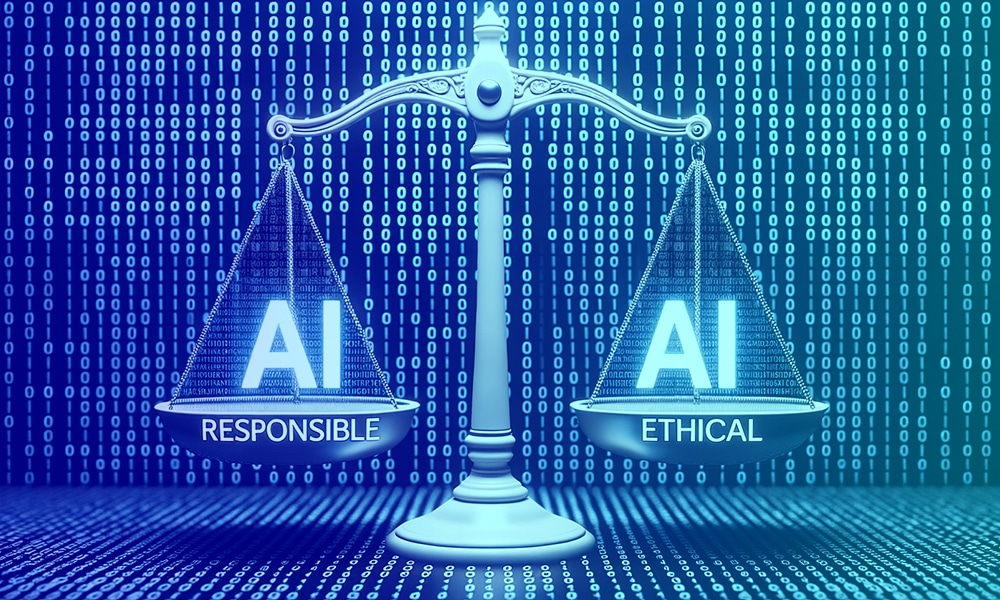
With AI becoming more powerful, businesses and governments are placing greater emphasis on responsible AI development. Organizations are focusing on transparency, fairness, privacy, and accountability when designing AI systems.
Ethical AI practices help build public trust while ensuring technology benefits society responsibly.
Benefits of AI and Automation
AI and automation offer numerous advantages across industries.
Some of the most important benefits include:
- Increased productivity through faster task completion.
- Improved accuracy by reducing human errors.
- Lower operational costs through automation.
- Better customer experiences with faster support.
- Data-driven decision-making using advanced analytics.
- Greater scalability for growing businesses.
- More time for employees to focus on creative and strategic work.
These advantages allow organizations to improve efficiency while remaining competitive in rapidly evolving markets.
Challenges of AI and Automation
Despite its many benefits, AI also presents several challenges.
Data privacy remains one of the biggest concerns, as AI systems often process large amounts of sensitive information. Organizations must implement strong security measures to protect user data.
Workforce transformation is another important issue. While automation creates new opportunities, some routine jobs may change significantly, requiring employees to develop new digital skills.
AI bias is also an ongoing challenge. If training data contains bias, AI systems may produce unfair or inaccurate outcomes. Developers must continuously monitor and improve AI models to ensure fairness.
Industries Being Transformed by AI
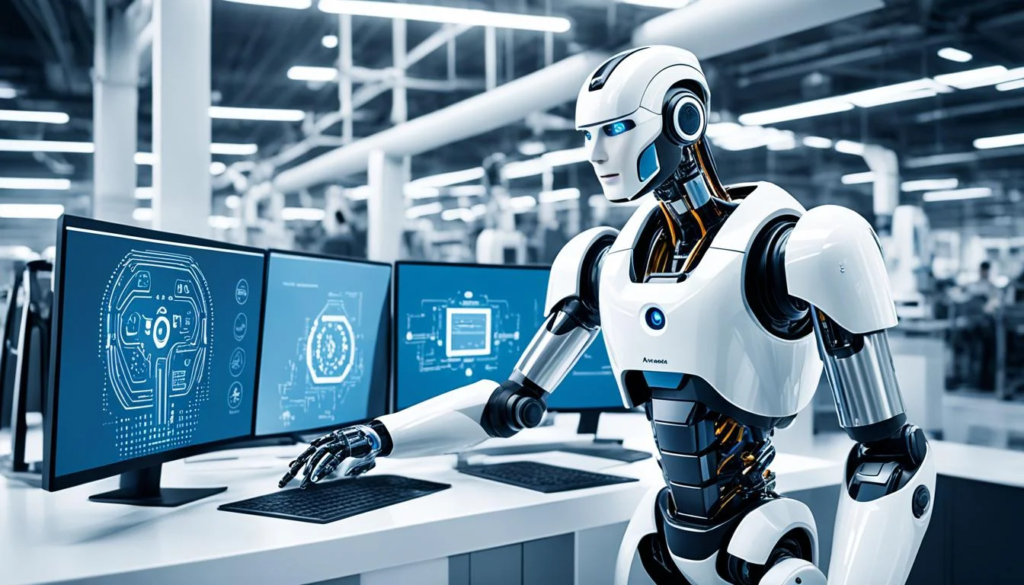
AI and automation are reshaping nearly every major industry.
Healthcare uses AI for diagnosis, patient care, and medical research.
Finance relies on AI for fraud detection, investment analysis, and customer service.
Retail businesses use AI for inventory management, personalized recommendations, and demand forecasting.
Manufacturing benefits from predictive maintenance, quality control, and automated production lines.
Marketing professionals use AI to analyze customer behavior, optimize campaigns, and generate content.
Education institutions implement AI-powered tutoring systems and personalized learning experiences.
Best AI Automation Tools in 2026
Several AI tools have become essential for businesses and professionals.
Popular solutions include ChatGPT for writing and research, Google Gemini for AI assistance, Microsoft Copilot for workplace productivity, Zapier for workflow automation, Make for connecting applications, Grammarly for writing improvement, Jasper AI for marketing content, and Notion AI for knowledge management.
These tools continue to evolve, offering increasingly sophisticated capabilities that simplify daily work.
Preparing for the Future

Organizations that want to remain competitive should begin integrating AI strategically rather than treating it as a temporary trend. Investing in employee training, improving data quality, and automating repetitive processes can create long-term value.
Businesses should also establish clear AI governance policies to ensure responsible use while protecting customer privacy and maintaining transparency.
Conclusion
The future of AI and automation is filled with opportunities for innovation, productivity, and growth. As intelligent technologies become more advanced, they will continue transforming industries, improving business operations, and enhancing everyday life. Organizations that embrace AI responsibly will be better positioned to adapt to changing market demands, while individuals who develop AI-related skills will gain valuable career opportunities. Although challenges such as privacy, ethics, and workforce adaptation remain important, the benefits of AI and automation far outweigh the risks when implemented thoughtfully. By understanding emerging trends and adopting these technologies strategically, businesses and professionals can confidently prepare for a smarter, more efficient, and increasingly connected future.
FAQ’s
1. What is AI and automation?
AI enables machines to think and learn, while automation performs tasks automatically.
2. How does AI improve businesses?
AI increases productivity, reduces costs, and improves decision-making.
3. Which industries use AI the most?
Healthcare, finance, retail, manufacturing, education, and marketing.
4. Is AI replacing human jobs?
AI automates repetitive tasks but also creates new career opportunities.
5. What are the best AI tools in 2026?
ChatGPT, Google Gemini, Microsoft Copilot, Zapier, Make, and Notion AI.