
This is exactly why content marketing isn’t just a buzzword for marketing teams—it is the closest thing to a survival strategy for modern businesses. Instead of trying to force a product down someone’s throat, this approach flips the script. It focuses on giving away real value upfront. By answering questions, offering clarity, and simplifying complicated problems, you build a connection based on mutual respect rather than a transactional pitch. It’s about earning attention rather than buying it.
What Content Marketing Really Means

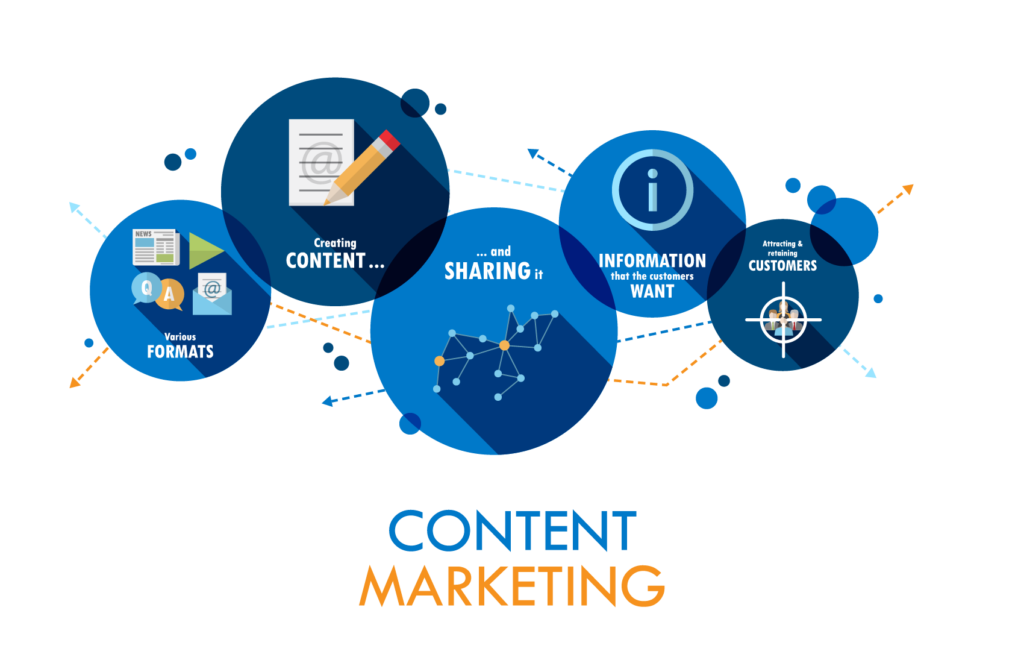
Strip away all the overcomplicated marketing jargon, and content marketing is surprisingly simple: it’s the art of communicating with your audience without trying to sell them anything right away. It is about creating useful, interesting, or comforting things—like an article, a video, a guide, or a podcast—and putting them out into the world for a specific group of people to discover.
Think about the last time you had a problem, like trying to fix a leaky faucet or figuring out how to file taxes for a freelance business. You didn’t look for an ad; you typed a question into a search bar. The brand that provided the clearest, most straightforward answer without demanding a credit card upfront is the one you remembered. That is the magic here. You aren’t tricking anyone into buying; you are proving you know your stuff so that when they are ready to spend money, you are the only choice that makes sense.
Why Content Marketing Matters for Business Growth

Every business owner wants a steady stream of new customers, but building a pipeline from scratch can feel like running on a treadmill. The second you stop spending money on paid advertisements, your traffic drops to zero. Content marketing changes that dynamic by building an asset that compounds in value over time.
When you create a high-quality piece of content, it doesn’t disappear after twenty-four hours. A single well-written blog post, an instructional YouTube video, or a practical downloadable checklist can live on your website for years, quietly introducing your brand to hundreds of new people every single week while you sleep. It creates a digital storefront that never closes, allowing your business to scale its visibility organically without a matching scale in your advertising budget.
Building Trust Through Helpful Content

Trust is the most expensive currency in business, and it cannot be automated or bought in bulk. In a crowded marketplace, consumers are hyper-skeptical. They know when they are being manipulated by smooth-talking copy or empty promises.
When your content repeatedly helps someone bypass a mistake or make an informed decision, their psychological relationship with your logo changes. They no longer view you as a company waiting to take their money.
The Teacher Approach: Think about the best teacher you ever had. They didn’t gatekeep information or try to trick you; they broke down hard concepts because they wanted you to succeed. When a business adopts that exact mindset—becoming an educational resource for its industry—the dynamic entirely shifts. You stop being a cold vendor and start being a trusted advisor.
Understanding Your Audience Before You Create Content
The biggest mistake businesses make with content marketing is writing or filming things based on what they want to talk about, rather than what their customers actually care about. If you sell accounting software, you might be dying to write a 4,000-word piece on the history of double-entry bookkeeping. But your actual audience is likely losing sleep over a much simpler question: “How do I categorize mileage so I don’t get audited?”

Before you ever draft a single headline, you need to understand the human being on the other side of the screen. What are their daily frustrations? What keeps them up at night? Do they prefer watching a quick two-minute video on their phone during a lunch break, or do they want a deep-dive guide they can print out and read with a cup of coffee? You don’t need fancy, expensive research tools to figure this out. Talk to your customer service team, read the comments on your social media pages, and look at the exact phrases people use when they email your support inbox.
Choosing the Right Content Formats

There is an overwhelming amount of choice when it comes to formats, and it is easy to feel like you have to be everywhere at once. You don’t. It is significantly better to do one thing beautifully than to spread yourself so thin that everything you produce feels half-baked.
- Written Blogs & Articles: The bedrock of the internet. They are perfect for answering deep, conceptual questions and giving search engines a reason to rank your website.
- Video Content: Unmatched for humanizing a brand. Watching a real person explain a concept build empathy and clarity in a way that plain text simply can’t match.
- Email Newsletters: Your direct line of communication. Unlike social media platforms where an algorithm decides who sees your work, an email inbox is an intimate space where you can nurture long-term relationships safely.
- Case Studies & Stories: The proof in the pudding. They take abstract ideas and ground them in the real world, showing exactly how a human being used your solution to change their situation.
Creating Content That Supports the Customer Journey
Every customer goes through a psychological process before they hand over their hard-earned money. Pushing a “Book a Sales Call” button on someone who just discovered your brand today is the digital equivalent of asking someone to marry you on the first date. It scares people away.
1.The Awareness Phase:Realizing the Problem.
The customer knows something is wrong, but they don’t know why. They need educational, high-level articles, short videos, and zero-pressure explanations that help them name and understand their problem.
2.The Consideration Phase:Weighing the Options.
They understand their problem and are looking at different ways to fix it. This is where you provide detailed comparisons, case studies, step-by-step masterclasses, and deep-dive checklists.
3.The Final Choice:Making the Decision.
They are ready to pull the trigger but have a little lingering doubt. Give them transparent pricing breakdowns, straightforward FAQ pages, raw customer video reviews, and clear onboarding expectations.
Common Mistakes to Avoid

The single biggest reason content marketing campaigns fail is impatience. It takes time for search engines to recognize your site, and it takes time for a human community to build real familiarity with your voice. Expecting massive financial returns after publishing three blog posts is a recipe for quitting too early.
| What to Avoid | Why it Fails | The Fix |
| The Non-Stop Pitch | Every article ends with a desperate sales message. | Focus 90% on education and 10% on gentle calls to action. |
| The Inconsistency Ghost | Publishing five pieces in a week, then disappearing for months. | Create a manageable rhythm (like one great piece every two weeks) and stick to it. |
| The Digital Rot | Letting old, outdated articles sit on your site forever. | Schedule time to update old content with fresh stats and clean information. |
The Human Side of Content Marketing

At the end of the day, content marketing isn’t about satisfying an algorithm or checking a box on a corporate strategy sheet. It is about human connection. The most unforgettable content reads like it was written by a real, living person who understands what it’s like to walk in the reader’s shoes.
Drop the dry, overly formal corporate speak. Avoid the buzzwords that don’t actually mean anything to a normal person. Write the way you talk to a friend over lunch—with clarity, honesty, warmth, and a little bit of personality. When you respect your reader’s time and treat them with genuine care, they will reward you with something far more valuable than a one-time click: their long-term loyalty and their trust.
FAQ’S
1. What is content marketing?
Content marketing is the process of creating valuable content to attract, engage, and retain your target audience.
2. Why is content marketing important for business growth?
It builds brand awareness, increases website traffic, generates leads, and strengthens customer trust.
3. What types of content are used in content marketing?
Common types include blog posts, videos, social media content, email newsletters, infographics, and case studies.
4. How long does content marketing take to show results?
Content marketing is a long-term strategy, and noticeable results typically appear within a few months of consistent effort.
5. Can small businesses benefit from content marketing?
Yes, content marketing helps small businesses reach new customers, improve online visibility, and grow their brand affordably.