
Remote Workflow work has quietly rewritten the rules of how we think, plan, communicate, and build together. A team no longer has to sit under the same heavy ceiling to create meaningful results. Today, people can work from Workflow the quiet sanctuary of a spare bedroom, the low hum of a busy neighborhood café, a mountain town where the air smells of pine, or a small apartment window bathed in the soft amber light of the morning sun.
Yet, even when scattered across geography, we can still move gracefully in the exact same direction. That level of freedom feels incredibly inspiring, like opening a window to let a fresh breeze through. However, it also brings a very real, human challenge: how do you keep everyone aligned and feeling connected when the entire team is spread across different places, shifting time zones, and deeply personal daily rhythms?
That is precisely where workflow tools enter the picture. They are not merely cold pieces of software or lines of code running on a distant server. Instead, they function as invisible bridges, helping remote teams stay deeply connected, organized, and emotionally calm in the middle of a fast-moving, sometimes chaotic workday. A truly good workflow tool can reduce mental confusion, save precious hours, and make daily collaboration feel smoother, almost like a river finding its natural, effortless path through the land. When the right tool is in place, people stop wasting their creative energy on repeated follow-ups, lost files, and unclear responsibilities. Instead, they can finally settle their minds and focus entirely on the work that truly matters to them.
Remote teams almost always need more than one single application, but the very best workflow platforms share a few beautiful common threads. They make human communication simple and honest, they keep tasks visible so no one feels left in the dark, they support genuine teamwork across vast distances, and they help individual people feel far less overwhelmed by the sheer volume of modern digital life. Most of all, they create a sense of order without making the actual work feel rigid, cold, or mechanical. In a world where digital tasks can easily pile up like dark storm clouds before a heavy rain, the right tool can bring a welcome breath of fresh air to a tired mind.
Why Workflow Tools Matter So Much for Remote Teams

When a team works remotely, the little things matter far more than we realize. A message left unread for a whole day, a task that is not clearly assigned to a specific soul, or a critical deadline that is only mentioned in passing can quickly turn into quiet anxiety and unnecessary stress. In a physical office, people can often solve confusion with a quick, casual conversation across a wooden desk or a shared smile in the hallway. Remote work does not always offer that comforting luxury. Out in the digital landscape, everything depends heavily on absolute clarity, thoughtful timing, and deep human trust.
Workflow tools help create that much-needed clarity. They give everyone a shared, digital space to see exactly what needs to be done, who is carrying the responsibility, and what stage the work is currently resting in. This brings a gentle structure to the day without crushing individual creativity or boxing people in.
It also makes team members feel deeply respected because no one has to constantly guess what is happening behind the scenes or wonder if their efforts are being noticed. When tasks are entirely visible and communication is beautifully organized, remote work ceases to feel like trying to catch the wind with your bare hands. Instead, it begins to feel like sailing with a true sense of purpose and direction.
Another vital reason these tools matter so much is that they directly support our emotional well-being and mental ease. Human beings naturally think and work better when their minds are not cluttered with scattered reminders, loose sticky notes, and half-finished thoughts. A strong, reliable workflow system lowers that internal mental noise significantly. It helps people breathe a little easier at their desks, think with greater depth, and move through their daily routines with far less friction and frustration.
What Makes a Great Workflow Tool

The best workflow tools for remote teams are usually incredibly simple to learn, flexible enough to adapt to human whims, and powerful enough to support many different working styles. Not every single team needs the identical setup. Some teams want a highly visual board where tasks move from one column to another like autumn leaves drifting gently along a slow stream. Others require detailed, linear timelines, seamless file sharing, deep comment threads, and quiet automation that takes care of repetitive, mundane tasks without making a sound.
A great workflow tool should always help people feel completely in control without making the actual process feel heavy, clinical, or burdensome. It should naturally reduce the need for endless, exhausting check-in meetings while still making daily collaboration feel warm, grounded, and inherently human. Tools that are overly complicated or poorly designed can slow a team down, frustrating people instead of helping them soar. The absolute best ones feel almost invisible after a while, because they blend naturally into the way human beings already think, reason, and create.
Remote teams also benefit immensely from tools that work smoothly across all of their personal devices. A person might choose to start a complex task on a laptop during the quiet morning, check a quick update on their phone while walking through a park, and review final feedback from a tablet later in the evening. If the tool naturally supports that kind of fluid lifestyle flexibility, the entire workflow feels more organic, holistic, and less interrupted by tech barriers.
Asana: Workflow Clear Structure for Busy Teams
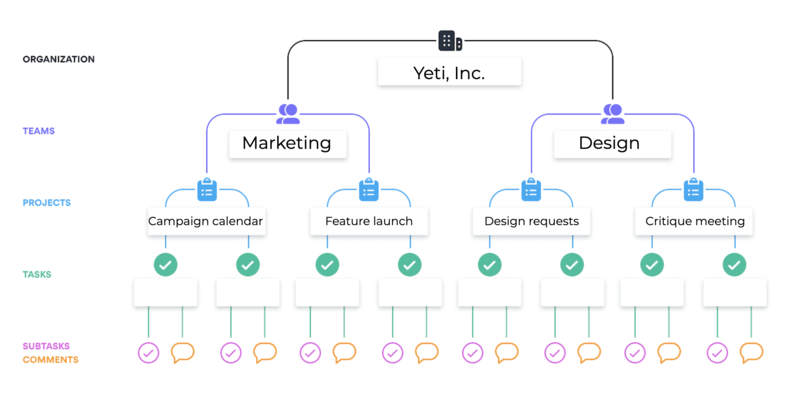
Asana stands as one of the most trusted and steady workflow tools for remote teams because it brings a powerful sense of grounded structure to the chaos of daily work. It is especially useful for teams that find themselves managing several intricate projects all at once and need a crystal-clear way to track shifting tasks, strict deadlines, and individual responsibilities. Its intentional layout helps turn massive, intimidating goals into smaller, beautifully manageable steps, which instantly makes work feel less like an insurmountable mountain and more like a walkable, pleasant trail.
One of Asana’s greatest human strengths is total visibility. Team members can instantly see who is working on what, what items are due in the coming days, and how one small task connects directly to a larger collective dream. This kind of open transparency reduces silent confusion and supports individual accountability in a gentle, highly practical way. For remote teams, that matters a great deal because people must rely heavily on written updates rather than spontaneous face-to-face conversations.
Asana also supports thoughtful, deep collaboration. Dedicated comments, direct file attachments, and varied project views help teams keep their discussions permanently tied to the actual work itself. That means fewer scattered emails and more focused, intentional progress. For teams that want a healthy balance between firm structure and everyday ease, Asana can quickly feel like a highly dependable, reassuring companion.
Trello: Simple, Visual, and Easy to Love
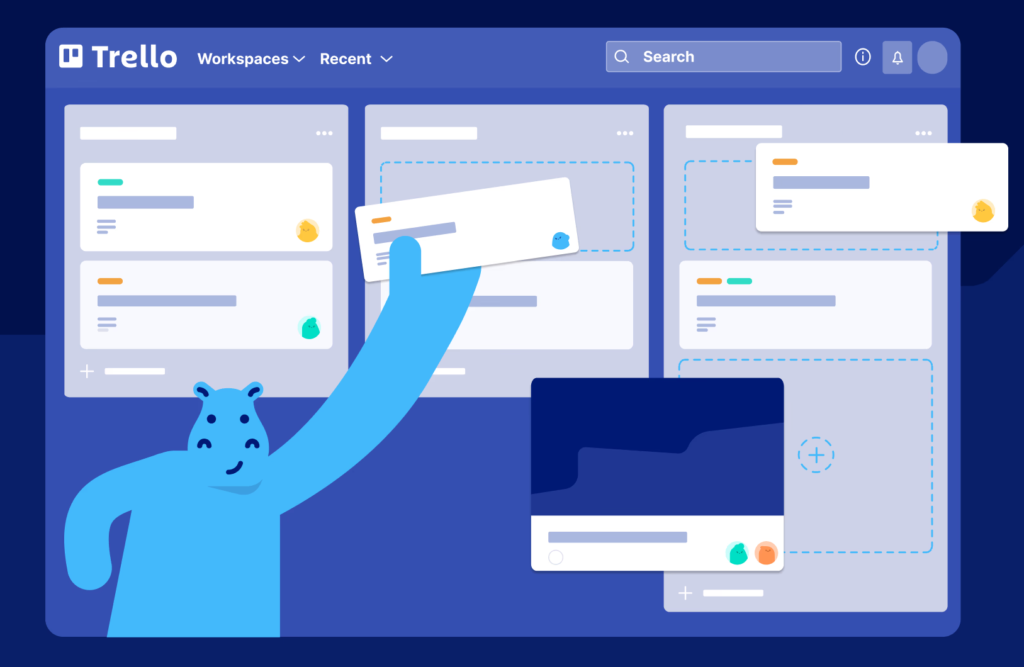
Trello has an entirely different kind of charm. It is beautifully, intentionally simple, and that simplicity is precisely where its true power lies. For teams that prefer to process information and progress through a visual lens, Trello’s card-based system can feel incredibly intuitive from the very first moment they open it. Tasks move across digital boards in a way that feels completely natural, almost like watching white clouds shift lazily across an open summer sky.
This beautifully visual approach is incredibly helpful for remote teams that just need a quick, instant understanding of where things currently stand without getting bogged down in details. You do not have to dig through complicated, nested menus to get the grand picture. A single board can reveal work in progress, tasks patiently waiting for a final review, and completed items in a way that is remarkably easy for the human eye to scan and digest in seconds.
Trello works beautifully for smaller teams, creative spirits, and anyone who fundamentally prefers simplicity over heavy, rigid systems. It can also be easily customized with colorful labels, detailed checklists, clear deadlines, and smart integrations, meaning it can grow gracefully alongside the team. For many remote workers, Trello feels much less intimidating than more clinical platforms, which makes it easier for people to genuinely adopt it into their daily lives.
ClickUp: Flexible Enough for Almost Any Team
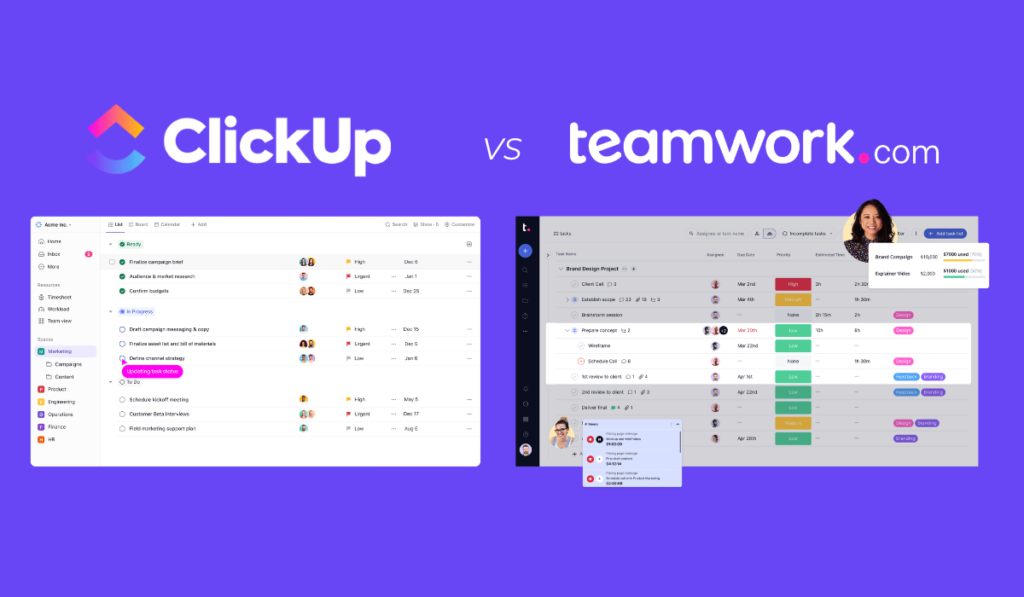
ClickUp is frequently chosen by teams that desire one centralized, expansive place to manage every single moving part of their daily workflow. It is widely known for its immense, shape-shifting flexibility, and that adaptability can be a massive advantage for remote teams composed of vastly different roles and different personal ways of thinking. Some people naturally think in lists, others think in visual boards, some prefer time-mapped calendars, and others need highly detailed documentation. ClickUp tries its best to bring all of these human preferences together under one digital roof.
That broad, inclusive range of features can be incredibly useful for remote teams that are rapidly growing, changing, and figuring out their identity. A young startup, for example, might begin its journey with very simple task management and later find themselves needing advanced planning tools, long-term goal tracking, and detailed analytical reporting. ClickUp can adapt to that kind of human growth without forcing the entire team to painfully migrate to a brand-new platform too soon.
At its very best, ClickUp gives teams a profound sense of control over their entire working landscape. It can centralize information in a way that significantly reduces the exhausting need to constantly jump between multiple open browser tabs and apps. For remote teams that deeply value efficiency and tailored customization, that can be a real gift. The only gentle caution is that the platform can take some time and patience to learn, but once it is set up mindfully, it can easily become a powerful, comforting home base for the entire collective.
Notion: A Calm Space for Thinking and Building
Notion is far more than just a typical workflow tool. It is an intentional, quiet workspace designed for deep thinking, writing, planning, and organizing in an incredibly fluid way. For remote teams that need an equal mix of strict structure and wild, creative freedom, Notion can feel like a quiet, open field where seeds of ideas have plenty of room to take root and grow. It is especially brilliant for teams that want to keep their internal documentation, meeting notes, project plans, and collective human knowledge carefully preserved in one single place.
One of Notion’s absolute greatest strengths is that it helps teams build a vibrant, shared brain. In the world of remote work, valuable knowledge can so easily get lost in old message histories, forgotten files, or people’s private notebooks. Notion brings that vital knowledge back out into one highly accessible, beautifully designed space. That makes it infinitely easier for individual team members to find their own answers independently, without always having to interrupt someone else’s focused quiet time.
Notion is also deeply loved for its clean, minimalist aesthetics and highly customizable pages. It allows remote teams to shape their digital workspace completely around their unique human habits instead of forcing them into a rigid, pre-made system. For thoughtful, intellectual teams that deeply value clarity, literature, and mental calm, it often feels like a very natural, comforting fit.
Slack: Fast Communication Without Too Much Noise

Even the absolute best workflow system needs a pulse of real-time communication to keep it alive, and Slack has become one of the most common digital environments for that exact purpose. Remote teams use it to share spontaneous updates, ask urgent questions, make quick decisions, and keep the human conversation moving forward. When used with care and intention, Slack can feel like a lively, warm digital hallway where thoughts and ideas flow entirely naturally.
The true key to finding peace with Slack is balance. It can be incredibly useful for fast, nimble communication, but it can also become a noisy, distracting forest if channels are not managed with a gentle hand. Remote teams that genuinely succeed with Slack usually set clear, empathetic expectations about where different conversations belong and how quickly people are expected to reply. That keeps the digital space useful, welcoming, and polite instead of loud and overwhelming.
Slack works best when it gracefully complements the broader workflow instead of replacing it entirely. It should support the human beings behind the screens, not constantly scatter their precious attention. Used with deep care, it helps people stay emotionally close even when they are physically oceans apart. A short message, a quick emoji reaction, or a helpful, supportive thread can keep a project moving beautifully without any unnecessary delay.
Monday.com: Visual Organization With a Professional Feel Workflow
Monday.com is another incredibly popular choice for remote teams that want clear, explicit organization wrapped in a highly polished, professional look. It offers a wonderfully vibrant, color-coded way to manage complex projects, shifting timelines, and human responsibilities. Many teams deeply appreciate how easy it is to see collective progress at a single glance. The platform makes work feel inherently orderly, almost like looking down at a well-designed garden where every path, plant, and section has its own intentional place to thrive.
It is particularly useful for teams handling marketing campaigns, complex operations, client-facing work, or cross-functional projects that involve many different departments. Because it allows for deeply custom workflows, teams can gracefully adjust the software to fit their existing human processes rather than forcing people to painfully change their natural habits to fit the tool. That kind of adaptability makes it incredibly valuable for remote collaboration.
Monday.com also stands out for its elegant automation features that quietly handle repetitive, mind-numbing tasks. When routine steps are taken care of automatically, the human beings on the team suddenly find themselves with more time, space, and mental energy for creative, strategic, and deeply thoughtful work. That kind of relief matters immensely in remote environments, where people are often juggling many personal and professional responsibilities all at once.
Workflow Choosing the Right Tool for Your Team
At the end of the day, there is absolutely no single, perfect workflow tool that will fit every remote team on Earth. The absolute best choice always depends heavily on the unique size of your team, the specific kind of creative work being done, and the way your people naturally prefer to communicate and express themselves.
A small, tight-knit creative team might feel happiest and most grounded with the visual simplicity of Trello or the open canvas of Notion.
A rapidly growing company with many moving parts and stakeholders might prefer the firm guidance of Asana or the vastness of ClickUp. A team that relies heavily on fast-paced, fluid communication will likely need Slack sitting right alongside a strong, steady task management tool. Meanwhile, a visually driven team that loves color and metrics will thoroughly enjoy the interface of Monday.com.
The most critical thing to remember is that you should not simply choose the tool with the longest, most expensive list of features. Instead, you must choose the one that feels human enough, intuitive enough, and natural enough for your specific people to actually want to use it every single day. Tools only truly help us when they become a seamless, welcoming part of the team’s daily human rhythm. A remarkably simple tool that is used consistently and with joy is far better than a complex, heavy system that sits completely abandoned, like an overgrown path in the deep woods.
It is also incredibly wise to think deeply about your unique team culture. Some groups of humans naturally thrive under a lot of firm structure and clear guardrails. Others need a wide-open space and total creative freedom to do their best thinking. Some prefer short, asynchronous written updates, while others process the world through highly visual systems. When the tool genuinely matches the human beings using it, the daily work suddenly begins to feel lighter, more meaningful, and beautifully connected.
FAQs
1.What is a workflow tool for remote teams?
A workflow tool is software that helps remote teams organize tasks, assign responsibilities, track project progress, share files, and collaborate efficiently from different locations. It simplifies communication and ensures everyone stays aligned on project goals.
2.Why are workflow tools important for remote work?
Workflow tools improve productivity by reducing communication gaps, organizing tasks, automating repetitive processes, and providing transparency across projects. They help remote teams work more efficiently and meet deadlines without confusion.
3.What features should I look for in a workflow management tool?
Look for features such as task management, project tracking, team collaboration, file sharing, automation, calendar integration, time tracking, reporting, mobile accessibility, and integrations with popular business applications.
4.Are free workflow tools good enough for small remote teams?
Yes. Many workflow platforms offer free plans with essential features that are suitable for startups, freelancers, and small remote teams. As your business grows, you can upgrade to premium plans for advanced functionality.
5.Which workflow tool is easiest to use for beginners?
Trello is often considered one of the easiest workflow tools for beginners because of its simple drag-and-drop interface. Notion is also beginner-friendly for teams that want an all-in-one workspace for notes, documentation, and project management.