
Artificial intelligence (AI) and automation are no longer technologies reserved for large corporations with massive budgets. In 2026, businesses of every size—from startups and small businesses to global enterprises—are using AI-powered tools to improve productivity, reduce operational costs, and deliver better customer experiences. As competition increases across industries, companies that embrace intelligent automation are gaining a significant advantage.
AI automation combines machine learning, data analysis, and automated workflows to perform tasks that once required human effort. From customer support and marketing to finance and inventory management, AI helps organizations work faster, make better decisions, and focus on innovation rather than repetitive tasks.
This guide explains how AI automation works, its business benefits, practical applications, challenges, and strategies for implementing it successfully.
What Is AI Automation?
AI automation is the process of using artificial intelligence technologies to automate business operations. Unlike traditional automation, which follows fixed rules, AI can learn from data, recognize patterns, and improve its performance over time.
Businesses use AI automation to simplify repetitive tasks while enabling employees to focus on creative thinking, strategy, and customer relationships.
Common AI technologies include:
- Machine learning
- Natural language processing
- Computer vision
- Predictive analytics
- Robotic process automation (RPA)
- Generative AI
Together, these technologies create smarter systems capable of handling increasingly complex business operations.
Why AI Automation Matters

Every business wants to become more productive while reducing unnecessary costs. AI automation helps achieve these goals by increasing speed, improving accuracy, and supporting better decision-making.
Some of the biggest advantages include:
- Faster task completion
- Reduced human error
- Improved customer service
- Better business insights
- Lower operating costs
- Higher employee productivity
- Scalable business growth
Instead of replacing employees, AI often supports them by removing repetitive work and allowing teams to concentrate on high-value activities.
How AI Automation Works
AI automation begins with collecting business data. The system analyzes information, identifies patterns, learns from previous results, and recommends or performs actions automatically.
A typical workflow includes:
- Collecting business data.
- Processing and analyzing information.
- Identifying trends and opportunities.
- Making predictions or recommendations.
- Automating routine tasks.
Challenges of AI Automation

Although AI automation offers significant advantages, businesses may encounter challenges during implementation. Understanding these obstacles helps organizations prepare and develop effective solutions.
Initial Investment
Implementing AI solutions often requires spending on software, employee training, and system integration. While the upfront costs can be substantial, the long-term savings and productivity gains usually outweigh the investment.
Data Security and Privacy
AI systems rely on large amounts of business and customer data. Protecting this information through strong cybersecurity measures and compliance with privacy regulations is essential for maintaining customer trust.
Employee Training

Employees need the skills to work alongside AI tools effectively. Businesses that invest in continuous learning and professional development are better equipped to maximize the benefits of automation.
System Integration
Many companies use multiple software platforms. Ensuring that AI tools integrate smoothly with existing systems is critical for avoiding disruptions and improving workflow efficiency.
How to Successfully Implement AI Automation
Businesses should adopt AI gradually rather than attempting to automate everything at once.
Identify Repetitive Tasks
Start by identifying routine processes that consume significant time, such as data entry, email management, scheduling, reporting, or customer support.
Set Clear Goals

Define measurable objectives before implementing AI. Goals may include reducing costs, improving customer satisfaction, increasing productivity, or generating more sales.
Choose the Right AI Tools
Select solutions that match your business size, industry, budget, and long-term goals. User-friendly platforms often allow businesses to expand their automation capabilities over time.
Train Your Team
Employees should understand how AI tools support their work rather than replace it. Training encourages confidence, improves adoption, and helps teams use automation more effectively.
Monitor Performance
Regularly evaluate AI systems using performance metrics such as time savings, customer satisfaction, operational costs, and productivity improvements. Continuous monitoring ensures the system delivers consistent value.
Popular AI Automation Tools
Many businesses rely on AI-powered platforms to streamline daily operations.
| Tool Category | Business Use |
|---|---|
| AI Chatbots | Customer support and engagement |
| CRM Automation | Sales tracking and customer management |
| Marketing Automation | Email campaigns and lead nurturing |
| Workflow Automation | Task management and approvals |
| AI Writing Tools | Content creation and editing |
| Analytics Platforms | Business intelligence and reporting |
| Project Management Tools | Team collaboration and planning |
| Accounting Software | Financial automation and reporting |
Selecting the right combination of tools depends on your business objectives and operational needs.
Future Trends in AI Automation
AI technology continues to evolve rapidly. Several trends are expected to shape the future of business automation.
Smarter Decision Support
AI will provide deeper insights by analyzing real-time data and recommending strategic business decisions.
Hyperautomation

Businesses will use AI to deliver highly personalized recommendations, offers, and customer interactions based on individual preferences.
Voice and Conversational AI
Voice assistants and conversational AI will become more advanced, enabling customers and employees to interact naturally with business systems.
Predictive Analytics
AI will increasingly forecast customer behavior, market trends, inventory requirements, and financial performance, helping businesses make proactive decisions.
Responsible AI
Organizations will place greater emphasis on transparency, fairness, security, and ethical AI practices to build customer trust and meet regulatory requirements.
Best Practices for AI Automation
To achieve long-term success, businesses should follow these best practices:
- Begin with small automation projects before expanding.
- Focus on solving real business challenges.
- Maintain high-quality and accurate data.
- Keep employees involved throughout implementation.
- Regularly review AI performance and update systems.
- Protect sensitive business and customer information.
- Balance automation with human expertise for the best outcomes.
Why AI Automation Is a Smart Investment
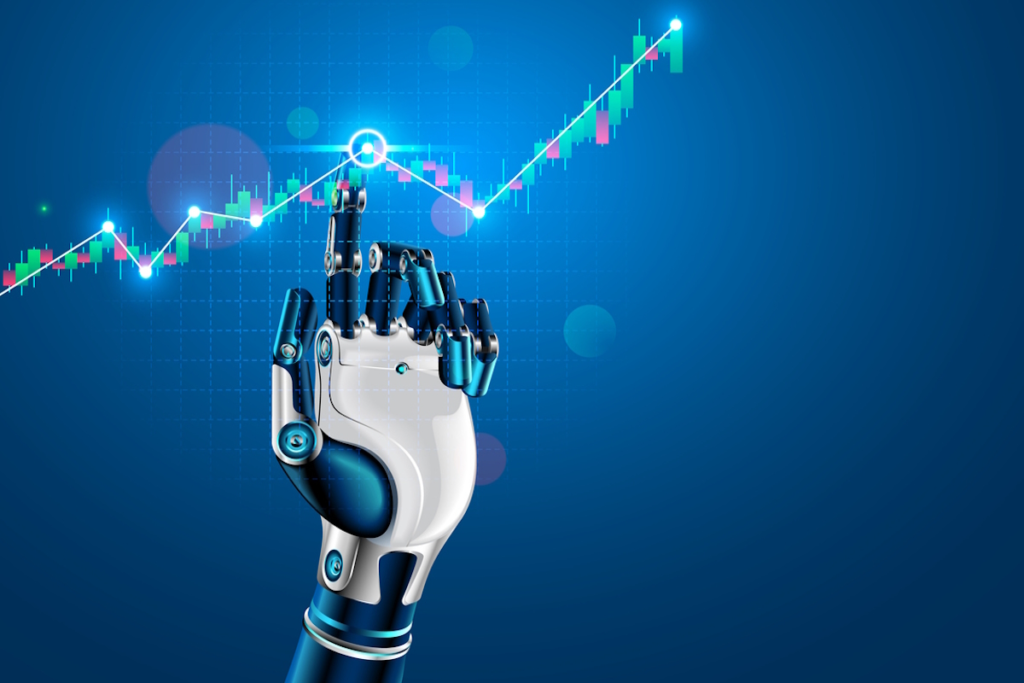
Businesses that embrace AI automation position themselves for sustainable growth. Automation improves operational efficiency, supports faster decision-making, enhances customer satisfaction, and enables organizations to scale more effectively.
As AI technologies become more affordable and accessible, even small businesses can benefit from intelligent automation. Companies that invest today will be better prepared to compete in an increasingly digital economy.
Conclusion
AI automation is transforming the way businesses operate by making processes faster, smarter, and more efficient. From customer service and marketing to finance and human resources, intelligent automation is helping organizations reduce costs, improve productivity, and deliver exceptional customer experiences.
While implementing AI requires planning, investment, and employee training, the long-term benefits far outweigh the challenges. Businesses that adopt AI strategically, focus on continuous improvement, and combine technology with human expertise will be well-positioned for future success.
As technology continues to evolve, AI automation will become an essential part of every modern business. Organizations that embrace innovation today will be better equipped to grow, compete, and thrive in the years ahead.
FAQ’s
1. What is AI automation?
AI automation uses artificial intelligence to perform business tasks with minimal human intervention.
2. Which industries benefit most from AI automation?
Healthcare, finance, retail, manufacturing, logistics, education, and marketing all benefit significantly.
3. Does AI automation replace employees?
No. It mainly automates repetitive tasks, allowing employees to focus on strategic and creative work.
4. Is AI automation suitable for small businesses?
Yes. Many affordable AI tools help small businesses improve efficiency and productivity.
5. What is the biggest benefit of AI automation?
It increases productivity, reduces costs, improves accuracy, and supports smarter business decisions.