
Workflow Tools help individuals and businesses automate tasks, improve collaboration, streamline workflows, and increase productivity. Discover the best workflow management tools, automation platforms, and smart solutions to work faster and more efficiently in 2026.
Whether you’re a freelancer, small business owner, or part of a large organization, the right digital applications can transform the way you work. This comprehensive guide explains everything you need to know about workflow tools, their transformative benefits, popular platforms, and how to choose the best one for your unique operational needs.
What Are Workflow Tools?
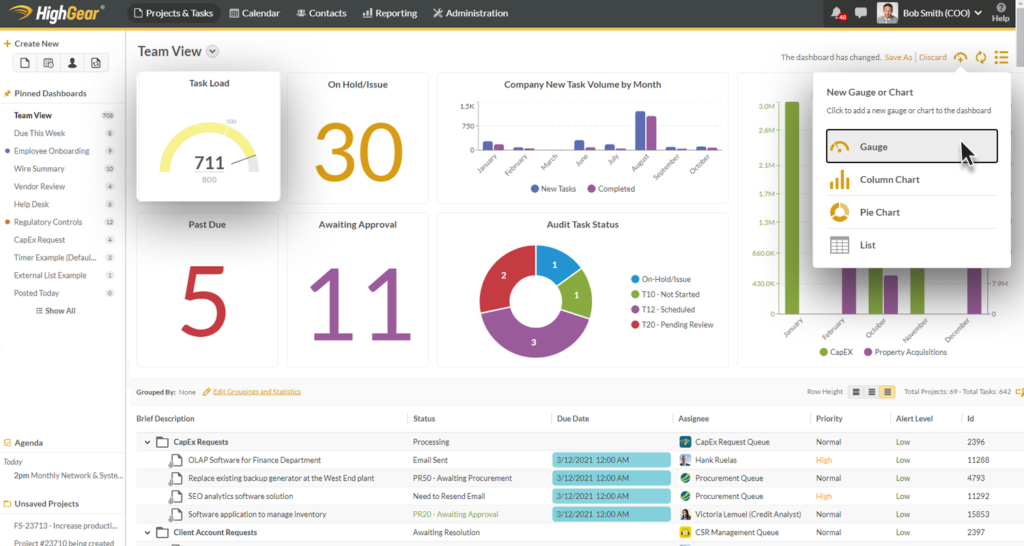
Workflow tools are digital applications that help individuals and teams organize, manage, and automate work processes. Instead of tracking tasks through scattered emails, messy spreadsheets, or handwritten notes, workflow tools provide a centralized platform where projects, deadlines, files, and communication can be managed efficiently.
By bringing all moving parts into a single interface, these tools improve visibility, reduce manual guesswork, and ensure that every team member knows their exact responsibilities. They act as a single source of truth for organizations, mapping out business processes from initiation to final completion.
Why Workflow Tools Are Important
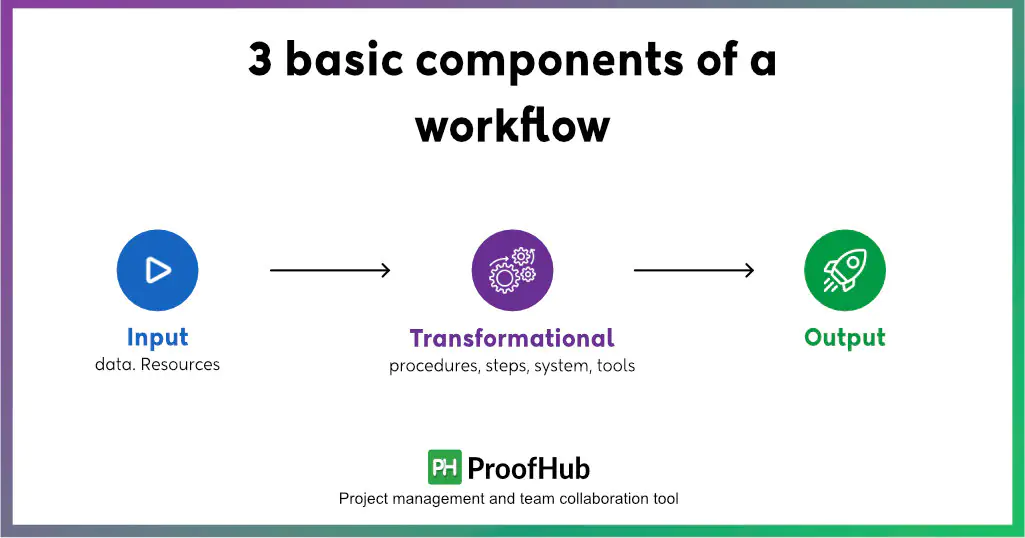
Workflow tools have become essential because businesses need faster, more organized ways to manage work in an increasingly digital world. They reduce confusion, improve daily collaboration, and help cross-functional teams complete projects on time.
Instead of spending hours following up on tasks via chat apps or searching through endless folders for documents, employees can focus on meaningful, high-value work while workflow software handles organization and automation. This shift from reactive firefighting to proactive management is what allows modern companies to scale efficiently without burning out their workforce.
Key Features of Workflow Tools
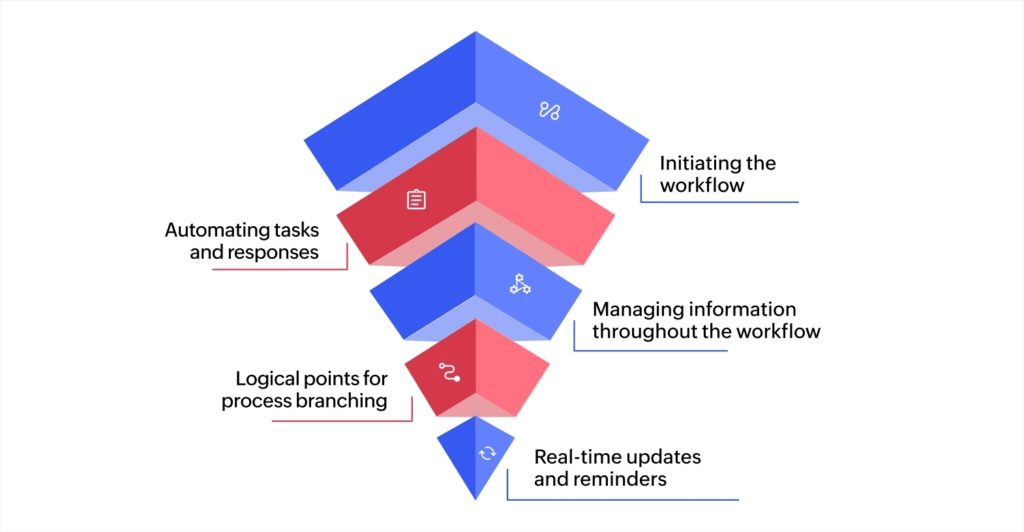
Most workflow management platforms include several powerful features designed to boost daily productivity and streamline operations. These commonly include robust task management, interactive project tracking, secure file sharing, and real-time team collaboration tools.
Additionally, advanced platforms offer built-in workflow automation, automated deadline reminders, comprehensive reporting dashboards, and seamless integrations with popular business applications like email, calendars, and cloud storage. Together, these features create a highly organized, transparent, and efficient working environment.
Benefits of Using Workflow Tools
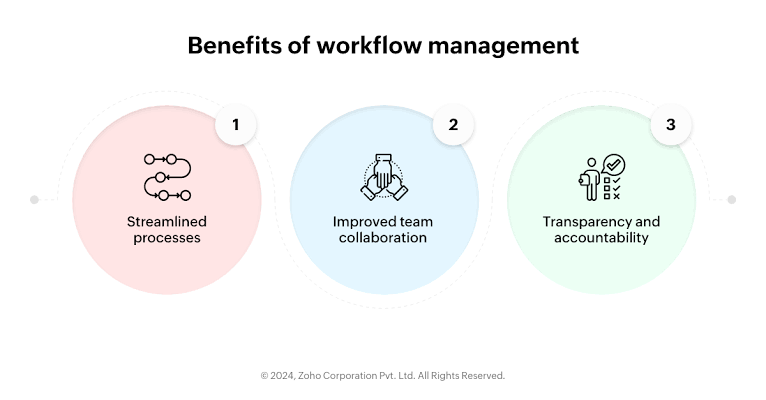
Workflow tools offer numerous advantages for individuals and large organizations alike. They improve task visibility, drastically reduce manual administrative work, enhance team communication, increase accountability, and help teams stay on schedule.
Furthermore, businesses benefit from better resource management, improved customer service, and higher overall productivity by streamlining daily operations. When everyone knows what to do, how to do it, and when it is due, the entire organization operates with greater agility and confidence.
Popular Workflow Tools Comparison
Several workflow tools are widely used across different industries, each offering unique features and strengths tailored to specific business styles.
| Tool Name | Best For | Key Features |
| Asana | General project management | Task tracking, visual timelines, basic automation, team collaboration |
| Trello | Simple task management | Kanban boards, custom checklists, intuitive drag-and-drop interface |
| ClickUp | All-in-one productivity | Customizable tasks, docs, goal tracking, dashboards, automation |
| Monday.com | Business workflow management | Visual workflows, robust reporting, custom automation, integrations |
| Notion | Knowledge management | Centralized notes, wikis, databases, project planning, documentation |
| Jira | Software development | Agile project management, sprint planning, bug tracking, release maps |
| Microsoft Planner | Microsoft 365 users | Simple task management, office collaboration, deep Microsoft integration |
| Slack | Team communication | Direct messaging, public channels, workflow builder, app integrations |
Workflow Automation Saves Time

One of the biggest advantages of modern workflow tools is intelligent automation. Instead of managers manually assigning tasks, sending follow-up reminders, updating project statuses, or compiling weekly reports, automation performs these repetitive actions instantly and automatically.
This drastically reduces human error, saves valuable administrative time, and allows employees to focus their energy on more strategic, creative, and revenue-generating responsibilities. Eliminating these minor friction points results in massive time savings over the course of a business year.
How Workflow Tools Improve Team Collaboration
Effective collaboration is essential for successful projects, especially in distributed teams. Workflow tools provide a shared digital workspace where team members can communicate contextually, assign tasks, share documents, track real-time progress, and provide instant updates.
This deep transparency reduces misunderstandings and ensures everyone stays perfectly aligned with project goals, regardless of their physical location or time zone. By keeping conversations directly attached to tasks, teams eliminate the need for unnecessary status meetings.
Choosing the Right Workflow Tool
Selecting the right workflow tool depends heavily on your business size, team structure, budget, and daily operational complexity. Before making a final financial decision, organizations must carefully consider factors such as ease of use, customization options, automation capabilities, third-party integrations, data security, mobile accessibility, and customer support.
Testing free trials and creating small pilot groups is a great, risk-free way to determine which platform best fits your organization’s unique culture and technical workflow needs.
Common Challenges When Using Workflow Tools
Although workflow tools vastly improve efficiency, organizations frequently face some predictable adoption challenges during implementation. Employees may require dedicated training to learn new software, and teams may actively resist changing existing processes that they are comfortable with.
Additionally, integrating new tools with older legacy systems can take technical time and effort. To maximize the benefits of their chosen platform, businesses must focus heavily on change management, proper data security, and establishing clear operational guidelines from day one.
Best Practices for Using Workflow Tools
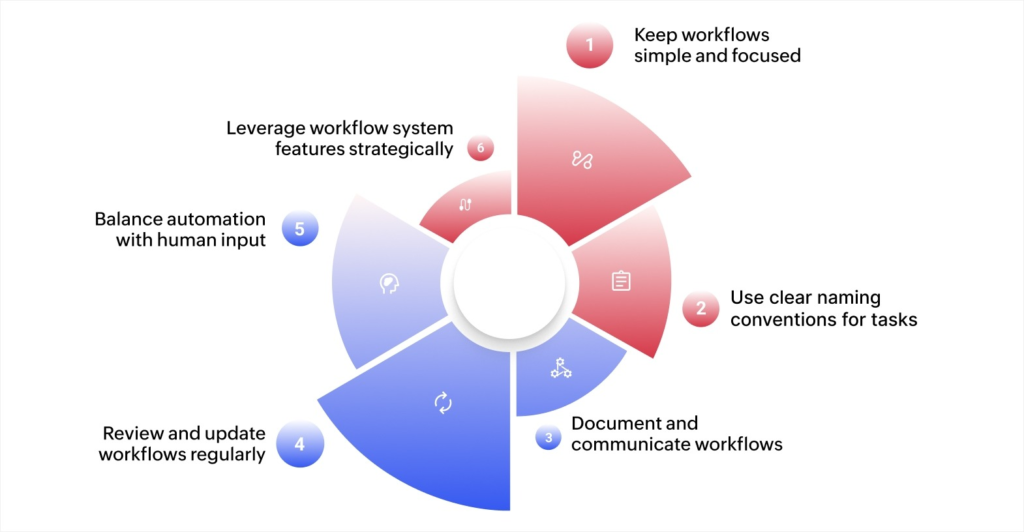
To get the maximum possible value from your workflow tools, businesses should focus on creating standardized workflows that are easy to follow. Leaders must assign clear responsibilities, automate repetitive tasks, regularly review project progress through dashboards, and encourage open, transparent communication among team members.
It is vital to keep workflows simple in the beginning; over-engineering a process with too many rules can confuse users. Continuously reviewing and improving your digital setups will help your teams remain productive and organized as the business grows.
The Future of Workflow Tools
Workflow tools continue to evolve rapidly with major advancements in Artificial Intelligence and machine learning. AI-powered features can now automatically prioritize tasks, summarize long meetings, generate status reports, predict project risks, and automate highly complex multi-step workflows.
As remote and hybrid work environments continue to dominate the global economy, workflow tools will become even more intelligent, helping organizations collaborate more effectively, reduce cognitive load, and make faster, data-driven decisions.
Workflow tools have transformed from a luxury into an essential part of modern business operations. By helping teams organize projects, eliminate manual administrative burdens, and collaborate more effectively, they pave the way for sustainable growth.
Whether you are managing a small freelance business or a massive enterprise organization, choosing the right workflow software can significantly improve productivity, communication, and overall efficiency. By deeply understanding your team’s needs, selecting the right platform, and following established best practices, you can build smarter digital workflows that support long-term business success.
Frequently Asked Questions (FAQs)
1. What are workflow tools?
Workflow tools are specialized software applications that help individuals and teams organize daily tasks, automate repetitive processes, manage complex projects, and improve overall team collaboration from a single centralized platform.
2. Why are workflow tools important?
They are crucial because they increase workplace productivity, reduce manual errors, improve team communication, streamline complex business processes, and help teams complete projects on time without unnecessary stress.
3. Which industries use workflow tools?
Workflow tools are highly versatile and widely used in marketing, software development, healthcare, education, finance, manufacturing, human resources, and professional project management across the globe.
4. Can small businesses benefit from workflow tools?
Yes, absolutely. Small businesses frequently use workflow tools to organize daily tasks, maximize limited resources, improve internal team collaboration, automate repetitive administrative work, and manage client projects more efficiently.
5. What features should I look for in a workflow tool?
At a minimum, you should look for robust task management, user-friendly workflow automation, easy file sharing, real-time collaboration features, clear reporting dashboards, third-party app integrations, strong data security, and reliable mobile accessibility.