Whether you’re a business owner, blogger, freelancer, or digital marketer, understanding Search Engine Optimization (SEO) can significantly impact your online success. Search Engine Optimization Explained: Everything You Need to Know is your complete guide to mastering SEO, from understanding the basics to implementing advanced strategies that help improve search rankings, increase organic traffic, and grow your website in 2026 and beyond. Whether you’re just starting or looking to refine your existing SEO strategy, this guide provides practical insights to help you succeed in today’s competitive digital landscape.
In today’s digital world, simply having a website isn’t enough. Millions of websites compete for attention every day, making it harder than ever to stand out. This is where Search Engine Optimization (SEO) comes in. SEO is the process of improving your website so that it appears higher in search engine results, helping you attract more visitors without relying solely on paid advertising.
What Is Search Engine Optimization (SEO)?
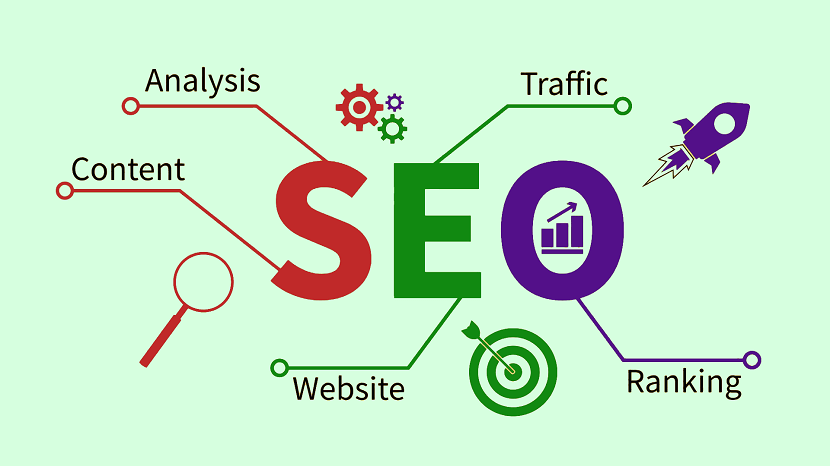
Search Engine Optimization, commonly known as SEO, is the practice of optimising a website to improve its visibility on search engines like Google, Bing, and Yahoo. The higher your pages rank for relevant searches, the more likely people are to visit your website.
Unlike paid advertising, SEO focuses on earning organic traffic. It involves improving your content, website structure, user experience, and authority so search engines consider your pages valuable enough to rank highly.
For example, if someone searches for “best laptops for students” and your article appears on the first page, you’re much more likely to receive clicks than a website ranking on page three.
Why SEO Matters
Most online experiences begin with a search engine. When users have a question, need a product, or want to learn something, they usually start by searching online.
A strong SEO strategy helps you:
- Increase organic website traffic.
- Build credibility and trust.
- Reach people actively searching for your products or services.
- Improve brand awareness.
- Generate leads and sales without paying for every visitor.
- Stay competitive in your industry.
SEO is one of the most cost-effective long-term digital marketing strategies because the results continue to benefit your business long after content is published.
How Search Engines Work
Before understanding SEO techniques, it’s helpful to know how search engines operate.
Search engines follow three basic steps:
| Process | Description |
|---|---|
| Crawling | Search engine bots discover new and updated pages. |
| Indexing | The collected information is stored in the search engine database. |
| Ranking | Algorithms determine which pages best answer a user’s search query. |
Google considers hundreds of ranking factors before deciding which pages deserve top positions.
Types of SEO
On-Page SEO
On-page SEO focuses on optimising the content and elements that appear directly on your website.
Important on-page factors include:
- Keyword research
- High-quality content
- Optimised title tags
- Meta descriptions
- Header tags (H1, H2, H3)
- Internal linking
- Image optimisation
- URL structure
Good on-page SEO helps both users and search engines understand what your page is about.
Off-Page SEO
Off-page SEO involves activities outside your website that improve authority and trust.
Examples include:
- High-quality backlinks
- Brand mentions
- Social media sharing
- Guest blogging
- Digital PR
When trusted websites link to your content, search engines view your site as more reliable.
Technical SEO
Technical SEO improves your website’s performance behind the scenes.
Key areas include:
- Fast loading speed
- Mobile-friendly design
- HTTPS security
- XML sitemaps
- Structured data
- Crawlability
- Clean website architecture
Technical improvements ensure search engines can access and understand your website efficiently.
Keyword Research: The Foundation of SEO

Every successful SEO strategy begins with keyword research.
Keywords are the words and phrases users type into search engines.
Instead of guessing what your audience wants, keyword research helps you understand exactly what people are searching for.
For example:
- Short-tail keyword: SEO
- Long-tail keyword: Best SEO tips for beginners in 2026
Long-tail keywords often have less competition and attract highly targeted visitors.
Popular keyword research tools include Google Keyword Planner, Ahrefs, SEMrush, Moz, and Ubersuggest.
Creating SEO-Friendly Content
Content remains one of the strongest ranking factors.
Rather than writing solely for search engines, focus on creating valuable content that genuinely helps readers.
Great SEO content should:
- Answer user questions.
- Include relevant keywords naturally.
- Be well-structured with headings.
- Offer accurate information.
- Include examples and visuals where appropriate.
- Stay updated with current trends.
Avoid keyword stuffing, as search engines now prioritise quality over repetition.
The Importance of User Experience

Google increasingly rewards websites that provide excellent user experiences.
Factors influencing user experience include:
- Mobile responsiveness
- Fast page loading
- Easy navigation
- Readable fonts
- Clear layouts
- Secure browsing
If visitors quickly leave your website because it’s slow or difficult to use, your rankings may suffer over time.
Link Building Strategies
Backlinks remain one of the strongest signals of authority.
Some ethical ways to earn backlinks include:
- Publishing original research.
- Writing comprehensive guides.
- Creating useful tools.
- Guest posting on reputable websites.
- Building relationships with industry experts.
Focus on quality rather than quantity. A few links from authoritative websites are often more valuable than hundreds of low-quality links.
Common SEO Mistakes to Avoid
Many websites struggle because of avoidable mistakes.
Some of the most common include:
- Ignoring keyword research.
- Publishing duplicate content.
- Slow website speed.
- Poor mobile optimisation.
- Missing title tags and meta descriptions.
- Broken internal links.
- Low-quality backlinks.
- Outdated content.
- Keyword stuffing.
- Ignoring analytics.
Regular website audits help identify these issues before they affect rankings.
Essential SEO Tools
Using the right tools makes SEO much easier.
| Tool | Purpose |
|---|---|
| Google Search Console | Monitor indexing and search performance |
| Google Analytics | Track website traffic and user behaviour |
| Ahrefs | Backlink and keyword analysis |
| SEMrush | Competitor research and SEO audits |
| Moz | Keyword tracking and SEO insights |
| Screaming Frog | Technical SEO audits |
| Ubersuggest | Keyword ideas and SEO recommendations |
Each tool provides unique insights that can help improve your optimisation strategy.
SEO Trends for 2026
SEO continues to evolve as search engines become smarter.
Some important trends include:
AI-Powered Search
Artificial intelligence is changing how search engines understand user intent and evaluate content quality.
Helpful Content
Google increasingly rewards content created for people rather than search engines.
Voice Search
More users are searching using voice assistants, making conversational keywords increasingly important.
Core Web Vitals
Page speed, responsiveness, and visual stability remain major ranking factors.
Search Intent
Understanding why users perform a search is becoming more important than simply targeting keywords.
E-E-A-T
Experience, Expertise, Authoritativeness, and Trustworthiness continue to influence rankings, particularly for health, finance, and educational content.
Measuring SEO Success
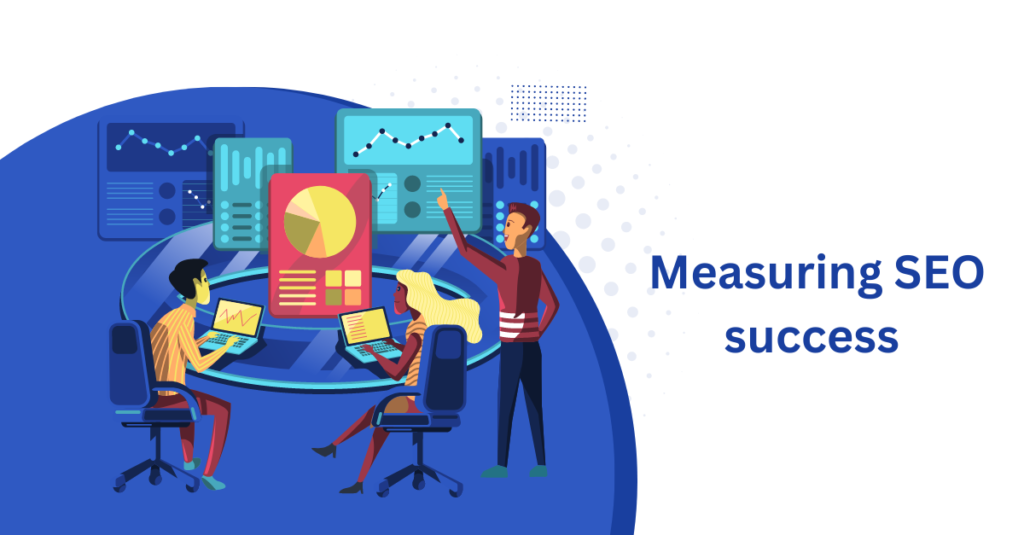
SEO is not a one-time task. It requires continuous monitoring and improvement.
Important metrics include:
- Organic traffic
- Keyword rankings
- Click-through rate (CTR)
- Bounce rate
- Conversion rate
- Backlink growth
- Average session duration
- Indexed pages
Analysing these metrics helps you identify what’s working and where improvements are needed.
SEO Best Practices
Building a successful SEO strategy requires consistency rather than shortcuts.
Focus on creating valuable content, understanding your audience, optimising technical performance, earning trustworthy backlinks, and regularly updating older pages.
Remember that SEO is a long-term investment. While results may take weeks or months to appear, consistent optimisation often delivers sustainable growth that paid advertising alone cannot match.