
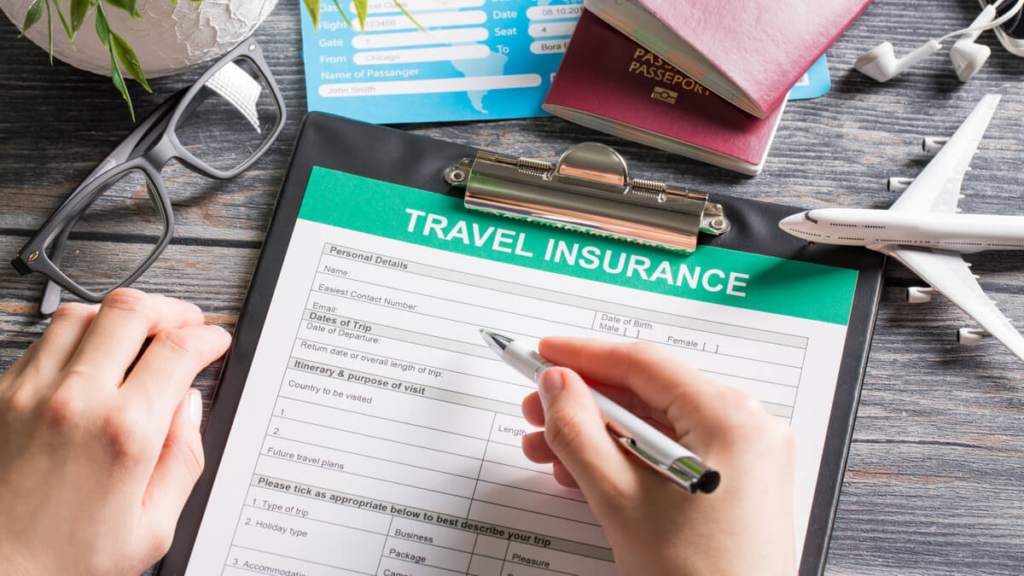
Let’s be real for a second: Travel Insurance nobody buys a plane ticket to Tokyo or books a beach bungalow in Bali while excitedly daydreaming about insurance policies. It is, without a doubt, the least thrilling part of trip planning.
But if recent years have taught us anything about travel, it’s that unpredictable things happen fast. Flights get grounded by surprise storms, luggage disappears into the abyss of a layover hub, and getting sick in another country can turn a dream vacation into a financial nightmare before you even get through your first week.
If you’re heading out on a trip in 2026, here is what you actually need to know about protecting your wallet—minus the boring jargon and fluff.
Why You Can’t Really “Wing It” Anymore

A few years ago, a lot of people treated travel insurance like an annoying optional add-on at checkout—something you’d politely decline to save $40.
Today, the math has completely changed:
- Healthcare abroad is eye-wateringly expensive. In places like the US or Canada, an unexpected overnight hospital stay or simple emergency room visit can easily set you back $10,000 to $50,000+.
- Flight disruptions are routine. Between wild weather patterns and overworked airport infrastructure, “minor delays” frequently stretch into overnight hotel stays.
- Visas depend on it. An increasing number of destinations (like the European Schengen zone) won’t even grant you entry or approve your visa without physical proof of medical coverage.
Think of travel insurance less as a “just in case” expense and more as a safety net so one bad day doesn’t wipe out your savings account.
What Does Travel Insurance Actually Pay For?
Insurance policies are notoriously long, but when you strip away the legalese, a good policy essentially acts as four different safety nets in one package:
Travel Insurance The Big One: Emergency Medical & Evacuation
If you get food poisoning in Mexico, break an ankle hiking in Switzerland, or contract a fever in Thailand, your normal domestic health insurance usually won’t touch those bills. Travel medical coverage pays for doctor visits, hospital beds, prescriptions, and emergency surgery.
The life-saver feature: Medical Evacuation. If you suffer a serious injury in a remote area and need an airlift to a major hospital—or a medically supervised flight back home—it can cost upward of $100,000 out of pocket without insurance.
Travel Insurance The Lifesaver: Trip Cancellation & Interruption
Life happens. You test positive for flu two days before departure, a sudden family emergency pops up, or your tour operator folds. Cancellation coverage gets your non-refundable money back (flights, prepaid hotels, tour deposits).
If an emergency strikes during the trip and you have to fly home early, “interruption” coverage helps pay for the last-minute flight back.
Travel Insurance The Sanity-Saver: Delays & Lost Luggage
When your flight gets pushed to the next morning, delay coverage pays for your dinner and a hotel room so you aren’t sleeping on airport benches. And if the airline completely loses your bag, baggage coverage gives you a allowance to buy fresh clothes, toiletries, and essential gear while they track it down.
Which Type of Traveler Are You?

You don’t need a one-size-fits-all plan. Match your policy to how you actually travel:
┌─────────────────────────┬─────────────────────────────────────────────────────────┐
│ Plan Type               │ Who It's Best For                                       │
├─────────────────────────┼─────────────────────────────────────────────────────────┤
│ Single-Trip             │ You take 1 or 2 distinct vacations a year.              │
│ Annual Multi-Trip       │ Digital nomads, frequent business travelers, or folks   │
│                         │ taking 3+ international trips a year (saves a ton!).    │
│ Family Policy           │ Parents traveling with kids (often includes free or     │
│                         │ heavily discounted rates for dependents).               │
│ Adventure / Sports      │ Anyone planning to ski, scuba dive, surf, or trek above │
│                         │ high elevations (standard plans exclude these!).        │
└─────────────────────────┴─────────────────────────────────────────────────────────┘
Travel Insurance 5 Sneaky Pitfalls to Watch Out For

Insurers don’t like paying out money if they can avoid it. Most rejected claims happen because travelers fall into one of these traps:
- Assuming High-Risk Activities Are CoveredThinking about renting a scooter in Vietnam or going white-water rafting? Read the fine print! Standard policies usually classify these as “extreme activities” and won’t pay a dime unless you bought a specific Adventure Sports Add-On.
- Ignoring Pre-Existing ConditionsIf you have a chronic medical condition (like asthma or heart issues), you must disclose it or buy a policy with a “Pre-Existing Condition Waiver” right after booking your trip. Otherwise, claims related to that condition will likely be denied.
- Over-Relying on Credit Card BenefitsPremium credit cards do offer decent travel perks, but they often come with low medical limits, strict rules, and zero coverage for medical evacuation. Treat credit card insurance as a nice bonus, not your main plan for major overseas trips.
- Buying the “Airline Checkout” Add-onThat $29 pop-up box when you buy a plane ticket? It’s usually a bare-bones policy with low limits and strict terms. You’ll almost always get way better coverage for the same price by buying a independent policy through a comparison site.
- Drinking-Related AccidentsIf you twist your ankle falling off a bar stool after four margaritas, your insurer can legally reject your claim under the standard alcohol exclusion clause. Be smart out there!
How to Pick the Right Plan in 3 Steps Travel Insurance

- Step 1: Prioritize the Medical Limit. Look for at least $100,000 in medical coverage ($250,000+ if visiting the US) and at least $250,000 to $500,000 in emergency evacuation limit.
- Step 2: Check the Deductible. A $0 deductible means the insurance company pays from dollar one. A higher deductible means you pay the first $100 or $250 out of pocket, but your upfront plan cost will be lower.
- Step 3: Save Emergency Contacts to Your Phone. Don’t leave your policy PDF buried in your email inbox! Save the insurer’s 24/7 24-hour assistance phone number and your policy number in your phone’s contacts before you head to the airport.
Conclusion
The best travel insurance in 2026 isn’t necessarily the cheapest—it’s the one that matches your destination, activities, health needs, and travel budget. Compare policies carefully, read the fine print, and prioritize comprehensive medical coverage, reliable customer support, and a straightforward claims process. With the right plan in place, you can travel with greater confidence, knowing you’re protected if the unexpected happens.
Frequently Asked Questions
1. Is travel insurance mandatory in 2026?
It depends on your destination. Some countries, including Schengen member states, require travel insurance for visa applications.
2. What is the most important part of travel insurance?
Emergency medical coverage is generally considered the most critical benefit because overseas healthcare costs can be very high.
3. When should I buy travel insurance?
It’s best to purchase travel insurance as soon as you book your trip so you’re covered for eligible cancellations before departure.
4. Does travel insurance cover adventure sports?
Not always. Activities such as skiing, scuba diving, trekking, or skydiving often require an additional adventure sports add-on.
5. Can I rely on my credit card’s travel insurance?
Some premium credit cards include travel insurance benefits, but coverage is often limited and subject to conditions. Review the details carefully before relying on it.