
We are completely surrounded. From the Marketing second we unlock our phones in the morning to the final scroll before bed, we are hit with thousands of ads, sponsored posts, promotional emails, and polished videos. It is relentless. Because of this non-stop digital noise, simply shouting “Hey, look at my product!” into the void doesn’t work anymore.
A lot of business owners burn through small fortunes on elaborate marketing campaigns, only to watch them completely flop. They chase every viral trend or blindly copy a strategy that worked for a completely different company, without stopping to think about their own reality.
But here is the honest truth: effective marketing isn’t about pulling off stunts or screaming on every new platform. It’s about building a genuine connection with the right people, delivering real value, and earning trust over time. The strategies that actually move the needle are usually incredibly simple, grounded, and focused on basic human psychology.
Understand Who You’re Talking to Before Anything Else

The absolute fastest way to waste a marketing budget is to try and speak to everyone. It sounds logical on paper—“everyone could use my product!”—but when you try to appeal to everybody, your message becomes so diluted that it ends up connecting with no one.
Effective marketing always starts with a real person in mind. You need to pull back from abstract demographics and ask yourself:
- Who are they on an ordinary Thursday afternoon?
- What keeps them awake at 2:00 AM?
- What minor frustrations are pulling at their patience during the day?
When you stop treating your audience like a spreadsheet and start treating them like real people, your language shifts. It starts feeling less like a corporate sales pitch and more like a helpful conversation. People can spot an insincere sales script a mile away, but they will always gravitate toward a brand that genuinely looks at them and says, “I get it, and I can help.”
Earn the Right to Sell by Building Trust First

Modern consumers are incredibly savvy and naturally skeptical. Before we buy anything these days, we go on a mini-investigation. We cross-reference reviews, ask our friends, and read the fine print.
Because we have infinite options at our fingertips, trust is the ultimate currency.
If every single interaction you have with your audience is just you holding your hand out asking for money, they are going to tune you out. Shift the focus. Instead of obsessing over immediate, transactional sales, focus on becoming a reliable, go-to resource in your space. Create the helpful blog post, film the quick video tutorial, or write the transparent product guide. When you consistently show up with honest, useful information without an immediate hidden agenda, people remember you. We buy from businesses we trust.
Create Content That Actually Solves a Practical Problem

Content marketing isn’t just a buzzword; it’s a long-term relationship strategy. Every single day, people jump onto search engines looking for ways to make their lives easier, fix something that’s broken, or learn a new skill.
Instead of exhausting your energy trying to manufacture hype around your product, look at the common questions your customers ask every day and answer them openly.
| Instead of… | Create Content That… | Why It Works |
|---|---|---|
| Writing a dry, self-serving press release | Addresses a major industry myth or pain point | Positions your brand as an honest, transparent expert. |
| Making a generic “buy now” ad | Teaches a step-by-step fix for a common headache | Delivers immediate, practical value before asking for a credit card. |
When you become the person who helps them solve a small problem for free, you become the only logical person they want to pay when they need a bigger solution.
The Quiet Power of SEO (Playing the Long Game)

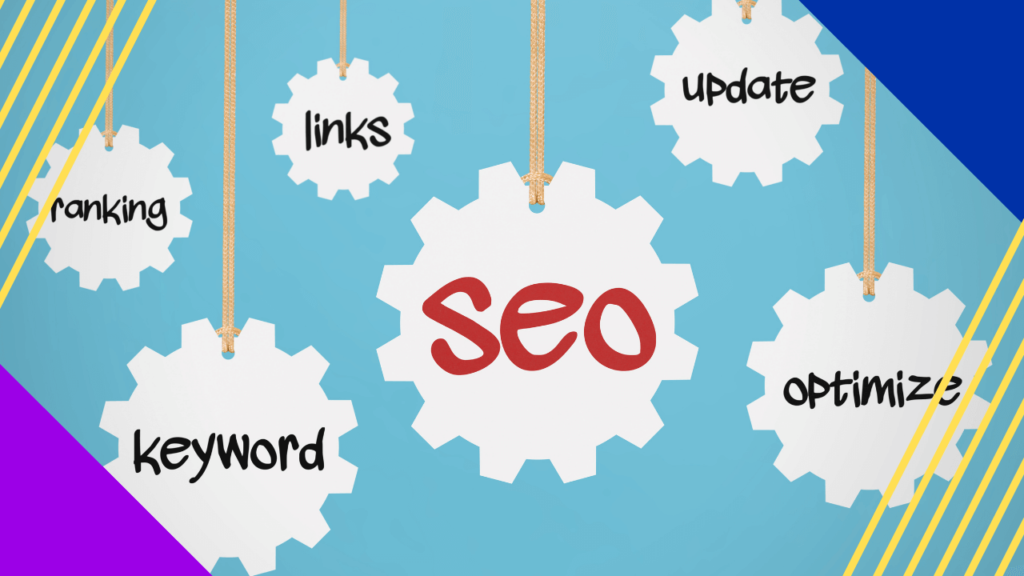
Paid ads are great for a quick burst of attention, but the second you stop feeding the ad platform money, the traffic vanishes. That is why Search Engine Optimization (SEO) is a brilliant, long-term asset. It ensures your business naturally pops up exactly when someone is actively looking for what you offer.
Good SEO isn’t about trying to trick an algorithm or stuffing random keywords into a poorly written page. It’s about creating a fantastic user experience. It means writing high-quality content that thoroughly answers a user’s intent, making sure your website loads quickly, and ensuring it’s easy to navigate on a phone. It requires a lot of patience—you won’t see results tomorrow morning—but the organic momentum you build over six months can sustain your business for years.
Treat Social Media Like a Community, Not a Billboard

Social media was built for human connection, yet so many brands treat their profiles like a digital billboard to dump random flyers on.
If you want people to engage with you, you have to engage back. Reply to the comments, answer the direct messages, share the messy behind-the-scenes moments, and celebrate your customers’ wins.
You also don’t need to be on every single app. Find out where your specific crowd actually hangs out and master that space:
- LinkedIn is fantastic if you’re speaking to professionals or B2B spaces.
- Instagram thrives on visual storytelling, aesthetics, and community engagement.
- TikTok is perfect for raw, unpolished, short-form video content that feels human.
It’s infinitely better to have a highly active, tight-knit community on one platform than a string of ghost-town profiles across five of them.
Email Marketing is Far From Dead
With all the excitement around new social platforms, it’s easy to overlook email. But don’t make that mistake. Email marketing remains one of the highest-converting tools available because you completely own that channel. You aren’t at the mercy of an algorithm change that decides whether your followers get to see your post today.
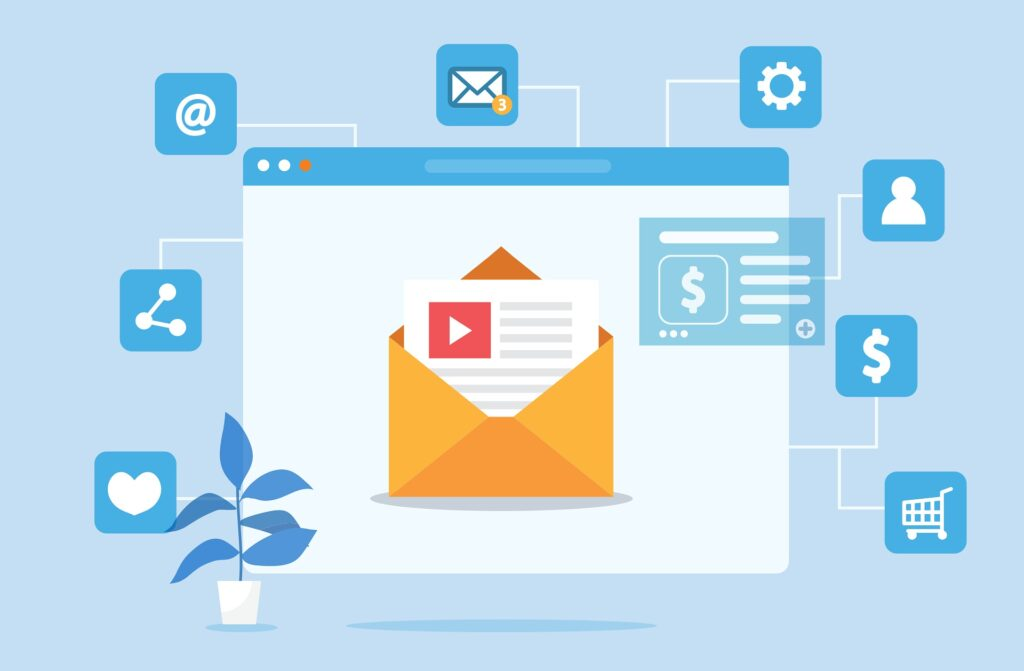
When someone gives you their email address, they are giving you permission to enter their personal digital space. Respect that boundary. Don’t spam them with endless “LAST CHANCE TO BUY” subject lines. Instead, treat your email list like an exclusive club. Send them unique insights, personal stories, practical tips, and occasional special offers. If they look forward to opening your emails because they are genuinely interesting, they will be ready to buy when you launch something new.
The Best Marketing is a Stunning Customer Experience
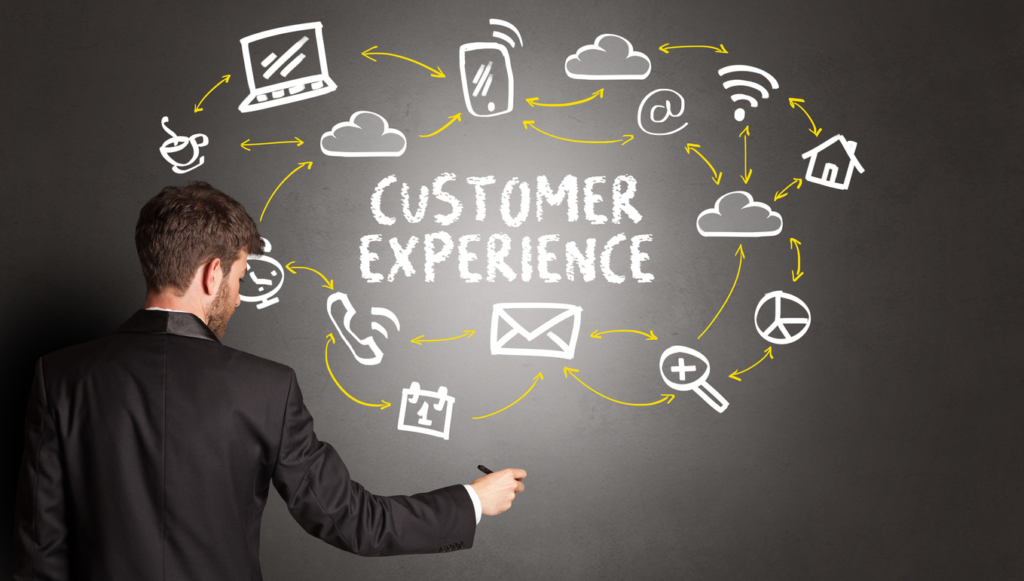
Marketing shouldn’t stop the moment a credit card clears. In fact, that’s exactly where the most powerful form of marketing begins.
A seamless, empathetic customer experience creates a massive ripple effect. When a customer gets fast support, transparent pricing, easy shipping, and a product that over-delivers, they don’t just stay quiet. They tell their friends, leave glowing reviews, and write passionate recommendations online. Word-of-mouth is still the most persuasive marketing tool in human history—and it costs you absolutely nothing but care.
Look at the Numbers, Leave the Ego at the Door
Good marketing requires an open mind and a willingness to learn. It’s easy to get emotionally attached to an idea or a video you spent hours making, but you have to let the data tell the real story.
Keep a close, quiet eye on your metrics: website traffic, email open rates, actual conversions, and customer feedback. Let the numbers guide your next move rather than relying on gut feelings or assumptions. If a specific style of content is clearly resonating with your crowd, do more of it. If something is falling completely flat, drop the ego, pivot, and try a different angle.
The Secret Ingredient is Just Staying Consistent

There is no magical, overnight shortcut to building a brand that lasts. Real growth is slow, iterative, and relies entirely on consistency.
Keep writing the articles. Keep checking in on your customers. Keep refining your customer service. It’s the small, daily choices to prioritize your audience’s needs that build up real momentum over time. Marketing isn’t a single sprint; it’s a marathon that rewards the people who stick around long enough to truly be heard.
FAQs
1. What is the most effective marketing strategy?
Understanding your audience and creating valuable content are among the most effective strategies.
2. Why is SEO important in marketing?
SEO helps your website rank higher in search results and attract more organic traffic.
3. How can social media improve marketing?
It helps businesses engage with customers, build brand awareness, and drive website traffic.
4. How long does it take to see marketing results?
Results vary, but SEO takes a few months, while paid ads can deliver faster outcomes.
5. Can small businesses succeed with digital marketing?
Yes, digital marketing offers affordable ways for small businesses to reach their target audience and grow.