

How-To Guides Life has a funny way of giving us small problems at the worst possible time.Your phone suddenly tells you that there is no storage left. Your laptop takes ages to open something that used to load in seconds. How-To Guides The house gets messy again even though you just cleaned it. And then there is that long to-do list sitting in front of you, making it difficult to decide where to begin.Sound familiar?
This is where a good how-to guide can make life a little easier.Instead of leaving you to search through dozens of confusing pages, a useful guide gives you a clear direction. It explains the problem in simple language, walks you through the important steps, and helps you figure out what to do next.
Whether you’re dealing with How-To Guides technology, AI, productivity, home organization, money, learning, or content creation, the right information and the right tools can save you a surprising amount of time.
The internet is full of information in 2026. How-To Guides The real challenge is finding information that is useful, understandable, current, and actually worth your time.
Why How-To Guides Are So Useful
We’ve all searched for an answer because we didn’t know how to do something.
Maybe you were trying to use a new app. How-To Guides Perhaps you wanted to fix a computer issue, organize your files, create a budget, or learn a skill from scratch.
Most of the time, you don’t want someone to throw a pile of technical information at you.
You just want a simple answer:
“Okay, what do I do now?”
That’s what a good how-to guide should provide.
A helpful guide should make it easy to understand:
- What you are trying to accomplish
- What you need before getting started
- Which steps to follow
- Which tools could help
- What to do if the first solution doesn’t work
And when you reach the end, you should feel like the task is something you can actually handle.
Technology How-To Guides

Technology can make everyday life incredibly convenient.
Until it doesn’t.
A slow computer, How-To Guides a phone that keeps running out of space, or Wi-Fi that suddenly stops behaving can be enough to ruin your patience.
The good news is that many common technology problems have fairly simple solutions.
Technology guides can help you learn how to:
- Speed up a slow computer
- Clear unnecessary phone storage
- Back up important photos and files
- Keep digital files organized
- Improve Wi-Fi performance
- Use cloud storage
- Protect your online accounts
- Troubleshoot everyday app problems
Start With the Basics
Before searching for complicated solutions, check the obvious things first.
Restart the device.
Look for updates.
Check how much storage you have.
Review the settings.
Make sure your internet connection is working.
These steps may seem almost too simple, but they can solve many everyday problems.
And if you do need to download software, be careful about where it comes from. Best How-To Guides & Tools: Simple Solutions, Smart Tips & Useful Resources A website promising a magical one-click fix isn’t automatically trustworthy.
AI Tools & How-To Guides

AI is no longer something that only belongs in technology conversations.
People now use AI for work, school, business, writing, research, planning, brainstorming, and all kinds of everyday tasks.
But getting useful results isn’t always as simple as typing a question and pressing enter.
One of the biggest differences comes down to how clearly you explain what you want.
For example, asking an AI tool to:
“Write about travel.”
doesn’t give it much to work with.
Instead, tell it what kind of travel content you need, who you’re writing for, what tone you prefer, how long it should be, and what information you want included.
Suddenly, the request becomes much clearer.
Popular AI how-to topics include:
- Writing better prompts
- Using AI for research
- Brainstorming ideas
- Creating content
- Summarizing information
- Organizing notes
- Automating repetitive tasks
- Studying with AI
- Improving productivity
Keep Your Own Judgment Involved
How-To Guides AI can save you a lot of time, but it shouldn’t replace your common sense.
Read what it gives you.
Check important facts.
Look for anything that seems questionable.
Add your own ideas and experience.
And if the writing sounds stiff or unnatural, change it.
The best results usually come from combining AI assistance with human judgment.
Productivity & Time Management Guides
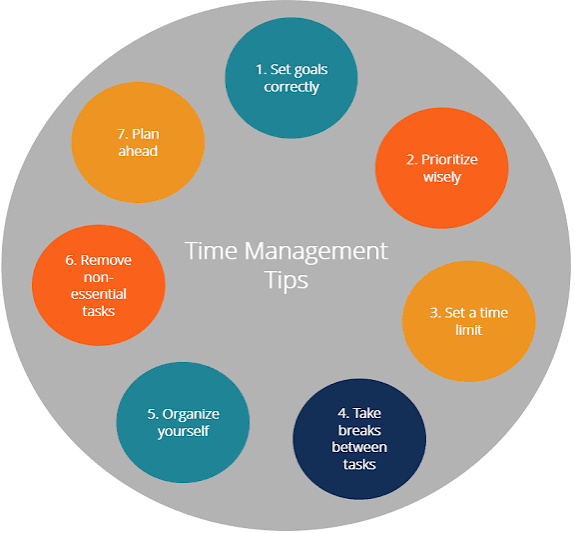
Being busy all day doesn’t necessarily mean you’ve had a productive day.
You can answer emails, check notifications, jump between tasks, attend meetings, and still reach the evening wondering what you actually accomplished.
Sometimes, the answer isn’t another productivity system.
Sometimes, you simply need to decide what matters most.
A Simple Daily Method
At the beginning of your day, write down everything you need to get done.
Then choose the three tasks that matter most.
Start with the first one.
Don’t worry about the tenth task until you’ve made progress on the first.
It isn’t a complicated system, but that’s partly why it works. A shorter list can feel much more manageable than staring at twenty unfinished tasks.
Productivity guides can help you with:
- Planning your day
- Setting weekly goals
- Managing distractions
- Organizing projects
- Building routines
- Reducing multitasking
- Managing your time
- Creating healthier work habits
And don’t forget to take breaks.
Sometimes stepping away for ten minutes is exactly what your brain needs.
Home Organization & Everyday Life Guides

Your How-To Guides home doesn’t need to look like a magazine spread to feel organized.
Sometimes, being organized simply means knowing where your things are and not having to search through three cupboards to find them.
Practical home guides can help you:
- Declutter your home
- Organize small rooms
- Create a cleaning routine
- Make better use of kitchen storage
- Set up a home workspace
- Manage household expenses
- Reduce unnecessary waste
- Make daily chores easier
Don’t Try to Do Everything at Once
If your home feels overwhelming, don’t look at every room and think, “I need to fix all of this today.”
Start with something small.
Clean one drawer.
Organize one shelf.
Sort one cupboard.
Clear your desk.
Once that area is done, move on to the next one when you have the time and energy.
Small changes are easier to maintain, and they don’t leave you completely exhausted.
Money-Saving How-To Guides

Managing money can feel complicated, but it doesn’t always have to be.
How-To Guides A good place to start is simply understanding where your money goes during an ordinary month.
Practical money guides can help you learn how to:
- Create a monthly budget
- Track everyday spending
- Cancel subscriptions you no longer use
- Build an emergency fund
- Save on regular purchases
- Plan for larger expenses
- Compare prices
- Avoid unnecessary impulse purchases
Give Yourself Time Before Buying
Here’s a simple habit worth trying.
When you want something that isn’t essential, don’t immediately buy it.
Give yourself some time.
Ask:
“Do I actually need this, or do I just want it right now?”
If you still want it later and it fits your budget, you can make a more thoughtful decision.
If you completely forget about it, you’ve probably just saved some money.
Saving isn’t about never enjoying yourself. It’s about being more intentional with where your money goes.
Digital Marketing & SEO How-To Guides

Creating a website is only part of the job.
You also need people to find it.
That’s why SEO and digital marketing continue to matter for bloggers, businesses, creators, and online stores.
Helpful guides can explain how to:
- Find relevant keywords
- Create stronger blog titles
- Write useful meta descriptions
- Optimize images
- Understand search intent
- Build a content plan
- Improve existing website pages
- Create content people actually want to read
Don’t Forget the Person Behind the Search
It’s easy to become focused on rankings and keywords.
But there’s a real person on the other side of every search.
Think about what they’re trying to accomplish.
What question brought them to your page?
What information would genuinely help them?
Answer that question first.
Use keywords naturally, but don’t force them into every sentence. Good SEO should make useful content easier to discover, not make the content uncomfortable to read.
Writing & Content Creation Guides

Starting an article can sometimes feel harder than it should.
You open a blank document.
You write a sentence.
and You delete it.
You write another.
Then suddenly you’re thinking about everything except the article.
A simple writing process can help.
Start With One Clear Idea
Choose one main topic and keep the article focused.
Think About Your Reader
Ask yourself:
What does this person want to know?
What problem are they trying to solve?
Those questions can guide the rest of your writing.
Make a Quick Outline
Write down your main headings before you start.
You don’t need a perfect plan. You just need enough structure to know where you’re going.
Write the First Draft
Don’t try to make every sentence perfect immediately.
Get your thoughts down first.
You can improve the language later.
Edit When You’re Finished
Read everything again.
Remove repeated ideas.
Break up long sentences.
Fix anything confusing.
Make sure the article flows naturally.
And most importantly, ask yourself whether the reader will actually get something useful from it.
Learning New Skills Online


Learning something new has become much easier because so many resources are available online.
You can find tutorials, courses, videos, articles, communities, and practice exercises for almost anything.
Some popular skills include:
- Writing
- Coding
- Photography
- Graphic design
- Video editing
- Digital marketing
- Public speaking
- Personal finance
- AI skills
- Productivity
But there’s one thing you can’t skip.
Practice.
You can watch photography tutorials for hours, but eventually you need to take the camera outside.
If You can watch coding lessons for weeks, but eventually you need to write your own code.
You can read about writing, but you still have to put words on the page.
Don’t wait until you feel completely ready.
Start small.
Make mistakes.
Figure out what went wrong.
Try again.
That’s how most people actually get better.
Tools That Make Everyday Tasks Easier
There is an app or online tool for almost everything now.
That sounds great until you realize you’ve collected so many tools that managing the tools has become a task itself.
The goal shouldn’t be to have the most apps.
The goal should be to have the right tools for your needs.
| Area | Useful For |
|---|---|
| Productivity | Tasks, schedules, habits, and projects |
| Writing | Drafting, editing, research, and brainstorming |
| Design | Graphics and visual content |
| Finance | Budgeting and expense tracking |
| Learning | Notes, research, and practice |
| File Management | Storing and organizing files |
| Communication | Messaging and collaboration |
| Automation | Repetitive tasks and workflows |
Before adding another tool, stop and ask:
“What problem is this actually going to solve?”
If you don’t have a good answer, you may not need it.
How to Choose the Right Tool

Finding a useful tool can be surprisingly difficult.
There are countless apps, websites, AI platforms, browser extensions, and software programs competing for your attention.
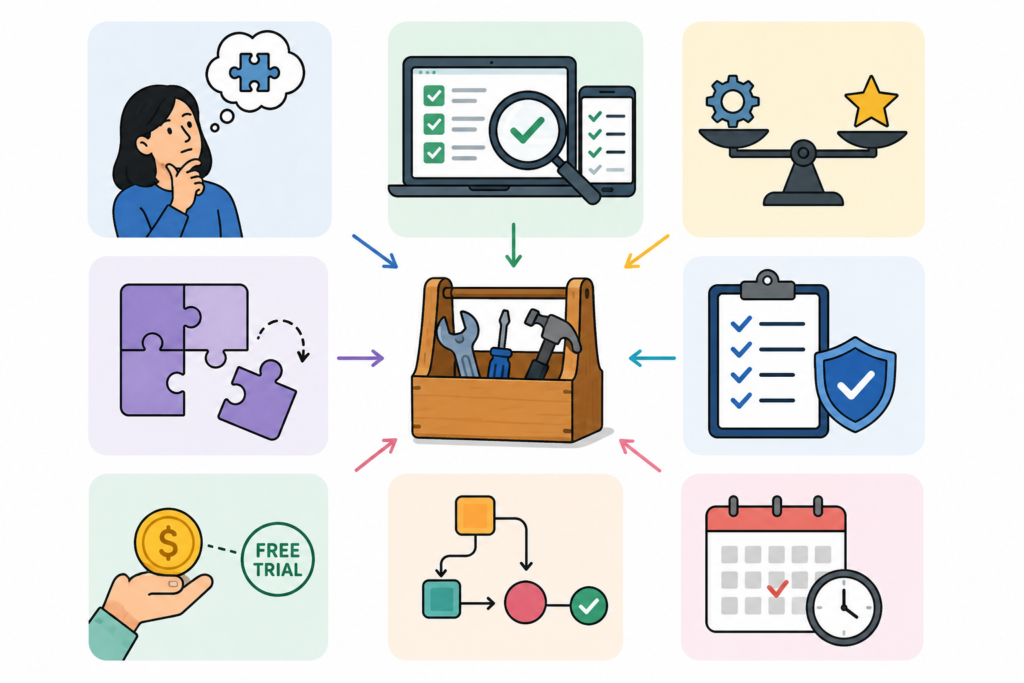
Instead of looking for the tool with the longest feature list, start with your actual problem.
Identify the Problem
Don’t ask:
“What’s the best productivity tool?”
Ask:
“What part of my workday is causing me the most trouble?”
That’s a much more useful question.
Don’t Get Carried Away With Features
A tool doesn’t need hundreds of features to be valuable.
If a simple option does exactly what you need, that’s perfectly fine.
Make Sure It Fits Your Routine
The tool should make your life easier.
If it adds unnecessary steps or forces you to completely change the way you work, it may not be the right fit.
Try Before Paying
If there is a free version or trial, use it.
Spend some time with the tool before deciding whether it deserves a place in your routine.
Think Beyond Today
Ask yourself:
“Will I actually use this next month?”
A tool that becomes part of your everyday routine is much more useful than one you abandon after three days.
Common Mistakes When Following How-To Guides
Even a well-written guide won’t help much if you rush through it.
Some common mistakes include:
- Skipping steps
- Using outdated instructions
- Downloading software from unreliable websites
- Trying too many tools at the same time
- Expecting immediate results
- Ignoring basic troubleshooting
- Following instructions without understanding the goal
If something doesn’t work, don’t immediately assume you’ve failed.
Go back.
Read the steps again.
Check what you’ve already done.
Try to find the first place where your result differs from the instructions.
Often, one small missed detail is responsible for the entire problem.
A Simple Way to Handle Any New Task
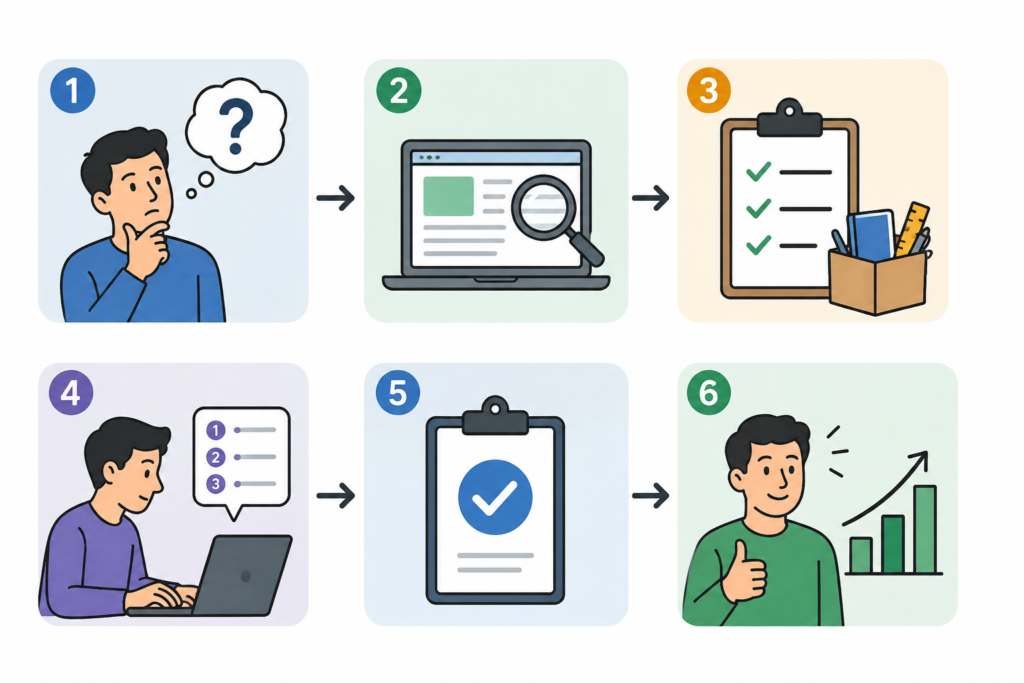
Whenever you have to do something unfamiliar, break it into smaller pieces.
1. Understand the Problem
Be specific about what you’re trying to fix, learn, or accomplish.
2. Find the Right Guide
Look for instructions that match your device, situation, experience level, or goal.
3. Gather What You Need
Have your files, tools, information, or materials ready.
4. Follow One Step at a Time
Don’t rush ahead.
Finish one step before moving to the next.
5. Check the Result
Once you’re finished, make sure the problem is actually solved.
6. Adjust if Necessary
If something didn’t work, figure out what needs to change.
You don’t necessarily need to start from scratch.
What Makes a How-To Guide Truly Helpful?

A great how-to guide should feel like someone is sitting beside you and saying:
It shouldn’t feel like you’re trying to decode a complicated instruction manual.
The most useful guides are:
Clear: The instructions are easy to understand.
Practical: You can actually use the advice.
Well organized: The information is easy to find and follow.
Beginner-friendly: You don’t need to be an expert to get started.
Current: The information reflects the tools and technology people are using today.
Honest: Limitations, costs, difficulties, and important considerations aren’t hidden.
Natural: The writing sounds like a real person explaining something in a straightforward way.
At the end of the day, readers aren’t searching for information simply because they want more information.
They’re searching because they want to get something done.
The Future of How-To Guides & Smart Tools

The way people learn online is changing quickly.
People want answers that are easy to understand, but they also want enough detail to actually solve the problem. How-To Guides They want examples, useful tools, templates, checklists, and instructions that don’t waste their time.
That’s why the best how-to resources are likely to focus more on:
- Clear step-by-step instructions
- Beginner-friendly explanations
- AI-assisted learning
- Personalized recommendations
- Interactive resources
- Ready-to-use templates
- Smart automation
- Mobile-friendly content
- Regularly updated information
But there’s one principle worth remembering:
Technology should simplify your life, not make it harder.
A new tool isn’t automatically a better tool. Sometimes the simplest solution is still the best one.