Digital tools have become an essential part of everyday life. Whether you are running a business, managing a team, creating content, studying, or handling personal tasks, the right online tools can make your work easier and more organised.
Today, there is a digital tool for almost everything. You can use writing assistants to improve your content, project management platforms to organise tasks, graphic design applications to create visuals, and automation software to reduce repetitive work. Many tools also include artificial intelligence features that help users complete tasks more efficiently.
However, having so many options can make choosing the right one difficult. Some platforms offer impressive features but come with a learning curve, while others are simple to use but may not provide everything you need.
This is where tool reviews become valuable. A detailed review helps you understand what a digital tool does, who can benefit from it, what features it offers, and whether it is worth considering.
In this guide, we explore popular categories of digital tools, their useful features, and practical tips to help you choose the right software for your needs.
What Are Digital Tools?

Digital tools are software applications, websites, and online platforms designed to help people complete specific tasks using computers, smartphones, or other connected devices.
They can support personal activities, professional work, education, communication, marketing, creativity, and business operations.
For example, a writer may use a grammar checker to improve sentence clarity, while a business owner may use project management software to track team responsibilities. A designer might rely on graphic design tools to create promotional materials, and a student may use online learning platforms to develop new skills.
Digital tools generally fall into several categories:
- Productivity tools: Help organise tasks, schedules, and daily activities.
- AI tools: Assist with writing, research, brainstorming, and data-related tasks.
- Design tools: Support graphic design, image editing, and visual content creation.
- Marketing tools: Help manage campaigns, social media, and customer communication.
- Project management tools: Make it easier to assign tasks and monitor progress.
- Communication tools: Support messaging, online meetings, and teamwork.
- Automation tools: Connect applications and reduce repetitive manual work.
Understanding these categories makes it easier to identify the type of tool that can solve a particular problem.
Best Digital Tools to Explore in 2026
The best digital tool depends on what you want to accomplish. Some platforms are designed for individual users, while others are built for teams and businesses.
Here are some widely used tools worth exploring.
AI Writing and Productivity Tools
AI-powered writing tools can help users brainstorm ideas, prepare drafts, summarise information, and improve written communication. They can be particularly useful for people who regularly create documents, articles, emails, or presentations.
Popular examples include ChatGPT, Claude, and Gemini.
Features to look for:
- Content drafting and rewriting assistance.
- Idea generation and brainstorming.
- Document summarisation.
- Research and information organisation.
- Language and tone adjustments.
- Support for different types of tasks.
Who can benefit?
Students, writers, marketers, professionals, and business owners may find AI writing assistants useful for everyday work.
What to consider before choosing one: Check the accuracy of its responses, privacy options, usage limits, supported features, and subscription costs. AI-generated information should always be reviewed before being published or used for important decisions.
Graphic Design and Creative Tools
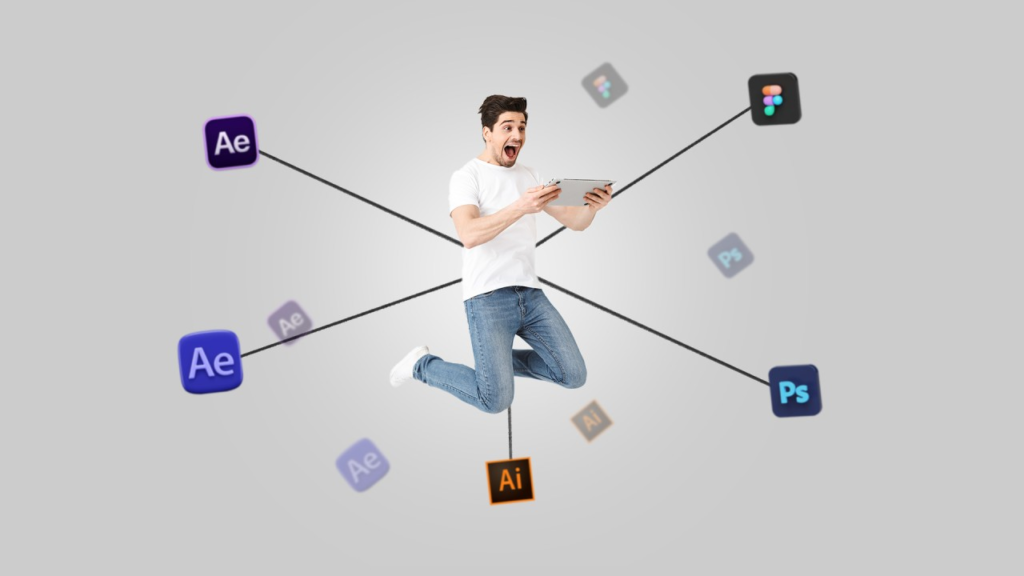
Visual content plays an important role in websites, social media, advertising, presentations, and business communication. Graphic design tools make it possible to create attractive visuals without necessarily having advanced design experience.
Canva is a popular option for creating social media graphics, presentations, posters, and other marketing materials. Figma is widely used for interface design, wireframing, and collaborative design projects.
Features to look for:
- Ready-made templates.
- Image and typography editing.
- Drag-and-drop design options.
- Brand kits and reusable design elements.
- Collaboration and sharing features.
- Export options for different formats.
Who can benefit?
Content creators, small businesses, social media managers, students, and professional designers.
What to consider before choosing one: Think about the type of designs you create, available templates, export quality, collaboration features, and whether important tools require a paid plan.
Project Management Tools
Managing several tasks at once can quickly become confusing, especially when multiple people are working on the same project. Project management tools help organise responsibilities, deadlines, progress, and communication in one place.
Popular options include Trello, Asana, ClickUp, and monday.com.
Features to look for:
- Task assignment and deadline management.
- Calendar and project views.
- Progress tracking.
- Team collaboration.
- Notifications and reminders.
- Workflow automation.
Who can benefit?
Freelancers, remote teams, agencies, startups, and businesses managing multiple projects.
What to consider before choosing one: A small team may only need simple task boards, while a larger organisation may require detailed reporting, workload management, permissions, and advanced integrations.
Writing and Grammar Checking Tools
Clear communication matters in almost every profession. Writing and grammar tools help users identify spelling mistakes, improve sentence structure, and make written content easier to understand.
Grammarly and ProWritingAid are examples of tools used for writing assistance and editing.
Features to look for:
- Spelling and grammar suggestions.
- Punctuation checks.
- Clarity and readability improvements.
- Tone suggestions.
- Vocabulary recommendations.
- Compatibility with writing applications.
Who can benefit?
Students, bloggers, editors, professionals, and anyone who writes regularly.
What to consider before choosing one: Check whether the tool supports your preferred language, offers useful explanations, and allows you to maintain your own writing style instead of making every sentence sound the same.
Marketing and Social Media Tools

Managing an online presence requires regular planning, content creation, audience engagement, and performance monitoring. Marketing tools help bring these activities together.
Platforms such as Buffer and other social media management applications can help users plan and organise posts across supported channels.
Features to look for:
- Social media scheduling.
- Content calendars.
- Post management.
- Performance analytics.
- Team collaboration.
- Reporting features.
Who can benefit?
Digital marketers, content creators, small businesses, agencies, and online retailers.
What to consider before choosing one: Check which social networks are supported, how many accounts can be connected, whether analytics are included, and what scheduling limits apply.
Automation Tools
Automation tools help connect different applications and perform repetitive tasks with less manual effort. They can be useful when information needs to move between platforms or when the same process is repeated frequently.
Zapier and n8n are examples of workflow automation platforms.
Features to look for:
- Application integrations.
- Trigger-based workflows.
- Automated notifications.
- Data transfer between services.
- Custom workflow options.
- Error monitoring and task history.
Who can benefit?
Business owners, marketers, developers, freelancers, and teams that handle repetitive digital processes.
What to consider before choosing one: Look at the number of available integrations, workflow limits, setup difficulty, pricing, and data security. Test important workflows before relying on them for business-critical tasks.
Communication and Collaboration Tools
Good communication helps teams stay connected, particularly when employees or clients work from different locations.
Tools such as Slack, Zoom, and Microsoft Teams support messaging, video meetings, file sharing, and collaboration.
Features to look for:
- Group and private messaging.
- Video and audio meetings.
- File sharing.
- Screen sharing.
- Meeting scheduling.
- Integration with other work applications.
Who can benefit?
Remote teams, educational institutions, businesses, freelancers, and organisations that work with clients online.
What to consider before choosing one: Compare meeting limits, storage options, security settings, participant capacity, and compatibility with your existing applications.
Cloud Storage and File Management Tools
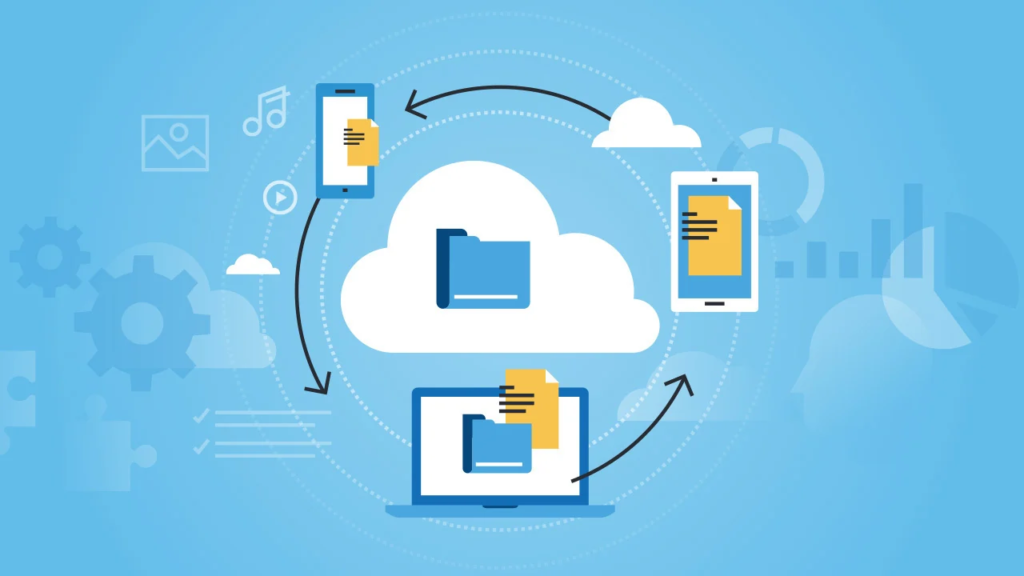
Saving files on a single device can create problems when you need to access them from somewhere else. Cloud storage tools allow users to store, organise, and share files through internet-connected services.
Google Drive, Microsoft OneDrive, and Dropbox are popular examples.
Features to look for:
- Online file storage.
- File sharing and permissions.
- Automatic synchronisation.
- Document collaboration.
- Backup options.
- Storage management.
Who can benefit?
Students, professionals, businesses, remote workers, and people who regularly work across multiple devices.
What to consider before choosing one: Check available storage, sharing controls, file recovery options, security features, and the cost of additional space.
Website Building and Development Tools
Creating a website no longer always requires advanced coding knowledge. Website builders and development platforms offer different ways to design, publish, and maintain websites.
WordPress, Wix, and Squarespace are examples of platforms used for website creation.
Features to look for:
- Customisable templates.
- Mobile-friendly designs.
- Content management options.
- SEO settings.
- Domain and hosting support.
- Third-party integrations.
Who can benefit?
Bloggers, entrepreneurs, freelancers, small businesses, and organisations building an online presence.
What to consider before choosing one: Think about your technical experience, website requirements, design flexibility, hosting arrangements, ongoing costs, and how easily you can move your website if needed.
Online Learning and Research Tools
Digital learning tools make it easier to develop new skills, explore subjects, and access educational resources. They can support independent learning as well as structured courses.
Platforms such as Coursera and Udemy offer online learning opportunities across different subjects.
Features to look for:
- Structured courses.
- Video lessons and learning materials.
- Progress tracking.
- Practical assignments.
- Certificates where available.
- Flexible learning schedules.
Who can benefit?
Students, working professionals, job seekers, entrepreneurs, and anyone interested in continuous learning.
What to consider before choosing one: Review the course content, instructor background, learner feedback, certificate details, and total cost before enrolling.
Comparison of Popular Digital Tool Categories
The following table gives a quick overview of the tools discussed in this guide.
| Tool category | Popular examples | Main purpose |
|---|---|---|
| AI productivity | ChatGPT, Claude, Gemini | Writing, research, and assistance |
| Graphic design | Canva, Figma | Visual content and interface design |
| Project management | Trello, Asana, ClickUp | Tasks and project organisation |
| Writing assistance | Grammarly, ProWritingAid | Grammar and editing |
| Marketing | Buffer | Social media management |
| Automation | Zapier, n8n | Connecting applications and workflows |
| Communication | Slack, Zoom, Teams | Team messaging and meetings |
| Cloud storage | Google Drive, OneDrive, Dropbox | File storage and sharing |
| Website building | WordPress, Wix, Squarespace | Website creation and management |
| Online learning | Coursera, Udemy | Courses and skill development |
Features and subscription plans can vary, so check each provider’s official website for the latest information.
How to Choose the Right Digital Tool

With so many applications available, it is easy to sign up for several services and end up using only a small number of them. A more practical approach is to identify your requirements first.
Identify Your Main Requirement
Start by asking yourself what problem you want to solve. Do you need help organising projects, editing content, designing graphics, or managing customer communication?
Choosing a tool based on a clear requirement makes the decision easier.
Check the Essential Features
Do not get distracted by long feature lists. Focus on the functions you will actually use.
For example, a freelancer may need task tracking and invoicing, while a designer may prioritise collaboration and file-export options.
Compare Free and Paid Plans
Many digital tools offer free versions with limited features. These can be useful for beginners or people who want to test a platform before subscribing.
Compare free-plan restrictions with the paid features you may need later.
Consider Ease of Use
A tool should make your work easier, not create another complicated process. Look for a clean interface, helpful tutorials, and simple navigation.
If possible, use a free trial or demo before making a long-term commitment.
Check Compatibility
Make sure the software works with your operating system, devices, and existing applications. Integration support can be particularly important for businesses that use several platforms.
Review Security and Privacy
Before uploading personal, customer, or business information, review the platform’s privacy policy, security controls, access permissions, and data-handling practices.
Read Independent Reviews
Look beyond promotional descriptions. Read detailed reviews that discuss performance, limitations, customer support, and real-world usability.
Repeated feedback about the same issue can help you identify possible problems before signing up.
Important Features to Check Before Buying a Digital Tool
A good digital tool should provide practical value, not simply an impressive collection of features.
| Feature | What to examine | Why it matters |
|---|---|---|
| Usability | Interface and navigation | Makes everyday work easier |
| Performance | Speed and reliability | Reduces interruptions |
| Pricing | Free and paid plans | Helps manage expenses |
| Integrations | Supported applications | Connects existing workflows |
| Security | Privacy and access controls | Protects information |
| Customer support | Help centre and assistance | Helps resolve problems |
| Scalability | Ability to handle growing needs | Supports long-term use |
| Updates | New features and security fixes | Keeps software current |
The importance of each feature depends on the tool’s purpose. A simple note-taking application may not need advanced team controls, while business software may require stronger security and administration options.
Benefits of Using the Right Digital Tools
When selected carefully, digital tools can improve the way individuals and businesses manage everyday work.
1. Better Productivity: Task management, reminders, and automation can help users spend less time on repetitive activities.
2. Improved Organisation: Digital calendars, project boards, and cloud storage make information easier to manage.
3. Easier Collaboration: Teams can share documents, communicate, and monitor progress without depending entirely on in-person meetings.
4. Time Savings: Automation and reusable templates can reduce the effort required for routine tasks.
5. Flexible Working: Cloud-based platforms allow users to access supported files and applications across different devices.
6. More Informed Decisions: Reporting and analytics tools can help users understand performance and identify areas that need attention.
However, these benefits depend on how well the tools are selected and used. Adding too many applications can sometimes make workflows more complicated.
Common Mistakes to Avoid When Choosing Digital Tools

Choosing software without understanding your requirements can lead to wasted time and unnecessary expenses.
Here are some common mistakes worth avoiding:
- Choosing based only on popularity: A widely used platform may not match your specific needs.
- Ignoring the total cost: Additional users, storage, integrations, and premium features can increase subscription expenses.
- Overlooking the learning curve: Complicated software may require more training than expected.
- Not checking integrations: A tool that does not work with your existing applications can create extra manual work.
- Ignoring privacy policies: Always understand how sensitive information is collected, stored, and used.
- Signing up for too many platforms: Too many subscriptions can create confusion and unnecessary costs.
- Skipping a trial: Testing the software first can help you understand whether it suits your workflow.
Digital Tool Trends to Watch in 2026
The digital software market continues to evolve as businesses and individuals look for more convenient ways to work. Several developments are influencing the way modern tools are designed.
AI-Powered Features
Artificial intelligence is becoming part of writing assistants, project management platforms, design applications, and research tools. These features can help users summarise information, organise tasks, generate ideas, and automate selected activities.
Connected Workspaces
More platforms are bringing documents, communication, project planning, and collaboration together. This can reduce the need to switch between multiple applications.
No-Code and Low-Code Platforms
No-code and low-code tools allow users to build websites, applications, and automated workflows with less traditional programming. They can be particularly useful for small businesses and non-technical teams.
Workflow Automation
Automation is becoming an important part of everyday business operations. Connecting applications and setting up repeatable workflows can help reduce manual tasks.
Greater Attention to Data Security
As more work moves online, privacy, permissions, authentication, and secure data handling remain important considerations when selecting software.
Flexible and Remote Collaboration
Digital workspaces continue to support distributed teams through shared documents, messaging, video meetings, and project tracking.
These developments suggest that useful digital tools will increasingly focus on convenience, integration, automation, and responsible data handling.
FAQ’s
1. What are digital tools?
Digital tools are software applications and online platforms that help users complete tasks, improve productivity, and manage work efficiently.
2. Which digital tools are popular in 2026?
ChatGPT, Canva, Trello, Grammarly, Zapier, Google Drive, and Slack are popular digital tools.
3. How do I choose the best digital tool?
Compare features, pricing, ease of use, security, compatibility, and your specific requirements.
4. Are free digital tools useful?
Yes, free digital tools offer useful features for beginners, students, freelancers, and small businesses.
5. How do digital tools improve productivity?
They save time, organise tasks, automate repetitive activities, and simplify communication and collaboration.