

Artificial intelligence (AI) and automation have become essential tools for individuals and organizations looking to work more efficiently. In 2026, AI is no longer limited to large technology companies. Freelancers, students, entrepreneurs, small businesses, and global enterprises are all using AI-powered tools to simplify repetitive tasks, improve collaboration, and make better use of their time.
Rather than replacing human creativity, modern AI tools are designed to assist with everyday work. They can help draft documents, summarize information, organize projects, analyze data, automate workflows, and support customer service. By handling routine tasks, AI allows people to spend more time on strategic thinking, creativity, and decision-making.
This guide explores some of the best AI and automation tools available in 2026, along with practical tips for using them effectively.
Why AI and Automation Matter
Productivity is about working smarter rather than simply working longer hours. AI tools can automate repetitive processes, reduce manual effort, and provide insights that help users complete tasks more efficiently.
Some common benefits include:
- Faster completion of routine tasks
- Improved collaboration among teams
- Better organization of projects and information
- Enhanced data analysis and reporting
- Support for content creation and research
- More consistent customer communication
When used thoughtfully, AI can complement human skills instead of replacing them.
AI Writing and Research Tools
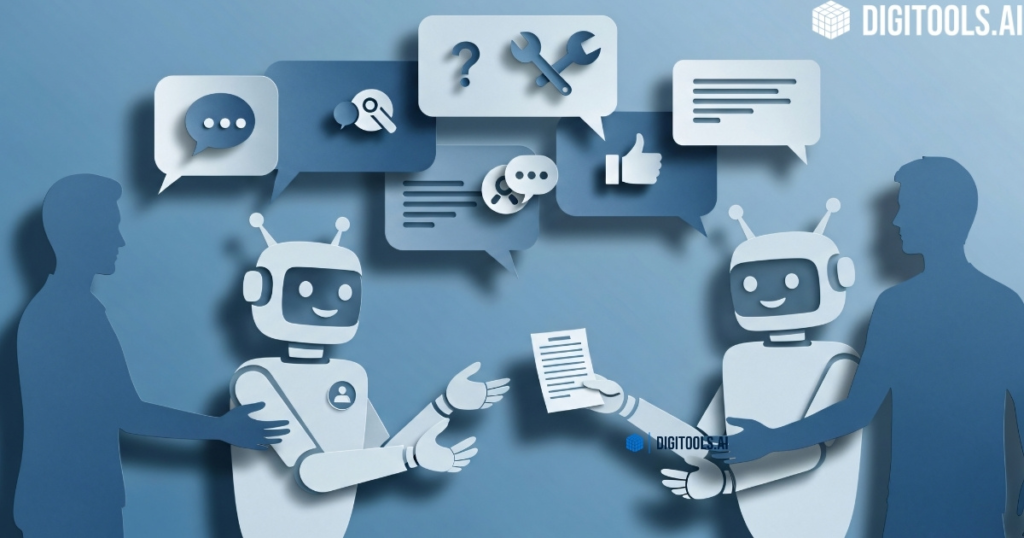
AI writing assistants help users generate ideas, draft emails, summarize documents, brainstorm content, and improve grammar. These tools are useful for students, marketers, bloggers, researchers, and professionals who regularly work with written content.
Many platforms also offer features such as language translation, tone adjustment, and document summarization, making communication more efficient.
Although AI can accelerate writing tasks, reviewing and editing AI-generated content remains important to ensure accuracy, clarity, and originality.
Project Management and Team Collaboration
Modern project management platforms increasingly include AI-powered features that assist with scheduling, task prioritization, meeting summaries, and workflow organization.
These capabilities help teams:
- Track project progress
- Assign responsibilities
- Organize deadlines
- Monitor workloads
- Improve communication
Automation can also reduce repetitive administrative work, allowing teams to focus on completing projects rather than managing them.
AI for Data Analysis
Businesses generate large amounts of data every day. AI-powered analytics tools help organize and interpret this information by identifying patterns, creating dashboards, and generating reports.
Instead of manually reviewing spreadsheets, users can quickly visualize trends and gain insights that support informed decision-making.
However, important business decisions should still include human review and consideration of the broader context.
Customer Support Automation

Customer service has benefited significantly from AI-powered automation. Intelligent chatbots and virtual assistants can answer frequently asked questions, provide order updates, and guide customers to relevant resources.
These systems can improve response times while allowing human support teams to focus on more complex customer inquiries.
A balanced approach that combines automation with human assistance often provides the best customer experience.
Marketing and Content Automation
Marketing teams use AI to assist with content planning, keyword research, social media scheduling, email campaigns, and performance analysis.
Automation helps reduce repetitive tasks while giving marketers more time to develop creative campaigns and build relationships with their audiences.
Although AI can generate ideas and drafts, successful marketing still depends on understanding customer needs and producing authentic content.
Workflow Automation
Workflow automation connects different applications and allows routine actions to occur automatically.
Examples include:
- Saving email attachments to cloud storage
- Creating tasks from online forms
- Sending automatic notifications
- Updating spreadsheets
- Synchronizing customer information
Automating repetitive processes can reduce manual work and improve consistency across teams.
AI for Meetings and Productivity
Many professionals spend a significant portion of their day attending meetings. AI meeting assistants can automatically generate summaries, identify action items, organize notes, and provide searchable transcripts.
These features help participants focus on discussions instead of taking extensive notes.
Calendar management and scheduling assistants also reduce time spent coordinating meetings across teams.
Choosing the Right AI Tool

The best AI solution depends on your specific goals and workflow.
Before selecting a tool, consider:
- Ease of use
- Integration with existing software
- Security and privacy features
- Collaboration capabilities
- Pricing
- Customer support
- Scalability
Testing several options before making a long-term commitment can help identify the best fit for your needs.
Best Practices for Using AI
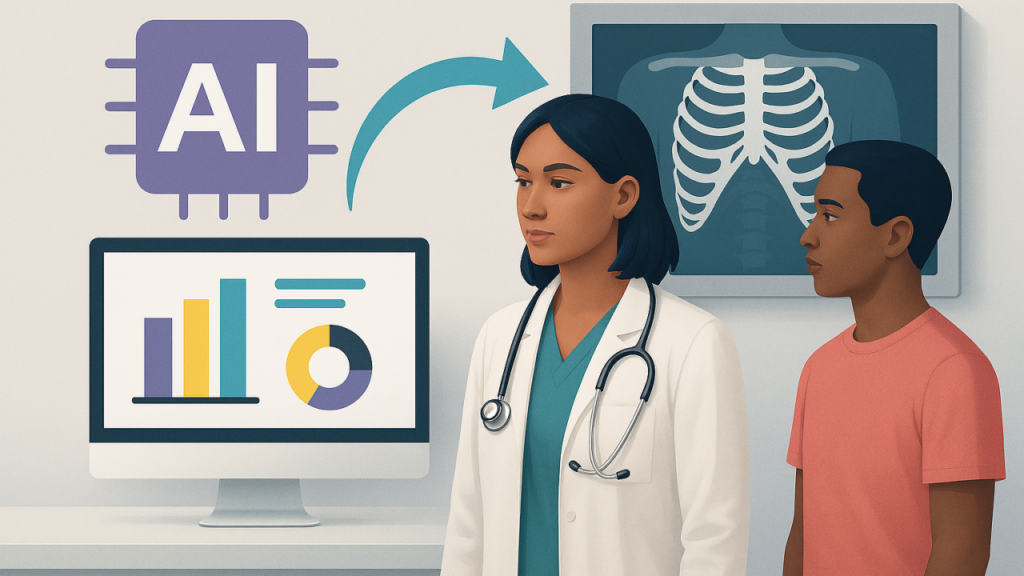
To get the most value from AI tools:
- Clearly define your objectives.
- Review AI-generated outputs for accuracy.
- Protect sensitive information.
- Keep software updated.
- Learn the platform’s advanced features.
- Combine AI assistance with human expertise.
AI performs best when used as a supportive tool rather than a replacement for critical thinking.
Looking Ahead
AI and automation continue to evolve rapidly. Future developments may include more personalized assistants, improved multimodal capabilities, stronger collaboration tools, and more intelligent workflow automation.
As these technologies mature, organizations will continue adopting AI to improve efficiency while emphasizing responsible and ethical use.
Conclusion
AI and automation are transforming how people work, communicate, and manage daily tasks. From writing assistance and project management to workflow automation and customer support, these technologies offer practical ways to improve productivity.
The most effective approach is to view AI as a tool that enhances human capabilities. By selecting solutions that align with your goals, reviewing AI-generated work carefully, and maintaining human oversight, individuals and organizations can make better use of their time while continuing to deliver thoughtful, high-quality work.
FAQ’s
1. What are AI productivity tools?
They are software applications that use AI to help automate tasks and improve efficiency.
2. Can AI replace human workers?
AI can automate certain tasks, but human judgment, creativity, and decision-making remain important.
3. Are AI tools useful for small businesses?
Yes. Many AI tools help small businesses streamline workflows, communication, and organization.
4. Is automation only for large companies?
No. Individuals, freelancers, startups, and organizations of all sizes can benefit from automation.
5. How do I choose the right AI tool?
Consider your goals, budget, ease of use, integrations, privacy features, and the specific tasks you want to improve.