

We all have goals we’d like to achieve. Maybe you want to exercise regularly, save more money, read more books, eat healthier, or become more productive at work. While setting goals is exciting, many people discover that their enthusiasm fades after a few days or weeks. The problem usually isn’t a lack of motivation—it’s a lack of sustainable habits.
Daily habits shape the quality of our lives. The small choices you make every day eventually become the foundation of your success, health, relationships, and happiness. The good news is that building better habits doesn’t require a complete life overhaul. It starts with small, consistent actions that gradually become part of your routine.
This guide explains how to build daily habits that truly last, why many habits fail, and practical strategies you can use to create lasting positive change.
Why Daily Habits Matter

Every action you repeat regularly influences your future. A single healthy meal won’t transform your health, just as one workout won’t make you fit. Likewise, reading one chapter won’t instantly make you an expert. However, repeating these actions consistently over weeks, months, and years creates remarkable results.
Habits reduce the need to rely on willpower. Once a behavior becomes automatic, it requires far less mental effort to maintain. This allows you to focus your energy on bigger decisions while your positive routines continue working in the background.
Successful people often credit their achievements not to extraordinary talent but to consistent daily habits that help them improve little by little every day.
Start with a Clear Reason
One of the biggest reasons people abandon new habits is that they don’t have a meaningful reason for starting. Before trying to build any habit, ask yourself why it matters.
Perhaps you want to exercise because you want more energy to play with your children. Maybe you want to save money to buy your first home or travel the world. Understanding the deeper purpose behind your habit makes it easier to stay committed when motivation begins to fade.
When your habits connect to your personal values and long-term goals, they become much more sustainable.
Begin with Small Changes
Many people make the mistake of trying to change everything at once. They decide to wake up at 5 a.m., exercise daily, eat perfectly, read two books a week, and completely reorganize their lives overnight.
Unfortunately, this approach often leads to burnout.
Instead, focus on one habit at a time. Start with something so simple that it feels almost impossible to fail. If your goal is to exercise regularly, begin with a ten-minute walk. If you want to read more, commit to five pages each evening.
Small victories build confidence and create momentum for larger improvements later.
Create a Consistent Routine

Habits become easier when they happen at the same time or after an existing activity.
For example, you might stretch immediately after waking up, review your goals while drinking your morning coffee, or read before going to bed. Connecting a new habit to an existing routine makes it easier for your brain to remember.
Consistency matters more than intensity. Performing a small action every day usually produces better long-term results than occasional bursts of extreme effort.
Design Your Environment for Success
Your surroundings influence your behavior more than you may realize.
If healthy snacks are visible on your kitchen counter while junk food is hidden away, you’re more likely to make healthier choices. If your workout clothes are ready the night before, exercising becomes more convenient. Keeping books on your desk instead of your phone can encourage reading instead of endless scrolling.
Making good habits easy and bad habits difficult creates an environment that naturally supports positive behavior.
Focus on Progress, Not Perfection
One missed workout, one unhealthy meal, or one unproductive day does not erase your progress. Many people abandon their habits because they believe one mistake means they’ve failed completely.
The truth is that lasting success comes from returning to your routine after setbacks.
Life will always include busy schedules, unexpected responsibilities, vacations, illnesses, and stressful moments. Instead of aiming for perfection, focus on consistency over time.
Missing once is normal. Missing repeatedly is what breaks a habit.
Track Your Progress
Keeping track of your habits can increase motivation and accountability.
Some people enjoy using habit-tracking apps, while others prefer calendars, journals, or simple checklists. Seeing a long streak of completed habits provides visual encouragement to continue.
Tracking also helps identify patterns. If you frequently skip a habit on certain days, you can adjust your schedule or environment to make success easier.
Remember that tracking exists to support your growth—not to create pressure.
Reward Yourself Along the Way
Positive reinforcement strengthens habits. Celebrating progress doesn’t require expensive rewards.
Completing a week of consistent workouts might deserve a relaxing evening or a new fitness accessory. Finishing a month of reading could be celebrated with a new book.
Small rewards make the habit-building process enjoyable while reinforcing positive behavior.
Eventually, the habit itself becomes rewarding as you begin experiencing better health, increased confidence, improved productivity, or reduced stress.
Eliminate Common Obstacles

Every habit has obstacles. Identifying them in advance makes them easier to overcome.
If you struggle to exercise because mornings feel rushed, prepare your clothes the night before or schedule workouts later in the day.
If distractions reduce productivity, silence unnecessary notifications or create a dedicated workspace.
The easier you make positive habits and the harder you make negative habits, the more likely you are to stay consistent.
Build Habits Around Your Lifestyle
There is no perfect routine that works for everyone.
Some people are most productive early in the morning, while others perform better during the evening. Parents, students, business owners, and shift workers all have different schedules.
Instead of copying someone else’s routine, build habits that fit naturally into your own lifestyle.
Habits that work with your daily responsibilities are much easier to maintain than routines that constantly create stress.
Stay Patient with the Process
One of the greatest misconceptions about habits is expecting immediate results.
You may not notice significant changes after one week of healthy eating or two weeks of exercising. However, every small action contributes to long-term improvement.
Building habits is similar to planting a tree. At first, little appears to happen above the ground, but beneath the surface, strong roots are developing. Eventually, those consistent efforts produce visible results.
Trust the process even when progress feels slow.
Surround Yourself with Positive Influences
The people around you have a powerful impact on your habits.
Friends who value health can encourage healthier choices. Colleagues who enjoy learning may inspire professional growth. Family members who support your goals can help maintain motivation during difficult periods.
Joining online communities, local groups, or accountability partnerships can also make habit-building more enjoyable and sustainable.
Positive environments often make positive habits feel natural.
Learn from Setbacks Instead of Quitting
Everyone experiences setbacks. Successful habit builders simply respond differently.
Instead of asking, “Why did I fail?” ask, “What can I improve next time?”
Perhaps your goal was too ambitious. Maybe your schedule changed unexpectedly. Maybe you needed better preparation.
Viewing setbacks as learning opportunities rather than failures allows continuous improvement without losing confidence.
Growth always includes challenges.
Make Habits Part of Your Identity
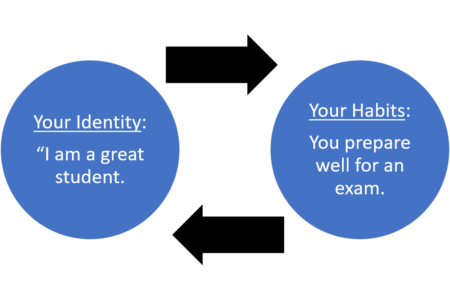
The strongest habits become part of how you see yourself.
Instead of saying, “I’m trying to exercise,” begin thinking, “I’m someone who takes care of my health.”
Instead of saying, “I’m trying to read more,” think, “I’m a person who enjoys learning.”
This subtle shift changes behavior because people naturally act in ways that align with their identity.
Over time, your habits become less about discipline and more about living consistently with the person you want to become.
Frequently Asked Questions
1. How long does it take to build a daily habit?
The time varies from person to person. Many habits begin feeling natural after several weeks of consistent practice, though more complex habits may take longer.
2. What is the easiest way to start a new habit?
Start with a small, manageable action that you can complete every day. Consistency is far more important than starting with a large commitment.
3. Why do people struggle to maintain good habits?
Common reasons include setting unrealistic goals, relying only on motivation, lacking a routine, and trying to change too many habits at once.
4. How can I stay motivated when building new habits?
Focus on your long-term purpose, track your progress, celebrate small achievements, create a supportive environment, and remember that consistency matters more than perfection.