Read Honest Tool Reviews to discover the Best Apps and software tested with real experience, unbiased insights, and practical recommendations for every user.
That is why honest tool reviews matter. Instead of relying on marketing claims, users deserve real experiences, practical insights, and unbiased opinions that help them identify the Best Apps for their unique needs. Whether you are a student, freelancer, entrepreneur, blogger, designer, or business owner, selecting the right digital tools can make daily work smoother, more productive, and far more enjoyable.
Choosing the right software is no longer a simple decision. Every day, new apps promise to save time, improve productivity, and make life easier. With so many Best Apps available across different categories, it can be difficult to know which ones truly deliver real value. Yet, after downloading many of them, people often discover that the features are limited, the interface is confusing, or the free version offers very little value. Finding software that genuinely delivers on its promises can feel like walking through a dense forest where every path looks inviting, but only a few lead to the destination you had in mind.
This guide reviews some of the best apps and software that have earned their reputation through performance, reliability, and ease of use. Rather than focusing on flashy advertisements, this review looks at how these tools perform in everyday situations.
What Makes a Tool Worth Using?
Not every popular application deserves a place on your computer or smartphone. A good digital tool should solve a real problem instead of creating new ones. During testing, several important factors become clear.
Performance is one of the biggest considerations. A tool should work quickly without constant crashes or unnecessary delays. Nobody enjoys waiting for software to load while valuable time slips away.
Ease of use is equally important. A clean dashboard, simple navigation, and logical features allow users to focus on their work instead of learning complicated menus.
Pricing also plays a major role. Many excellent tools offer generous free plans, while premium versions provide additional features for professionals without becoming unnecessarily expensive.
Customer support, regular updates, security, and compatibility with multiple devices are also signs of trustworthy software.
Like a healthy tree growing steadily through changing seasons, dependable software continues improving over time rather than fading after its initial launch.
Notion: A Flexible Workspace for Organization
Notion has become one of the most popular productivity platforms because it combines note-taking, task management, databases, calendars, and collaboration into a single workspace.
During testing, Notion proved remarkably flexible. Users can create personal journals, project plans, meeting notes, business documentation, or content calendars without switching between multiple applications.
The clean interface makes organizing information simple, although beginners may need a little time to explore its many customization options.
Pros include excellent collaboration, cloud synchronization, customizable templates, and generous free features.
The main drawback is that very large workspaces may feel slightly slower than smaller ones, especially on older devices.
Canva: Design Made Simple
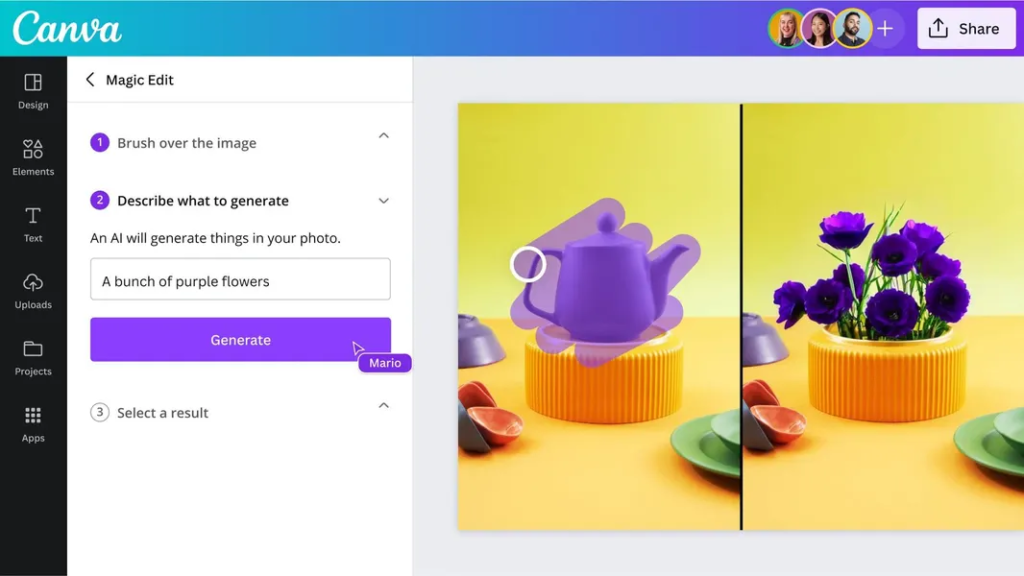
Creating professional graphics once required expensive software and years of experience. Canva has changed that completely.
Whether designing social media posts, presentations, YouTube thumbnails, resumes, posters, or marketing materials, Canva offers an impressive collection of templates that help beginners create attractive designs quickly.
Testing showed that its drag-and-drop editor works smoothly, while its extensive library of fonts, icons, photos, and illustrations saves valuable design time.
Professional designers may still prefer advanced editing software for complex projects, but Canva remains one of the easiest design platforms available.
Grammarly: A Helpful Writing Companion
Writing clearly is essential for emails, articles, reports, and business communication. Grammarly acts like a careful editor sitting quietly beside you, pointing out grammar mistakes, awkward phrasing, punctuation errors, and readability issues.
Testing revealed that Grammarly significantly improves writing quality without interrupting the creative process.
Its suggestions are generally accurate, although writers should not accept every recommendation automatically. Human judgment remains important because tone and creativity cannot always be measured by software.
The free version covers most everyday writing needs, while premium features offer deeper writing analysis.
Trello: Simple Project Management
Managing projects becomes much easier when tasks are organized visually. Trello uses a board-and-card system that allows teams to move projects from planning to completion with remarkable simplicity.
Testing showed that Trello works especially well for freelancers, startups, students, and small businesses.
Creating checklists, assigning deadlines, uploading files, and collaborating with teammates feels natural rather than overwhelming.
For extremely large organizations with complicated workflows, additional project management software may offer more advanced capabilities, but Trello remains an excellent balance between simplicity and functionality.
Google Drive: Reliable Cloud Storage
Cloud storage has become an essential part of modern work. Google Drive continues to be one of the most dependable options available.
Testing confirmed that file uploads remain fast, document sharing is straightforward, and collaboration happens almost instantly.
The integration with Google Docs, Sheets, Slides, and Forms creates a seamless experience for both individuals and teams.
The free storage limit is sufficient for many users, while paid plans provide additional space for businesses and professionals.
Slack: Better Team Communication
Email often becomes crowded and difficult to manage. Slack offers a faster, more organized way for teams to communicate.
Channels separate conversations by topic, making discussions easier to follow. File sharing, video calls, and app integrations further improve workplace collaboration.
Testing showed that Slack performs reliably across desktop and mobile devices, although notifications can become overwhelming if too many channels are active.
For remote teams, however, Slack remains one of the strongest communication platforms available today.
ChatGPT: AI Assistance for Everyday Work
Artificial intelligence has become a valuable assistant rather than just an interesting technology. ChatGPT helps users brainstorm ideas, summarize information, explain difficult topics, draft content, and answer questions quickly.
During testing, it proved especially useful for writers, marketers, developers, students, and entrepreneurs.
Its responses are often impressive, but they should still be reviewed carefully for accuracy, especially when dealing with technical, financial, or medical topics.
Used thoughtfully, it becomes a helpful partner instead of a replacement for human creativity.
Zoom: Reliable Online Meetings
Virtual meetings have become part of everyday business life, education, and remote collaboration.
Zoom continues to perform well thanks to stable video quality, screen sharing, breakout rooms, meeting recordings, and simple scheduling.
Testing found that even users with limited technical experience could join meetings easily without confusion.
While competitors continue improving their own platforms, Zoom remains one of the most dependable choices for online communication.
Adobe Express: Fast Creative Content
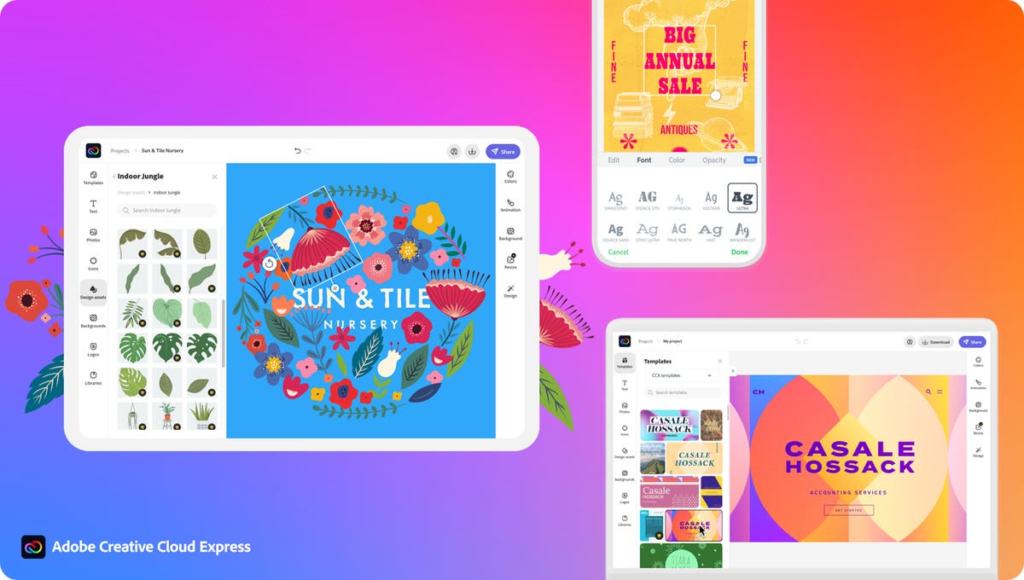
Adobe Express offers a refreshing balance between simplicity and professional quality.
Users can create flyers, banners, logos, videos, presentations, and promotional graphics without learning complicated editing software.
Testing showed fast performance, attractive templates, and excellent integration with other Adobe services.
It is particularly valuable for small businesses, bloggers, and content creators who want polished visuals without spending hours designing from scratch.
How We Tested These Tools
Every recommendation in this review is based on practical evaluation rather than promotional claims.
Each tool was assessed using everyday tasks that typical users perform. We looked at installation, interface design, speed, feature quality, customer experience, security, pricing, mobile compatibility, desktop performance, and long-term usability.
We also considered how quickly beginners could become comfortable using each application. Software should make work feel lighter, not heavier.
Like walking beside a calm river that naturally finds its direction, the best digital tools guide users effortlessly toward their goals.
Which Tool Is Right for You?
Different users have different priorities.
Students often benefit from Notion, Grammarly, Google Drive, and Canva.
Content creators usually find Canva, Adobe Express, ChatGPT, and Google Drive particularly valuable.
Freelancers may prefer Trello, Slack, Notion, and Grammarly for managing projects and communication.
Business teams often combine Slack, Zoom, Google Drive, and Trello to improve collaboration and productivity.
Choosing software should never be about popularity alone. Instead, consider your daily tasks, budget, experience level, and future needs before making a decision.
FAQ’s
1. What are tool reviews?
Tool reviews evaluate software based on features, usability, pricing, and performance.
2. Which app is best for productivity?
Notion, ClickUp, and Trello are among the top productivity tools.
3. Are free software tools worth using?
Yes, many free tools offer excellent features for personal and professional use.
4. How do I choose the right software?
Compare features, pricing, ease of use, and customer reviews before deciding.
5. Why should I read honest tool reviews?
Honest reviews help you choose reliable software that matches your needs and budget.