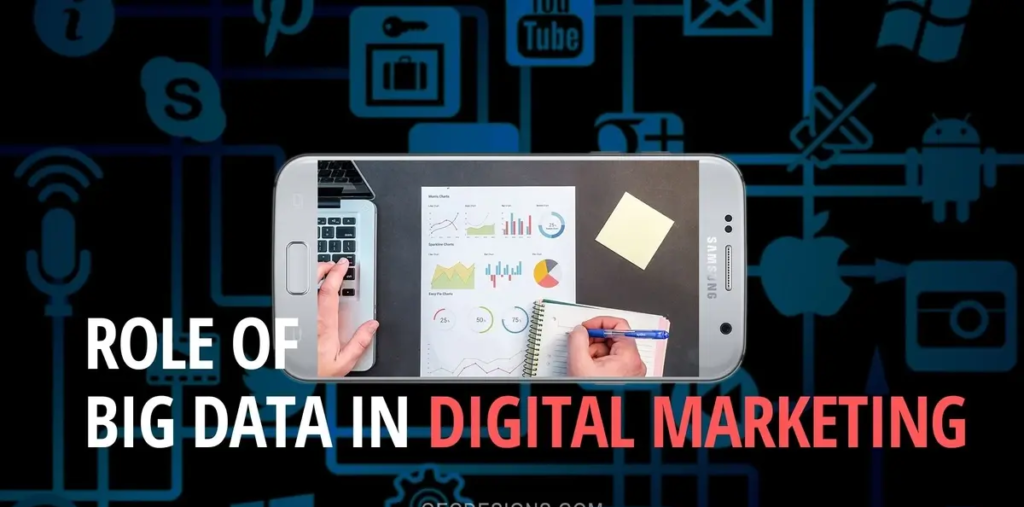
Data-Driven Marketing has transformed modern business. Instead of relying on guesswork, companies now use clicks, searches, purchases, and website data to understand customer behavior and make smarter marketing decisions.
Data-driven marketing allows businesses to make smarter decisions based on real evidence rather than assumptions. Instead of asking what might work, companies can analyze what is already working and improve from there. This leads to better targeting, stronger customer engagement, improved conversions, and more efficient use of marketing budgets.
Businesses that understand their audience through data can adapt faster, create more relevant campaigns, and build stronger relationships with customers. The result is sustainable growth built on informed decisions.
Understanding data-driven marketing does not require becoming a data scientist. It starts with learning how to collect useful information, interpret patterns, and apply insights effectively.
Understand Your Audience Deeply

Every successful marketing strategy begins with understanding the customer.
Many businesses make the mistake of marketing to everyone. This usually weakens messaging because broad campaigns rarely feel personal or relevant.
Data solves this problem.
Customer data helps reveal who your audience is, what they need, how they behave, and what influences their buying decisions. This information may include demographics, purchase history, browsing behavior, content engagement, search intent, and customer feedback.
These insights help create clearer customer profiles.
Instead of using generic messaging, businesses can tailor campaigns to specific audience segments.
This improves relevance.
When customers feel understood, they engage more. They respond better to messaging that addresses their needs, challenges, and goals.
The better you understand your audience, the better your marketing performs.
Use Analytics to Measure Performance

One of the biggest strengths of digital marketing is measurability.
Unlike traditional marketing, modern digital channels provide detailed performance metrics. Businesses can track impressions, clicks, conversions, bounce rates, engagement, and customer journeys.
This visibility creates opportunities for improvement.
Without analytics, marketing decisions become emotional or subjective. Teams may assume a campaign performed well simply because it looked impressive.
Data tells the real story.
A visually attractive campaign means little if it fails to generate meaningful results.
Analytics help answer critical questions.
Which channels generate the most leads? Which content drives conversions? Which campaigns produce the highest return on investment?
These insights help businesses allocate resources more effectively.
Good marketers do not only launch campaigns.
They measure, analyze, and optimize continuously.
Segment Your Audience for Better Targeting

Not all customers think or behave the same way.
Treating every customer identically often reduces campaign effectiveness.
Audience segmentation improves targeting by grouping customers based on shared characteristics or behaviors.
These groups may be based on age, location, purchase habits, interests, industry, or engagement level.
Segmentation makes communication more relevant.
For example, a new customer may need educational content and trust-building messaging. A loyal repeat customer may respond better to exclusive offers or premium upgrades.
The message should match the customer stage.
Data helps identify these segments clearly.
This allows businesses to deliver more personalized marketing experiences.
Better targeting often leads to higher engagement and improved conversion rates.
Relevance drives performance.
Personalize Customer Experiences
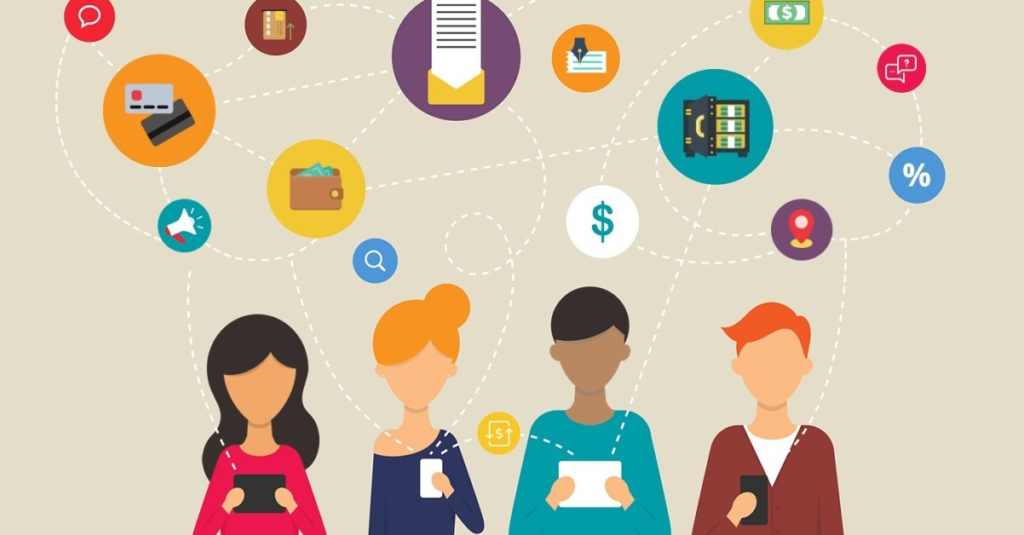
Personalization has become a major competitive advantage.
Modern consumers expect businesses to understand their preferences.
Generic marketing increasingly feels easy to ignore.
Data makes personalization possible.
Businesses can use behavioral insights to customize product recommendations, email content, website experiences, and promotional offers.
This creates stronger customer connections.
Personalized marketing feels more useful and less intrusive because it aligns with customer interests.
Think about recommendation systems in digital platforms.
When customers receive relevant suggestions, they are more likely to engage.
Personalization improves the overall customer journey.
It reduces friction and increases satisfaction.
Businesses that personalize effectively often build stronger loyalty.
Better content drives better growth.
Focus on Conversion Optimization
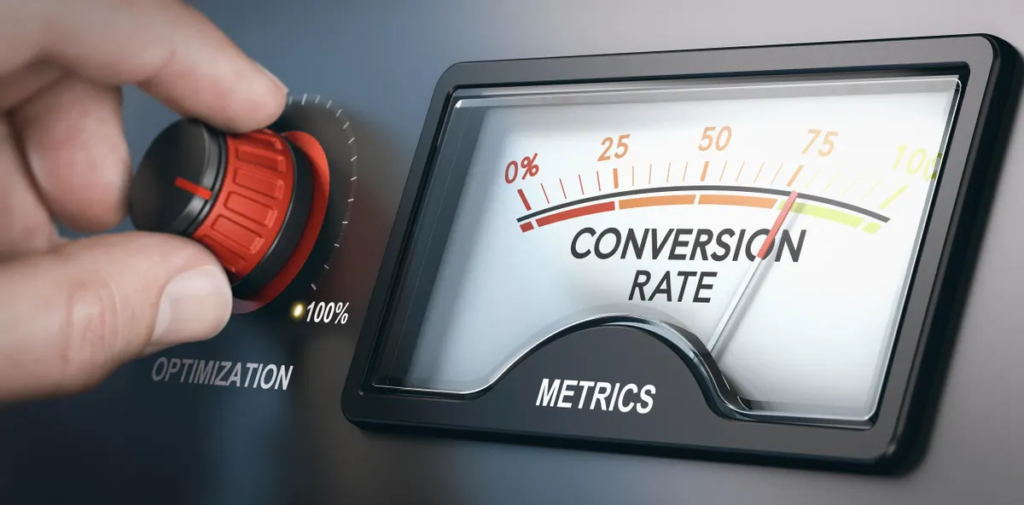
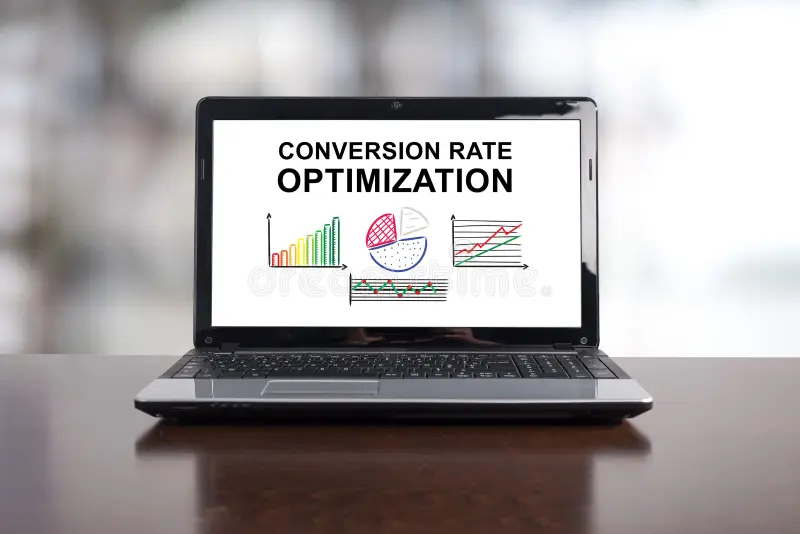
Traffic alone does not guarantee growth.
Many businesses invest heavily in attracting visitors but overlook conversion optimization.
Getting attention is only one part of marketing.
Turning attention into action matters more.
Data helps identify where customers drop off in the journey.
Are users leaving during checkout? Ignoring landing pages? Abandoning forms halfway?
These patterns reveal friction points.
Small improvements can create major results.
Simpler forms, clearer calls to action, better page design, stronger trust signals, and faster load times can significantly improve conversions.
Optimization compounds growth.
Even modest conversion improvements can dramatically increase revenue without increasing traffic.
This makes conversion optimization one of the most valuable data-driven strategies.
Track Customer Lifetime Value
Many businesses focus heavily on acquiring new customers.
Customer acquisition matters, but retention often creates better long-term profitability.
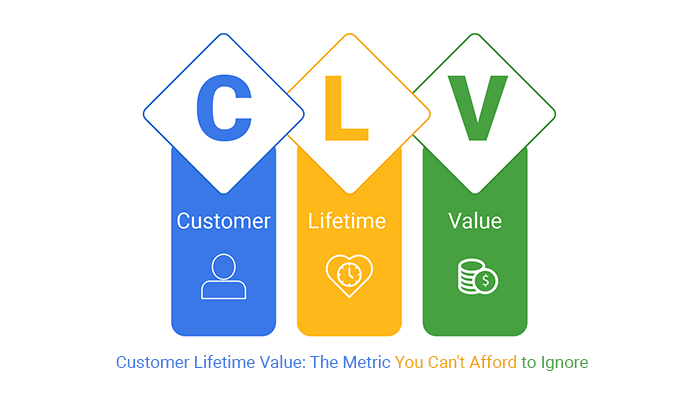
This is where customer lifetime value becomes important.
Customer lifetime value measures the total revenue a customer generates throughout their relationship with a business.
This metric changes strategic thinking.
Instead of viewing each sale individually, businesses begin focusing on long-term relationships.
Data reveals which customer segments create the highest long-term value.
These insights influence marketing decisions.
High-value customer segments may justify higher acquisition costs because long-term returns are stronger.
Retention strategies become more important.
Loyal customers often spend more, buy more frequently, and refer others.
Growing lifetime value strengthens business growth.
Use A/B Testing for Smarter Decisions
Small marketing changes can create surprisingly large results.
The challenge is knowing which changes actually improve performance.
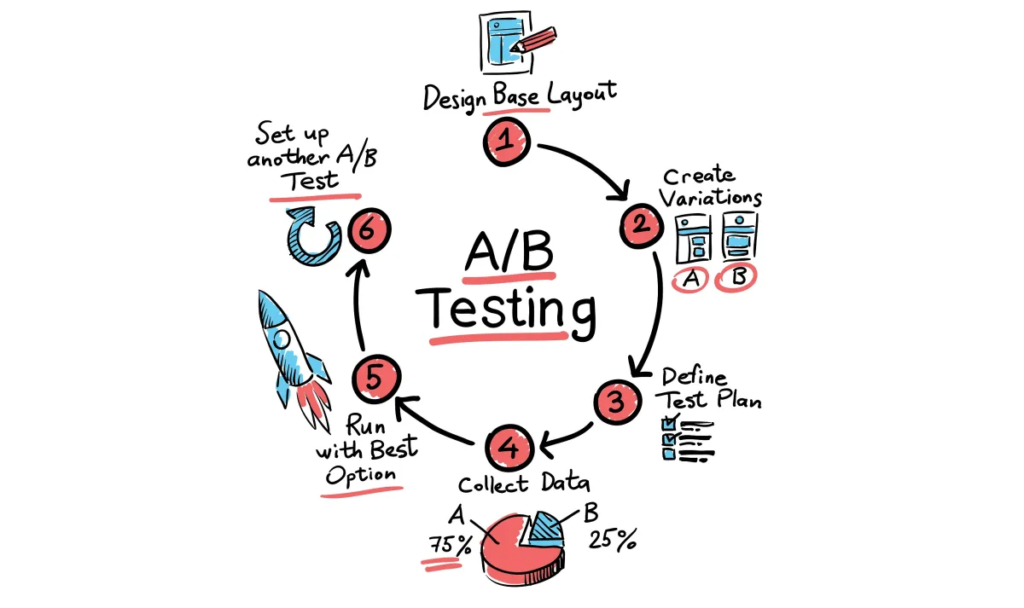
A/B testing helps solve this.
This strategy compares two versions of a marketing element to see which performs better. Businesses can test headlines, email subject lines, ad creatives, landing pages, call-to-action buttons, or pricing offers.
Testing removes guesswork.
Instead of debating opinions, teams use evidence.
Data shows which version drives better results.
This creates smarter optimization.
Continuous testing improves marketing efficiency over time.
Even small percentage gains matter when applied across campaigns.
Successful marketing often comes from constant refinement rather than dramatic overhauls.
Small wins compound.
Invest in Predictive Insights
Advanced data strategies go beyond analyzing the past.
Predictive analytics helps businesses anticipate future behavior.
Using historical data and machine learning, predictive systems identify patterns that suggest likely future actions.
This can improve decision-making significantly.
Businesses may predict which leads are most likely to convert, which customers are at risk of leaving, or which products may perform best in upcoming campaigns.
This allows proactive strategy.
Instead of reacting late, businesses can act earlier.
Predictive insights improve efficiency and resource allocation.
As AI tools become more accessible, predictive marketing will become increasingly important.
Companies that adopt these capabilities early may gain major competitive advantages.