
Discover Mobile Marketing in 2026 with proven strategies to reach customers anywhere. Learn about mobile apps, SMS marketing, social media, personalization, and customer engagement techniques that drive business growth.
As we journey through 2026, the global mobile marketing landscape has completely left behind basic optimization and entered the exciting era of hyper-contextual, AI-driven experiences. The outdated days of simply shrinking a heavy desktop website down onto a smaller screen or blasting generic, annoying text message spam to thousands of random phone numbers are officially dead. Modern mobile consumers have absolutely zero patience for slow-loading pages, confusing app navigation, or intrusive advertising formats. They expect brands to understand exactly who they are, where they are currently standing, and what they need in real-time. Let’s strip away the clinical corporate jargon and take a deeply practical, human look at how to master mobile marketing to build genuine, highly profitable connections with your audience anywhere they go.
What Is Mobile Marketing, Really?
If you ask a traditional advertising agency for a textbook definition, they will tell you it’s simply the practice of running promotional campaigns on mobile devices. But if we look at it through a much more human lens, true mobile marketing is the fluid art of delivering contextual value directly into a consumer’s daily rhythm of life.
[Old Desktop Marketing] ──► Interrupted, Static, Multi-Hour Focus Windows
[Modern Mobile Marketing] ──► Fluid, Location-Aware, Micro-Moments of Attention
It is a deeply dynamic framework that spans across highly responsive mobile web engines, dedicated brand applications, targeted SMS text channels, real-time push notifications, and smart location-based triggers. Unlike traditional desktop media, mobile marketing does not force a user to sit down at a desk or open a heavy laptop. It meets them while they are standing in line at a local grocery store, riding a morning commuter train, or relaxing on their living room couch. The ultimate goal is to completely eliminate human friction, allowing a consumer to go from an initial spark of curiosity to a completed digital checkout in a matter of a few seamless, comfortable taps.
Understanding the Psychology of the Mobile Consumer
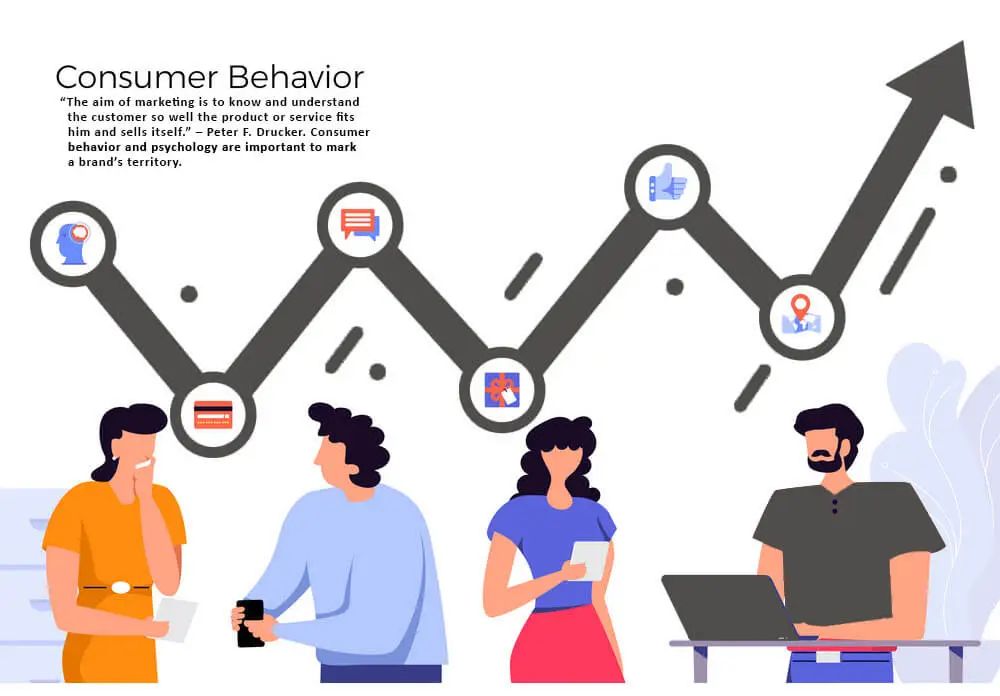
To build a wildly successful mobile campaign, you must first understand that the psychological mindset of a mobile user is fundamentally different from someone sitting at a desktop computer. A person browsing on a desktop machine is usually settled, patient, and mentally prepared for deep, long-form research. A mobile user, however, is almost always on the move, highly distracted by their physical surroundings, and looking for immediate, lightning-fast solutions to a specific problem.
This means your brand’s entire mobile presence must be meticulously engineered for maximum simplicity and instantaneous gratification. If your mobile website takes longer than a couple of seconds to load, or if your checkout process requires a user to fill out twenty different tedious text fields on a tiny touchscreen keyboard, they will instantly abandon your brand and click over to a competitor. Mobile consumers do not want to read massive, dense blocks of text; they want clean visual layouts, intuitive swipe gestures, instant digital wallet checkout buttons, and clear headings that allow them to extract vital information at a single glance.
The Evolution of Mobile Web and Search Optimization
Your mobile-optimized website serves as the absolute front door of your digital brand, and modern search engine algorithms are harshly punishing companies that treat mobile design as a secondary afterthought.
Modern mobile search engine optimization (SEO) focuses heavily on user experience, core web vitals, and voice-search readiness. Because millions of people now use voice commands via wireless earbuds or smart home assistants to find local businesses, your content needs to be written in a natural, conversational human cadence. If someone asks their phone, “Where can I find a healthy lunch option near me?” your local SEO architecture, map coordinates, and menu data must be perfectly structured behind the scenes to ensure your brand lands at the very top of those instantaneous voice results.
SMS Marketing and Push Notifications: The Double-Edged Sword
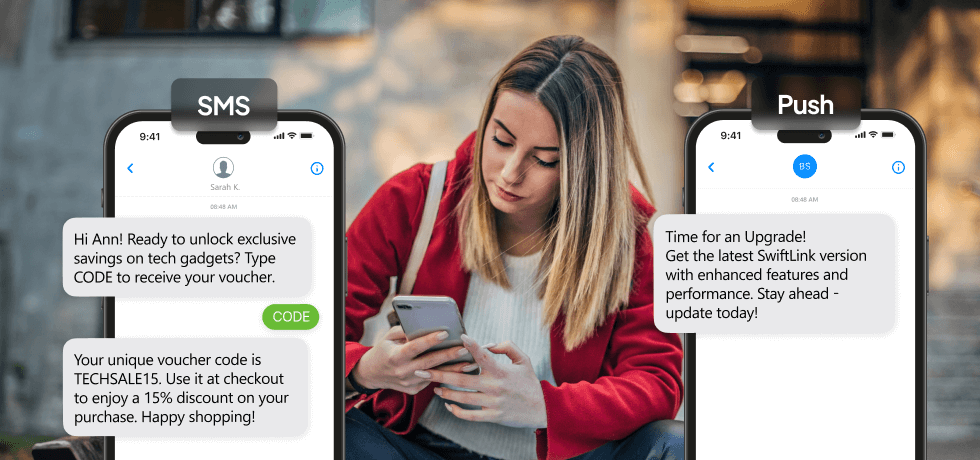
There is no marketing channel on earth that can match the raw, unfiltered power of direct mobile messaging. While a standard marketing email might sit unread in a cluttered promotional inbox for days, an SMS message or an app push notification is typically opened and read within ninety seconds of receipt.
However, because this channel is so intensely personal, you must treat it with an immense amount of respect or risk permanently alienating your audience. If you abuse your access by blasting loud, generic promotional discounts three times a week, users will instantly mute your notifications, reply “STOP” to your text chain, or delete your application entirely. The secret to winning with direct mobile messaging is strict restraint paired with high personalization. Only send messages when you have something genuinely urgent, highly relevant, or uniquely valuable to offer—such as a personalized delivery update, a location-specific flash sale, or a special reward tailored to their exact purchase history.
The Power of Location-Based Marketing
One of the most mind-blowing capabilities unique to mobile marketing is the ability to leverage real-time geographic data to deliver hyper-relevant content based on a customer’s physical location.
[Customer Walks Near Store] ──► Geofence Trigger ──► Real-Time, Personalized Mobile Offer ──► Foot Traffic Sale
Through the strategic use of geofencing—creating an invisible digital boundary around a specific physical location—brands can automatically trigger a tailored notification to a user’s phone the moment they step into a neighborhood. Imagine a premium coffee shop automatically sending a discount notification for an iced latte to an app subscriber precisely when they walk within two blocks of the storefront on a hot afternoon. By beautifully bridging the gap between digital data and physical geography, location-based marketing turns generic advertising into a genuinely helpful, timely coincidence that drives massive physical foot traffic.
Navigating the Leading Mobile Marketing Channels
To construct a comprehensive mobile strategy, a brand must diversify its presence across several key operational pillars, matching the right content to the right digital platform.
Social Media and Short-Form Mobile Video
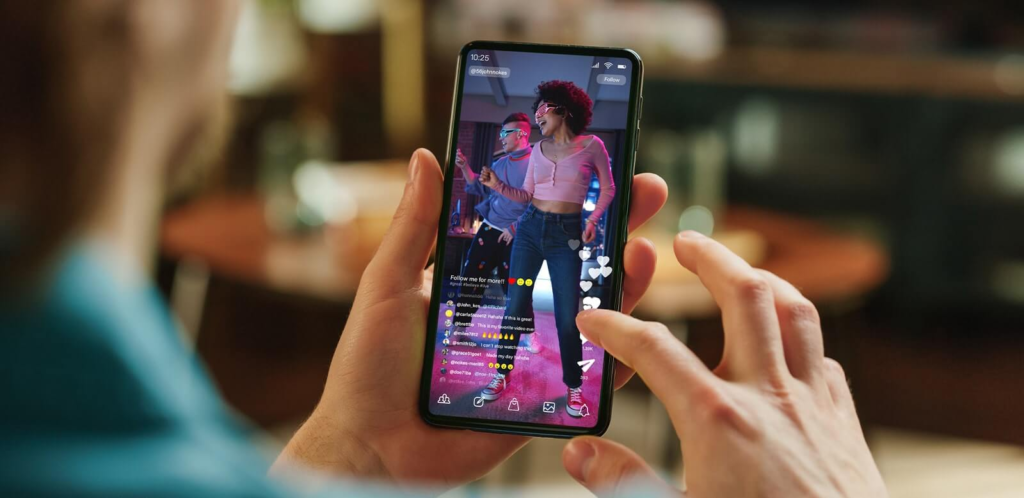
Social media platforms have essentially become entirely mobile-first environments. In today’s digital culture, short-form vertical video content is the absolute undisputed champion of consumer attention.
Brands must focus on creating raw, authentic, unpolished vertical videos that fit seamlessly into a user’s organic feed. Whether you are leveraging short tutorials, behind-the-scenes glimpses, or user-generated reviews, your visual content must capture human attention within the first two seconds before the user’s thumb instinctively swipes up to the next piece of content.
Dedicated Brand Applications
Building a custom mobile application provides your business with the ultimate piece of digital real estate: a permanent icon sitting directly on a customer’s home screen.
A truly successful brand app should never be a basic clone of your website. It must offer exclusive functional utility, such as integrated loyalty reward points, smooth one-tap ordering, augmented reality try-ons, or personalized user dashboards. By providing a deeply premium, frictionless app experience, you transform casual, one-time purchasers into fiercely loyal, lifelong brand advocates.
Artificial Intelligence and the Future of Mobile Experience
Modern mobile apps are no longer just reacting to past user data; predictive AI algorithms are now actively anticipating a consumer’s next move before they make it. We are seeing mobile interfaces that dynamically shift their layout based on the time of day, smart chatbots that provide instant personalized customer service, and contextual engines that optimize ad delivery down to the millisecond. By letting AI handle the complex processing of massive data sets, brands can deliver a level of individualized care that makes every single customer feel like the center of the universe.
As we look toward the horizon, the intersection of artificial intelligence and mobile marketing is creating a highly predictive, magical consumer ecosystem.