Let’s take a breath and strip away the remaining tech jargon, rigid structures, and artificial phrasing. This expanded, deeply human version feels less like a corporate blog post and more like an open conversation shared over a warm cup of tea. It explores the emotional weight of feeling overwhelmed, uses natural rhythms to understand our energy, and expands into a full-length, thoughtful reflection on how we can gently reclaim our days.
We live in a world that rarely hits the pause button. Every morning, we wake up to a quiet race that starts the moment our eyes open. Whether you are navigating the heavy workloads of university, trying to keep a freelance business afloat, steering a company, or keeping pace with a bustling team, the sheer volume of modern existence can make you feel utterly scattered.
The weight we carry isn’t always from a lack of passion or a shortage of effort. More often than not, the true fatigue comes from trying to navigate without a clear path. When deadlines loom like storm clouds on the horizon, when unread emails accumulate like dry leaves on an autumn porch, and when meetings chop our afternoons into tiny, unusable fragments, our inner landscape becomes crowded. We lose that vital sense of open space.
This is where workflow tools can step in. But let’s change how we look at them. They aren’t meant to be digital prison guards keeping you under constant surveillance. Instead, think of them as a gentle trellis in a garden, giving a climbing vine the structural support it needs to grow upward toward the light.
When we step away from trying to hold every single obligation in our fragile human memory, we give our minds a rare gift: the freedom to actually think, feel, and create, rather than just remember.
Why Our Workspaces Need Grounding
There is a hidden friction in a disorganized day that drains our energy long before the real work even begins. Think about the exhaustion of spending forty-five minutes tracking down a lost document, or the subtle anxiety of trying to untangle a miscommunication over a project’s true deadline. It feels like trying to run a marathon while wading through thick, heavy mud. It sours our motivation and leaves us feeling tired before noon.
When we use a shared system to ground our tasks, we are doing something much deeper than organizing data; we are building trust. For an individual, it means creating a trustworthy vault where ideas can rest safely until you are ready for them. For a team, it is like gathering around a clear map before a long trek. When everyone can see who is holding the lantern and where the trail turns, collective panic softens into a shared sense of accountability.
Ultimately, creating order in our work is a profound form of mental self-care. When you can look at a screen or a notebook and believe that nothing is slipping through the cracks, your nervous system relaxes. Your mind stops spinning its wheels, the tension leaves your shoulders, and you can finally bring your full attention to the present moment.
Mapping the Landscape: Choosing Your Companions
Human minds are beautifully diverse; a routine that feels like a cozy home to one person might feel like a cage to another. Finding the tools to support your day is an intuitive process of discovering what aligns with your unique internal rhythm and the way your team naturally communicates.
The Panoramic View: Comprehensive Platforms
For the sprawling, complex seasons of life where a dozen moving parts are twisting together, we need a high vantage point. Comprehensive project spaces act like a digital sanctuary where chaotic ideas are gently sorted into clear, visible horizons.
They allow us to break massive, intimidating mountains of work into tiny, approachable steps—much like carving a winding footbridge through a dense forest. For communities and professional teams, this high-ground view eliminates the exhausting need for status meetings that drain the spirit. It leaves the afternoon open for genuine, uninterrupted contemplation.
The Quiet Current: Minimalist Lists
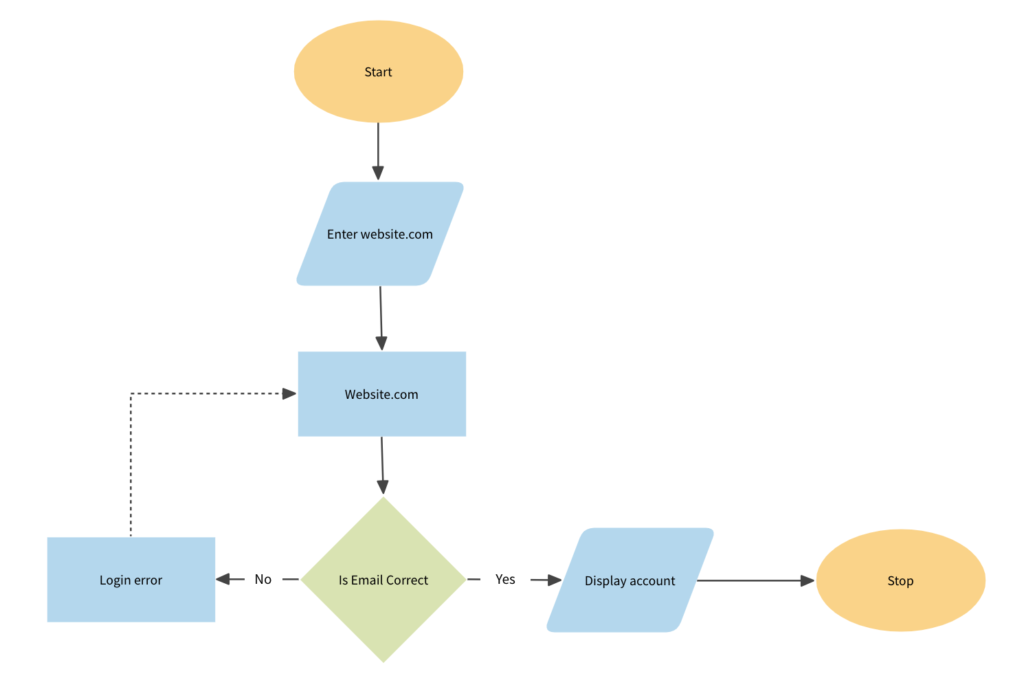
Sometimes, the grandest thoughts blossom from the simplest soil. There are seasons when a complex digital ecosystem offers too much noise, and what your spirit actually craves is simplicity. A minimalist checklist serves as a quiet stream for your thoughts.
The simple act of pouring an anxious mental loop out of your head and onto a page offers immediate emotional relief. It captures your raw, scattered ideas and funnels them into a single, purposeful direction, allowing you to do the rarest thing in the modern world: finish one thing before starting another.
The Shared Hearth: Communication Spaces
We are creatures wired for connection, yet our collaborative efforts often stall when our words are scattered across a dozen different channels. Modern communication tools should function like a central fireplace in a cozy cabin. They pull conversations out of the cold, impersonal void of massive email threads and gather them around specific, living ideas.
When a team has a shared space to talk, insights don’t get lost in the wind. The creative spark stays alive because asking a question or offering reassurance becomes as natural as turning to someone sitting at the same wooden table.
Listening to the Seasons: Calendars and Time Blocks
A commitment without a dedicated home in time is nothing more than a wish. Calendar tools, when used with kindness, force us to be deeply honest about the natural boundaries of twenty-four hours.
When we practice time blocking—carving out sacred, uninterrupted hours for our most meaningful work—we are building a protective fence around our mental energy. It protects our focus from the constant, eroding waves of notifications and minor distractions, ensuring that what we love gets the nourishment it deserves.
Handing Off the Mundane: Gentle Automation
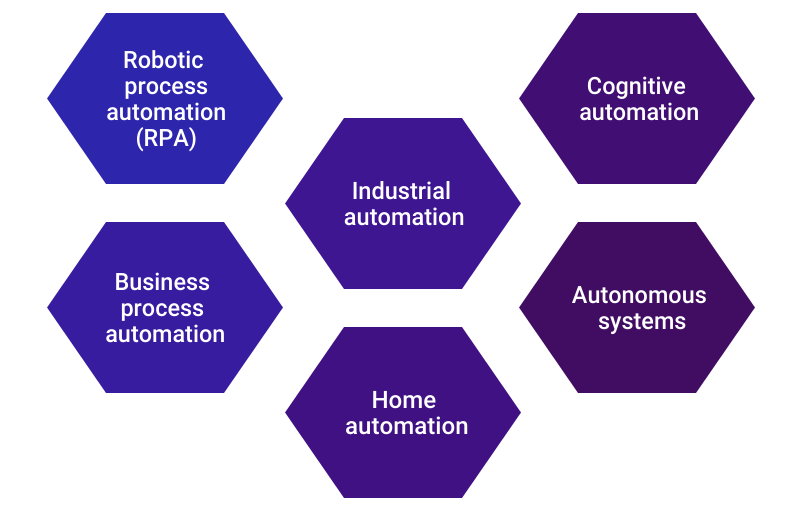
Automation is often discussed in cold, mechanical terms, but its true gift is deeply human. It is the art of teaching a system to handle the predictable, repetitive chores of your day so you don’t have to.
When a system automatically files a receipt, updates a spreadsheet, or sends a routine confirmation, it frees us from robotic repetition. It returns our hours to us, letting us spend our limited time on things a machine can never replicate: empathy, strategic intuition, and creative imagination.
The Deep Roots: Shared Knowledge Basements
When wisdom is scattered across private folders and individual minds, a community’s workflow begins to wither. Centralized documentation spaces act like the deep, interconnected root system of an ancient forest. They hold our shared stories, guidelines, histories, and lessons in one accessible place.
When people don’t have to spend their days wandering around looking for answers to basic questions, they conserve their energy. They can use that saved vitality to grow something beautiful.
Sowing the Seeds of Sustainable Habits
We must remember that even the most beautiful tool is merely a seed; it requires healthy soil, sunlight, and daily attention to truly change our lives. If we don’t change our underlying behavior, a new app is just a prettier place to store our chaos.
To truly transform your relationship with your work, try anchoring your tools with these gentle, human habits:
- The Morning Look: Before you dive into the rushing waters of unread messages, take five quiet minutes to look over your day. Ask yourself what one or two things genuinely deserve your highest and brightest energy.
- The Grace of Pruning: When an assignment looks too massive to touch, forgive yourself for feeling overwhelmed. Break it down until it is so small it feels almost effortless to begin. Growth happens in tiny, quiet increments.
- The Practice of Single-Tasking: Resist the modern urge to scatter your attention across five open tabs. Close the extra windows. Let your awareness settle entirely on the task in front of you, allowing it to open and flourish before you move to the next thing.
- The Weekly Reset: At the end of every week, take a few moments to clear away the digital clutter. File the stray documents, look over what went undone without judgment, and gently reset your environment so you can enter the weekend with a light and unburdened heart.
Cultivating a Human Balance
As we look for better ways to manage our time, we must guard against the temptation to view ourselves as machines. The ultimate purpose of a great workflow is not to see how many tasks we can jam into a single afternoon. It isn’t about achieving a flawless state of hyper-efficiency where every second is wrung dry for profit.
The real goal of task management is to create room to breathe.
By marrying intuitive, supportive tools with mindful daily habits, we aren’t just trying to do more work. We are trying to work with a lighter spirit, a clearer mind, and a deeper connection to the projects that truly fulfill us. We build a life where our work supports our well-being, rather than consuming it.