
Time remains our most finite, non-renewable, and valuable resource, yet the modern digital world makes managing it effectively an ongoing struggle. In an era dominated by persistent digital notifications, endless to-do lists, and expanding professional responsibilities, maintaining a high level of productivity can feel like an uphill battle. However, true time management is not about punishing yourself with longer working hours or sacrificing sleep; instead, it is about working smarter, protecting your focus, and maximizing the value of the hours you have available.
By systematically developing intentional daily habits, establishing crystal-clear operational priorities, and leveraging proven cognitive design techniques, anyone can dramatically increase their daily output, reduce cognitive fatigue, and reclaim control over their schedule.
Conduct an Honest Assessment of Your Current Time Usage

Before you can fix an inefficient schedule, you must gather objective data regarding where your hours are actually slipping away. Most people suffer from cognitive bias regarding their daily habits, drastically underestimating the minutes spent mindlessly scrolling through social media feeds, reading non-urgent emails, or lingering over unstructured administrative tasks.
[Raw 24-Hour Day] ──> [Audit & Activity Log] ──> [Eliminate Time Voids]
                             │
                             └── (Identifies hidden leaks, doom-scrolling, friction)
To break this cycle, invest a few days into keeping a meticulous, real-time activity log. Documenting every single transition—from deep project design to casual office conversations—reveals the hidden friction points and structural time-wasting habits that quietly sabotage your calendar. Once you possess an accurate map of your time usage, you can design a highly optimized, high-yield daily routine.
Establish Definitive Goals and Strategic Priorities
Successful productivity relies entirely on directional clarity; working quickly is completely useless if you are traveling in the wrong direction. You must learn to set highly specific, measurable, and time-bound milestones across your daily, weekly, and long-term horizons. Instead of scattering your mental energy across fifty minor tasks simultaneously, you must learn to categorize commitments using proven strategic frameworks like the Eisenhower Matrix:
| Priority Quadrant | Strategic Action | Focus Level |
| Important & Urgent | Execute immediately with absolute focus. | Maximum priority |
| Important & Non-Urgent | Schedule a dedicated, protected time slot. | High strategic value |
| Unimportant & Urgent | Delegate to team members or automate. | Minimal personal effort |
| Unimportant & Non-Urgent | Eliminate completely from your routine. | Zero value |
Consciously anchoring your morning energy to high-impact, high-value objectives ensures that you make noticeable, compounding progress on your life goals while significantly lowering your daily stress levels.
Architect a Highly Realistic Daily Plan

Operating a busy day without a pre-constructed blueprint forces your brain into a reactive state, leaving you vulnerable to last-minute fire drills and external interruptions. You should ideally design your daily itinerary the evening before or during the quietest moments of the early morning by drafting a clean, grounded action list.
When structuring this plan, avoid the trap of cognitive over-optimism. Break massive, intimidating projects down into distinct, hyper-focused sub-tasks, and explicitly assign an estimated time duration to each milestone.
A realistic plan functions as a protective shield for your focus, preventing decision fatigue and eliminating the morning confusion that typically leads to chronic procrastination.
Implement Time Blocking Frameworks to Structure Your Day

One of the most effective ways to transition from a reactive posture to a proactive workflow is the implementation of a rigid time blocking methodology. Rather than working from an open-ended list of tasks, you assign fixed, dedicated chronological windows to specific types of labor across your digital calendar.
[09:00 - 10:00] ──> Deep Technical Work (No Notifications)
[10:00 - 10:30] ──> Administrative Clean-up & Email Sorting
[10:30 - 12:30] ──> Creative Strategic Design Session
When you operate within a structural block, your only objective is to execute that singular assigned task. This structural constraint drastically reduces the mental friction of starting a project and prevents trivial administrative tasks from creeping into the premium daylight hours meant for heavy creative or strategic heavy lifting.
Aggressively Combat Multitasking to Protect Cognitive Depth
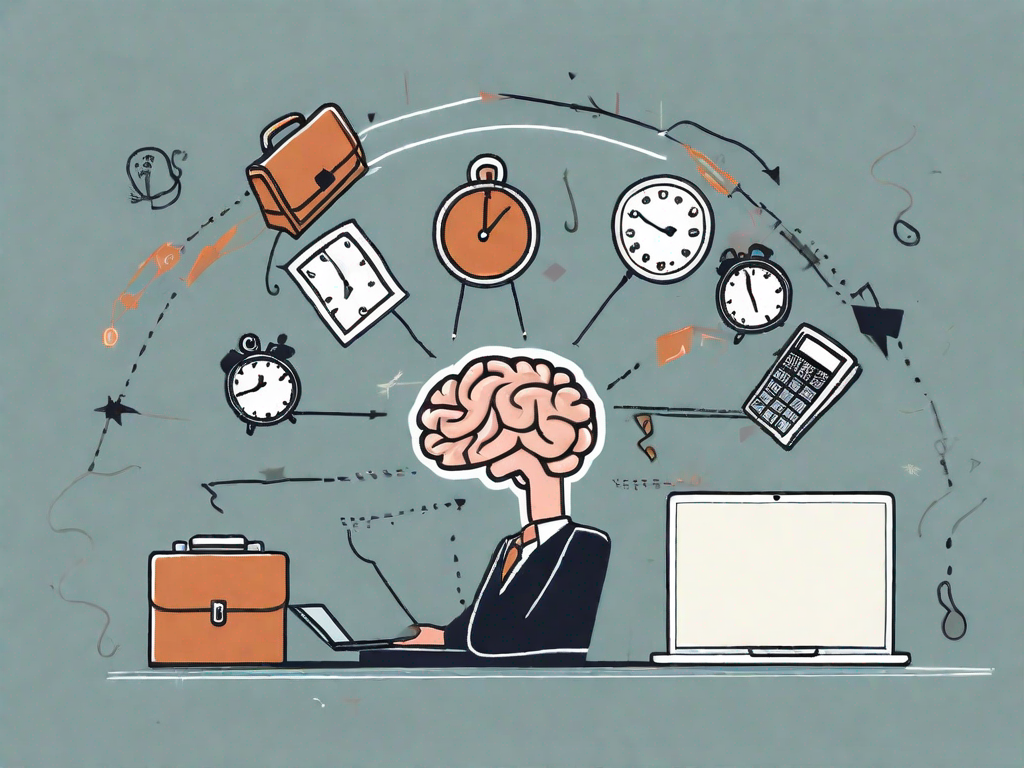
Despite being widely celebrated in corporate environments, human multitasking is a biological myth. When you attempt to write an important report while monitoring chat notifications and listening to a live call, your brain is actually executing a process called rapid task-switching, which levies a heavy penalty on your cognitive processing speed.
- The Switch Cost: Every single time you glance away from your primary task to check a text message, a portion of your attention remains anchored to that interruption, a phenomenon psychologists refer to as attention residue.
- Quality Erosion: Studies consistently show that fractured attention results in higher rates of operational errors, delayed completion timelines, and shallow creative insights.
- Single-Tasking Mastery: Dedicating your total, unadulterated focus to one project at a time allows you to produce higher-quality outputs in a fraction of the time it would take in a distracted state.
Design a Bulletproof, Distraction-Free Work Environment
Digital distractions represent the absolute single greatest threat to personal productivity in modern society. App developers spend millions designing algorithms specifically optimized to hook your attention, disrupt your focus, and break your deep work cycles. To counter this, you must build an aggressive defensive posture using both physical and digital barriers.
                      ┌─── Turn off non-essential notifications
                      ├─── Move your phone to an entirely separate room
[Focus Safeguards] ───┼─── Leverage website blockers during deep work hours
                      └─── Establish clear boundaries with coworkers/family
By curating an environment where distraction requires deliberate physical effort to access, you protect your precious focus reserves and establish a flow state where real breakthroughs happen naturally.
Integrate Strategic Rest Using the Pomodoro Framework
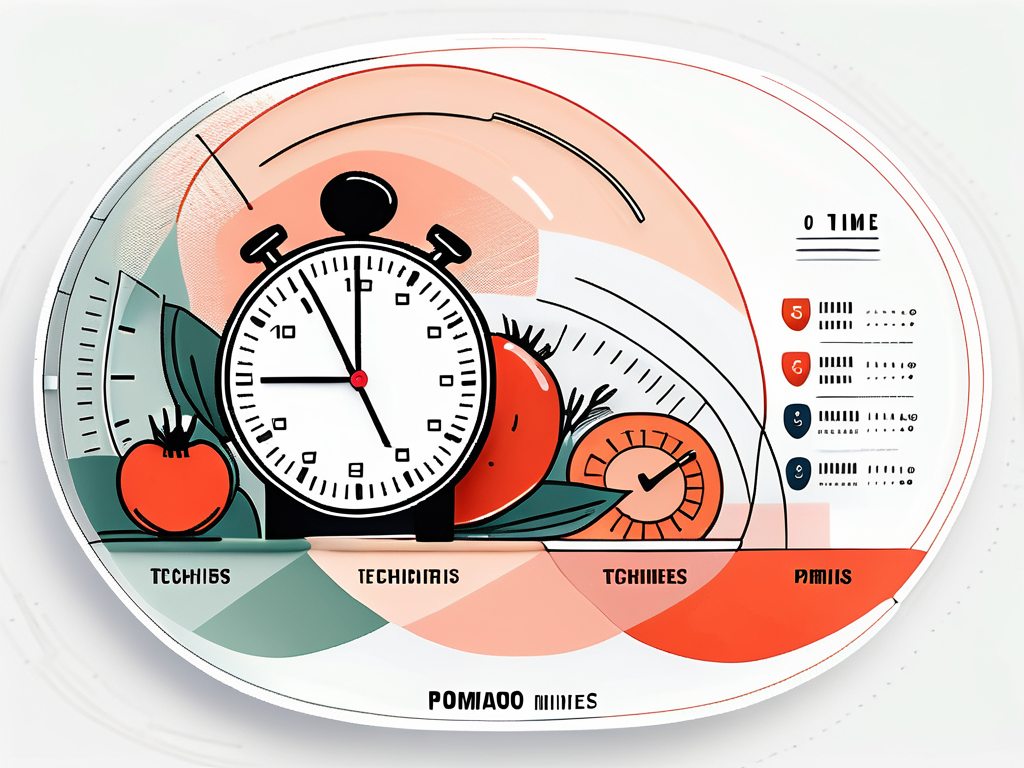
Human focus operates like a muscle; if you subject it to continuous strain without intentional intervals of recovery, it will inevitably suffer from exhaustion and burnout. To maintain a consistently high intellectual output all day long, you must weave systematic rest into your operational rhythm.
The Pomodoro Method addresses this by splitting your workday into highly focused 25-minute intervals, separated by mandatory 5-minute cognitive breaks.
During these short respites, step completely away from your computer screen. Walk around, stretch, hydrate, or rest your eyes. These brief periods of absolute disengagement allow your brain to clear out cognitive debris, synthesize ideas, and replenish its creative reserves, preventing the mid-afternoon energy crashes that destroy late-day productivity.
Leverage Modern Productivity Tools with Minimalist Discipline
We live in a golden age of digital organization software, with thousands of specialized tools designed to streamline our workflows. Highly capable task managers, intelligent shared calendars, advanced note-taking repositories, and conversational AI assistants can effortlessly capture ideas, map out complex project timelines, and automate dull, repetitive tasks.
[Messy Thoughts & Inputs] ──> [Centralized Inbox / Task Manager] ──> [Structured Output]
However, the golden rule of productivity software is absolute simplicity. Your digital tool stack should serve your actual workflow, not become a project in itself. Pick one or two intuitive applications that align naturally with your personal habits, and master them thoroughly. Avoid spending hours over-engineering complicated dashboard systems that ultimately distract you from completing real, meaningful work.
Establish Firm Boundaries and Learn the Art of Saying No
One of the most overlooked, yet profoundly critical, components of long-term time management is having the personal courage to understand and enforce your operational limits. Many professionals fall into the trap of people-pleasing, over-committing to auxiliary tasks, low-value meetings, and non-essential favors out of a sense of obligation.
Accepting too many responsibilities inevitably dilutes the quality of your primary work, causes you to miss critical deadlines, and places you on a fast track toward chronic physical burnout. Politely yet firmly declining commitments that do not align with your core goals is not selfish; it is an act of professional integrity that allows you to safeguard your time and deliver exceptional value where it truly matters most.
Run Weekly Reviews to Optimize Your Operational Routine
Personal productivity is not a static destination; it is a fluid, continuous lifecycle of experimentation, tracking, and refinement. A strategy that worked perfectly during a quiet business quarter might fall completely apart during a chaotic project launch. Therefore, you must establish a habit of conducting systematic weekly audits of your schedule.
[Reflect on Last Week] ──> [Identify Bottlenecks] ──> [Adjust Strategy] ──> [Execute Next Week]
At the conclusion of each week, set aside fifteen minutes to review your calendar. Look closely at the goals you missed, identify the specific interruptions that threw you off track, and celebrate the techniques that yielded the highest focus. This practice of intentional self-reflection ensures that you are constantly evolving, shedding bad habits, and fine-tuning your schedule to become progressively more efficient over time.
Transform Small Actions into Compounding Daily Habits

Elite productivity is never the result of a single, heroic burst of temporary motivation; rather, it is the compounding output of small, disciplined, and consistent daily rituals. Intense, hyper-focused work sessions that only happen once a month will never match the raw output of a person who shows up every morning to execute a steady, structured plan.
- Morning Momentum: Begin your workday by immediately tackling your most challenging, high-value task before opening your email inbox.
- Workspace Hygiene: Dedicate the final five minutes of your day to organizing both your physical desk and digital desktop.
- Physical Wellness: Recognize that cognitive focus is directly linked to biology; prioritizing quality sleep, consistent hydration, and physical movement forms the literal foundation of mental endurance.
When you transform productivity from a series of exhausting mental choices into a set of automatic, deeply ingrained habits, staying organized ceases to feel like an arduous chore and simply becomes the natural, effortless way you operate your life.
The Next Frontier: Time Management in the Era of Intelligent Automation
As we advance deeper into a tech-driven future, artificial intelligence is radically changing the core definition of human productivity. Cutting-edge, predictive calendars can now analyze your historical work habits to automatically shield focus time, while digital virtual assistants effortlessly handle the friction of scheduling cross-timezone meetings. Furthermore, intelligent workflow automation engines can manage complex, multi-step administrative loops entirely in the background.
                      ┌─── Predictive Schedule Shielding
                      ├─── Autonomous Meeting Coordination
[AI Workflow Layer] ──┼─── Automated Administrative Tracking
                      └─── Advanced Contextual Summarization
The future of high-impact time management will belong to those who successfully pair human discipline with intelligent technological leverage. By offloading raw logistical coordination and administrative data-shoveling to autonomous software systems, you free up your valuable cognitive real estate. This allows you to invest your premium hours into high-level creative problem solving, long-term strategic positioning, and deep human relationship management—the precise domains where human nuance and emotional intelligence can never be replicated by a machine.