When you sit down to plan a campaign these days, it’s easy to get bogged down in spreadsheets, headcounts, and logistics. But let’s step back for a second and think about the moments that actually stuck with you as a consumer.
Was it a random Facebook ad you scrolled past last Tuesday? Probably not. You’re much more likely to remember that time you walked into an interactive popup, tried out a cool prototype before anyone else could get their hands on it, or shared a laugh with a room full of like-minded people at a weekend festival.
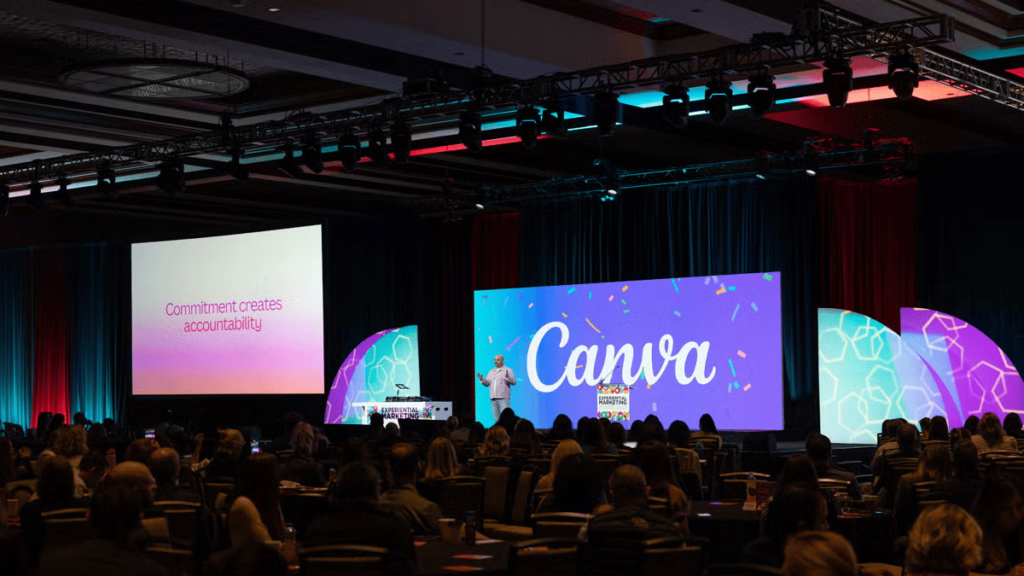
In a world where everyone’s eyes are glued to screens and our inboxes are overflowing with promotional noise, people simply don’t want to be talked at by brands anymore. We want to feel something real, connect face-to-face, and have a little fun. That is exactly why event marketing and experiential marketing have become the dynamic duo of modern brand building.
While people often use these terms interchangeably over coffee or in status meetings, they actually do two very different—and equally important—jobs.
Event Marketing vs. Experiential Marketing: What’s the Real Difference?
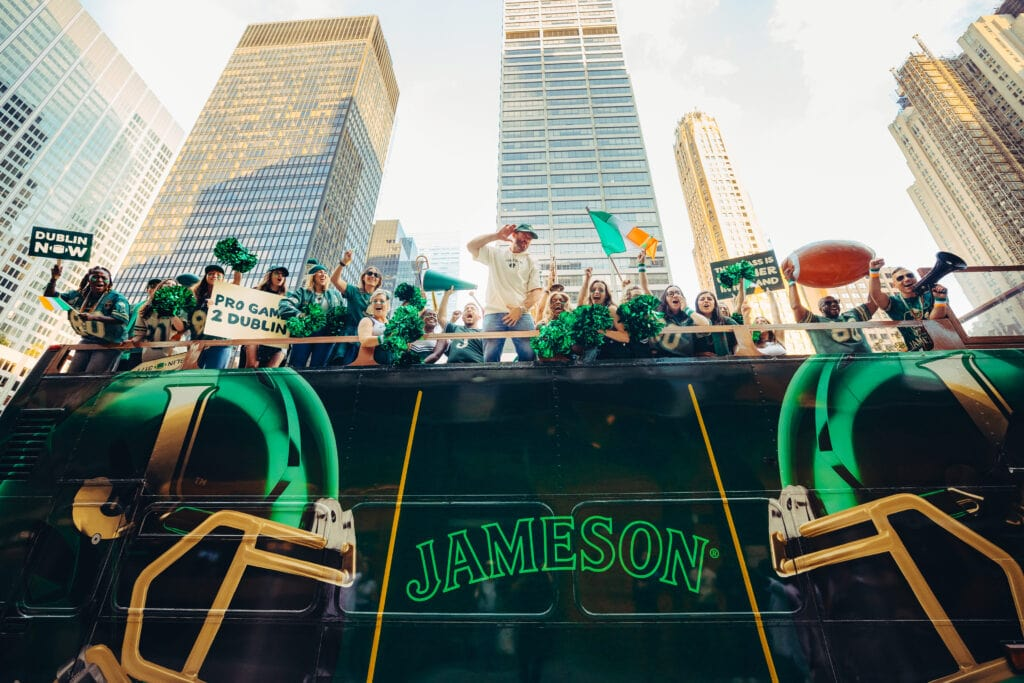
To build something that actually resonates with real human beings, you first have to get a handle on the difference between getting people into a room and giving them an experience they’ll be raving about to their friends all week.
- Event Marketing: Think of this as your sturdy, reliable backbone. Event marketing covers all the logistical heavy lifting—the scheduling, ticket sales, venue booking, promotion, and crowd management needed to gather your target audience in one spot. Whether it’s a regional conference, a product launch, or a weekend summit, its main job is driving reach, organizing the crowd, and getting the word out.
- Experiential Marketing: This is the heart and soul inside the venue. Experiential marketing shifts the focus from passive listening to active playing, touching, and participating. Instead of asking people to sit quietly in rows of folding chairs while someone flips through a PowerPoint deck, experiential setups turn your guests into active co-creators of the story.
When you pair the organized discipline of event management with the creative spark of experiential design, magic happens. You stop holding boring corporate gatherings and start host real cultural moments.
Why Experiential Marketing Hits Different Right Now
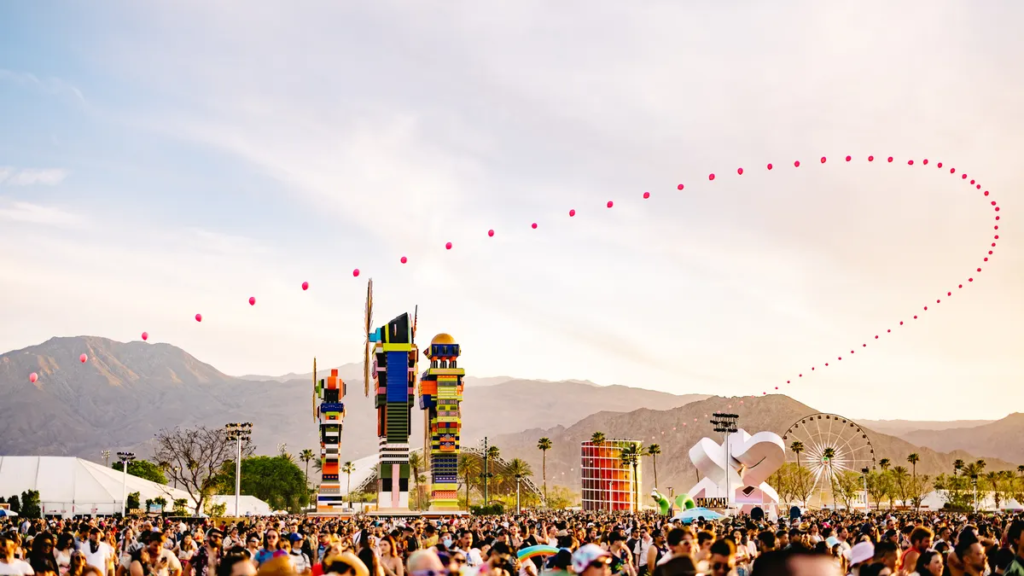
Let’s be honest: most of us have developed a pretty strong filter for traditional ads. We use ad blockers, we skip pre-roll videos after five seconds, and we tune out promotional emails. Modern audiences crave authenticity, human interaction, and real-life value that feels worth putting pants on for.
- Deeper, Sensory Memories: When you physically get to hold a product, test a feature, or walk through a custom-built room, it fires off multiple senses at once. That hands-on memory creates genuine brand affinity way faster than an impression on a digital dashboard ever could.
- Natural Word-of-Mouth Buzz: We naturally love sharing cool, unique moments with our friends. A thoughtfully designed interactive space turns everyday attendees into eager brand advocates who voluntarily pull out their phones and post about you.
- Bridging the Gap to a Sale: Seeing a product in a video is fine, but playing with it yourself removes all the doubt. When people get to test things firsthand, making the decision to buy feels completely natural.
- Real Emotional Connections: At the end of the day, people buy from brands they feel good about. Creating a warm, welcoming, and fun environment builds long-term trust that outlasts any quick promotional discount.
Side-by-Side: How They Stack Up
Here is a quick look at how traditional event setups compare to hands-on experiential activations when you look at them through a human lens:
| What You’re Looking At | Traditional Event Marketing | Experiential Marketing |
| The Big Goal | Getting bodies in seats and sharing key info | Building real emotional bonds and having fun |
| Guest Experience | Sitting back, watching, and taking notes | Hands-on participating, playing, and testing |
| How You Talk | One-way broadcast (You talk, they listen) | Two-way conversation and open discovery |
| How You Measure Success | Ticket counts, registrations, and attendance | Dwell time, smiles, social shares, and brand recall |
| Typical Vibe | Formal presentations, trade show booths, panels | Pop-up lounges, interactive demos, gamified setups |
| The Aftertaste | A notebook full of notes and a few business cards | A great memory, personal connection, and brand loyalty |
The Secret Sauce: What Makes an Experience Actually Work?

You don’t need a million-dollar budget to make a splash, but you do need to keep human nature in mind. Putting a generic photobooth in the corner with a giant logo isn’t going to cut it anymore. Real engagement comes down to a few core ingredients:
- Involve More Senses: Think beyond just light and sound. What does the room feel like? Is there fresh coffee brewing? Is the seating comfortable? Small sensory details instantly put people at ease and make the space feel inviting.
- Give Guests Control: Nobody likes feeling forced through a conveyor belt. Give people choices—let them pick their own path, customize a small takeaway, or vote on something live on a big screen.
- Keep Tech Simple and Useful: Technology should feel like an organic helper, not a clunky roadblock. Touchscreens, photo capture, or interactive displays should be so simple that anyone can walk up and use them without needing a tutorial.
- Design for Natural Sharing: If your space looks awesome or offers a genuinely funny or touching moment, people will take photos naturally. You won’t have to beg them to tag you—they’ll want to show their friends.
Fun Formats That People Actually Enjoy
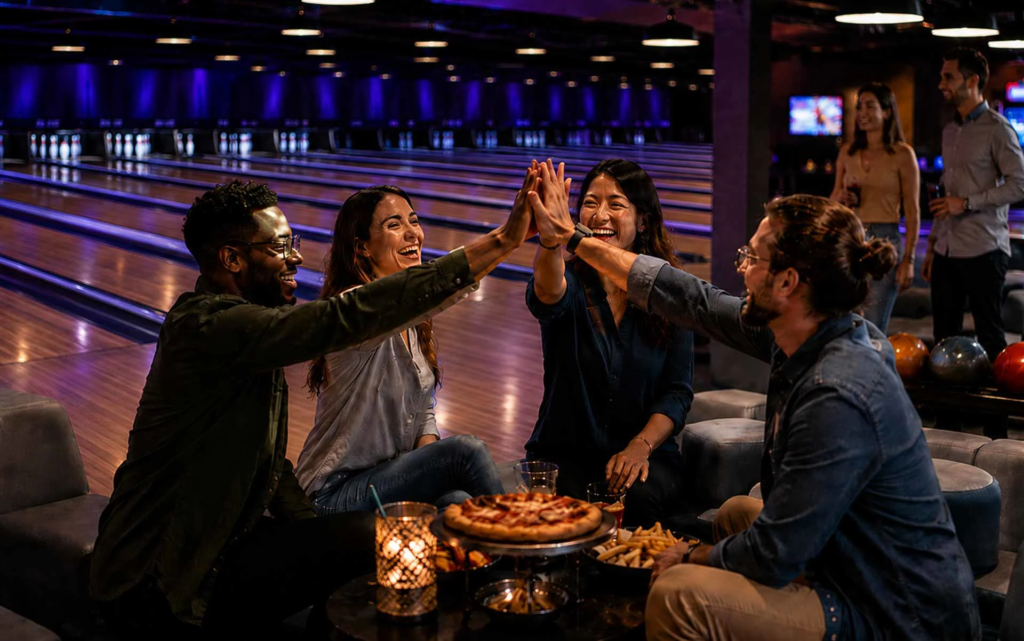
Experiential strategies can take all kinds of shapes depending on who you’re trying to reach and what kind of mood you want to set:
- Cozy Pop-Up Spaces: Temporary spots that feel like stepping directly into your brand’s world—complete with lounge areas, exclusive product samples, and good music.
- Interactive Test-Drive Stations: Setting up real-world testing environments where people can drop, strain, or push your product to its limits to see how it holds up.
- Festival Lounge Hubs: Sponsoring welcoming places to sit down, recharge phones, grab a cold drink, and hang out in the middle of a busy, high-energy festival.
- Friendly Competitions: Turning product discovery into a mini escape room, a live leaderboard challenge, or a scavenger hunt with fun prizes.
How Formats Match Up in the Real World
| Format Type | Who It’s Great For | The Overall Vibe | Why People Love It |
| Interactive Pop-Ups | Retail, food, & lifestyle brands | Energetic, creative, & playful | Makes people feel like they’re part of an exclusive club |
| Hands-On Demos | Tech gear, tools, & physical products | Curious, practical, & engaging | Takes away all the guesswork about how a product works |
| Festival Lounges | Beverage, lifestyle, & youth brands | Relaxed, social, & welcoming | Gives tired festival-goers a much-needed breather |
| Gamified Challenges | Apps, fitness, & digital platforms | Competitive, lively, & fun | Turns learning into a game where everyone wins something |
A Simple, Human Roadmap for Planning Your Activation
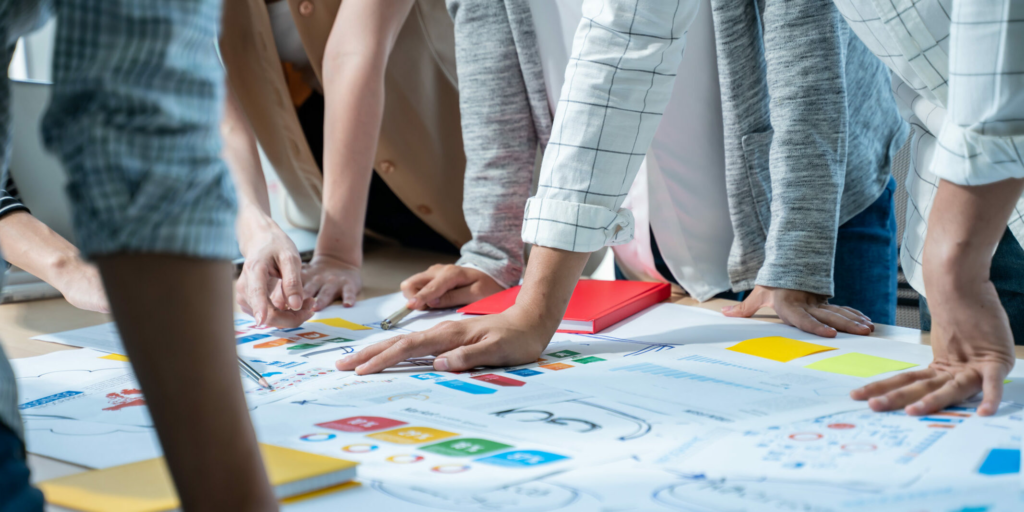
When it comes time to pull everything together, don’t overcomplicate things. Here is a friendly, step-by-step way to keep your project grounded:
- Pick One Big Feeling: Before you book a venue or hire a contractor, ask your team: When someone leaves our space, what is the one word we want them to say to their friend? Is it “inspired”? “Energized”? “Surprised”? Build everything around that single feeling.
- Design for Comfort First: If people are standing around hungry, thirsty, or sweating in a hot room, they aren’t going to care about your brand messaging. Get the basic human comforts right first—water, seating, good lighting, and clear restrooms.
- Pick a Venue with Soul: The space itself tells half the story. A brick-walled loft feels intimate and warm; an open park feels fresh and energetic. Match the venue to the personality of your brand.
- Empower Your On-Site Staff: Your event staff are the friendly faces of your company. Don’t give them rigid corporate scripts to recite like robots. Train them to be warm, helpful hosts who greet people like guests in their own home.
- Follow Up Like a Friend: After the event winds down, send a thoughtful thank-you note. Share a gallery of the day’s best photos, offer a little discount or gift, and keep the relationship growing naturally.
Bringing It All Together
At the end of the day, marketing isn’t about collecting empty metrics or forcing messages down people’s throats. It’s about building relationships. By combining the smart, organized structure of event marketing with the warm, human energy of experiential marketing, you create real moments of joy and connection that turn casual visitors into lifelong fans.