However, event marketing has evolved rapidly in recent years, and what worked five years ago might not guarantee success today, especially as virtual and hybrid events have become the norm alongside in-person experiences.
These days, it’s everywhere. Brands attract customers to product launches and new store openings. The B2B trade show sector (a historic cornerstone of event marketing) is worth billions of dollars.
Planning and promoting an event is no small feat. Multiple teams, countless details, tight timelines, and high expectations add to the challenge. The good news? With the right strategy and a tool like Brandwatch at your side, you can set yourself up for event marketing success.
What is event marketing?
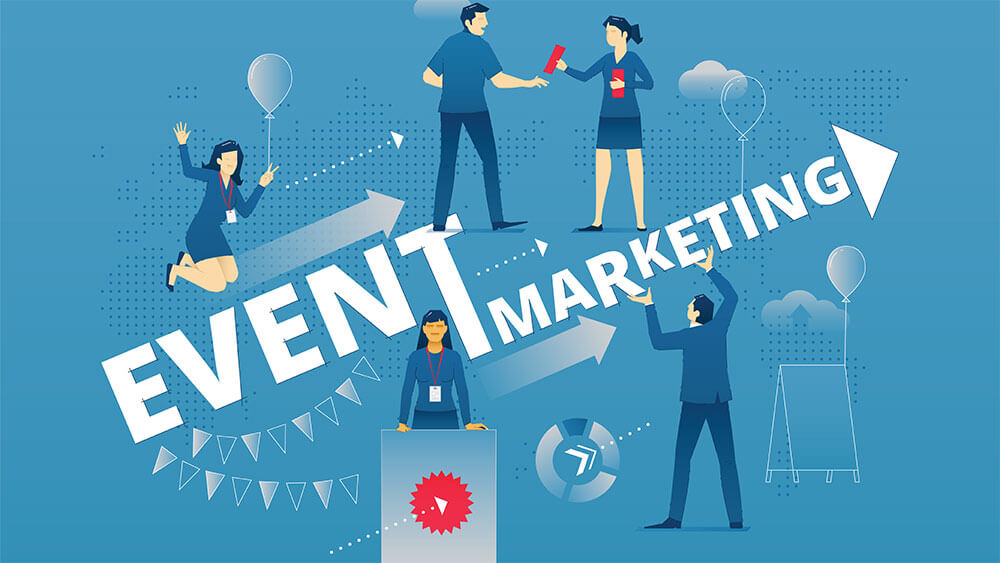
Event marketing is a promotional strategy that involves creating and hosting an experience to engage a target audience and drive business objectives.
Brands do event marketing all the time. From improving client-business relationships to raising brand awareness, events really are great at capturing attention.
It’s about using events as a marketing channel, whether it’s a conference, trade show, product launch, webinar, workshop, community meetup, or any branded gathering.
Event marketing encompasses all the activities to plan, promote, and execute the event in a way that creates a lasting impression on attendees and delivers value for your brand.
A great example of event marketing done well is in the sports industry. Soccer teams, for example, use online and in-person events to launch new kits and generate hype for the season ahead. The kit launch plays out over numerous events at once.
Large or small, online or offline, events focus on engagement. They immerse people in a branded experience.
Trends shaping event marketing in 2026
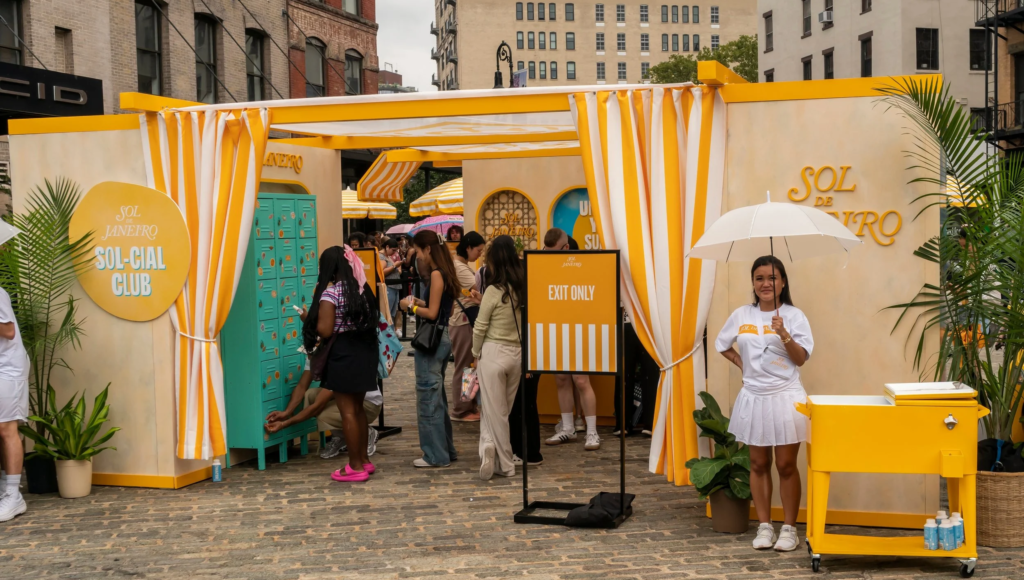
Technology is transforming how events are used to market brands, products, and services. It wasn’t too long ago that brands used events to attract media, who would amplify what they were selling. Just think of how movie studios used to launch red-carpet events for new releases. The celebrities had to be there and be interviewed in order to whip up hype on TV and in magazines.
These days, there’s an added layer of owned media that wasn’t there in the past, thanks to digital marketing. Now, brands can create their own hype and don’t have to rely on external media quite so much. Movie studios still roll out the red carpet, but they also launch immersive digital marketing campaigns around each live event and trailer release.
This digitization of the event marketing landscape has plenty of advantages. The Covid-19 pandemic created a virtual event boom in 2020 and 2021. Brands experimented with new approaches and many stuck.
Meanwhile, hybrid events let you reach a wider audience by combining a live venue with streaming and digital engagement for remote attendees.
Pre-event promotion: Multi-channel marketing tactics
Once your event plan is in place, it’s time to spread the word and drive registrations. The best approach is omnichannel: use a mix of marketing channels and tactics to ensure you reach your target audience wherever they are.

Consistency is key. Maintain a coherent message and brand look across all channels so each touchpoint reinforces the others.
Your first step is to create a digital destination for your event and subsequent product or service. Focus on your owned media and build a web page that serves as the information hub for the event and the thing the event is marketing.
For example, you might create a landing page for tickets to a fashion show, which forms part of a marketing strategy to highlight a new superstar clothing designer.
From here, start conducting some content marketing to bolster your reach. Create videos on what the event, product, or service involves. Use search engine optimization (SEO) techniques to grow your event’s presence on Google and make it easier for audiences to find out more.
If you have the resources, create an event press release for news sites and a media kit on your event page.
What to do after the event Marketing
Engage attendees and ask for feedback. A simple email may be enough to gather their thoughts. You could also conduct social listening to see what people have said about the event (and, subsequently, your brand, product, or service) online.
Then, repurpose the content you captured during the event. From slide decks to crowd photos, user-generated content, and transcripts of talks, use each piece of content to further your marketing efforts. In 2026, look for increasingly advanced tools and platforms that help create shareable, impactful post-event content with less additional work.
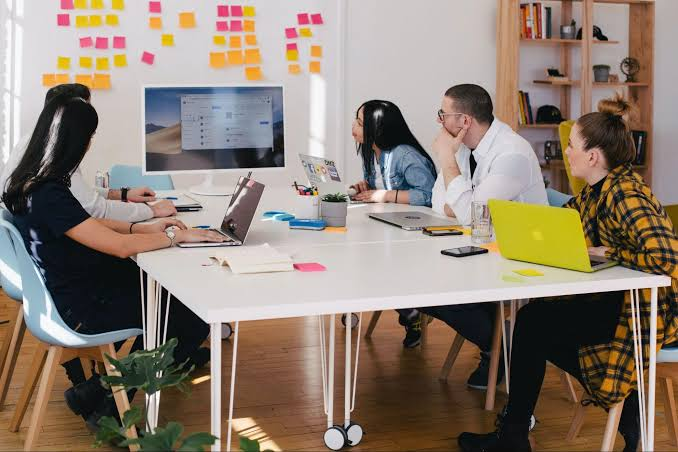
Then, repurpose the content you captured during the event. From slide decks to crowd photos, user-generated content, and transcripts of talks, use each piece of content to further your marketing efforts.
In 2026, look for increasingly advanced tools and platforms that help create shareable, impactful post-event content with less additional work.
Create content for your own blog and social channels based on talking points inspired by the event and add captured imagery or videos across your website. Perhaps that perfect shot of a celebrity opening your new store should go on your website’s home page. Maybe a series of customer photos published on Instagram would look great as a carousel on your own Insta account.
All this activity is post-event marketing to squeeze more value from the event. The aim is to nurture leads and convert interested audience members into customers, subscribers, or your original goal at the start of the process.
Types of event marketing
There’s no single format for event marketing—different marketing goals call for different event types. Some of the most effective types of event marketing include:
1. Trade shows and industry conferences
These large events bring together professionals from an industry or vertical, often on an annual basis. Trade shows or industry conferences might be regional or global, providing potential vendors an opportunity to maintain or expand their reach in different geographic areas. They position your company as a valuable partner in that industry via event programming and content, ideally generating new business opportunities in-person.
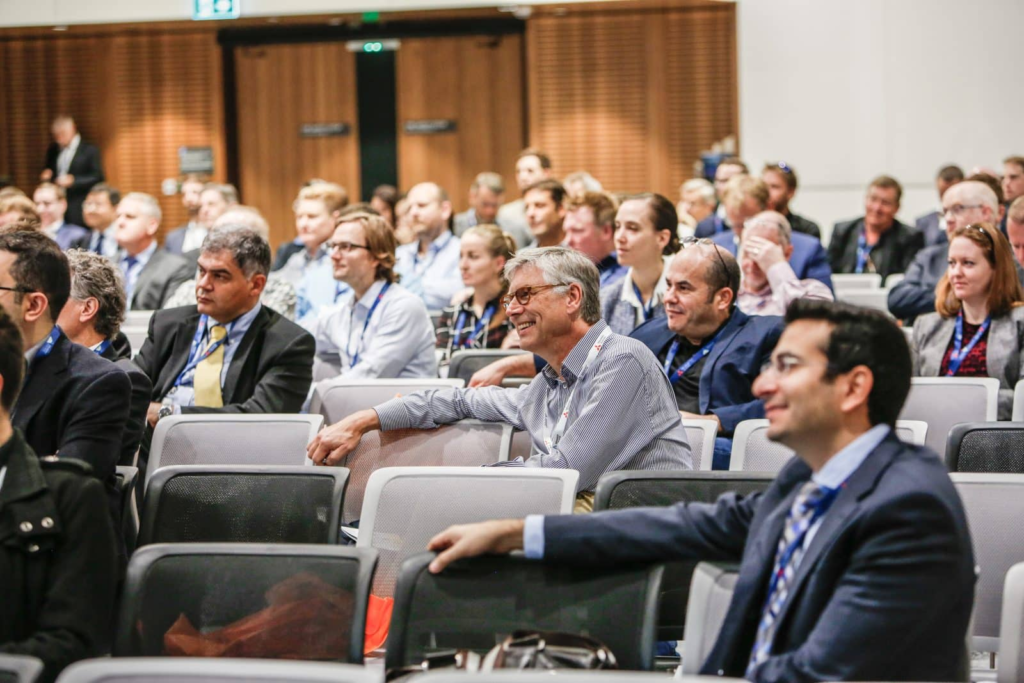
For example, a SaaS company might have a booth at a large user conference like Dreamforce to attract enterprise buyers. That same company might also host a breakout session or panel discussion, showcasing the unique ways in which the product or service serves a specific vertical. Using the National Retail Federation’s Big Show as an example, that software company might partner with a retail customer at that event to showcase their retail use case and success in-depth.
2. Product launches and demos
Product launches and demos can happen at trade shows or conferences. For example, a software vendor might have a booth at a conference exposition floor, where product experts demonstrate new products or features for attendees who show interest. A more common way to showcase a product launch is a big announcement at the company’s own user conference, such as Inbound, Dreamforce, the Worldwide Developers Conference (WWDC), or what was then known as Macworld.
Launch events generate excitement and media buzz around new offerings. They can be streamed virtually, held in person, or presented as hybrid experiences. For example, many of us are familiar with Apple keynote addresses showcasing new devices, operating systems, or features, and the resulting buzz across news outlets and social media.
3. Webinars and virtual summits
Cost-effective and scalable, virtual events allow companies to engage audiences across geographies without major travel costs. They may also feature keynote speakers, announcements, and moderated panel discussions in breakout rooms.

4. Workshops and training sessions
Interactive, hands-on events add value through education. These educational tracks are often included as part of a user conference, allowing attendees to get certified or re-certified on your software. Workshops, in-depth seminars or training sessions, and certifications are perfect for positioning your company as a trusted advisor and category leader. They also give event attendees something to brag about on LinkedIn and to their manager.
5. Community events
Casual meetups or networking nights build loyalty and humanize your brand. Community events can be standalone events or included as part of the agenda at a large user conference or owned event.
6. Experiential or brand activations
Creative, immersive experiences designed to make your brand memorable. Think pop-up shops, VR activations, or street-level installations—free massages or pedi-cabs are just a couple examples of unique branded activations at live events.
7. Internal events

Not all events are customer-facing or prospect-facing. Sometimes your target audience is your own employees, with the goal of rallying them around a big company moment. Town halls, company offsites, and team-building sessions are all touchpoints can strengthen company culture and retention. They can also be important internal activations that accompany a bigger external company moment—like a user conference.
What are the challenges of event marketing?
Despite the benefits, event marketers face hurdles:
- Budget constraints: Rising travel and venue costs limit companies’ ability to put on a great event that achieves its goals. Budget constraints may also impact potential attendees; even if a manager thinks it’s a great idea for their whole team to attend an event, the numbers might not add up.
- Audience fatigue: With so many virtual and hybrid events, it’s harder to stand out.
- Complex logistics: Coordinating speakers, sponsors, and tech across time zones. From the programming to logistics and operations, event management is an important component of the strategy, too.

- Measuring ROI: Attribution remains a challenge for many teams.
- Uncertainty: Market or global events can derail plans last minute.
But having a solid story and message, agile planning processes, robust tech stacks, and diversified promotion can help mitigate these risks.
FAQ’S
1. What are the top event marketing trends in 2026?
AI-powered personalization, hybrid events, interactive experiences, influencer partnerships, and social media promotion are key trends.
2. How does AI help with event marketing?
AI can help personalize promotions, understand audience behavior, automate communication, and improve event experiences.
3. Are hybrid events still effective?
Yes, hybrid events can help brands reach both in-person and online audiences.
4. How can social media increase event engagement?
Live updates, short-form videos, influencer collaborations, and audience-generated content can increase visibility and engagement.
5. Why are interactive experiences important for events?
Interactive experiences encourage audience participation and can make an event more memorable and engaging.