
In today’s digital economy, businesses generate enormous amounts of data every day. Customer interactions, website traffic, sales reports, social media engagement, and operational processes all produce valuable information. However, data alone has little value unless it is analyzed and transformed into meaningful insights. This is where Data Analytics and Artificial Intelligence (AI) work together to help businesses make smarter, faster, and more informed decisions.
From predicting customer behavior to optimizing marketing campaigns and automating routine tasks, Data Analytics and AI have become essential tools for organizations of every size. Whether you’re a startup, small business owner, or enterprise leader, understanding these technologies can help you stay competitive and drive long-term growth.
What Is Data Analytics?

Data Analytics is the process of collecting, organizing, analyzing, and interpreting data to uncover useful patterns and insights. Businesses use data analytics to understand customer preferences, measure performance, identify trends, and improve decision-making.
Instead of relying on assumptions, organizations use data to make informed choices that reduce risks and increase efficiency. Data analytics enables businesses to monitor key performance indicators (KPIs), improve customer experiences, and identify opportunities for growth.
What Is Artificial Intelligence (AI)?
Artificial Intelligence (AI) refers to computer systems that can perform tasks that normally require human intelligence. These tasks include learning from data, recognizing patterns, understanding language, making predictions, and solving complex problems.
AI continuously improves by analyzing large datasets and identifying relationships that humans might overlook. As businesses collect more information, AI becomes increasingly valuable for extracting insights and automating decision-making processes.
How Data Analytics and AI Work Together
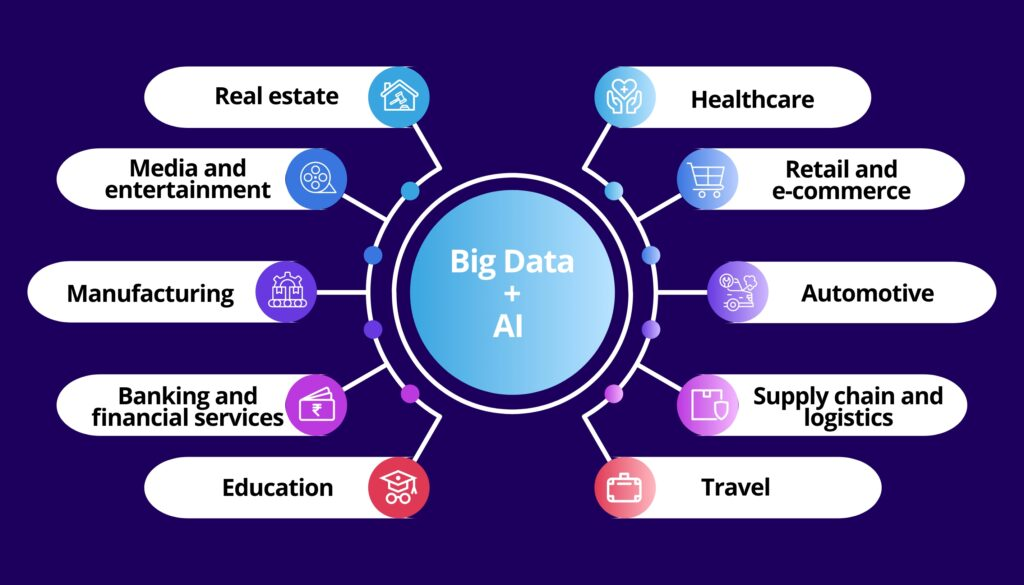
Data Analytics provides the information businesses need, while AI uses that information to generate predictions, automate tasks, and recommend actions.
For example, an online retailer can analyze customer purchase history using data analytics. AI then predicts which products customers are most likely to buy next and automatically recommends those products, increasing sales and improving customer satisfaction.
Together, these technologies help businesses transform raw data into actionable intelligence that supports strategic planning and operational efficiency.
Benefits of Data Analytics & AI
Organizations across industries are adopting AI-powered analytics because of the significant advantages they provide.
Smarter Decision-Making
Businesses can base important decisions on accurate data instead of assumptions. AI identifies trends and provides recommendations that improve planning and reduce uncertainty.
Better Customer Insights
AI analyzes customer behavior, preferences, and purchasing patterns, helping businesses create personalized experiences that increase customer satisfaction and loyalty.
Improved Operational Efficiency
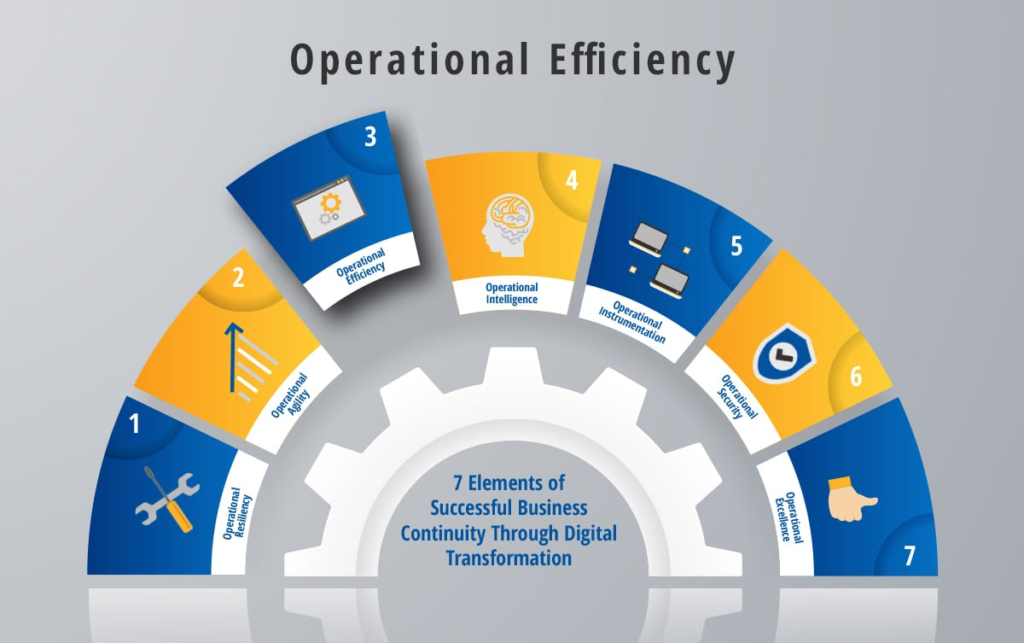
Automation reduces repetitive manual work, allowing employees to focus on more valuable activities such as innovation, customer engagement, and business strategy.
Predictive Analytics
AI can forecast future outcomes by analyzing historical data. Businesses use predictive analytics to estimate demand, identify sales opportunities, and manage inventory more effectively.
Cost Savings
By automating workflows and improving resource allocation, organizations reduce operational costs while increasing overall productivity.
Real-World Applications of Data Analytics & AI
Businesses across various industries are using AI-powered analytics to solve real challenges.
Marketing
Marketing teams analyze customer engagement, campaign performance, and website traffic to optimize advertising strategies. AI recommends the best time to publish content, predicts customer interests, and improves audience targeting.
Sales
Sales departments use AI to identify high-quality leads, forecast revenue, and recommend personalized offers based on customer behavior.
Healthcare
Hospitals use AI and data analytics to improve diagnosis, monitor patients, predict disease risks, and optimize treatment plans using medical data.
Finance
Banks analyze transaction patterns to detect fraud, assess credit risk, automate financial reporting, and improve investment strategies.
Retail
Retail businesses analyze purchasing trends, inventory levels, and customer preferences to improve product recommendations and optimize stock management.
Human Resources
HR departments use AI to screen resumes, analyze employee performance, identify hiring trends, and improve workforce planning.
Popular Data Analytics & AI Tools

Many powerful tools help businesses collect, analyze, and visualize data while integrating AI capabilities.
Some of the most widely used platforms include:
- Google Analytics
- Microsoft Power BI
- Tableau
- ChatGPT
- Google Gemini
- Microsoft Copilot
- IBM Watson
- Looker Studio
These tools help organizations analyze business performance, generate reports, create dashboards, and automate decision-making.
How Businesses Can Get Started
Adopting Data Analytics and AI does not require a massive investment. Businesses should begin by identifying their goals and determining which processes can benefit most from automation and data-driven insights.
The first step is collecting accurate data from reliable sources such as websites, CRM systems, sales platforms, and customer feedback. Next, businesses should organize that data and choose analytics tools that match their needs.
Once a solid data foundation is in place, AI solutions can be introduced to automate reporting, predict future trends, and support decision-making.
Challenges of Using Data Analytics & AI
While these technologies offer significant advantages, businesses should also be aware of potential challenges.
Poor-quality data can produce inaccurate insights, making data accuracy a top priority. Organizations must also address privacy and security concerns when collecting customer information.
Another challenge is ensuring employees understand how to use AI effectively. Proper training helps teams maximize the value of AI-powered analytics while maintaining human oversight.
Future Trends in Data Analytics & AI

The future of business intelligence will rely heavily on AI-driven analytics. Organizations can expect more advanced predictive models, automated reporting, real-time decision-making, and personalized customer experiences.
Generative AI, machine learning, and advanced automation will continue to simplify complex business processes while helping companies make faster and more accurate decisions.
As technology evolves, businesses that invest in AI-powered analytics today will be better prepared for tomorrow’s competitive marketplace.
Best Practices for Success
To maximize the benefits of Data Analytics and AI, businesses should:
- Collect high-quality and accurate data.
- Define clear business goals before implementing AI.
- Choose trusted analytics platforms.
- Regularly monitor performance and KPIs.
- Protect customer data with strong security measures.
- Combine AI insights with human expertise for balanced decision-making.
- Continuously update strategies based on new data.
Following these best practices helps organizations achieve sustainable growth while minimizing risks.