
Computers and software are supposed to make our lives easier, but let’s be honest—sometimes they do the exact opposite. A program randomly refuses to launch, your laptop suddenly runs like it’s trudging through wet concrete, a sudden update completely changes an interface you were comfortable with, or a simple setting feels like it’s hidden behind three submenus for no good reason.
When your screen freezes mid-project, frustration is usually the immediate reaction. Most of us don’t want to spend a sunny Saturday afternoon troubleshooting system logs or arguing with a virtual chatbot. We just want to get back to editing our video, finishing a report, checking off homework assignments, or opening the app we actually need.
That’s where clear, practical guides come in. A good tech guide shouldn’t make you feel like you need a degree in computer science just to fix a glitch. It should talk like a helpful friend: explain the problem in plain English, offer easy steps you can try right away, and give you a fallback plan if the first attempt doesn’t work.
Start With the Simple Stuff First

When something goes wrong with a computer, our brains tend to jump straight to worst-case scenarios: “Is my hard drive dead? Did I catch a virus?”
In reality, most everyday tech headaches are caused by surprisingly boring, simple things. Before you go digging around in system registries or tweaking advanced administrative settings, take a breath and run through the quick basics:
- Restart the application: Close it completely (force-close it via Task Manager or Activity Monitor if it’s stuck) and reopen it.
- Reboot your machine: The classic “have you tried turning it off and on again?” line is a running joke for a reason—it clears out bogged-down temporary memory and solves a bizarre number of random glitches.
- Check your cables and Wi-Fi: Make sure a loose cord, a bumped power strip, or a temporary router drop isn’t the real culprit. Prizm Institute
- Check your storage space: If your main drive is completely full, your entire system will crawl to a halt because it doesn’t have room to process temporary files.
Starting with these low-risk steps prevents you from spending two hours changing deep settings to fix a problem that a simple 30-second reboot would have solved.
Master the Software You Actually Use Every Day

You don’t need to memorize every single dropdown menu, feature, or tool inside every program on your desktop. That’s overwhelming and completely unnecessary. Instead, focus entirely on mastering the handful of tools you rely on daily.
If you spend half your workday inside word processors or spreadsheets, taking twenty minutes to learn a few formatting tricks, template setups, file-naming shortcuts, or collaboration features will save you hours over the course of a month. The same applies whether you’re using photo editors, video tools, web browsers, or project management boards. A firm grip on six core features will make you drastically more productive than knowing fifty buried settings you’ll never touch again.
Don’t Fear Updates (But Time Them Wisely)
We’ve all seen that annoying update pop-up appear right when we’re twenty minutes away from a major deadline. It’s tempting to click “Remind Me Tomorrow” for six months straight, but keeping your operating system and applications updated is one of the easiest ways to keep your machine healthy.
Prizm Institute
Updates do much more than tweak visual layouts. They bundle together crucial security patches, fix known bugs that cause crashes, and ensure your system stays compatible with newer web technologies.
Prizm Institute
A Quick Tip for Work Machines: While updates are important, avoid triggering a massive, 45-minute operating system update five minutes before an important Zoom meeting or presentation. Let major updates run overnight or at the end of your workday after you’ve saved all your open files.
Get Ahead of Digital Clutter

We’ve all been guilty of saving files directly to our desktop until the screen looks like a messy mosaic of icons. Searching through a sea of folders named “New Folder (2)”, “Draft_Final”, and “Draft_Final_REAL_v3” is an absolute energy drain.
Creating a clean file organization system doesn’t have to be complicated. The best system is simply whichever one you will actually stick to:
- Group by context: Create broad main folders by project, subject, client, or year (e.g.,
2026_Tax_DocumentsorClient_Alpha_Project). - Use descriptive file names: Instead of saving a document as
notes123.docx, take five extra seconds to name itAugust_2026_Content_Strategy.docx. - Clean out your Downloads folder: The Downloads folder is often a black hole for old installers, duplicate PDFs, and random images. Set a calendar reminder to wipe or sort it once a month.
When you can locate any file you need in under five seconds, your entire computer experience feels lighter and less chaotic.
Muscle Memory: The Power of Keyboard Shortcuts
If you rely entirely on your mouse or trackpad for every single action, you’re working harder than you need to. Keyboard shortcuts might seem trivial at first, but once they settle into your muscle memory, work flows much faster.
You don’t need a cheat sheet taped to your monitor. Just pick three or four universal shortcuts and use them until they become second nature:
- Copy & Paste:
Ctrl + CandCtrl + V(Windows) /Cmd + CandCmd + V(Mac) - Undo Mistakes:
Ctrl + Z/Cmd + Z(The ultimate safety net) - Search Anything:
Ctrl + F/Cmd + F(Finds any word instantly on a webpage or document) - Quick Save:
Ctrl + S/Cmd + S(Hit this reflexively while typing long documents)
Once these become automatic habits, add a couple more specifically tailored to your main apps, like tab-switching in your web browser or quick-cutting in your video editor.
What to Do When an App Refuses to Work
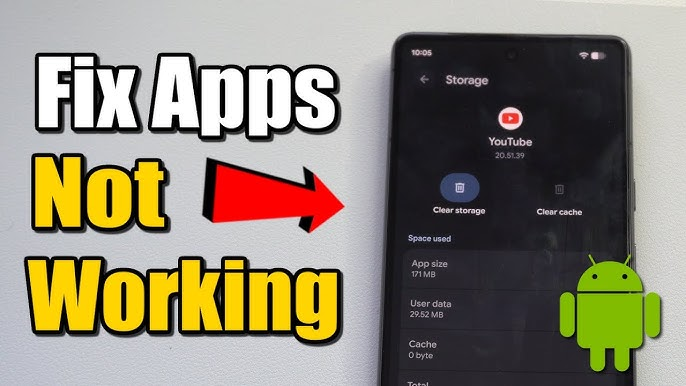
When an application freezes, crashes, or refuses to open, take a deep breath before hitting the uninstall button. Instead, play detective for a quick moment and note down the details:
- Does the app fail to open at all, or does it crash only when you perform a specific action?
- Is the issue happening with every file, or just one corrupted document?
- Did this issue start right after a recent system update or new software installation? ITU Online IT Training
- Crucial step: If an error code or message pops up, snap a quick photo of it with your phone or take a screenshot.
When you search online for help, searching for a specific code like “Error 0x80070005 Premier Pro” will yield a real fix instantly, whereas searching “my video editor won’t work” will just lead you down a rabbit hole of useless, generic advice.
Quick Reference: Common PC Glitches & First Steps
When things go wrong, use this quick-check cheat sheet to decide what to try first before panicking.
| The Headache | What’s Likely Happening | Try This First (Safe) | Next Step (If Stuck) |
|---|---|---|---|
| Computer is super slow | Out of RAM space, too many background apps, or low storage. | Close extra browser tabs and heavy background apps. Restart your PC. | Check drive space and disable unnecessary startup programs. |
| App freezes or crashes | Temporary memory bug, corrupted file, or outdated version. | Force-close the app, wait 10 seconds, and reopen it. | Check for app updates or use the built-in “Repair” feature. |
| Wi-Fi keeps dropping | Router hiccup, driver glitch, or weak signal strength. | Toggle Wi-Fi off and on. Restart your router/modem. | Forget the network and reconnect, or run network diagnostics. |
| Storage drive is full | Forgotten downloads, giant temporary files, duplicate media. | Clear your Trash/Recycling Bin and empty your Downloads folder. | Use built-in storage cleaners to offload large unused files. |
| Software won’t install | Incompatible system specs or missing administrator rights. | Check minimum system requirements and restart your machine. | Right-click the installer and choose “Run as Administrator.” |
Be Careful Before Hitting “Reset” or “Delete”
One of the golden rules of tech troubleshooting is simple: never make a permanent, destructive change when you are frustrated.
Deleting entire folders, resetting an application to default, reinstalling an operating system, or wiping system cache files can sometimes wipe out your personal preferences, saved passwords, or important work files.
If a fix carries risk, make a quick copy of your crucial files first. If a guide tells you to delete something and you aren’t 100% sure what that file does, pause and look it up first, or ask someone who knows.
ITU Online IT Training
Keep Your Important Files Safe with the 3-2-1 Rule
You never truly appreciate the value of a solid backup until your hard drive suddenly makes a clicking sound and dies right before a big deadline. Laptops get dropped, coffee spills happen, and hardware eventually wears out.
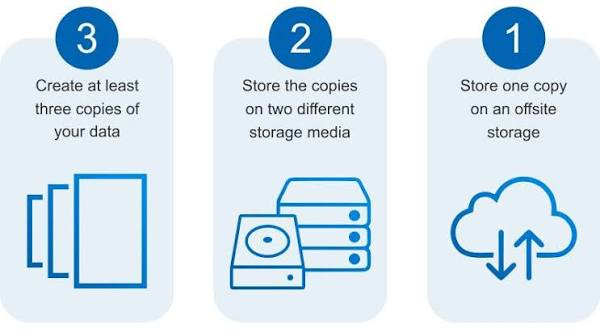
To protect your photos, work projects, and personal documents, follow a simplified version of the popular 3-2-1 Backup Rule:
- Keep 3 copies of your important data.
- Store them on 2 different types of media (for example: your computer’s internal drive and an external USB drive).
- Keep 1 copy completely offsite (such as a secure cloud storage service like Google Drive, OneDrive, or iCloud).
Once you have an automatic cloud backup running in the background, a spilled cup of coffee becomes a minor inconvenience rather than a total tragedy.
Customize Your Setup so It Works For You
Default computer settings are designed for the “average” user, but you aren’t an average user—you have your own specific workflow. Spending ten minutes tweaking basic settings will pay off every single day:
- Turn off useless notifications: You don’t need a desktop pop-up every single time a shopping newsletter hits your inbox. Mute non-essential app alerts so you can focus.
- Tidy your Desktop and Dock: Pin only the 5 or 6 apps you open every day to your taskbar or dock. Hide the rest.
- Set up Dark Mode or Night Light: If you work late into the evening, turn on built-in blue light filters to save your eyes from harsh glare.
Be Smart About Downloads and Extensions
A huge percentage of computer performance issues and malware scares stem from reckless downloading habits. It’s easy to accidentally click a fake “Download Now” banner on a shady site or install bundled bloatware.
Prizm Institute
- Stick to official sources: Always download software directly from the developer’s official website or built-in app stores (like the Microsoft Store or Mac App Store).
- Avoid cracked software: “Free” pirated versions of expensive software almost always come bundled with hidden crypto miners, keyloggers, or spyware.
- Watch out for browser extensions: Don’t install dozens of random Chrome or Safari extensions. Unnecessary extensions slow down your browsing and can sometimes read your private site data. Stick to trusted, highly rated tools. Prizm Institute+ 1
Change One Thing at a Time

When trying to fix a stubborn computer issue, it’s tempting to try five different fixes all at once out of sheer impatience.
Resist the urge! If you tweak five different system settings, restart your computer, and the problem suddenly goes away, you won’t know which action actually solved it—and worse, you won’t know which setting change might cause a new problem tomorrow.
Try one logical step, test if it worked, and if it didn’t, undo it before moving on to the next solution.
ITU Online IT Training
When to Stop and Call in Professional Help
There is zero shame in admitting when a computer problem is beyond your skill level. Knowing when to step back prevents you from turning a small software glitch into a costly hardware failure.
Seek professional help immediately if:
- You hear strange clicking, grinding, or whining sounds coming from inside your computer base.
- Your laptop gets dangerously hot or shows signs of a swollen battery (a bulging trackpad or casing).
- Your device suffered liquid damage (unplug it immediately and do not try turning it back on!). ITU Online IT Training
- You suspect serious ransomware or malware has locked you out of your personal files.
Local repair shops and official brand technicians have specialized diagnostic tools to safely test hardware without risking your personal data.