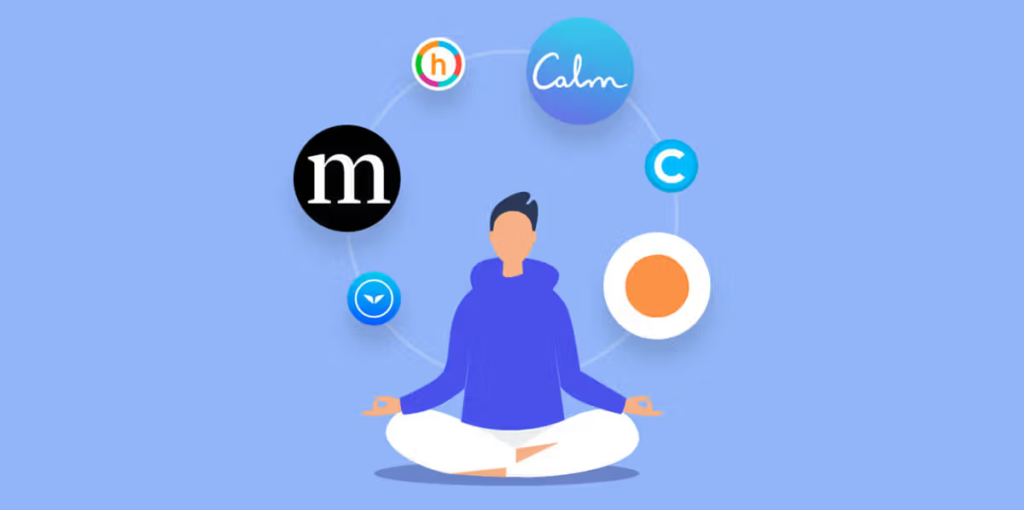
If you have ever tried to meditate, you have probably sat cross-legged on the floor, closed your eyes, and immediately started worrying about Meditation a work email, what you’re making for dinner, or that awkward thing you said to a coworker three years ago. Then, after five minutes of mental chaos, you opened your eyes, decided you were “bad at meditating,” and deleted the app.
That is completely normal.
We live in a world designed to keep our brains in a state of perpetual emergency. Between Slack notifications, family demands, breaking news alerts, and the general background buzz of daily survival, your mind is rarely allowed to just sit in neutral. When you finally stop moving, the silence feels uncomfortable, even loud.
But meditation isn’t about achieving some mystical state of absolute blankness, nor does it require you to pay $70 a year for a premium subscription. It is simply about building a better, kinder relationship with your own brain. Here is a realistic, deeply human guide to finding a pocket of quiet in a loud world, without spending a single dollar.
The Science: Why Your Brain Actually Needs This Meditation
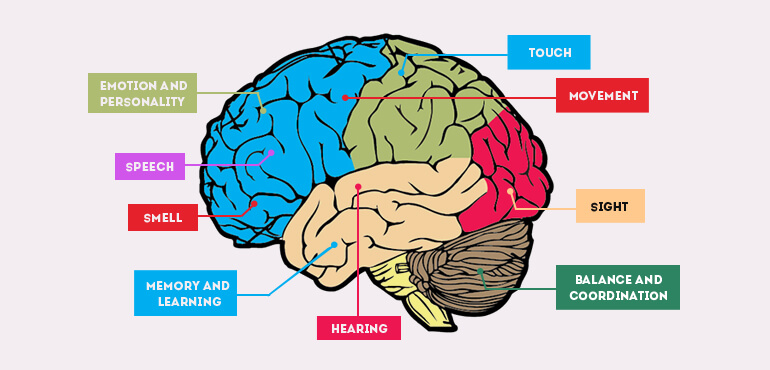
Meditation has been wrapped in a lot of spiritual packaging over the decades, but biologically, it is straightforward maintenance for your nervous system.
When you live under constant, low-grade stress, your brain’s threat detector—the amygdala—remains hyper-alert. It keeps your body in a subtle, exhausting state of “fight-or-flight.”
[Chronic Stress Tracker] -> Stimulates Amygdala -> Triggers "Fight-or-Flight" (Anxiety, Brain Fog)
                                 |
                     (Mindfulness Practice Shifts Control)
                                 v
[Parasympathetic Activation] -> Calms Nervous System -> Lowers Cortisol (Clarity, Restored Energy)
Mindfulness is the off-switch. By taking just five minutes to focus on your breathing, you signal to your nervous system that you are safe. This activates your parasympathetic nervous system, lowering your heart rate and reducing cortisol. Over time, neuroscientists have observed that consistent practice actually shrinks the amygdala and strengthens the prefrontal cortex—the part of your brain responsible for focus, emotional regulation, and decision-making. It is literally strength training for your mind.
A Honest Comparison of the Best Free Meditation Apps
Most wellness apps act like Trojan horses: they lure you in with the promise of free tools, only to lock the most helpful sessions behind a steep paywall. The apps below are different. They offer genuinely deep, practical, and highly functional free versions that can support your practice indefinitely.
| App | Best For | The Vibe | Standout Free Feature | The Honest Catch |
|---|---|---|---|---|
| Insight Timer | Ultimate Variety | A massive, global community directory. | Over 220,000 free tracks and an incredible customizable timer. | The sheer volume of choices can cause decision paralysis. |
| Medito | Pure, Ad-Free Focus | Minimalist, clean, and entirely run by a non-profit. | Complete access to everything. Zero paywalls, ads, or upsells. | Lacks flashy, high-budget celebrity narrators. |
| Healthy Minds Program | Skeptics & Science Nerds | Intellectual, educational, and deeply practical. | Podcast-style lessons paired with active, “on-the-go” sessions. | Focuses on psychology and neuroscience over spiritual elements. |
| Smiling Mind | Families & Kids | Friendly, structured, and psychologically grounded. | Dedicated modules for different age groups and classrooms. | The design is very functional and lacks a “cozy” aesthetic. |
| UCLA Mindful | No-Fuss Basics | Academic, clinical, and completely straightforward. | Simple, science-backed meditations in English and Spanish. | The interface is basic and has very few bells and whistles. |
| Plum Village | Gentle Zen Practice | Warm, compassionate, and deeply peaceful. | Beautiful nature sounds, mindfulness bells, and Thich Nhat Hanh talks. | Highly traditional; may not suit those wanting a clinical approach. |
The Deep Dive Meditation: Finding Your Fit

1. Insight Timer: The Endless Library
If you get bored easily and want a different style of meditation every day, start here. Insight Timer functions like a search engine for mindfulness.
- How it feels: Like walking into a massive, eclectic bookstore. You can find guided sessions led by world-renowned psychologists, spiritual leaders, and independent musicians.
- The Best Part: The unguided meditation timer. If you don’t want someone talking to you, you can set a timer with warm ambient background tracks and the occasional soft ring of a Tibetan singing bowl to keep you present.
- How to use it for free: Avoid the “Member Plus” tab. Simply use the search bar to find topics like “deep sleep,” “work stress,” or “morning breathing.”
2. Medito: The Purest Option on the Market
Medito is built on a simple, beautiful premise: mental health resources should be completely free for everyone, forever.
- How it feels: Quiet and safe. There are no sales pitches, no “7-day trials,” and no pressure to upgrade.
- The Best Part: Their beginner programs. The app guides you step-by-step through 3-minute, 5-minute, and 10-minute sessions that explain exactly what to do with your breath, your body, and your wandering thoughts.
- How to use it for free: Just download it and press play on the “Daily Meditation” or jump into the “30-Day Mindfulness Course.”
3. Healthy Minds Program: The Science-First Approach
If you are naturally cynical about meditation and don’t care for terms like “energy” or “spiritual alignment,” this app is your sanctuary.
- How it feels: Like taking an engaging, bite-sized college course on how to be a happier human.
- The Best Part: Active practices. If you hate sitting still, this app has sessions designed to be listened to while you are walking the dog, doing the dishes, or folding laundry. It teaches you how to bring mindfulness into your real, active life, not just when you are sitting on a cushion.
- How to use it for free: Follow their structured pathway. It alternates between short, fascinating scientific insights and practical, guided mental exercises.
4. Smiling Mind: Mindfulness for the Whole Family
Created by an Australian mental health non-profit, this app is designed to make mindfulness a normal, everyday habit from childhood through adulthood.
- How it feels: Warm, encouraging, and highly structured.
- The Best Part: It is highly categorized by lifestyle. There are specific programs for teenagers dealing with exam stress, adults trying to balance work, and parents looking for simple ways to calm their kids down before bed.
- How to use it for free: Explore the “Programs” tab and select the category that matches your current stage of life.
5. UCLA Mindful: Academic and Direct
If you want a trusted, medical-grade introduction to mindfulness without any branding, marketing, or unnecessary features, this is it.
- How it feels: Clean, quiet, and completely clinical.
- The Best Part: Their “Hammer Time” short sessions. These are quick, three-minute breathing breaks designed to reset your nervous system when you feel an acute wave of stress or anger hitting you in the middle of the day.
- How to use it for free: Use the basic player to stream or download their core meditation files, which are perfect for keeping on your phone when you are traveling or offline.
How to Build a Habit That Actually Sticks
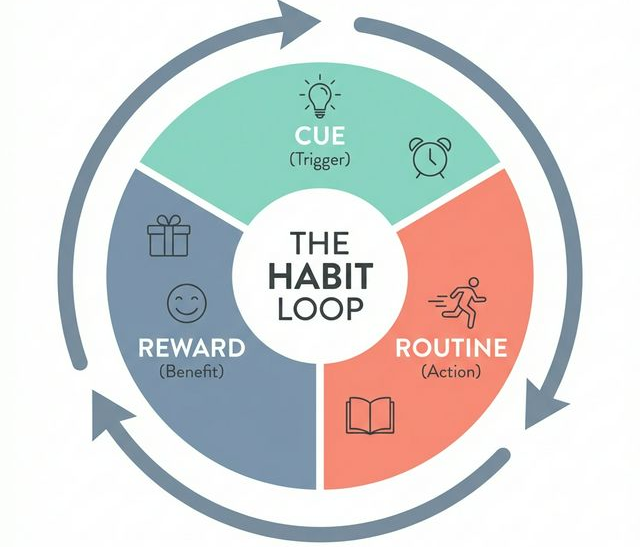
You do not need to rewrite your entire schedule to make meditation work. In fact, if you try to carve out 30 minutes of silent meditation every morning, you will likely quit within a week. Instead, treat habit-building like a small, low-stakes experiment.
- Tie It to a Non-Negotiable Habit (The Anchor): Do not try to find “free time.” Instead, hook meditation onto something you already do every single day without fail. For example: “As soon as my morning coffee finishes brewing, I will sit on the couch and meditate.” or “The moment I close my laptop to end the workday, I will do a 3-minute breathing exercise.”
- Make it Ridiculously Small: Start with three minutes. A three-minute session is so brief that your brain cannot reasonably claim you are “too busy” to do it. You are aiming for consistency, not duration.
- Prepare Your Environment: Put your favorite free meditation app on your phone’s home screen, right where your social media apps usually sit. Keep a comfortable pair of headphones in the exact spot you plan to meditate.
- Value Showing Up Over “Success”: A “good” meditation session is simply one that you did. If you sat for five minutes and spent the entire time planning your weekend, that is still a win. You showed up, you noticed your mind wandering, and you completed the time. That is the entire practice.
Dismantling the “Clear Your Mind” Trap
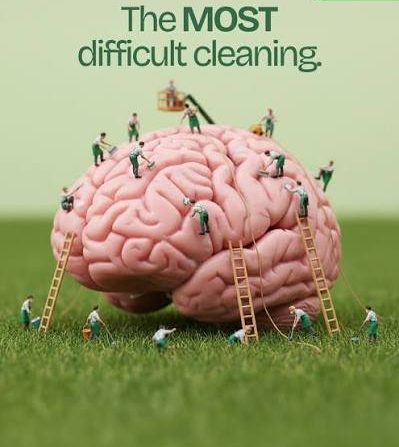
The absolute biggest misconception about meditation is that you must stop thinking.
Let’s be incredibly clear: your brain’s job is to think. It will continue producing thoughts just like your lungs produce breath and your heart produces beats. If you sit down to meditate expecting absolute silence, you are setting yourself up for frustration.
Instead, try to view your thoughts like cars driving down a busy street. Usually, when a thought appears, we jump into the passenger seat and let it drive us away into a spiral of worry or planning.
Thought OccursReactive HabitJump in Passenger SeatResult
Anxiety Spiral
Meditation is the practice of sitting on the sidewalk and simply watching the cars drive by.
Thought OccursMindful PresenceSit on the SidewalkResult
Calm Observation
When a thought pops up—even a stressful one—you don’t fight it, and you don’t judge it. You just acknowledge it: “Ah, there is a thought about my to-do list.” Then, you gently bring your attention back to the sensation of your breath moving in and out of your nose.
Every single time you catch your mind drifting and bring it back, you are doing one mental pull-up. It doesn’t matter if you have to do it fifty times in a five-minute session. That repetition is the meditation.
Free vs. Paid: Do You Ever Need to Upgrade?
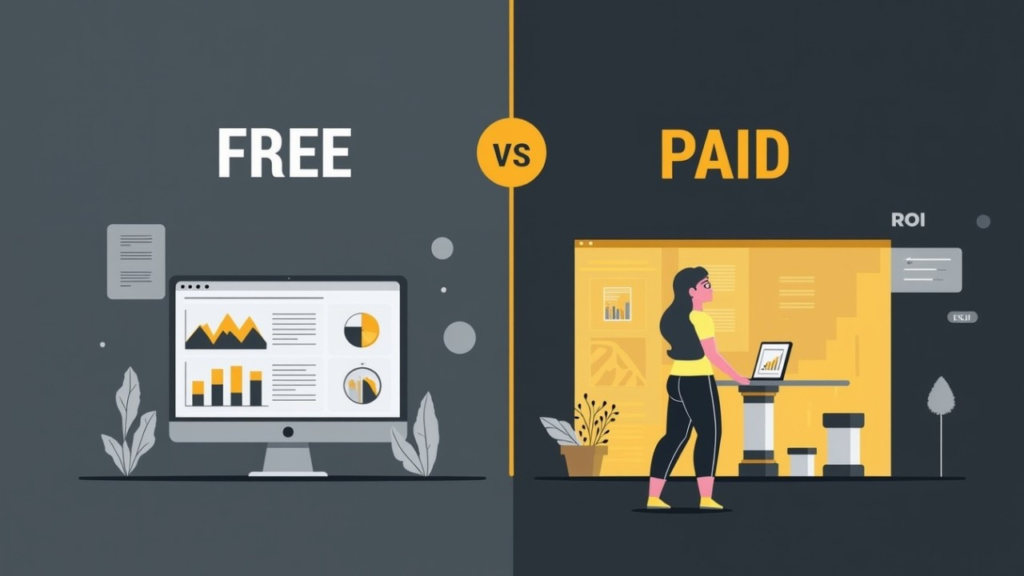
For 95% of people, a free app is more than enough to build a lifelong, deeply rewarding mindfulness practice.
Paid apps are great if you want high-production sleep stories read by famous actors, hyper-specific masterclasses on niche psychological topics, or advanced, long-term courses. But if your goal is simply to manage daily stress, sleep a little better, and learn how to navigate your thoughts without constant anxiety, the free resources provided by apps like Medito, Healthy Minds, and Insight Timer are world-class.
Pick one app that sounds appealing, commit to using it for just three minutes tomorrow morning, and give yourself permission to be beautifully, normally distracted while you do it.
FAQs
1. Which is the best free meditation app for beginners?
Medito, Insight Timer, and Smiling Mind are among the best free meditation apps for beginners.
2. Can meditation apps help reduce stress?
Yes, regular use of meditation apps can help reduce stress, improve focus, and promote relaxation.
3. How long should I meditate each day?
Beginners can start with 5–10 minutes of daily meditation and gradually increase the duration.
4. Are free meditation apps worth using?
Yes, many free meditation apps offer guided sessions, breathing exercises, and mindfulness courses without any cost.
5. Can meditation apps improve sleep?
Yes, many meditation apps include sleep meditations, calming sounds, and relaxation exercises that can support better sleep quality.