AI Automation make things for the internet for a living—or even just as a side hustle—the last couple of years have probably felt like a bit of a fever dream. We’ve watched the landscape shift from late-night brainstorming sessions and staring at blinking cursors to a reality where a machine can spit out a thousand-word article or a video script in roughly twelve seconds.
It’s easy to look at the rise of artificial intelligence and spiral into a bit of an existential crisis. AI Automation If a tool can write faster, research broader, and optimize cleaner than a human, where does that leave us? Are we all just heading toward a future of generic, machine-generated noise?
The short answer is no—but only if you understand the new rules of the game. AI Automation The truth is, the sheer volume of content on the internet has exploded, and trying to keep up with the algorithm on pure manual labor alone is a one-way ticket to severe burnout. AI automation isn’t an enemy designed to replace your imagination; it’s the ultimate intern. It handles the mind-numbing, repetitive tasks that drain your energy, freeing you up to do what machines can’t: tell great stories, share raw human experiences, and build genuine relationships with your audience.
Shifting the Mindset: The Machine is the Assistant, You Are the Author
The biggest mistake people make right now is treating AI like a vending machine—you punch in a prompt, grab the product, and paste it directly onto your website or social media feed. If you do that, your work will read exactly like what it is: bland, formulaic, and completely devoid of personality. Audiences can spot it from a mile away, and frankly, search engines are getting incredibly good at burying it.
The secret to winning at this right now is a hybrid workflow. Think of AI as your tireless assistant. It is brilliant at conquering the terrifying blank page. If you are stuck on how to structure a complex topic, ask it to outline five different ways to break down the information. If you need to summarize three long research papers or find recurring user questions on a specific topic, let the machine do the heavy lifting in seconds.
But once you have that skeleton, you have to breathe life into it. The magic of a great piece of content doesn’t live in the basic facts; it lives in the nuance. It’s the funny anecdote you share about a time you messed up, the specific analogy you use to explain a dry concept, or the strongly held opinion you have that bucks mainstream trends. Use the automation to build the foundation, but use your own hands to build the house.
Streamlining the Engine: Where AI Automation Actually Makes Sense

Where AI genuinely shines is in the unglamorous, operational corners of being a creator. Content creation isn’t just writing or filming—it’s marketing, editing, formatting, and administrative juggling. This is where you should automate aggressively to save your sanity.
Take SEO, for instance. Finding semantically related keywords, organizing heading structures, and writing compelling meta descriptions used to take up hours of a blogger’s week. Now, you can use specialized tools to analyze search intent and suggest gaps in your content in real-time. It doesn’t replace your strategic eye, but it eliminates the guesswork.
For video and audio creators, the technical barrier to entry has plummeted. Tasks that used to require expensive audio engineering software—like stripping out background hiss, balancing audio levels, or cutting out long, awkward silences—can now be done with a single click. Generating accurate captions for short-form video used to be a tedious, frame-by-frame chore; now it’s instantaneous, letting you focus on the actual pacing and storytelling of the edit.
The same goes for the endless cycle of social media promotion. The old way involved spending a whole day manually rewriting a single blog post into an email newsletter, five LinkedIn updates, three tweets, and a script for an Instagram Reel. Today, you can feed your core, original piece of long-form work into an AI tool and ask it to pull out key pull-quotes and hooks tailored for different platforms. You still go in to tweak the tone and ensure it sounds like you, but you’ve compressed a full day of marketing busywork into a thirty-minute review session.
The Line in the Sand: Maintaining Authenticity in an AI Automated World

Because creating content has become faster, the internet is currently being flooded with mediocre, automated clutter. This means the value of true authenticity has actually skyrocketed. When generic information is everywhere, people crave perspective. They want to know who is behind the screen, what their track record is, and why they should be trusted.
When you sit down to edit something that a tool helped you draft, look for the missing human elements. Ask yourself:
- Does this include a real-world mistake I actually learned from?
- Is the tone conversational, or does it sound like a corporate textbook?
- Did I verify every single fact and statistic? (Remember, AI tools can hallucinate and confidently state falsehoods as absolute truth).
Your unique voice, your ethical boundaries, and your personal taste are your only real moats in this industry. If you automate your personality away to chase volume, you lose the very reason people started following you in the first place.
Looking Ahead Without Fear AI Automation
The tools we use are going to get stranger, faster, and more intuitive over the next few years. We will likely see deeper multimedia integration, instant language translation that preserves local slang, and incredibly predictive analytics.
But the core engine of media hasn’t changed since humans were telling stories around campfires: we want to connect with other human beings. We want to know how someone else solved a problem, survived a hard day, or built something cool. Lean heavily into the technology to handle the weight of production, but keep your hands firmly on the steering wheel of the narrative. Optimize the process, but never automate the humanity.
The Creative’s Co-Pilot: How to Automate Your Workflow with AI Without Losing Your Soul
There is a distinct, quiet panic that every content creator knows all too well. It’s the moment you stare at a blinking cursor on a stark white screen, or look at an empty video timeline, knowing you have a self-imposed deadline looming, an algorithm to feed, and an audience waiting. For years, the unwritten rule of the creator economy was simple but brutal: grind or get left behind. If you wanted to run a successful blog, a YouTube channel, or a digital business, you had to be a researcher, writer, editor, graphic designer, and marketing executive all rolled into one exhausted human being.
Then came the artificial intelligence boom, and suddenly the pendulum swung to the absolute opposite extreme. We went from burning out over a single paragraph to watching platforms get flooded with generic, hyper-optimized, soul-less text generated in three seconds flat.
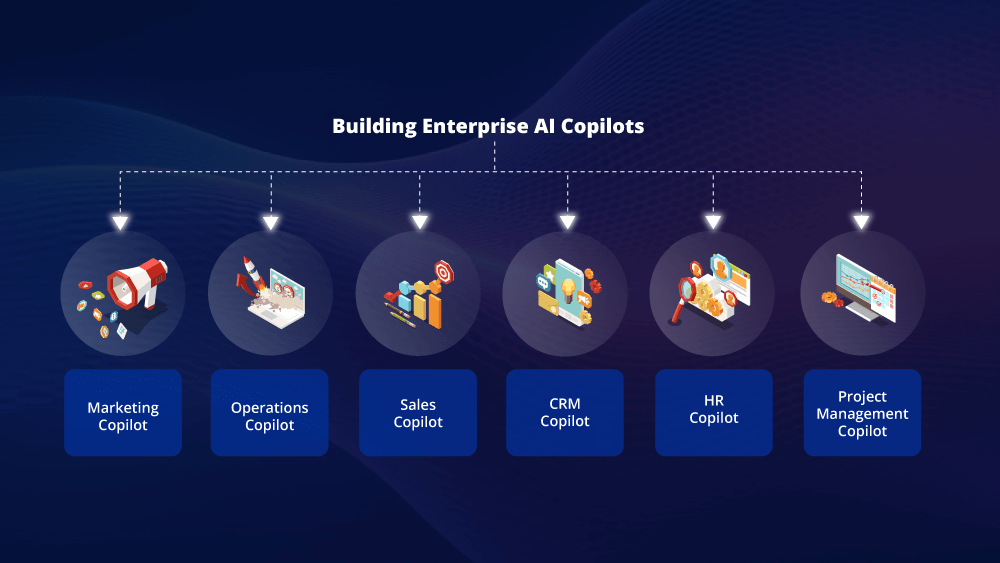
But if you talk to the creators who are actually building sustainable, long-term careers right now, they aren’t using AI to replace their brains. They are using it as a tireless, ultra-efficient co-pilot. The conversation is no longer about whether robots will take over creative work; it’s about how to build a smart, automated workflow that handles the heavy lifting so you can focus entirely on what makes your work human—your stories, your weird perspectives, and your genuine connection with your audience.
The Ultimate Brainstorming Partner: Curing Blank-Page Syndrome AI Automation
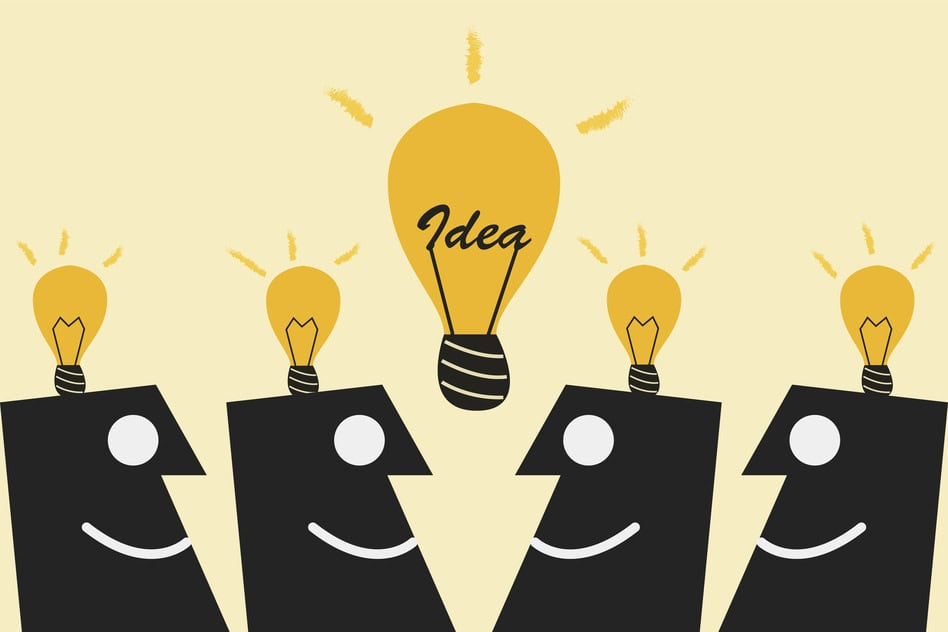
The hardest part of creating anything is almost always just getting started. Digging through keyword tools, looking at trending topics, and trying to figure out what your audience actually cares about can suck up hours of creative energy before you’ve even written a single word. This is where leaning on AI automation completely changes the game.
Think of it less like an automated writer and more like a brilliant, slightly chaotic assistant who has read the entire internet. When you feed an AI context about your niche, your target audience, and your goals, it can cross-reference search trends and audience data to spit out dozens of conceptual angles in seconds. It can help you identify structural gaps in your industry—the questions people are actively asking on forums and search engines that nobody has bothered to answer thoroughly yet.
For a writer or blogger, this means transforming a vague concept into a rock-solid editorial calendar without the guesswork. For a video creator or podcaster, it means generating a dozen hook ideas or title variations based on real human search intent. You aren’t letting a machine dictate what you care about; you’re using it to clear away the mental clutter so you can see exactly where your unique voice is needed most.
AI Automation Building the Draft: The Separation of Logistics and Voice
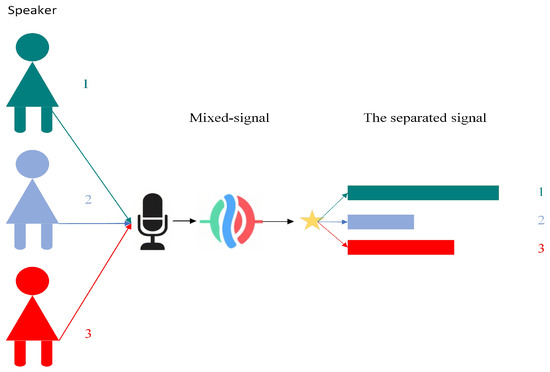
Many creators are deeply terrified that using automated tools will make their work sound robotic, predictable, and flat. And frankly, that fear is entirely justified if you copy and paste a raw output directly into your content management system. Audiences can smell generic, unedited text from a mile away, and search engines are getting smarter by the minute at rewarding genuine expertise over mass-produced noise.
The secret to a high-speed, high-quality workflow lies in dividing your creation process into two distinct phases: structure and soul.
Let the automation handle the logistics. Use it to map out a comprehensive outline, organize your research notes into logical sections, or generate a rough, functional first draft that covers all the necessary factual bases. Once the structural framework is built, you step in with the chisel. This is where you rewrite paragraphs to match your natural speaking cadence, throw in that funny analogy that popped into your head over coffee, share a specific mistake you made early in your career, and weave in your personal philosophy. The AI builds the house; you make it a home. This collaboration cuts your production time in half while ensuring the final product remains completely, undeniably yours.
Navigating the SEO Maze Without Sacrificing the Reader
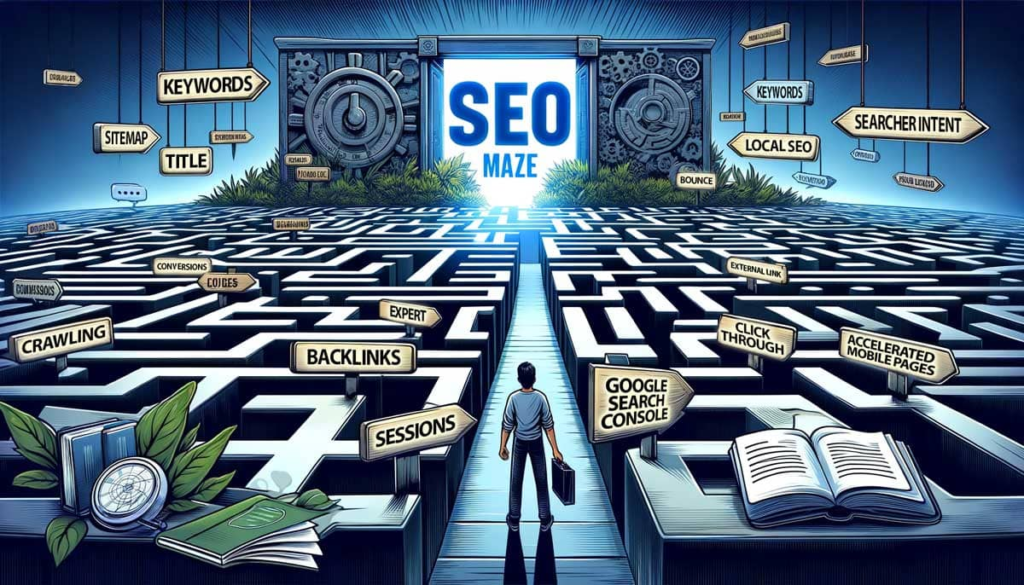
Search engine optimization used to feel like a mathematical puzzle. You had to worry about precise keyword densities, meta tags, and formatting variations to appease an algorithm, often resulting in stiff, awkward writing that felt like it was written for computers rather than people.
Today, the golden rule of SEO is simple: write the most helpful, comprehensive piece of content on the internet for a living, breathing human being.AI Automation tools are spectacular at helping you meet that standard without requiring you to become a full-time data analyst. They can scan your drafts to see if you’ve missed crucial context, suggest semantic phrases that naturally belong in the conversation, optimize your heading hierarchies for better readability, and write clean, compelling meta descriptions that actually make people want to click through from a search page.
Instead of obsessing over technical metrics, you can use automation to audit your work for clarity and depth. It acts as a second pair of eyes, pointing out where your explanations might be confusing or where you need to introduce better internal links to keep readers engaged on your site longer. It turns a tedious, multi-hour optimization checklist into a quick, seamless final review.
Repurposing and Distribution: Giving One Idea a Hundred Lives
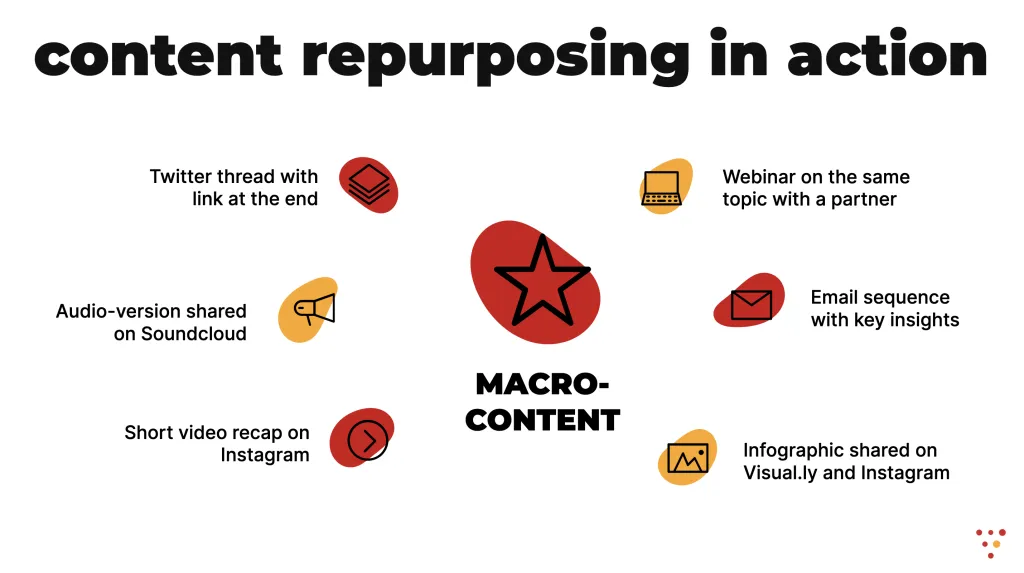
Creating a great piece of content is only half the battle; the real exhausting work begins when you try to promote it. AI Automation In the modern media landscape, you can’t just publish a long-form article or a deep-dive video and hope people find it. You have to slice it, dice it, and scatter it across LinkedIn, Instagram, TikTok, newsletters, and threads. Doing this manually is a recipe for creative fatigue.
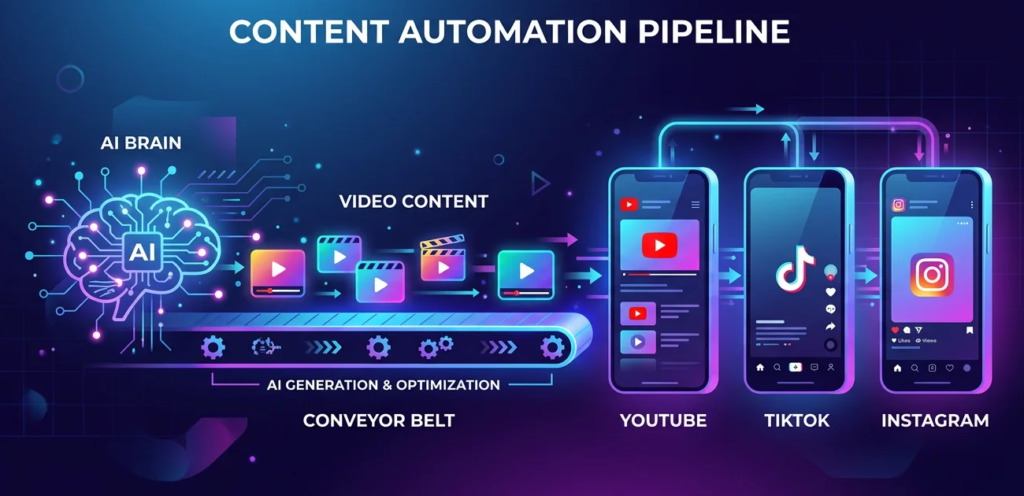
This is where automation feels like absolute magic. AI Automation A single, exhaustive core piece of content—like a comprehensive guide or a twenty-minute podcast episode—can become the engine for your entire month’s social media presence.
AI Automation editing software can automatically scan long-form video footage, detect the most engaging, high-energy hooks, crop them to vertical formats, and generate accurate, dynamic subtitles for short-form clips. AI Automation Text-based automation can take that same core video script or blog post and extract a punchy LinkedIn thought-leadership piece, a series of quick educational tweets, and an engaging summary for your weekly email newsletter. You write the big idea once, and you let the technology handle the tedious translations required for different platform formats, expanding your digital footprint without multiplying your workload.
The Behind-the-Scenes Grind: Audio, Video, and Admin Relief
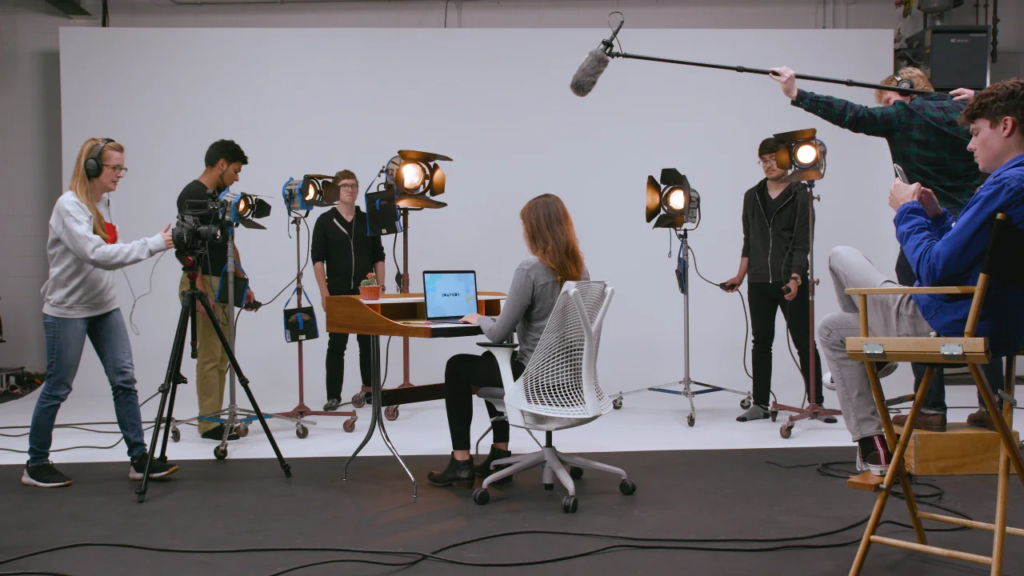
If you ask any multimedia creator what they hate most about their job, it’s rarely the actual filming or recording. It’s the hours spent cutting out “ums” and “ahs,” removing background hums, aligning audio tracks, and fixing minor visual imperfections. These repetitive, technical tasks are the ultimate thieves of creative momentum.
The integration of smart automation into editing suites has quietly revolutionized post-production. Features that used to require meticulous frame-by-frame adjustments are now executed with a single click. Background noise from a noisy coffee shop can be magically scrubbed away to sound like a professional studio recording. Transcriptions are generated instantly, allowing you to edit your video or audio files by simply deleting text from a written document rather than hunting through a timeline.
Even the administrative side of running a creative business—like segmenting your email subscribers based on their specific interests, scheduling social media drops at the exact minute your audience is most active online, or drafting automated welcome sequences for new community members—can run entirely in the background. It frees you from the prison of micro-tasks and gives you your time back.
The Line in the Sand: Protecting Your Authenticity

AI Automation With all this incredible efficiency at our fingertips, it is dangerously easy to lose sight of the line between smart automation and creative laziness. The moment you hand over your critical thinking, your emotional perspective, or your ethical judgment to a machine, your value as a creator plummets to zero.
Audiences do not return to their favorite creators because they post fast; they return because they trust their taste, their lived experiences, and their specific worldview.AI Automation An automated system can synthesize data, summarize facts, and predict search patterns beautifully, but it cannot feel frustration, it cannot celebrate a breakthrough, and it cannot share the visceral reality of a human life lesson.
Keep your automated systems strictly confined to the role of the helper. Use them to organize, to speed up technical execution, to format, and to distribute. But when it comes to the core message, the final edit, the fact-checking of every single statistic, and the emotional resonance of your story, you must remain firmly and stubbornly in the driver’s seat.
Looking Ahead: The Future is Collaborative
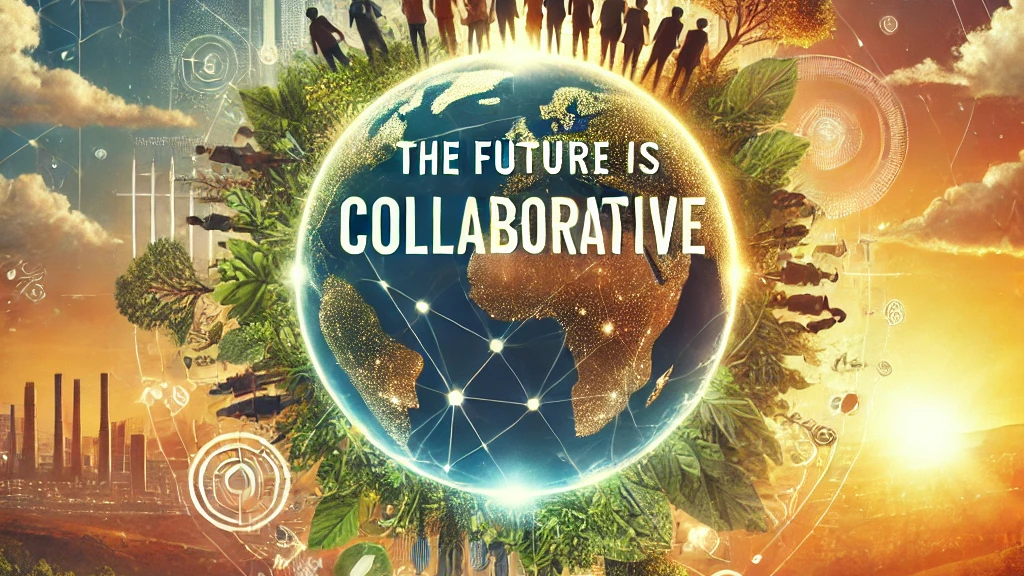
AI Automation The landscape of content creation will only continue to accelerate. We are rapidly moving toward a future where creators will have access to even more sophisticated multi-modal assistants capable of translating entire libraries of work into dozens of foreign languages instantly, predicting audience shifts before they happen, and handling complex visual rendering effortlessly.
The creators who thrive in this next era won’t be the ones resisting technology, nor will they be the ones hiding behind fully automated, sterile channels. AI Automation The future belongs to the hybrid creator—the storyteller who leverages every ounce of digital efficiency available to eliminate the busywork, while doubling down heavily on their raw, messy, and beautifully flawed human perspective. Combine a bionic workflow with an authentic soul, and you become completely irreplaceable.
FAQs
1.What is AI automation for content creators?
AI automation is the use of artificial intelligence to streamline tasks such as content planning, writing assistance, SEO optimization, video editing, social media scheduling, email marketing, and performance analysis.
2.Can AI completely replace content creators?
No. AI can automate repetitive tasks and improve productivity, but creativity, storytelling, personal experiences, emotional connection, and strategic thinking remain uniquely human strengths.
3.Is AI-generated content good for SEO?
AI-assisted content can perform well when it is original, accurate, well-edited, and genuinely helpful. Human review and unique insights are essential for long-term SEO success.
4.How can bloggers use AI effectively?
Bloggers can use AI for keyword research, content outlines, grammar improvement, SEO optimization, idea generation, and workflow automation while ensuring the final content reflects their own voice and expertise.
5.Does AI help with social media marketing?
Yes. AI can schedule posts, generate captions, recommend hashtags, analyze engagement, identify the best posting times, and repurpose content for different social media platforms.