Managing Finance money used to feel like a tedious task reserved for complex spreadsheets, dusty notebooks, or that familiar wave of end-of-month panic. Today, the landscape looks entirely different. A simple, well-designed app on your phone can help you effortlessly track spending, build a realistic budget, grow your savings, and even start investing with genuine confidence. This shift has democratized personal finance, making it feel highly approachable for millions of people who used to avoid it. Instead of waiting until your financial life becomes a messy crisis, you can now easily stay one step ahead, and free finance apps have become one of the most low-friction ways to do exactly that.
What makes these modern apps so deeply appealing isn’t just the fact that they don’t cost anything. It is the way they quietly and consistently support better daily habits. A truly great finance app doesn’t judge your choices or overwhelm you with complex, academic-looking charts. Instead, it provides immediate clarity. It shows you exactly where your money is flowing, how much you safely have left to spend, what you could realistically set aside, and where you might be leaking small amounts of cash without even noticing. That kind of steady awareness completely rewires the way a person thinks about their money during ordinary daily life.
For students living on tight margins, young professionals navigating their first real paychecks, busy families, freelancers with unpredictable cash flows, and anyone simply trying to make smarter choices, these apps can be a massive turning point. They don’t magically solve structural money problems, but they do create a reliable, stress-free structure. And when your money feels organized, your financial decision-making becomes significantly calmer, more intentional, and entirely free of shame.
Budgeting Becomes Finance Easier When You Can See the Full Picture

A budget always sounds incredibly simple on paper, but in real life, it almost always breaks down because people don’t have a clear, real-time view of their actual spending patterns. They might know exactly how much they earn each month, but they usually don’t know where every single dollar or rupee goes after it leaves their account. That is where a smart finance app makes a massive difference. It helps create a visual story of your money that is easy to interpret, even if you have never managed a formal budget in your life.
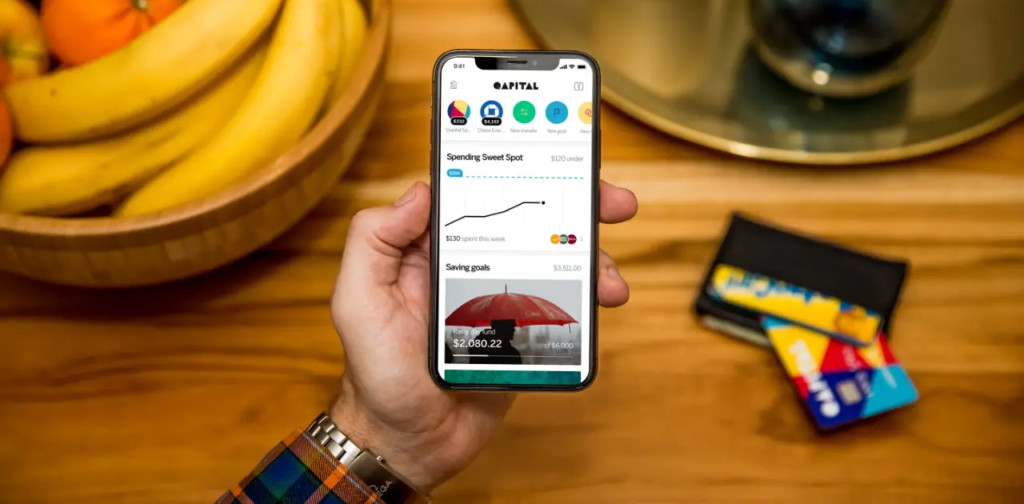
The most effective free finance apps usually give you the option to link securely to your bank accounts or use lightning-fast manual tracking. Once that foundation is set, the app does the heavy lifting by automatically categorizing your transactions into clear buckets like groceries, transport, food delivery, rent, utilities, and casual shopping. This might seem like a basic feature, but seeing it laid out can reveal eye-opening patterns that are incredibly easy to ignore when you are just tapping your card. Someone might discover that a few harmless daily conveniences are quietly consuming a massive chunk of their monthly income.
That conscious awareness matters because budgeting only works when it is anchored in reality, not wishful thinking. A good app never forces you into a rigid, punishing system that feels impossible to sustain. It helps you build a flexible framework that actually fits the organic flow of your life. If you spend heavily on travel one month and have to pivot to family needs the next, the app helps you recalibrate your parameters instead of making you feel like you failed. That built-in flexibility is the exact reason people actually stick with these tools long after the initial novelty wears off.
Saving Money Feels More Possible with the Right Tools

Saving money is rarely a dramatic test of willpower; it is almost always a game of consistency. Most people don’t fail to save because they don’t care about their future. They fail because the act of saving feels entirely disconnected from their immediate daily routines. Free finance apps beautifully bridge this gap by making your savings goals highly visible, touchable, and simple to monitor.
When an app allows you to set up distinct, dedicated goals for things like an emergency fund, a long-overdue vacation, a new phone, or future education, it transforms saving from a abstract chore into something exciting and concrete. Instead of telling yourself a vague, uninspiring phrase like “I really should save more,” your mental goal becomes deeply personal: “I want to hit this exact milestone by this specific date.”
This subtle shift in mindset is incredibly powerful. It helps you connect today’s tiny, disciplined sacrifices with tomorrow’s tangible rewards.
EMERGENCY FUND GOAL: $5,000
[████████████████████████████░░░░░░░░░░] 70% Achieved ($3,500)
To make things even smoother, many apps support clever automated features like round-up savings, where the app rounds up your daily purchases to the nearest dollar and quietly tucks the spare change away into a separate account. Even if these micro-amounts feel insignificant in the moment, the habit itself is what builds real financial momentum. Over time, those tiny, effortless contributions stack up into a meaningful cushion. People stay deeply motivated when they can see clear, unedited visual progress, no matter how gradual it might feel from day to day. It strips the emotional weight out of saving, making it feel like a normal, healthy part of life rather than a painful punishment.
Investing Smarter Starts with Understanding, Not Guessing

Investing can feel deeply intimidating, especially if you didn’t grow up talking about stocks and bonds at the dinner table. The dense, academic jargon surrounding market funds, risk profiles, asset returns, and portfolio diversification often makes everyday people feel like they need a master’s degree in finance before they can even dip a toe in the water. Free investing and finance apps have completely shattered that barrier, making the entire ecosystem understandable, transparent, and approachable.
The most user-friendly platforms don’t just hand you a dashboard and wish you luck. They actively integrate simple explanations, beginner-friendly market insights, and straightforward tools to track how your money is moving. For someone just starting out, having that protective guardrail makes a world of difference. Instead of blindly guessing or copying risky trends they saw on social media, users can learn the underlying mechanics of wealth building in a structured, zero-pressure environment.
A mature investing habit always starts with getting honest about your personal comfort level with risk. Some people are perfectly fine riding out short-term market rollercoasters for the sake of higher long-term gains, while others sleep much better at night taking a slower, steadier path. A great finance app guides you through these personal realitites by showing you exactly how your money is allocated and performing over time. It teaches you to think in terms of steady, long-term progress instead of short-term market panic. Most importantly, it reinforces the truth that growing wealth is no longer an exclusive club reserved for Wall Street professionals—anyone can start small, learn the ropes, and scale up as their confidence grows.
The Best Finance Apps Are the Ones That Fit Real Life

There is absolutely no single app that works perfectly for every human being on earth. The right tool for you depends entirely on your personal psychological relationship with money, your immediate goals, and your current comfort level.
- The Simplicity Seeker: Needs a clean, minimal interface to keep basic daily spending from spiraling out of control.
- The Detail Enthusiast: Wants advanced data breakdowns, comprehensive credit monitoring, and granular investment tracking.
- The Freelancer: Requires an app that provides a crystal-clear overview of fluctuating cash flows and upcoming tax allocations.
- The Family Coordinator: Needs a collaborative, shared budgeting solution to keep household expenses perfectly synced without constant friction.
A well-crafted free finance app should feel completely intuitive from the very first minute you open it. You shouldn’t have to watch a mountain of video tutorials just to figure out how to log an expense or check a balance. It should present your financial truth clearly and elegantly, stripping away unnecessary clutter so you can make informed decisions quickly. If an app feels like an annoying, confusing chore, you will eventually stop opening it—and money tools only work if you actually keep using them.
Beyond the interface, trust is the ultimate foundation. Because these applications handle highly sensitive personal information, security can never be an afterthought. Reputable platforms prioritize top-tier data encryption, strict privacy protocols, and robust multi-factor protection, making it incredibly clear how your data is handled. You are far more likely to stay consistent with your financial tracking when you know your personal data is completely safe and locked down.
Why Free Does Not Mean Basic Anymore
There was a time not too long ago when the label “free” on a software tool almost always meant you were getting something frustratingly stripped down, plagued with annoying pop-up ads, or completely broken. Fortunately, that is no longer the case in the personal finance space. Free finance tools now ship with incredibly robust, high-performing engines that provide genuine, institutional-grade value to everyday users trying to navigate their budgets, savings, and portfolios.
This is an absolute game-changer for beginners. There is an incredible sense of emotional comfort in learning how to manage your money without the immediate pressure of an expensive monthly subscription fee hanging over your head. A free tool gives you the breathing room to build your baseline tracking habits first, experiment with different configurations, and figure out what works for your lifestyle without any financial risk. That kind of patient, gradual approach is vastly more sustainable than signing up for a hyper-complex, premium platform only to abandon it a few weeks later because you felt completely overwhelmed.
The true ROI of a great finance app isn’t just measured in the cash you save or the returns you generate; it is measured in your mental peace. Money is one of the most significant sources of stress, anxiety, and quiet shame in modern society, especially when macroeconomic conditions feel completely unpredictable. While a mobile application cannot magically erase your bills or rewrite your income, it can completely dissolve the terrifying fog of the unknown. Taking that first step to look at your numbers clearly, honestly, and without judgment is the exact moment real financial health begins.
How Free Finance Apps Change Daily Habits

The most profound benefit of these financial tools doesn’t happen during a massive end-of-the-month review. It happens quietly, in the tiny choices you make every single day. A person who builds a casual habit of checking their app regularly starts to think completely differently right before they pull out their wallet. A user with a clear, visual savings goal naturally becomes much more aware of those impulsive, automatic purchases that used to feel completely harmless in the moment. Someone starting to explore micro-investing naturally begins reading financial news with a bit more curiosity, asking sharper questions, and developing the deep patience required for long-term growth.
These small mental pivots might seem minor in isolation, but when multiplied across weeks, months, and years, they build an entirely different financial trajectory. That is exactly how permanent wealth habits are formed—not through sudden, painful lifestyle overhauls, but through consistent, low-friction awareness. A great finance app simply integrates that healthy awareness into the natural flow of your ordinary life.
This intervention is more critical today than ever before. We live in an increasingly cashless, hyper-digital economy where spending money has been engineered to be completely frictionless. Between automatic subscription renewals, one-click online shopping, and instant digital payments, capital has become practically invisible as it leaves our accounts. And the more invisible your spending becomes, the harder it is to control. Personal finance apps bring your money back into plain sight, and that simple act of visual clarity is often more than enough to completely transform your behavior for the better.
Choosing the Right App Without Overcomplicating It

It is incredibly easy to get stuck in a state of analysis paralysis trying to find the absolute “perfect” personal finance application. But here is the honest truth: perfection is a myth. The ultimate goal isn’t to find the flashiest software on the market; the goal is to find a tool that you will actually open and interact with consistently. It needs to match your unique personality and psychological needs.
If you thrive on minimalism, choose an app that simply tracks your inflows and outflows without hitting you with extra data fields. If you are naturally analytical, seek out platforms that offer rich data categorization, milestone tracking, and long-term asset projections. The right financial companion should feel like a supportive, quiet partner in your pocket, never a stressful daily chore.
Building Smarter Money Habits for the Future

The future of personal finance is becoming fundamentally more decentralized, mobile-first, and beautifully accessible. People no longer have to wait until they reach a certain age, achieve a specific income bracket, or acquire decades of corporate experience to fully own their financial destiny. Modern free finance applications have made money management an immediate, practical, and highly dignified reality for anyone with a smartphone.
For the vast majority of users, the path forward unfolds in a natural, rewarding sequence:
First, you master the simple art of clear budgeting. Once your baseline spending is under control, hitting your milestones and growing an emergency fund starts to feel completely possible. With that foundational security established, entering the investment markets shifts from a terrifying gamble to a calculated, exciting strategy for long-term growth.
Over time, these compounding steps build an unshakable sense of personal confidence. And that confidence radically improves the way you handle major life decisions across every single area of your world. That is the true value of these digital platforms. They aren’t just software engines tracking numbers on a screen; they are life-shaping habit builders.
Best Free Finance Apps to Budget, Save, and Invest Smarter They exist to support everyday people who want to navigate their lives with less anxiety, greater situational awareness, and clear structural planning. Whether your immediate goal is to systematically wipe out debt, stack up an emergency cushion, fund a major life milestone, or start building an investment portfolio with small change, these apps are here to make the journey smoother, simpler, and profoundly human.
Frequently Asked Questions
1.Are free finance apps really useful for budgeting?
Yes, free finance apps can be very useful for budgeting because they help track spending, organize expenses, and show where money is going each month. This makes it easier to create and maintain realistic financial habits.
2.Can free finance apps help me save money?
They can. Many apps help users set savings goals, track progress, and build consistent habits. Some also offer automated saving features that make it easier to put money aside regularly.
3.Are free finance apps good for beginners who want to invest?
Yes, many beginner-friendly finance apps make investing easier to understand by simplifying the process and showing key information clearly. They can help new investors start with more confidence and less confusion.
4.Do free finance apps ask for bank account access?
Some do, while others allow manual tracking. Apps that connect to bank accounts often provide more accurate insights, but users should always review privacy and security settings before linking financial data.
5.What features should I look for in a finance app?
Look for features that match your goals, such as budgeting tools, savings goals, spending alerts, investment tracking, or easy reports. The best app is one that feels simple, secure, and useful in daily life.
6.Can one app help with budgeting, saving, and investing at the same time?
Some apps do combine all three functions, while others focus on one area. A multi-purpose app can be convenient, but many people prefer using a few simple tools that do each job well.