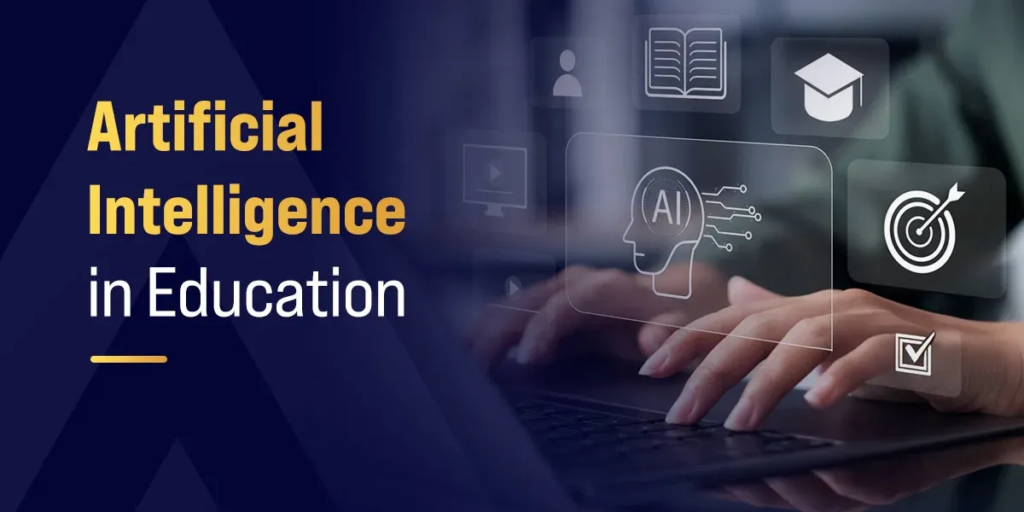
Artificial Intelligence isn’t some far-off tech trend or a gimmick confined to computer labs anymore. AI in Education: Everything You Need to Know It’s actively shaking up the everyday reality of classrooms, lecture halls, and kitchen tables worldwide. The truth is, the way we learn, teach, and figure out what it actually means to acquire AI in Education knowledge is going through a massive, permanent shift. From smart platforms building custom study tracks to software handling the exhausting grind of grading, technology is stepping directly into the human experience of education.
But with things moving this fast, it’s incredibly easy to get swept up in the noise. Is AI just a massive shortcut that turns off our critical thinking skills, or is it the ultimate tool to give every single student a fair shot? Let’s skip the corporate marketing speak and break down what’s actually happening on the ground for AI in Education teachers and students, and how we navigate this new landscape without losing the real human connection that makes learning click in the first place.
What Does AI in Education Actually Mean?
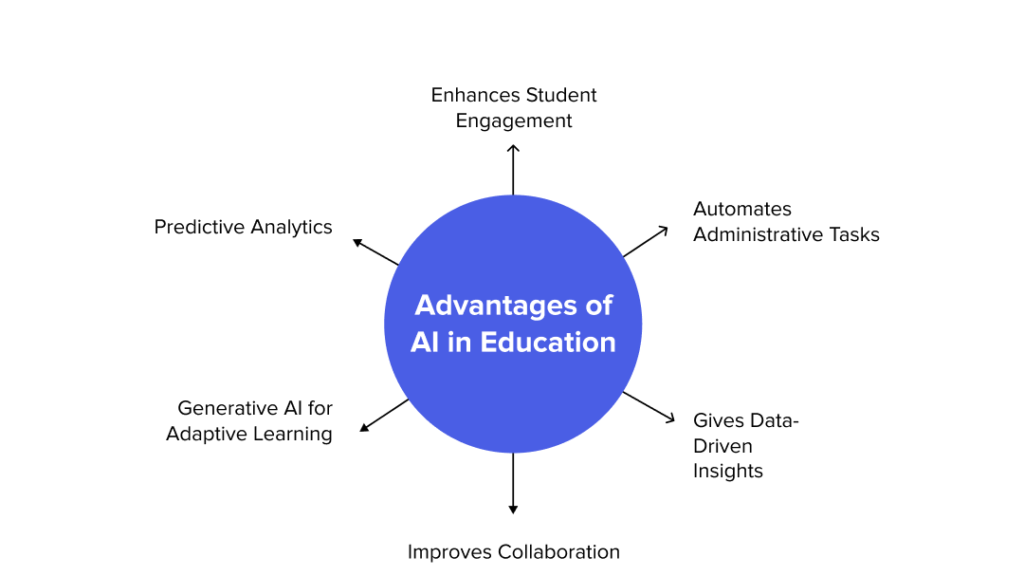
If you strip away the confusing tech buzzwords, AI in education boils down to two things: using smart, responsive software to tailor learning to the individual, and offloading the mind-numbing administrative work that burns educators out.
Traditional educational software is essentially a digital brick wall. If you get a algebra problem wrong, a standard app just slaps a red “X” on the screen, displays the right answer, and pushes you to the next page. AI in Education An AI system operates entirely differently—it acts more like a living guide. It watches why you made the mistake, looks for the root pattern in your errors, dials the difficulty up or down in real time, and tweaks its entire approach based on your specific learning habits. It isn’t just feeding you information; it’s studying how you think.
The Death of the Factory Model AI in Education

For over a century, traditional schooling has leaned heavily on a rigid, one-size-fits-all setup: thirty kids sit in a room, listen to the exact same lecture at the exact same speed, and take the same standardized test on Friday morning. AI in Education The obvious problem? Human brains simply do not work that way. Some students pick up a concept instantly and check out out of boredom, while others just need a few more days to process the material but get left behind as the class moves on.
AI is pushing the system away from mass production and toward personalization. AI in Education By evaluating quick data points from daily practice, assignments, and study times, smart platforms build a unique roadmap for every single learner.
1.Active Engagement:Step 1.
The student works through challenges on an adaptive digital platform.
2.Real-Time Analysis:Step 2.
The software actively tracks speed, recurring error styles, and confidence intervals.
3.Roadmap Recalibration:Step 3.
The system instantly updates the student’s personal path, offering targeted review or advanced material.
4.Instant Feedback:Step 4.
The student receives micro-corrections immediately, stopping bad habits before they take root.
If a student is hitting a wall with fractions but flying through geometry.AI in Education the system naturally puts on the brakes, provides targeted, creative exercises to smooth out the rough spots, and lets them move ahead where they are strong. It’s the digital equivalent of meeting someone exactly where they stand.
AI in Education The 24/7 Virtual Tutor

One of the most immediate, practical shifts is the rise of AI-powered study assistants. They act like personal tutors that never sleep, never lose their patience, and don’t cost a fortune an hour.
- Midnight Clarity: When a student is stuck on a brutal chemistry mechanism in the middle of the night, they don’t have to wait for morning. They can ask an AI assistant to dissect it step-by-step until it makes sense.
- Zero Judgment: A lot of students stay completely silent in class because they are terrified of looking slow in front of their friends. An AI tool gives them a totally private, stress-free space to ask the same question ten different ways until it finally clicks.
- Flexibility for Real Life: This is a massive win for non-traditional students—like parents balancing night classes, professionals trying to earn a certification after a long shift, or kids working part-time jobs who can’t make standard school hours.
AI in Education Giving Teachers Their Sanity Back
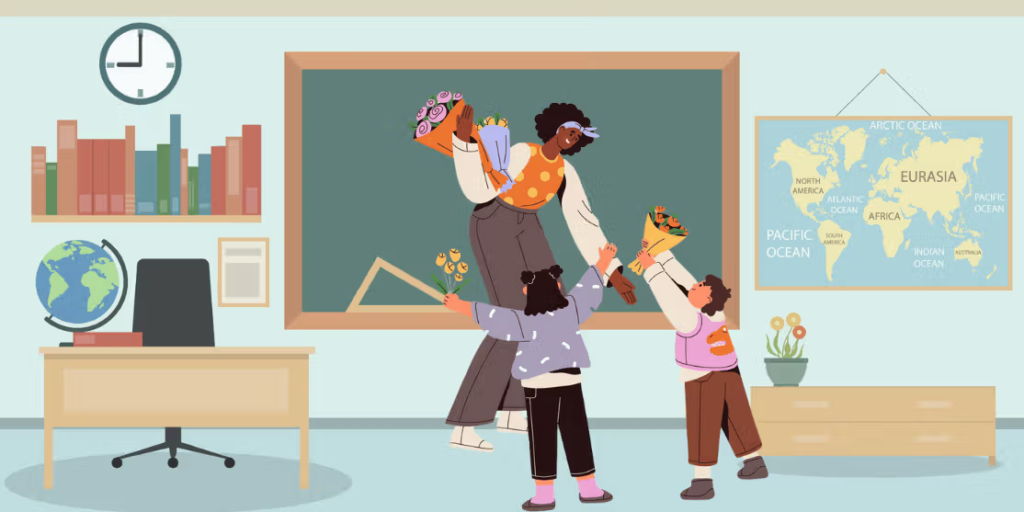
There’s a frequent, anxious narrative that machines are coming to replace human teachers. AI in Education But the reality is that the goal of AI isn’t to push educators out; it’s to rescue them from the crushing mountain of red tape that causes massive burnout.
If you ask a teacher what drains their love for the classroom, it’s rarely the students. AI in Education It’s the endless hours spent grading identical vocabulary quizzes, tracking attendance, updating data spreadsheets, and drafting repetitive lesson plans from scratch. When smart software automates these predictable chores, teachers get their time and energy back. That means more presence for real mentoring, leading deeper class debates, checking in on a student who seems isolated, and doing the nuanced, emotional human work that a machine cannot touch.
Automating the Red Tape
- Fast, Useful Analytics: AI tools can instantly grade multiple-choice or short-answer quizzes, highlighting the exact concept the whole class missed so the teacher knows precisely what to re-teach the next morning.
- Curriculum Blueprints: Instead of facing a blank page, teachers can use AI to build rough first drafts of unit outlines, project ideas, or flashcards, which they can then customize and inject with their own style and experience.
- Spotting Hidden Struggles: Smart tracking can catch quiet drops in a student’s engagement or performance weeks before they fail a major exam, giving teachers a chance to step in and help early.
Leveling the Playing Field
Historically, getting a top-tier education has been heavily restricted by neighborhood wealth, geography, and physical ability. AI is quietly chipping away at those old barriers, making learning much more accessible.
For students dealing with visual, auditory, or learning differences, these tools are game-changers.AI in Education Live transcription software lets deaf students follow lectures in real time. Advanced text-to-speech tools help dyslexic learners digest massive reading loads without burning out their eyes. And high-level translation tools let students who are completely new to a language learn complex subjects like biology or history in their native tongue while they catch up on their language skills, keeping them from falling behind.
The Serious Downsides: Cheating, Privacy, and Inequality
It would be completely dishonest to pretend this shift is entirely smooth sailing. Bringing AI into schools introduces massive, complex issues that schools are actively struggling to handle.
1. The Death of the Take-Home Essay
The second generative AI became household technology, the classic “write a five-page essay at home” model died. A student can type a quick prompt and get a completely coherent analysis of Macbeth in under a minute.
- The Flawed Fix: Relying on automated “AI detectors” usually backfires. They are notoriously unreliable, often flag innocent students, and create a toxic culture of suspicion.
- The Real Solution: Educators are realizing they have to change how they measure understanding. The focus is moving toward live, in-class writing, oral presentations, open discussions, and testing real critical analysis over simple formatting and memorization.
2. The Data Privacy Trap
AI runs entirely on data. To genuinely customize a student’s learning, these programs have to watch a massive amount of personal metrics, habits, and scores. This creates a serious target for data breaches and corporate tracking. Schools have to draw hard lines, making sure student data is strictly encrypted, private, and never packaged for advertisers.
3. The Digital Divide
Technology only evens things out if everyone can actually use it. If wealthy school districts can easily afford cutting-edge, premium AI learning tools while underfunded schools are stuck dealing with broken hardware and patchy internet, AI will only accelerate the gap between the haves and have-nots. Fixing digital access is a fundamental necessity for modern education.
How to Live in an AI Classroom: A Survival Guide
For the Student: Use it as a Bicycle, Not a Car
If you let a chatbot do all your thinking, you are actively shortchanging your own brain. When you graduate and step into a real career, you won’t get paid to copy-paste prompts; you’ll get paid to bring original value to the table.
- The Bad Approach: Dropping a homework prompt into a chat, generating the text, and turning it in without even reading the paragraphs.
- The Smart Approach: Treat AI like a brilliant, tireless study partner. Use it to explain an abstract theory, have it quiz you aggressively before an exam, or use it to look for logical flaws in a draft you wrote yourself. You still have to steer the ship.
For the Teacher: Double Down on Being Human

Don’t panic about the software, and don’t waste your energy trying to ban it—history shows that trying to outlaw new technology never works out. Instead, adopt it to scale your actual impact.
- Outsource the Grunt Work: Let software manage the grading templates and structural outlines. Save your human energy for the actual people in front of you.
- Teach Fact-Checking: AI is infamous for “hallucinating”—making up false information with supreme confidence. Teach your students how to cross-reference sources, analyze bias, and question what a screen tells them.
- Prioritize Relationships: A computer program can award points, but it can’t inspire a student, see that they are having a terrible week, or truly care about their trajectory. Focus your time on empathy, mentorship, and real connection.
The Road Ahead
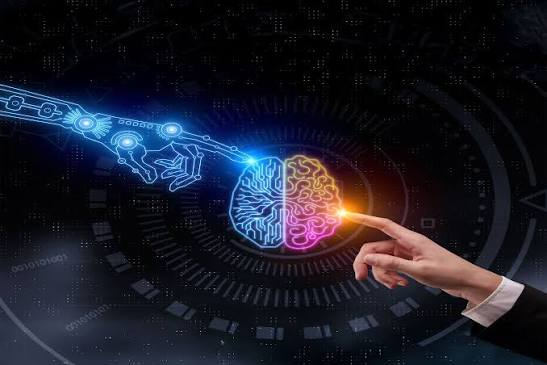
Looking forward, the border between technology and the classroom is going to dissolve even more. We are looking at immersive virtual reality environments where students can walk through historic sites, predictive tools that help map out career paths based on years of learning data, and incredibly fluid language practice setups.
At the end of the day, AI is just a tool—it has no moral compass of its own. In the hands of thoughtful teachers and responsible students, it has the potential to break down our outdated, factory-style schools and replace them with a responsive, open environment that actually helps people thrive. The future of learning isn’t a machine; it’s a human being, completely unlocked by one.
FAQ’S
1.What is AI in education?
AI in education uses artificial intelligence to personalize learning, automate tasks, improve teaching, and support students through intelligent educational technologies.
2.How does AI help students?
AI provides personalized learning, instant feedback, virtual tutoring, adaptive lessons, and study recommendations that improve learning efficiency.
3.Can AI replace teachers?
No. AI supports teachers by automating repetitive tasks, but human instruction, mentorship, creativity, and emotional support remain essential.
4.What are the biggest benefits of AI in education?
Personalized learning, improved accessibility, automated grading, better student engagement, and more efficient classroom management.
5.Is AI in education safe?
Yes, when schools use secure systems, protect student data, and follow responsible AI and privacy practices.