

Let’s be totally honest: our mobile phones aren’t just handy gadgets anymore—they are essentially an extension of our hands. We check them the very second we wake up, scroll through short videos while waiting in line for coffee, and buy everything from quick lunch orders to new clothes with a simple double-tap.
For any modern brand trying to connect with real people today, mobile marketing isn’t just a minor piece of the puzzle—it is the entire board. But the old, pushy playbooks are completely dead and buried. Nobody wants to deal with annoying pop-ups that block the screen, agonizingly slow websites, or creepy ads following them around the web. Winning on mobile today means being genuinely helpful, respecting people’s time, and making every interaction feel natural, smooth, and deeply human.
The New Rules of Engagement: What Modern Mobile Users Expect
If your current mobile strategy still treats smartphones like tiny desktop computers, you are missing the mark completely. People browsing on their phones operate on quick impulses, seamless convenience, and razor-thin patience.
The Two-Second Speed Limit
If your site doesn’t render almost instantly, visitors will hit the back button and go straight to your closest competitor. Speed isn’t just a technical detail—it is your very first handshake with a potential customer.
Frictionless Digital Checkouts
Typing out a sixteen-digit credit card number on a small glass screen feels like a massive chore. If you don’t offer single-tap digital wallets like Apple Pay or Google Pay, you are leaving real money on the table.
Transparent Privacy Standards
People are increasingly protective of their data. They won’t share their email address or real-time location unless you give them a crystal-clear reason why it benefits them directly.
Relatable Human Content
Slick corporate commercials get scrolled past instantly. People trust honest customer reviews, unscripted video demos, and everyday content creators who speak to them like a genuine friend.
Breaking Down the Top Mobile Channels
Not all mobile marketing channels perform the same job. Deciding where to spend your energy depends on whether you are trying to introduce yourself to new audiences or keep your loyal regulars coming back for more.
| Channel Name | Primary Business Goal | Why It Connects So Well | The Main Risk to Watch For |
| Short-Form Vertical Video | Discovery & Brand Awareness | Feels entertaining, lively, and natural on a vertical screen. | Trends shift quickly; requires a steady stream of fresh ideas. |
| Mobile Search & Local SEO | Capturing Ready-to-Buy Customers | Catches people right when they are actively looking for an immediate fix. | Demands a super-fast site and clean, accurate local listings. |
| App Push Notifications | Retaining Active Users | Delivers messages directly to the lock screen with zero delay. | Annoy users too often and they will mute alerts or delete the app. |
| SMS & Conversational Messaging | Urgent Offers & Direct Updates | Enjoys ridiculously high open rates within minutes of sending. | It’s a personal space; feels intrusive if you overstep boundaries. |
| Shoppable Social Media Ads | Driving Impulse Conversions | Turns casual interest into an instant purchase in just two taps. | Ad costs can climb rapidly if your audience targeting is off. |
Core Trends Reshaping Mobile Success
Understanding where consumer attention is heading helps you allocate your precious marketing budget wisely instead of chasing outdated tactics.
Shoppable Video Feeds and Instant Checkout Tags
The delay between discovering a cool item and actually buying it has vanished entirely. Interactive video clips with direct tap-to-buy tags allow users to select their favorite color, pay instantly, and resume scrolling seamlessly.
Creator-Led Content Outperforming Glossy Ads
Over-engineered advertising feels fake on mobile screens. Forward-thinking brands partner with micro-influencers to create raw, unscripted videos. A quick, honest clip showing how a product works in daily life converts far better than a staged studio production.
Intelligent On-Device Personalization

Nobody wants generic promotional spam clogging up their feed. Modern applications adapt dynamically based on what users actually care about. If someone frequently browses eco-friendly products, their app layout should highlight sustainable choices automatically.
Conversational Search and Voice Queries
When people search on handheld devices, they speak or type in full, natural sentences. Instead of typing generic keywords, they ask, “Where can I find a good lunch spot nearby right now?” Structuring your written content to answer these direct, conversational questions puts you directly in front of eager buyers.
Building Your Mobile Strategy: Step-by-Step
Putting together an effective mobile roadmap does not need to feel overwhelming or overcomplicated. Follow this simple, step-by-step framework to make sure your foundation is rock-solid before spending money on paid campaigns.
1.Optimize Your Baseline Mobile Experience:Fix speed issues, broken buttons, and checkout friction first.
Before launching ads, test your website thoroughly on a mid-range phone using a standard mobile connection. Make sure action buttons are easy to tap with one thumb, text is readable without pinching, and the checkout takes under a minute.
2.Establish Transparent Privacy Standards:Earn trust by offering clear value in return for data.
Give site visitors a compelling reason to share their contact details. Use interactive quizzes or clear member perks so customers willingly share their preferences in a fair, open exchange.
3.Roll Out Authentic Campaign Content:Combine short-form video discovery with search intent.
Create concise vertical videos showing your product solving a real daily problem. Pair this visual content with targeted local search ads so people looking for immediate solutions find you first.
4.Nurture Long-Term Customer Relationships:Set up automated, respectful follow-ups.
Build gentle automated sequences for cart reminders or restock notices. Keep every message short, friendly, and genuinely helpful so your brand stays welcome in their inbox.
5.Measure and Refine Core Results:Look past superficial vanity metrics.
Avoid getting distracted by simple view counts. Keep your focus locked on actual conversion rates, repeat order rates, customer lifetime value, and overall return on ad spend.
Four Golden Rules for Mobile-First Design
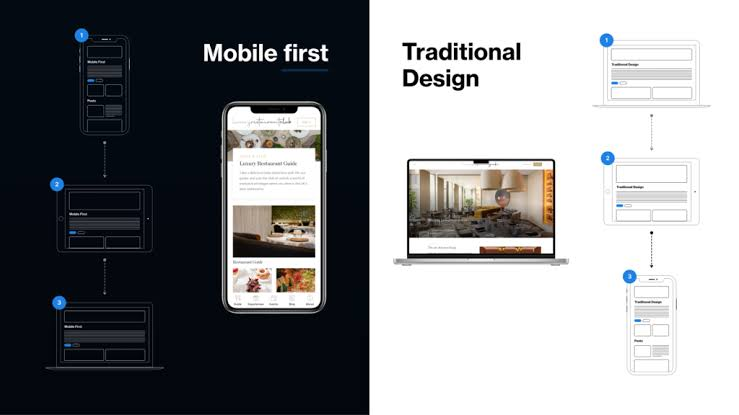
Design Specifically for the “Thumb Zone”
Place your most important action buttons—such as “Add to Cart” or “Confirm Booking”—right in the bottom center area of the mobile screen where user thumbs naturally rest.
Format Content for Quick Scanning
People rarely read dense essays on small screens while waiting for a bus or walking around. Keep your paragraphs brief, use bold key phrases, and split up complex points with clear bullet lists.
Always Include Subtitles on Video Assets
A massive portion of mobile video content is consumed on mute in public spaces or quiet environments. If your visual messaging relies entirely on spoken audio, most viewers will simply swipe away without listening.
Treat Private Inboxes with Great Care
Receiving permission to text a customer directly is a major privilege. Keep your alerts infrequent, highly valuable, and personalized, or users will opt out without giving you a second chance.

Content Marketing Trends 2026: Research & Storytelling
The internet has never had a shortage of content. Every day, businesses publish blog posts,…
Top Workflow Tools for Better Team Productivity in 2026
It rarely happens with a big dramatic crash. Instead, it’s a slow, quiet leak. You…

AI Automation Guide 2026: Work Smarter, Faster & Better
Artificial intelligence and automation are changing the way people work, manage information, communicate, and complete…

Tool Reviews: Find the Best Tools for Every Need
Every single morning, millions of people open their laptops to a screen crammed with open…

The Best Audio Editing Software 2026: Music, Podcasts & More
Good audio can completely change how a song, podcast, video, or voice recording feels.Audio Editing…

Tool Reviews 2026: Explore, Compare & Find Better Tools
Finding the right digital tool can save time, simplify repetitive tasks, and make everyday work…
FAQs
What is the absolute best mobile channel for small businesses with limited budgets?
Combining local mobile search optimization with authentic, short-form video gives you the highest return on investment. Local SEO brings in people who are ready to purchase immediately, while informal short videos build trust and display your brand’s human side without requiring expensive equipment.
How can I stop shoppers from abandoning their carts on smartphones?
Most mobile cart drop-offs happen because the payment process feels too tedious or clunky. Cut down your required form fields, allow guest checkouts so buyers don’t have to create passwords, and integrate one-tap payment options like Apple Pay or Google Pay to eliminate typing.
How often should a business send marketing texts or push alerts?
Less is almost always more. For SMS messaging, stick to 2 to 4 high-value updates per month—such as exclusive promotions or critical delivery alerts. For app push notifications, only send alerts when you have personalized, genuinely helpful news, or users will quickly silence your app.
Why do my desktop campaigns convert better than my mobile traffic?
This gap almost always signals hidden friction on your mobile landing page. Check your site loading speed, enlarge tiny text sizes, ensure pop-ups are effortless to close on small displays, and verify that your checkout form works smoothly across various phone screens.