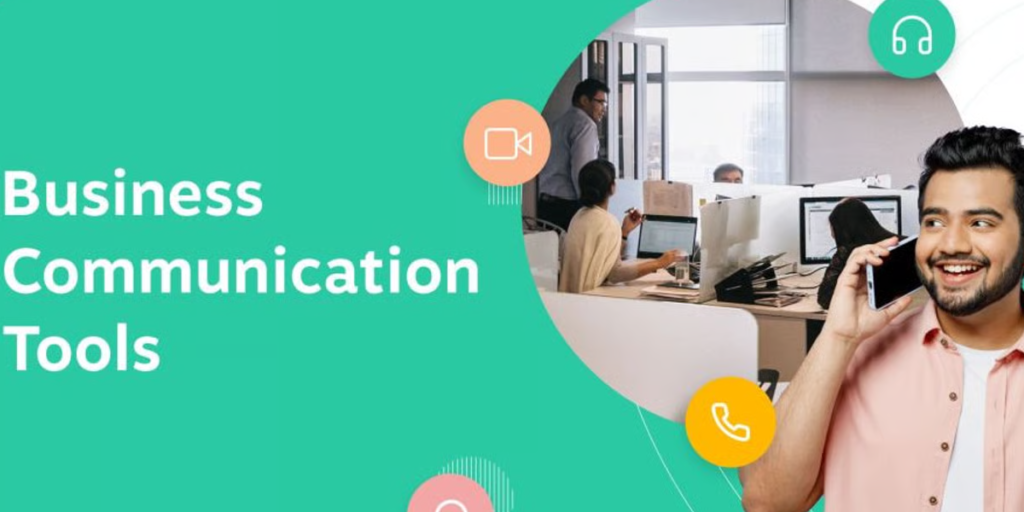
If your team is struggling to keep up with work, you’re not alone. Most modern workplaces run on an accidental stack of tools: a bit of project management here, a few random Slack channels there, client notes hiding in someone’s inbox, and important project briefs buried in a shared drive.
The end result? Context gets lost. Important updates slip through the cracks. Projects get delayed—not because your people aren’t working hard, but because your systems were never designed to help them work together.
We took a close, unbiased look at 15 of the most popular collaboration tools on the market today. We evaluated how they handle real-world work, what they actually cost, where their AI features help (and where they fail), and how easy they are to use every day.
No paid placement. No marketing gloss. Just an honest breakdown of what works, what doesn’t, and how to pick the right setup for your business.
Why Your Workplace Software Feels So Broken

Most workplace friction comes down to information scatter. When a single project relies on four separate apps:
- Strategy lives in a document.
- Day-to-day chatter happens in chat rooms.
- Deadlines sit in a spreadsheet.
- Feedback comes through email.
When information lives in different silos, people spend more time looking for work than actually doing it. Recent workplace studies show that knowledge workers spend up to 28% of their workweek just managing email and nearly 14% of their time hunting down files or answers. That is almost half of every workweek wasted just trying to get on the same page.
Good collaboration software fixes this by building a central “home base.” It brings communication, task tracking, document sharing, and status updates into one clear ecosystem so everyone knows who is doing what, when it’s due, and where to find the details.
What to Look For: Our 8 Evaluation Criteria
When testing these platforms, we focused on the practical things that directly impact your team’s sanity and productivity:
- Core Features: Does the tool excel at its primary job? (e.g., Is chat fast and reliable? Are project boards easy to organize?)
- Onboarding & Usability: How long does it take a new hire to get up to speed without needing hours of training?
- Integrations: How easily does it talk to the apps you already use (like Google Workspace, Microsoft 365, Salesforce, or Zapier)?
- AI & Automation: Does the built-in AI actually save you time—like writing quick summaries or automating repetitive tasks—or is it just a gimmick?
- Real Value for Money: Are the pricing tiers fair as your headcount grows, or are essential features locked behind expensive enterprise plans?
- Scalability: Will this app work just as well when you grow from 10 employees to 100 or 500?
- Security & Compliance: Does it protect your data with standards like SOC 2, GDPR, HIPAA, and Single Sign-On (SSO)?
- Mobile Experience: Can your team comfortably handle approvals, answer messages, or check project status from their phones?
Quick At-A-Glance Summary
If you just need the quick answers, here is how the top tool categories break down:
- Best for Team Messaging: Slack — Unmatched chat features, deep app integrations, and powerful search.
- Best for Microsoft Ecosystems: Microsoft Teams — Deeply tied into Word, Excel, and Outlook with enterprise-grade security.
- Best All-In-One Workspaces: ClickUp or Notion — Great for consolidating docs, tasks, and notes into one place.
- Best for Project & Operations Management: monday.com or Asana — Visual workflows, clear assignment tracking, and powerful custom automations.
- Best for Quick Video Updates: Loom — Replaces unnecessary meetings with quick screen recordings and automatic transcripts.
- Best for Visual & Design Teams: Figma — The gold standard for real-time collaborative design and developer handoffs.
Spotlight Review: monday.com Work OS
If you run a small-to-medium business that wants a flexible operational platform without forcing every department into a rigid system, monday.com Work OS is one of the strongest contenders available.
Why Teams Choose It
monday.com stands out because of its high visual clarity and flexibility. Unlike tools that force you to manage projects in one strict way, monday.com uses a customizable building-block structure made of boards, dashboards, views, and automated rules.
This means different departments can customize it to fit their exact needs:
- Marketing can use visual timelines and Kanban boards to run campaigns.
- Operations can manage inventory, fulfillment, and vendor pipelines.
- Finance can track invoice approvals and budgets.
- Leadership can pull high-level status reports across all projects into a single dashboard.
Real-World Strengths
- No-Code Automations: You can build simple rules (like “When a status changes to Approved, notify the design team and move the item to the Next Up board”) without writing a single line of code.
- Cross-Functional Visibility: You can link boards together so team members don’t have to duplicate work across different departments.
- Fast Onboarding: The interface uses bright colors, drag-and-drop mechanics, and intuitive views, making it easy for non-technical team members to adopt quickly.
Trade-Offs to Keep in Mind
While monday.com is very customizable, setting up complex workflows for large organizations can take time upfront. Additionally, as you add custom columns, detailed dashboards, and automation actions, the per-user pricing can increase significantly on higher tiers.
How to Build the Right Collaboration Stack for Your Team
Most successful companies don’t rely on just one app to do everything. Instead, they pick two or three core tools that handle distinct styles of communication:
┌─────────────────────────────────────────────────────────────┐
│                    YOUR COLLABORATION STACK                 │
├──────────────────────────┬──────────────────────────────────┤
│ Async / Deep Work        │ Synchronous / Real-Time          │
├──────────────────────────┼──────────────────────────────────┤
│ • Task tracking (monday) │ • Live chat (Slack/Teams)        │
│ • Knowledge base (Notion)│ • Video meetings (Zoom)          │
│ • Video clips (Loom)     │ • Co-design sessions (Figma)     │
└──────────────────────────┴──────────────────────────────────┘
1. Real-Time (Synchronous) Work
- When to use it: Quick decision-making, brainstorming sessions, complex problem solving, or emergency updates.
- Top Tools: Slack, Microsoft Teams, Zoom.
- The Golden Rule: Keep live meetings short and focused. If an update doesn’t require immediate back-and-forth discussion, move it to an asynchronous channel.
2. Asynchronous (Async) Work
- When to use it: Project updates, deep research, detailed feedback, and everyday task tracking.
- Top Tools: monday.com, Asana, Notion, Loom.
- The Golden Rule: Async work protects focused deep-work time. It allows team members across different schedules or time zones to contribute thoughtfully without constant message notifications.
Key Framework: Choosing by Team Size & Needs
| Team Size / Type | Primary Need | Recommended Core Stack |
| Small Team / Startup (1–15 people) | Speed, flexibility, and keeping software costs low. | Slack (Chat) + Notion or ClickUp (Tasks & Docs) + Loom (Async video). |
| Mid-Sized / Growing SMB (15–150 people) | Clear process ownership, automated handoffs, and cross-department visibility. | Slack (Chat) + monday.com or Asana (Operations/Projects) + Google Workspace (Docs & File storage). |
| Enterprise / Corporate (150+ people) | Data compliance, administrative controls, single sign-on, and central management. | Microsoft Teams (Chat & Video) + Microsoft 365 (Docs & Storage) + Asana Enterprise or Jira (Complex project management). |
Frequently Asked Questions
1. What is the difference between real-time and asynchronous collaboration tools?
Real-time (synchronous) tools are built for instant interaction—like live video calls or direct messaging apps where people reply immediately. Asynchronous (async) tools allow team members to leave updates, record short video walk-throughs, or leave comments on tasks for colleagues to review when it fits their workday. A healthy team relies heavily on async communication to give people uninterrupted time for focused work.
2. Can one single collaboration software tool replace everything else?
While “all-in-one” platforms like ClickUp or Notion can handle tasks, documents, and light communication, most growing companies still prefer a small, specialized combination of tools. For example, using a dedicated chat tool (like Slack) alongside a dedicated project management system (like monday.com) often offers a smoother experience than trying to force one app to handle every task.
3. How do we prevent our team from feeling overwhelmed by too many notification channels?
Set explicit team guidelines around tool usage. Decide where specific types of conversations belong. For example, mandate that project feedback must stay attached to the relevant task card in your project tool, rather than being discussed in random chat threads. Encourage team members to turn off non-essential notifications and set regular “focus blocks” during their working hours.
4. Are AI capabilities actually useful in collaboration software, or just a marketing trend?
In 2026, built-in AI provides genuine utility when used correctly. The most practical features include automatic transcriptions and summaries for video meetings, AI-generated action items from long project threads, smart search functions that find lost files across multiple tools, and automated draft suggestions for project updates.
5. How do we choose the right platform if our team works across different time zones?
Prioritize tools built for asynchronous collaboration. Focus on platforms with strong task management features, clear status boards, detailed comment histories, and easy video screen-recording integrations (like Loom). This ensures team members can log on, see exactly where a project stands, and move their tasks forward without waiting for someone half a world away to wake up for a live meeting.