
Marketing has always been like a flowing river. It never stays in one place for long. What worked yesterday may not bring the same results tomorrow, and businesses that refuse to adapt often find themselves left behind. In 2026, marketing is no longer just about selling products or services. It is about building trust, creating meaningful experiences, and understanding people on a deeper level.
Think about how nature changes with every season. Trees grow new leaves, flowers bloom, and rivers carve new paths through the land. Marketing follows a similar rhythm. Consumer behavior changes, technology evolves, and new platforms emerge. Businesses that observe these changes with patience and curiosity are often the ones that continue to grow.
Whether you are a business owner, blogger, freelancer, marketer, or entrepreneur, understanding the latest marketing trends can help you make smarter decisions. The following trends are shaping the future of digital marketing in 2026 and are worth paying attention to.
Personalized Marketing Is Becoming the New Standard
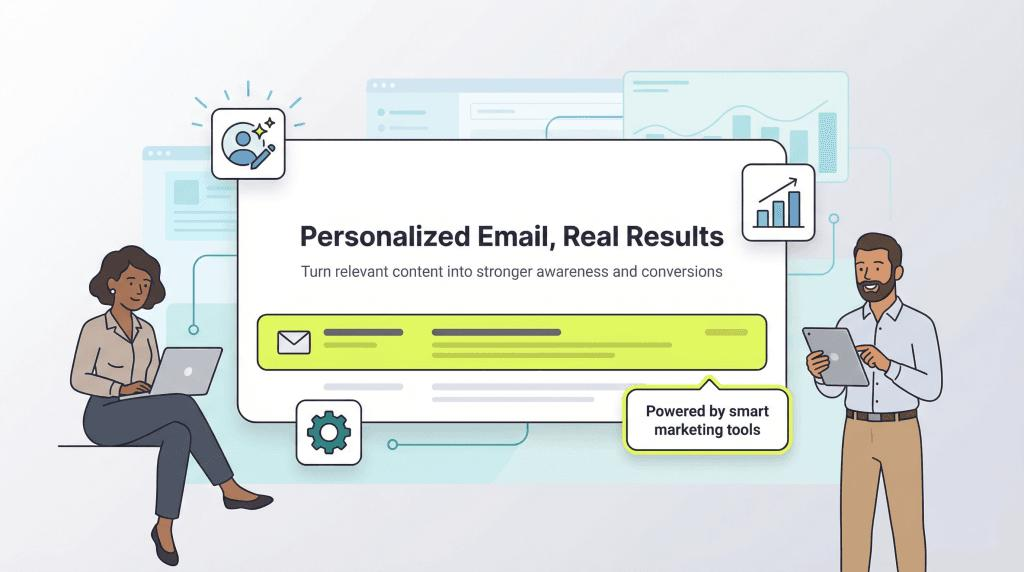
People no longer want to receive generic advertisements. They expect businesses to understand their interests, preferences, and needs. Personalization has become one of the strongest ways to build customer relationships.
Instead of sending the same message to everyone, successful brands create experiences that feel personal. Email campaigns, product recommendations, website content, and advertisements are increasingly tailored to individual users.
Imagine walking into your favorite local coffee shop where the owner remembers your favorite drink. That small gesture makes you feel valued. Personalized marketing creates the same feeling in the digital world.
Businesses that focus on personalization often see higher engagement, stronger customer loyalty, and better conversion rates.
Artificial Intelligence Is Becoming a Daily Marketing Partner
Artificial Intelligence is no longer something that belongs only to large technology companies. In 2026, businesses of every size are using AI to simplify marketing tasks.
AI can help generate content ideas, analyze customer behavior, schedule social media posts, improve advertising campaigns, and answer customer questions through chatbots.
However, the most successful marketers understand one important truth. AI works best when combined with human creativity. Technology can organize information, but people still connect with stories, emotions, and genuine experiences.
Like a gardener using modern tools while still caring for every plant by hand, marketers should use AI to support creativity instead of replacing it.
Short-Form Videos Continue to Capture Attention
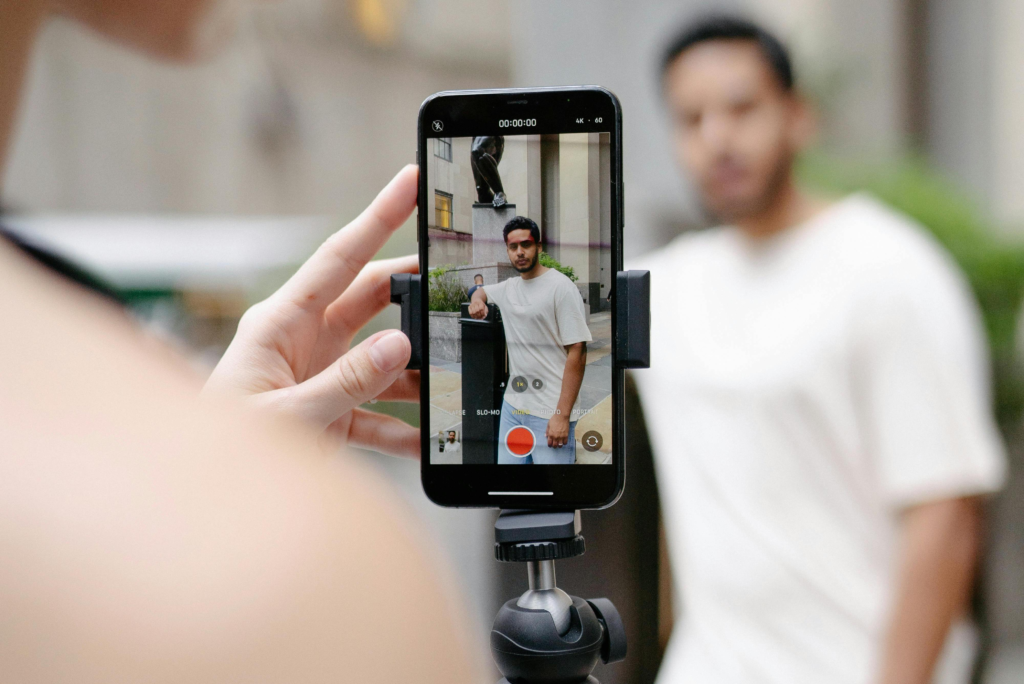
People consume information faster than ever before. Short videos remain one of the most effective ways to capture attention across social media platforms.
Educational tips, behind-the-scenes moments, product demonstrations, customer stories, and quick tutorials often perform better than long promotional videos.
The key is not creating the fanciest video but creating content that feels authentic and useful.
A simple video recorded with honesty can sometimes outperform a professionally produced advertisement because viewers appreciate real people sharing real experiences.
Voice Search Continues to Influence SEO
More people are using voice assistants to search for information online.
Instead of typing a few keywords, users now ask complete questions like they would during a normal conversation.
This change means marketers should create content that answers natural questions clearly and directly.
Writing in a conversational tone not only improves voice search optimization but also makes articles easier for readers to understand.
Think of your content as a helpful conversation rather than a formal lecture.
Trust Is Becoming More Valuable Than Promotion
Consumers have become more careful about where they spend their money. Before making a purchase, they often read reviews, compare products, and research companies.
This means trust has become one of the strongest marketing assets.
Businesses that share honest information, customer experiences, transparent pricing, and educational content are building stronger relationships than those relying only on aggressive advertisements.
Trust grows slowly, much like an old oak tree. It requires consistency, patience, and genuine care, but once established, it provides lasting strength.
User-Generated Content Builds Authentic Connections
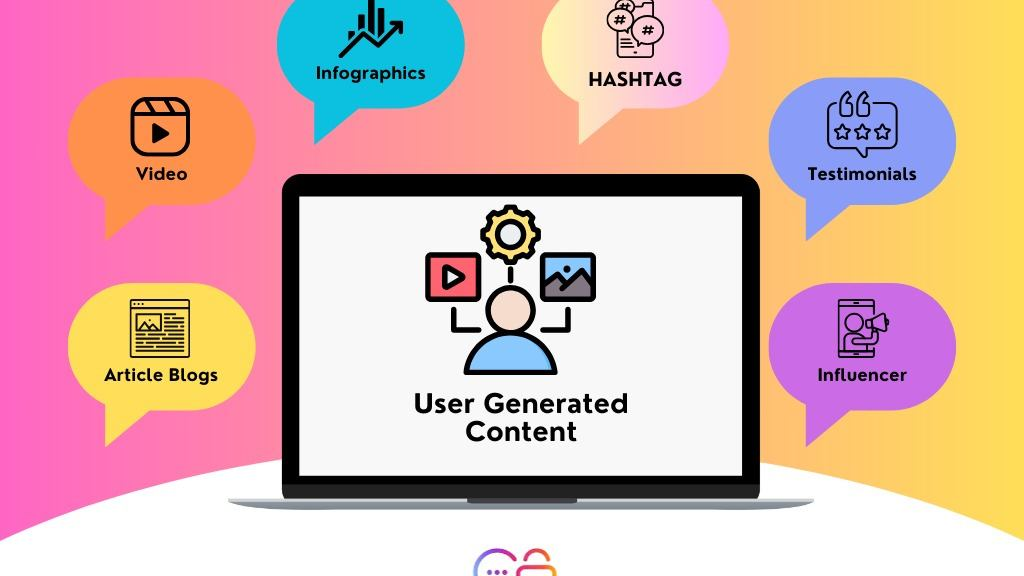
Customers enjoy seeing real people using products instead of polished advertisements.
Photos, videos, testimonials, reviews, and social media posts created by customers often influence buying decisions more than traditional marketing campaigns.
People naturally trust recommendations from others who have already experienced a product.
Encouraging customers to share their experiences creates a community instead of simply building an audience.
That sense of belonging often leads to stronger customer loyalty.
Content Quality Matters More Than Quantity
Publishing dozens of articles every month does not guarantee success anymore.
Search engines and readers both value high-quality content that answers questions completely.
A thoughtful article filled with practical advice, real examples, and useful information will often outperform multiple short articles created only to target keywords.
Think of content like planting a tree instead of scattering seeds everywhere.
One healthy tree provides shade, beauty, and fruit for many years.
Quality content continues attracting visitors long after it has been published.
Privacy and First-Party Data Are Reshaping Marketing
Consumers are becoming more aware of how companies collect and use personal information.
As privacy regulations continue evolving, businesses are relying more on first-party data collected directly from their own customers.
Email subscriptions, customer surveys, loyalty programs, and website interactions provide valuable insights while respecting user privacy.
Businesses that handle customer information responsibly build stronger long-term relationships.
Respect creates confidence, and confidence encourages loyalty.
Community Marketing Is Growing Stronger
Successful businesses are no longer focused only on increasing followers.
Instead, they are building communities where customers can interact, ask questions, and share experiences.
Online groups, live discussions, newsletters, webinars, and exclusive member communities create stronger emotional connections than traditional advertising alone.
People naturally enjoy being part of something larger than themselves.
Like birds gathering in a peaceful forest or flowers blooming together in a meadow, communities become stronger through shared experiences.
Data-Driven Decisions Lead to Better Results
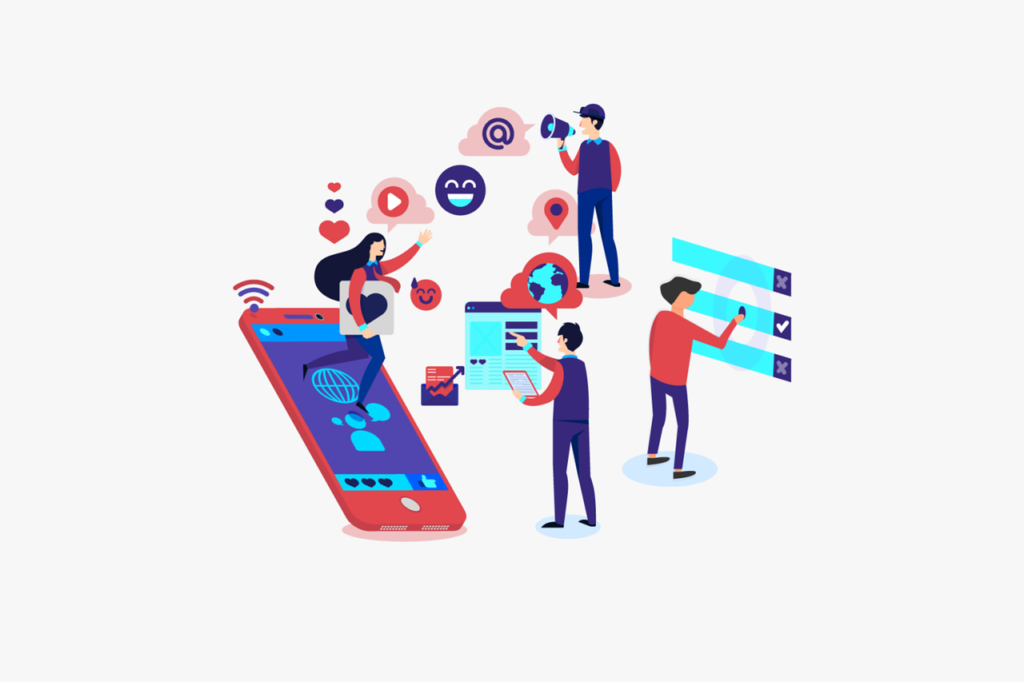
Modern marketing generates enormous amounts of information.
Website traffic, customer behavior, advertising performance, social media engagement, and email campaigns all provide valuable insights.
Instead of relying only on assumptions, marketers are increasingly making decisions based on real data.
Understanding which strategies work allows businesses to invest their time and budget more effectively.
At the same time, numbers should never replace human understanding.
Data explains what happened.
People explain why it happened.
Combining both creates smarter marketing decisions.
Sustainability Is Influencing Consumer Choices
Many consumers now prefer businesses that demonstrate environmental responsibility.
Eco-friendly packaging, ethical sourcing, reduced waste, and transparent business practices are becoming important purchasing factors.
Businesses do not need to claim perfection.
Instead, customers appreciate honest efforts toward creating positive environmental change.
Like protecting a quiet river or planting a young tree, even small actions contribute to a healthier future.
Authenticity matters far more than making unrealistic promises.
Human Creativity Remains the Greatest Marketing Advantage
Despite rapid technological advances, one truth remains unchanged.
People connect with people.
The most memorable campaigns still come from understanding human emotions, solving real problems, and telling meaningful stories.
Technology will continue evolving.
Algorithms will continue changing.
Platforms will continue introducing new features.
But kindness, honesty, empathy, curiosity, and creativity remain timeless.
Successful marketers in 2026 are those who balance innovation with genuine human connection.
FAQ’s
1. What is the biggest marketing trend in 2026?
AI-powered personalization and customer-focused marketing.
2. Why is video marketing important in 2026?
Short videos increase engagement and reach more people.
3. How does AI help marketers?
It automates tasks, analyzes data, and improves campaigns.
4. Why is first-party data important?
It helps businesses understand customers while protecting privacy.
5. How can businesses stay ahead of marketing trends?
Keep learning, create quality content, and adapt to customer needs.