Digital marketing in 2026 is no longer about shouting louder than your competitors or spamming every available channel. It has evolved into a precise discipline of data architecture, human psychology, algorithmic alignment, and brand authenticity.
The modern consumer is hyper-aware, privacy-conscious, and adept at filtering out commercial noise. To build sustainable brand equity and predictable customer acquisition funnels, businesses must move away from generic, surface-level tactics and master the core mechanics of digital growth.
Search Engine Optimization: Algorithmic Architecture & Information Gain

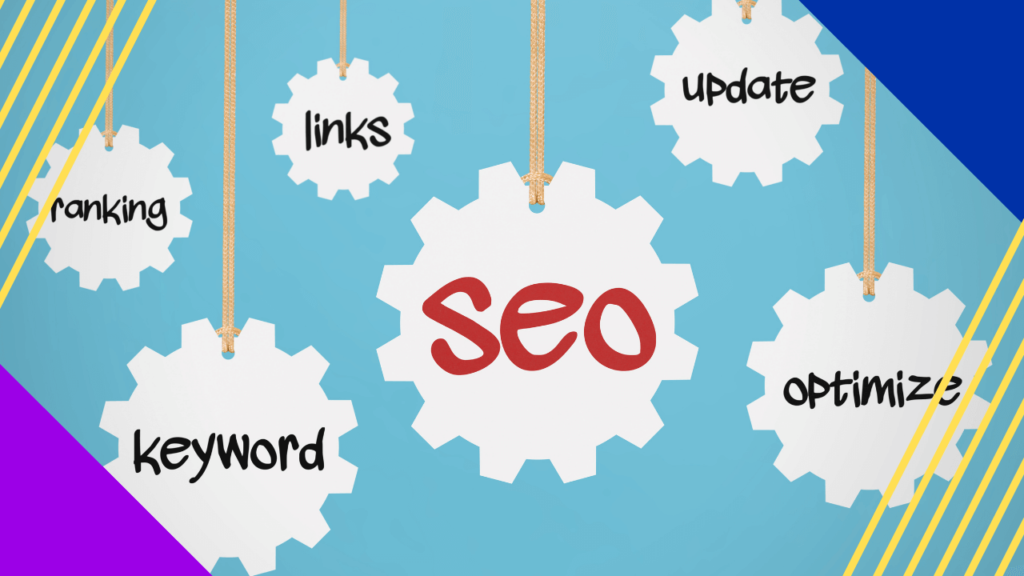
SEO is no longer a game of keyword density or artificial link buying. Search algorithms prioritize structural integrity, user satisfaction signals, and Information Gain—the measure of unique, novel value a piece of content provides beyond what already exists on the web.
The most successful digital marketers remain curious, adapt to changing trends, focus on solving customer problems, and continue learning throughout their careers. By combining creativity with data-driven strategies and maintaining a customer-first mindset, businesses can build a strong online presence that continues to grow well into the future.
The Pillar-Cluster Model
To dominate modern search engines, websites must organize content around authoritative Topic Clusters rather than isolated keywords:
Content Marketing & The Information-Gain Strategy
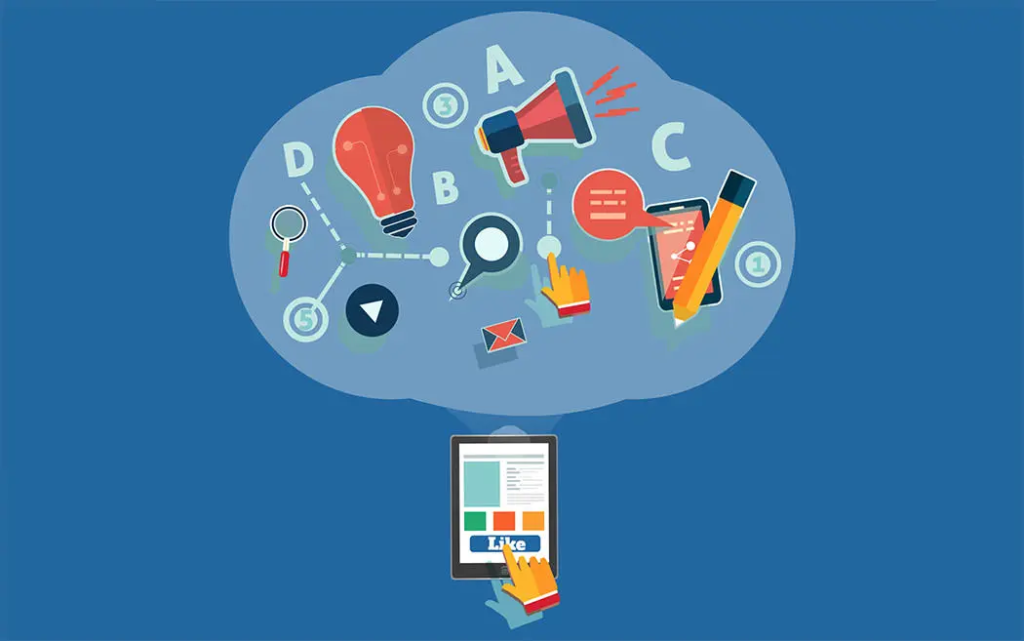
Content creation without strategic differentiation is a waste of capital. In an era where AI can generate infinite surface-level prose, high-performing brands focus on Original Insights, Data, and Technical Depth.
The 4-Part Content Execution Checklist
- Primary Data Integration: Include proprietary surveys, internal platform metrics, or custom experiment results.
- Actionable Schematics: Use visual architecture diagrams, clear tables, and concrete step-by-step frameworks.
- Negative Constraint Callouts: Clearly define who the advice is not for to build immediate credibility with the ideal audience.
- Immediate Value Delivery: Eliminate unnecessary introductory filler; address the core user problem in the first 100 words.
Paid Media & Performance Marketing Physics
Paid acquisition (PPC & VMM) functions as a machine that trades capital for rapid data collection and immediate top-of-funnel velocity. However, scaling ad spend without controlling Customer Acquisition Cost (CAC) relative to Customer Lifetime Value (LTV) leads to unsustainable unit economics.
Digital marketing in 2026 is about much more than simply promoting products online. It involves understanding your audience, creating valuable content, optimizing websites for search engines, building strong relationships through social media and email, using data to improve decisions, and embracing new technologies responsibly.
If your CAC exceeds 33% of your LTV, your paid marketing engine is consuming margin rather than building enterprise value. Ad creative, landing page velocity, and offer structuring must be constantly optimized to preserve this ratio.
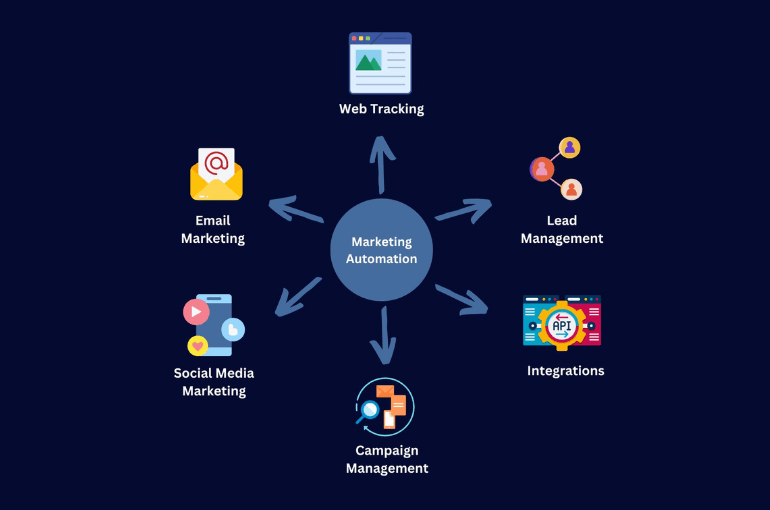
Email Architecture, Lifecycle Marketing, and Automation
Social platforms rent attention; email lists own it. A sophisticated email architecture relies on behavioral triggers and segmentations rather than blast newsletters.
Whether you are launching a new business or expanding an established brand, digital marketing offers countless opportunities to reach customers and achieve sustainable growth.
Conversational AI, Analytics, and Data Infrastructure
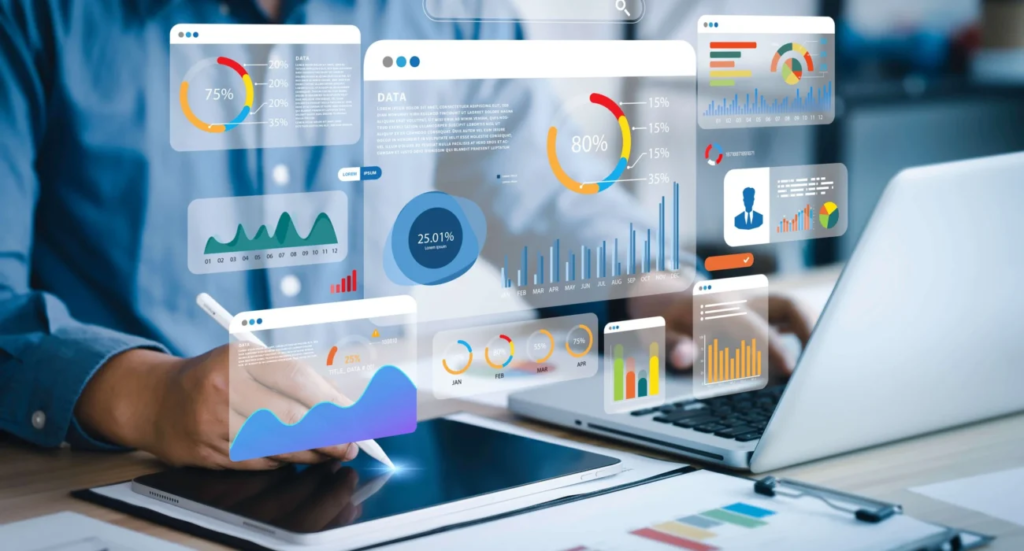
Modern marketing runs on reliable attribution data. With cookie deprecation and privacy regulations, brands must build robust First-Party Data Engines to track performance accurately.
[ User Interaction ] ──► Server-Side Tracking (API) ──► Data Warehouse / CDP
                                                               │
                                                               ▼
[ Automated Attribution Dashboard ] ◄── Artificial Intelligence Analytics Engine
The AI Integration Balance
- Where AI Excels: Large-scale data analysis, multivariate creative testing, real-time chat support, audience segmentation, and routine code generation for tracking pixels.
- Where Humans Must Lead: Strategic positioning, deep empathy, creative direction, brand voice governance, and nuanced offer creation.
Modern Marketing Tech Stack & Key Performance Indicators
To execute high-yield digital campaigns, growth teams rely on an integrated software ecosystem measured by clean metrics:
To build an adaptable, revenue-generating digital marketing engine, follow this step-by-step implementation plan:

- Audit Your Technical Foundation: Fix site performance issues, implement Core Web Vitals optimizations, and establish server-side tracking via a Customer Data Platform (CDP).
- Develop an Information-Gain Content Strategy: Map out your primary topic pillars and create content that incorporates original research, proprietary data, and technical visual assets.
- Build High-Converting Conversion Paths: Redesign key landing pages around clear value propositions, transparent social proof, and streamlined user experiences.
- Deploy Behavioral Lifecycle Automations: Set up dynamic email flows triggered by user actions to capture and nurture leads automatically.
- Scale Paid Media with Unit Economic Discipline: Test ad channels systematically, maintaining strict CAC-to-LTV thresholds to ensure long-term profitability.
FAQ’S
1. What is digital marketing?
Digital marketing is the process of promoting products or services through online channels like search engines, social media, email, and websites.
2. Why is digital marketing important for businesses?
It helps businesses reach more customers, increase brand awareness, generate leads, and improve sales cost-effectively.
3. What are the main types of digital marketing?
SEO, content marketing, social media marketing, email marketing, PPC advertising, and affiliate marketing are the most common types.
4. Is digital marketing suitable for small businesses?
Yes, digital marketing is affordable and helps small businesses compete by reaching their target audience online.
5. What skills are needed to learn digital marketing?
Basic knowledge of SEO, content creation, social media, analytics, email marketing, and online advertising are essential digital marketing skills.