
Artificial intelligence, automation, and digital innovation are changing the way businesses operate, work gets done, and people interact with technology. From smart software and automated workflows to intelligent data analysis and digital customer experiences, these technologies are becoming an important part of modern life and business growth.
For many organizations, adopting AI and automation is no longer only about staying ahead of competitors. It is also about improving efficiency, reducing repetitive work, making better decisions, and creating better experiences for customers and employees.
Understanding these technologies can help businesses identify new opportunities and prepare for the future of digital transformation.
What Is Artificial Intelligence?
Artificial intelligence refers to technology that enables computer systems to perform tasks that typically require human intelligence. These tasks may include understanding language, recognizing patterns, analyzing information, generating content, and making predictions.
AI can be used in many industries and everyday applications. Businesses use AI for customer service, marketing, cybersecurity, data analysis, product recommendations, and many other purposes.
The main benefit of AI is its ability to process large amounts of information and identify patterns quickly. When used responsibly, AI can support people and help organizations make more informed decisions.
What Is Automation?
Automation involves using technology to perform tasks with limited manual involvement. Simple automation may follow predefined rules, while intelligent automation can use AI to handle more complex processes.
Examples of automation include:
- Sending scheduled emails
- Organizing customer data
- Generating reports
- Processing routine requests
- Managing workflows
- Updating databases
- Scheduling appointments
- Automating repetitive administrative tasks
Automation helps reduce time-consuming manual work. This allows employees to focus more on tasks that require creativity, problem-solving, communication, and strategic thinking.
The Difference Between AI and Automation
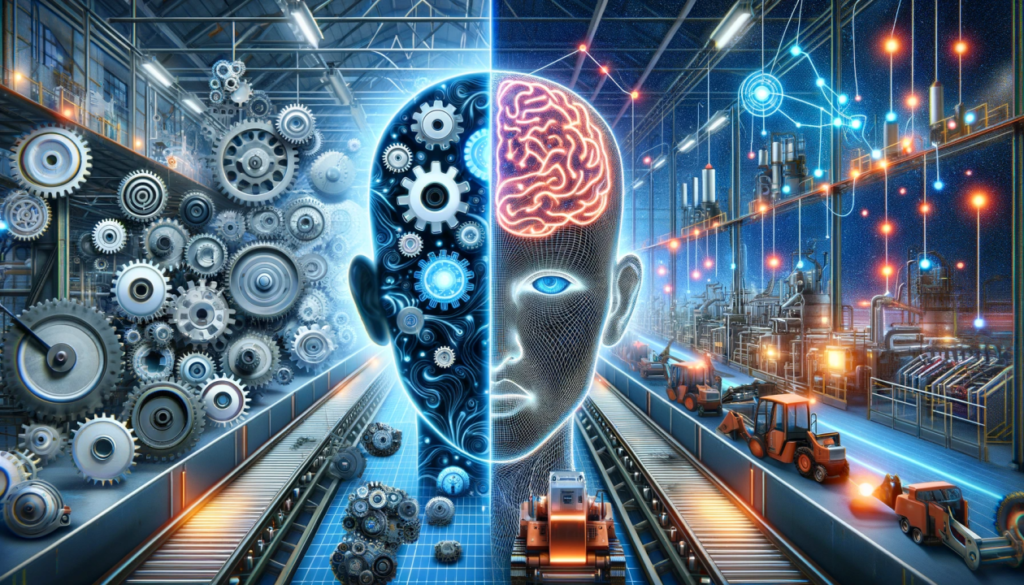
AI and automation are related, but they are not exactly the same.
Traditional automation usually follows specific rules. For example, a system may automatically send an email when a customer completes a form.
AI can analyze information, recognize patterns, and produce more flexible responses. For example, an AI-powered customer service system may understand a customer’s question and provide a relevant answer.
When combined, AI and automation can create powerful digital workflows that improve efficiency and reduce repetitive work.
How AI and Automation Support Business Growth
Businesses of all sizes can benefit from AI and automation. These technologies can improve productivity, support customer service, and help teams manage information more effectively.
Improve Productivity
Automation can reduce the amount of time employees spend on repetitive tasks. When routine processes are handled automatically, employees can focus on more valuable responsibilities.
AI tools can also assist with research, content creation, data organization, communication, and other business activities.
Reduce Operational Costs


Automating repetitive processes can help organizations use their resources more efficiently. Businesses may be able to reduce unnecessary manual work and improve productivity.
However, successful automation requires planning. Businesses should focus on improving processes rather than simply automating inefficient workflows.
Improve Customer Experiences
AI-powered tools can help businesses provide faster and more personalized customer experiences.
Chatbots, recommendation systems, automated support tools, and personalized marketing can help customers find information and receive assistance more efficiently.
Human support remains important for complex issues, but AI can help manage routine questions and common requests.
Common Applications of AI
AI is used in many areas of modern business and technology.
Customer Service
AI-powered chatbots can answer common questions, provide information, and assist customers at any time. This can help reduce response times and allow human support teams to focus on more complex issues.
Marketing

AI can help marketers analyze customer behavior, identify trends, personalize content, and improve campaigns.
Businesses can use AI to understand which content performs well and how customers interact with different marketing channels.
Data Analysis
Modern businesses generate large amounts of data. AI can help analyze this information and identify patterns that may be difficult to discover manually.
Data analysis can support business decisions related to customers, operations, sales, and performance.
Content Creation
AI tools can assist with brainstorming, writing, editing, research, and content planning. Human creativity and review remain important, but AI can help speed up certain parts of the creative process.
Cybersecurity
AI can help identify unusual activity and potential security threats. By analyzing patterns, intelligent systems may support faster detection of suspicious behavior.
Common Applications of Automation
Automation can improve many everyday business processes.
Workflow Automation
Businesses can automate tasks that move information between different systems. For example, a new customer inquiry could automatically be recorded, assigned to a team member, and followed up with a scheduled message.
Administrative Tasks

Tasks such as data entry, appointment scheduling, invoice processing, and document organization can often be automated.
Marketing Automation
Marketing automation can help businesses schedule campaigns, organize customer information, and deliver messages based on customer actions.
Sales Automation
Sales teams can use automation to track leads, update customer records, schedule follow-ups, and manage sales pipelines.
Digital Innovation and Business Transformation
Digital innovation involves using technology to create new products, services, processes, and customer experiences.
It is not limited to adopting the newest technology. Successful digital innovation focuses on solving real problems and creating meaningful value.
A business might use digital innovation to improve online services, develop a new digital product, modernize internal systems, or create a better customer experience.
The most successful digital transformation strategies connect technology with clear business goals.
How to Start Using AI and Automation
Businesses should begin with a clear understanding of their current processes. Look for repetitive tasks that take significant time or frequently create errors.
Start with small, manageable improvements. For example, a business might automate email follow-ups, customer data organization, appointment scheduling, or routine reporting.
After implementing a solution, measure the results. Look at time savings, productivity, accuracy, customer satisfaction, and overall business impact.
Successful technology adoption is usually a gradual process rather than a single major change.
Choose the Right Tools
There are many AI and automation tools available, but not every tool is right for every business.
Before choosing a solution, consider:
- The problem you want to solve
- Ease of use
- Integration with existing systems
- Security and privacy
- Cost
- Scalability
- Support and reliability
The best tool is not always the one with the most features. It should fit your business needs and be practical for your team to use.
The Importance of Human Skills
AI and automation are powerful, but human skills remain essential. Creativity, communication, leadership, judgment, empathy, and critical thinking are difficult to replace completely.
The goal of technology should be to support people rather than remove the value of human expertise.
Businesses that combine technology with strong human skills can create more effective and adaptable teams.
Security and Responsible AI Use
As businesses adopt AI and automation, security and responsible use become increasingly important.
Organizations should understand how data is collected, stored, and processed. Sensitive information should be protected, and employees should receive appropriate guidance on using AI tools.
Businesses should also review AI-generated information carefully. AI can make mistakes, so important decisions should include human oversight and verification.
Responsible technology use helps build trust with customers, employees, and business partners.
The Future of AI, Automation and Digital Innovation
The future of technology will likely involve greater integration between AI, automation, cloud systems, data platforms, and digital tools.
Businesses will continue looking for ways to make processes more efficient and provide more personalized experiences.
As technology develops, the most successful organizations will be those that remain adaptable. Instead of focusing only on short-term trends, businesses should build a strong foundation for continuous learning and improvement.
Final Thoughts
AI, automation, and digital innovation are transforming modern business and everyday life. These technologies can improve productivity, reduce repetitive work, support better decisions, and create new opportunities for growth.
The key to successful adoption is having a clear purpose. Businesses should identify real problems, choose suitable tools, protect important data, and maintain human oversight.
AI and automation are not simply about replacing manual tasks. They are about helping people and organizations work smarter, respond faster, and create better solutions for the future. With thoughtful planning and responsible implementation, digital innovation can become a powerful part of long-term success.
FAQ’s
1. What is AI and automation?
AI enables machines to perform intelligent tasks, while automation uses technology to complete repetitive processes with minimal manual effort.
2. How can AI help businesses?
AI can improve productivity, customer service, data analysis, marketing, decision-making, and business efficiency.
3. What tasks can be automated?
Common tasks include data entry, email scheduling, reporting, customer support, appointment booking, and workflow management.
4. What is digital innovation?
Digital innovation means using modern technology to create better products, services, processes, and customer experiences.
5. Is AI replacing human workers?
AI can automate certain tasks, but human creativity, judgment, communication, leadership, and problem-solving remain essential.