
Growing an online store is a wild ride. E-commerce Marketing At first, you’re riding a wave of pure excitement—you’ve built something awesome, listed your products, launched the site, and then… crickets.
It’s the classic e-commerce reality check: having a great product is only half the battle.
In a world where everyone is a scroll away from a million other options, standing out takes more than just hoping people stumble across your shop. You need a game plan.E-commerce Marketing But here’s the good news: you don’t need a multi-million-dollar marketing budget to build a wildly successful store. You just need a smart, connected system that brings people in, earns their trust, and turns one-time buyers into absolute fans.
Here is a practical, down-to-earth playbook for actually growing your online store.
Fix Your Storefront First (Before Spending a Dime on Ads)
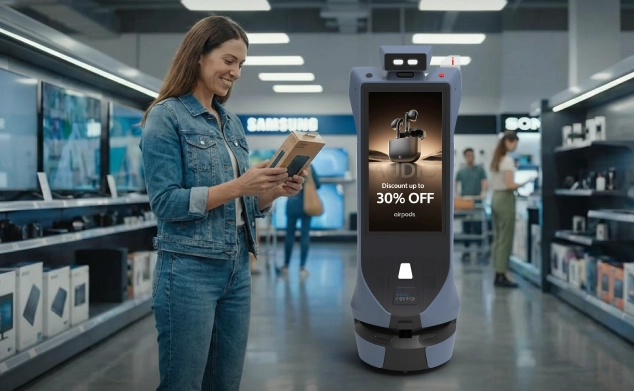
Driving traffic to a clunky website is like pouring water into a leaky bucket. Before you launch big marketing campaigns, make sure your online shop actually feels good to buy from.
- Ditch the robotic product descriptions: Don’t just list the dimensions and material. Tell people why they need it. How does it make their life easier, cooler, or better?
- Show, don’t just tell: High-resolution photos from multiple angles are a must. Even better? Short, real-life videos showing the product in action.
- Make mobile seamless: Over half your traffic will come from phones. If your mobile checkout feels clunky or takes forever to load, shoppers will tap away in three seconds flat.
- Remove the mystery: Put your shipping times, return policies, and extra costs front and center. Nobody likes surprise fees at the final checkout screen.
E-commerce Marketing Play the Long Game with Smart SEO
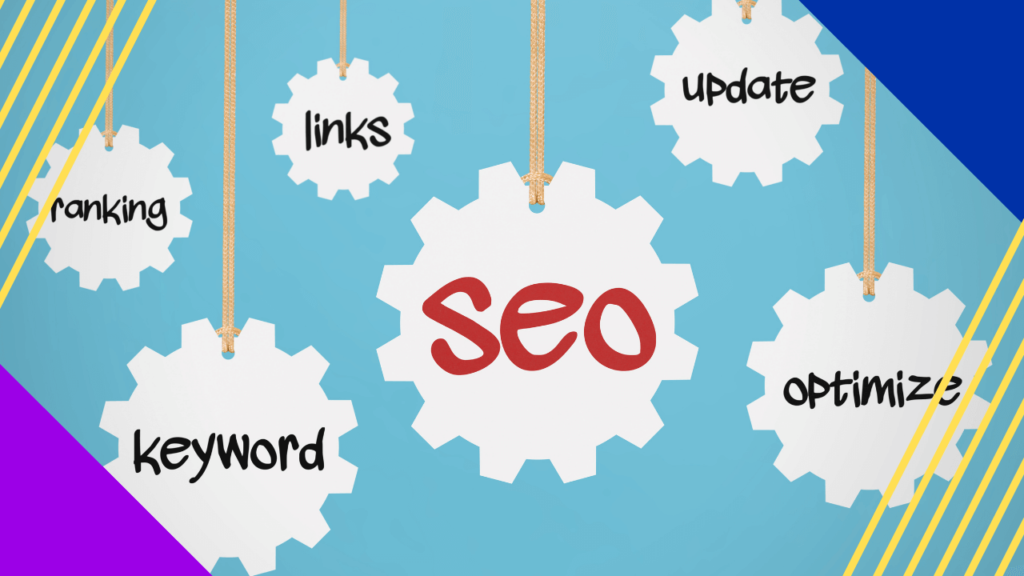
Paid ads are great, but free, steady search traffic is the holy grail. When you rank for terms your ideal customers are actively searching for, you’re catching them right at the moment they’re ready to buy.
       [ Educational Blog Post ]
                   │
                   ▼
  [ Product Comparison / Buyers Guide ]
                   │
                   ▼
       [ High-Converting Product Page ]
- Target “Intent” Keywords: Instead of just trying to rank for generic words like “leather bags,” target phrases like “best leather crossbody bag for travel” or “how to care for full-grain leather.”
- Answer Their Questions: Use your blog to write buying guides, product comparisons, and how-tos. If you sell workout gear, write about “How to choose the right resistance bands for home workouts.”
E-commerce Marketing Build an Email System That Sells While You Sleep
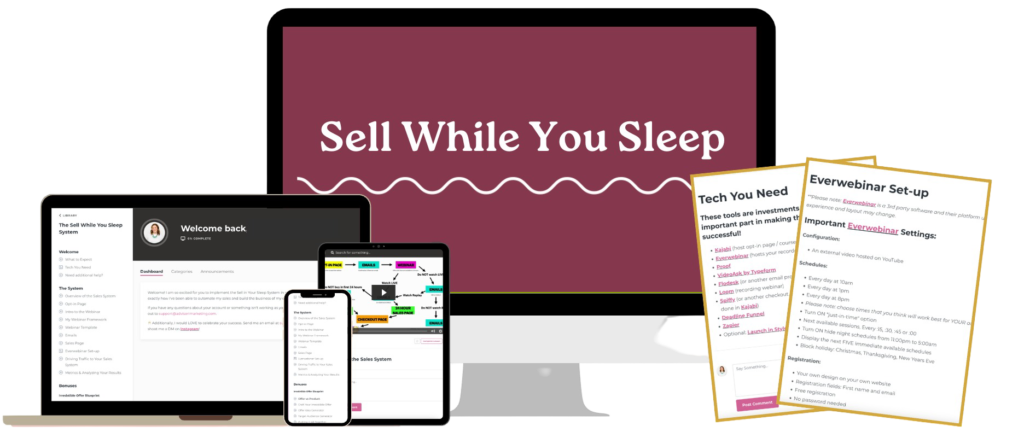
Email is far from dead—it’s actually one of the highest-ROI channels in e-commerce because you own the list. You aren’t at the mercy of a social media algorithm change.
E-commerce Marketing The Essential E-Commerce Email Trinity:
- The Welcome Series: Don’t just send a coupon code. Introduce your brand’s story, share your mission, and showcase your best-sellers.
- The Abandoned Cart Flow: Life happens, notifications pop up, and people forget to finish checking out. A gentle, friendly reminder (maybe with a quick FAQ or customer review included) recovers an incredible amount of lost revenue.
- The Post-Purchase Check-in: A few days after their order arrives, ask how they like it, offer care tips, and gently suggest complementary items.
E-commerce Marketing Use Social Media to Show Up Like a Real Person

People buy from brands they feel connected to. Instead of treating Instagram or TikTok like a digital billboard, treat it like a conversation.
- Show the Behind-the-Scenes: People love seeing how things get packed, how products are designed, or even the funny bloopers behind running a small business.
- Lean Into User-Generated Content (UGC): Repost your actual customers using your products. Real photos from real people build ten times more trust than a polished studio shot.
- Short-Form Video is King: Quick demos, problem-solving clips, and unboxing videos naturally perform better on almost every platform today.
E-commerce Marketing Master Customer Retention (The Secret Sauce)

Chasing new customers is expensive. Selling to people who already bought from you—and loved what they got—is where real profitability lives.
| Action | Why It Works |
|---|---|
| Personalized Thank-You Notes | Adds a human touch that big corporate stores can’t match. |
| VIP Loyalty Perks | Gives repeat buyers exclusive early access to new drops or small discounts. |
| Hassle-Free Returns | Eliminates the fear of buying again, turning a return into a loyal customer relationship |
Conclusion
The best e-commerce marketing strategies are the ones that help you attract the right audience, earn trust, and turn interest into sales. There is no single tactic that does everything. Real growth comes from combining SEO, email marketing, social media, paid ads, content, and strong website optimization into one clear strategy.
If you want your online store to grow, start with the basics. Make your website easy to use. Create useful content. Build an email list. Show up on social media. Use ads carefully. Pay attention to your data. And most importantly, think about the full customer experience, not just the first sale.
E-commerce success is not about chasing every trend. It is about building a marketing system that feels consistent, helpful, and scalable. When you do that, your store has a much better chance of growing steadily and standing out in a crowded market.
FAQs
1.What is the most effective e-commerce marketing strategy?
The most effective strategy usually combines SEO, email marketing, social media, and conversion-focused product pages. A mix of channels tends to work better than relying on just one.
2.How do I increase sales in my online store?
You can increase sales by improving your product pages, using SEO, retargeting visitors, sending email campaigns, and making the checkout process easier.
3.Is SEO important for e-commerce?
Yes, SEO is very important because it helps shoppers find your products through search engines without paying for every click.
4.How can social media help my online store?
Social media helps build awareness, trust, and engagement. It also gives you a place to show your products in real-life use and connect with potential buyers.
5.What should I track in e-commerce marketing?
Track traffic sources, conversion rate, average order value, cart abandonment, repeat purchases, and the performance of each marketing channel.