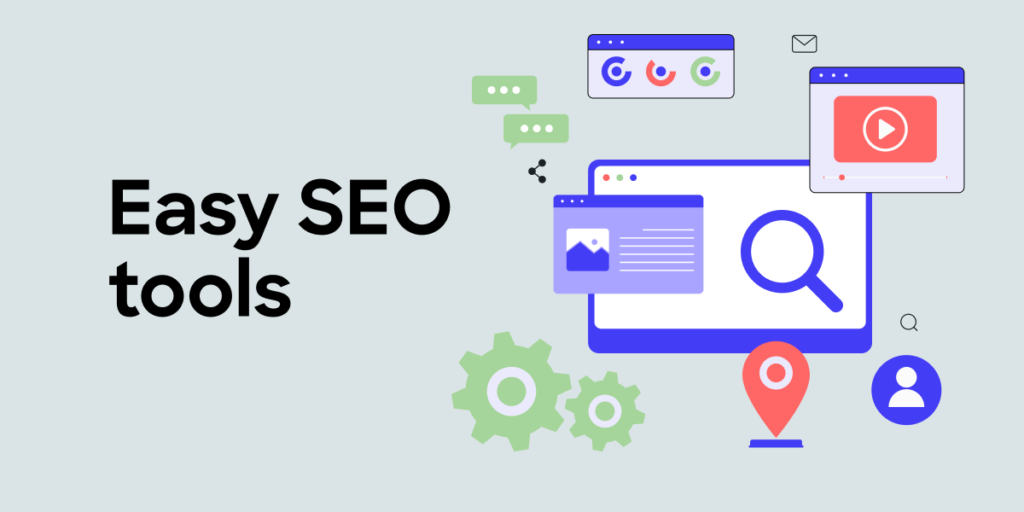
If you’ve spent any time looking at search traffic over the last year, you know Best SEO tools the game has completely changed. Between Google’s AI Overviews taking up prime real estate, conversational search engines like ChatGPT and Perplexity becoming daily habits, and traditional organic blue links getting squeezed, SEO isn’t what it was even two years ago.
Yet, organic search remains one of the highest-ROI channels on the internet. The difference today? Best SEO tools Trying to manage SEO without software is like navigating a busy city with a paper map from 1998.
Whether you’re launching your very first niche site or running search strategy for an agency, here is the honest, fluff-free breakdown of the best SEO tools available in 2026, divided by what you actually need and where you are in your journey.
What’s Shifted in 2026? (The GEO & AI Reality)
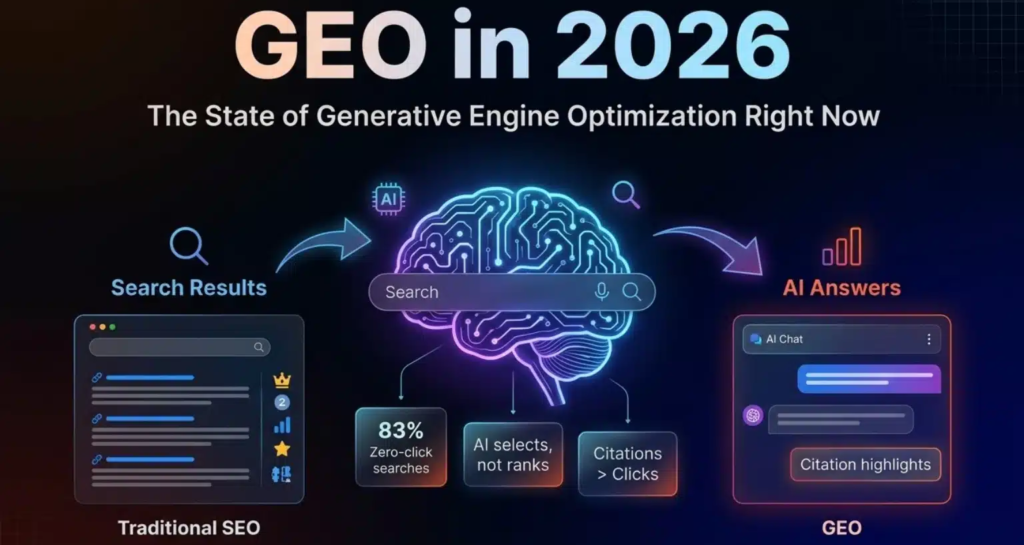
Before diving into specific platforms, we have to talk about how tool requirements have evolved.Best SEO tools Modern SEO isn’t just about Search Engine Optimization (SEO) anymore; it’s equally about Generative Engine Optimization (GEO) and Answer Engine Optimization (AEO).
Google now treats GEO and AEO as core components of organic search strategy. Best SEO tools When an AI answer appears at the top of a query, click-through rates on standard links drop significantly. That means the tools you choose need to do two things well:
- Classic Search: Help you rank in traditional Google, Bing, and local search results.
- AI Search Visibility: Track where and how your brand appears inside ChatGPT, Gemini, Perplexity, and AI Overviews.
Quick Comparison: The 2026 SEO Software Stack Best SEO tools
| Tool | Category | Best For | Skill Level | Standout Feature |
|---|---|---|---|---|
| Google Search Console | First-Party Analytics | Traffic & indexing source of truth | Beginner to Pro | 100% real performance data directly from Google. |
| Semrush | All-in-One Suite | Full marketing stack & AI tracking | Intermediate to Pro | Comprehensive database (26B+ keywords) + AI visibility monitoring. |
| Ahrefs | Backlink & Competitor Research | Link intelligence & raw search data | Intermediate to Pro | Unmatched backlink index freshness and clean UX. |
| SE Ranking | Mid-Tier All-in-One | Budget-friendly multi-site management | Beginner to Intermediate | Great value, white-label reporting, and connected AI visibility. |
| Ubersuggest | Entry-Level Research | Casual bloggers & micro-businesses | Beginner | Simple keyword ideas without technical complexity. |
| Screaming Frog | Technical Crawler | Deep technical audits & site health | Intermediate to Pro | Industrial-strength desktop site crawling. |
| Surfer SEO / Frase | Content Optimization | On-page structure & semantic depth | Beginner to Pro | Real-time NLP scoring and intent-matched briefs. |
Best SEO Tools for Beginners
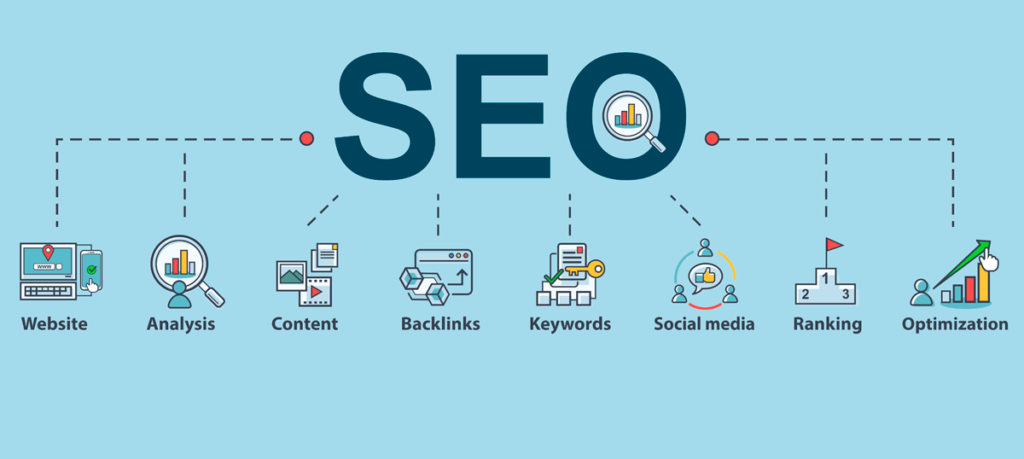
If you’re just starting out, don’t drop $150/month on software immediately. Best SEO tools Learn the basics using free or affordable tools first.
1. Google Search Console (GSC)
- Price: Free
- Why it’s essential: It’s the only place you get pure, first-party data directly from Google. You can see the exact queries bringing people to your site, monitor indexing status, and fix manual penalties.
- Best beginner move: Use the “Performance” tab to find keywords where you rank on page two (positions 11–20) and update those pages to push them onto page one.
2. Google Autocomplete + Keyword Planner
- Price: Free
- Why it’s essential: Before spending money on software difficulty scores, open an incognito browser tab and type your seed topic into Google. The suggestions that pop up reflect real, high-volume user searches in real time.
3. Ubersuggest or SE Ranking (Starter Tier)
- Price: Freemium / $49/mo
- Why it’s essential: Full-blown enterprise suites can feel like staring at an airplane cockpit.Best SEO tools Tools like Ubersuggest or SE Ranking streamline keyword research, domain tracking, and basic site audits into readable dashboards that tell you what to fix without technical jargon.
Best SEO Tools for Experts & Agencies
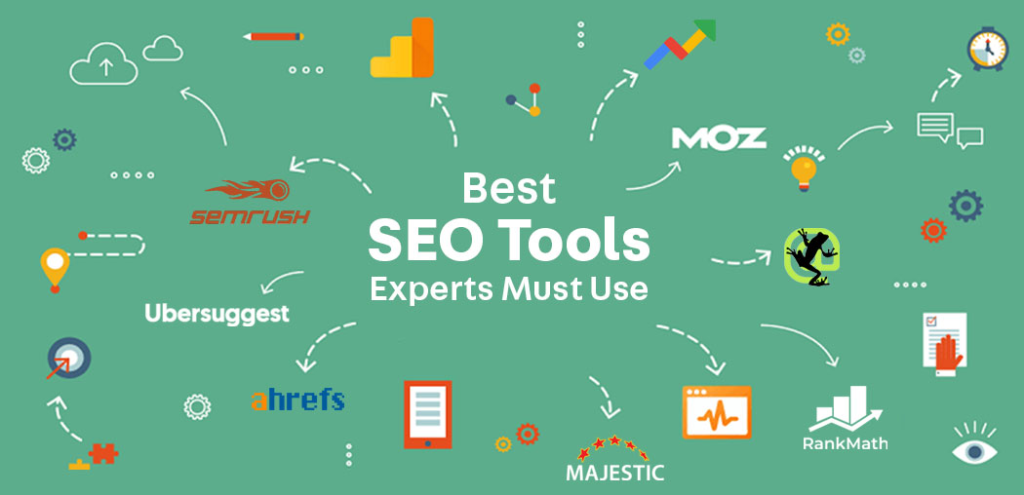
Best SEO tools When you’re managing multiple client domains or competing in tough industries, you need massive databases, speed, and deep competitive intelligence.
1. Semrush
- Best for: The complete digital marketing engine.
- Why pros use it: Semrush handles keyword research, daily position tracking, competitor PPC analysis, and site auditing in one place. Their expanded AI visibility suites let you measure brand sentiment and mentions inside LLM-generated answers alongside standard rankings.
2. Ahrefs
- Best for: Link analysis and raw site exploration.
- Why pros use it: Ahrefs remains the gold standard for backlink database accuracy and competitor site breakdown. If you want to see exactly which pages earned a competitor their authority, Ahrefs Site Explorer is unmatched.
3. Screaming Frog SEO Spider
- Best for: Technical site audits.
- Why pros use it: This desktop crawler simulates how search engine bots crawl a site. It scans thousands of URLs in minutes to flag broken links, redirect loops, missing schema markup, canonical conflicts, and duplicate page elements.
How to Build Your Toolkit Without Overspending

Rule of thumb: Software doesn’t create traffic; executing on the insights does.
- (Setup): Install Google Search Console and Google Analytics 4. Cost: $0.
- (Content Creation): Add an on-page content optimizer like Surfer SEO or Frase to structure articles for semantic search intent.
- (Scale): As your site revenue grows, upgrade to Semrush or Ahrefs to handle competitive intelligence and outreach at scale.
Want a step-by-step framework on how to perform a 15-minute technical SEO audit using free tools?Yes
For a practical walkthrough of how modern AI SEO platforms track rankings across both Google and generative engines, check out the 7 Best AI SEO Tools 2026 Demo. This video breaks down how next-generation tools monitor visibility inside ChatGPT, Perplexity, and Google AI answers so you can adapt your workflow for 2026.
Conclusion
The best SEO tools for beginners and experts make website optimization faster, smarter, and more effective. Whether you’re researching keywords, auditing technical issues, monitoring backlinks, tracking rankings, or optimizing content, the right software provides valuable insights that help improve search visibility.
Beginners can start with reliable free tools while learning SEO fundamentals, whereas experienced marketers often benefit from comprehensive premium platforms offering advanced analytics and automation.
As artificial intelligence continues transforming digital marketing, SEO tools will become even more powerful and essential. Choosing the right platform today can help you build a stronger online presence, attract more organic traffic, and achieve sustainable growth throughout 2026 and beyond.
FAQ’S
1.What is the best SEO tool for beginners?
Beginners should look for tools that offer easy-to-understand dashboards, keyword research, basic site audits, and clear optimization recommendations. Free tools are also an excellent starting point.
2.Which SEO tool is best for professionals?
Professional marketers often prefer all-in-one SEO platforms that include keyword research, backlink analysis, technical audits, competitor tracking, content optimization, and detailed reporting.
3.Are free SEO tools effective?
Yes. Free SEO tools can provide valuable insights into website performance, keyword opportunities, indexing, and technical issues. They are ideal for bloggers, small businesses, and new website owners.
4.How often should I use SEO tools?
SEO tools should be used regularly. Weekly monitoring helps track rankings and technical issues, while monthly audits provide a broader view of website performance and optimization opportunities.
5.Can AI replace SEO tools?
No. AI enhances SEO tools by automating research and analysis, but successful SEO still requires human strategy, creativity, high-quality content, and an understanding of user intent.