
The way we stumble upon new brands has completely Marketing flipped on its head over the last few years. Sure, traditional billboards and glossy magazine spreads still exist, but let’s be real—when was the last time a corporate ad actually convinced you to buy something? Today, almost every purchasing decision starts with a quiet, organic spark: a recommendation dropped into a group chat, a casual video populating your feed, a brutally honest customer review, or a deeply insightful article that a colleague slaps onto your desk.
This cultural pivot has turned social sharing marketing into one of the most vital strategies for running a modern business. Instead of shouting into the void with costly, generic advertisements, brands are shifting their energy into crafting authentic material that people actively want to hand off to their inner circles. Every single click of that share button acts like a digital stamp of approval, exposing a brand to fresh eyes, building instant credibility, and cultivating the kind of deep trust that money simply cannot buy.
Whether it’s a breakdown that finally solves a nagging industry problem, a laugh-out-loud short video, or a raw, behind-the-scenes story of how a product came to life, shareable media travels further and faster than any sales pitch ever could. The best part? This isn’t a game reserved exclusively for Fortune 500 conglomerates with bottomless budgets. Small brick-and-mortar shops, solo creators, bootstrapping founders, and local entrepreneurs can all harness this engine to ignite real conversations and expand their footprint. Let’s pull back the curtain on how this dynamic operates and how you can get people naturally talking about your brand.
Breaking It Down: What is the Social Market Sharing Engine?

At its core, this approach is the art of giving your audience something so good, so helpful, or so entertaining that keeping it to themselves feels like a missed opportunity.
Instead of treating your target audience like a wallet to be opened, you treat them like a community to be served. You stop obsessing over the immediate hard sell and start focusing on delivering massive upfront value. When you pull this off, your reach instantly multiplies. You stop relying solely on your own small broadcasting channels and start unlocking the trusted, personal networks of your customers, employees, and fans.
1. Trust Mechanics: Why the Social Market Word Beats Paid Ads
We have developed a collective filter for corporate noise. We skip commercials, install ad-blockers, and scroll right past sponsored posts without a second thought. But when a close friend sends you a link and says, “Hey, I tried this, and it actually works,” your walls immediately come down.
That single share carries the weight of a personal endorsement. Furthermore, the algorithms governing our favorite digital spaces are explicitly tuned to reward this exact behavior. Platforms prioritize content that sparks genuine back-and-forth discussions and high save rates, giving your brand free organic velocity while driving your distribution costs down to zero.
2. Blueprinting Success: Crafting High-Value Social Market Content
People do not share content out of the kindness of their hearts or because a brand politely asked them to. They share it because it makes them look good, smart, funny, or helpful to their own peers.
To create content that moves, it must fulfill at least one of these major pillars:
- The Practical Solution: Step-by-step tutorials, frameworks, or deep-dives that instantly fix an annoying daily problem.
- The Emotional Hook: Inspiring customer breakthroughs or honest founder stories that make people feel something real.
- The Cultural Mirror: Entertaining commentary or unique industry insights that help people articulate their own thoughts to their followers.
3. The Power of Storytelling: Forging Human Connections in a Social Market

Data points give people information, but human stories give them a reason to care. Nobody retells a statistic over dinner, but they will absolutely retell a story about a human being who overcame a massive obstacle.
Keep it Raw: The era of overly polished, sterile corporate messaging is dead. The brands winning the room are the ones pulling back the curtain—showing the messy product failures, the late nights in the warehouse, the genuine customer thank-you notes, and the real people behind the logos. This vulnerability makes a business feel human and approachable, naturally inviting your audience to become part of the narrative.
4. Visual Dominance: Designing Eye-Catching Social Market Assets
In a fast-moving feed, text-heavy blocks are easily ignored. If you want to stop a thumb mid-scroll, you need to lead with a striking visual hierarchy. Infographics that simplify dense data, quick video demonstrations, and bold, clean typography are the unsung heroes of highly shareable content.
Visual Content Performance Metrics
| Medium | Best Used For | Why People Share It |
| Short-Form Video | Raw behind-the-scenes, quick tips, and product tests. | High entertainment value and easy to digest in under 60 seconds. |
| Clean Infographics | Deconstructing complex industry frameworks or data. | Makes the sharer look like a knowledgeable expert to their peers. |
| User Case Studies | Showing side-by-side visual transformations. | Serves as concrete, undeniable proof that the product works. |
5. Strategic Placement: Mapping Out Your Social Market Footprint
One of the quickest ways to burn out is trying to maintain a high-energy presence on five different platforms simultaneously. Every platform operates on its own unique wavelength and attracts a completely different crowd.
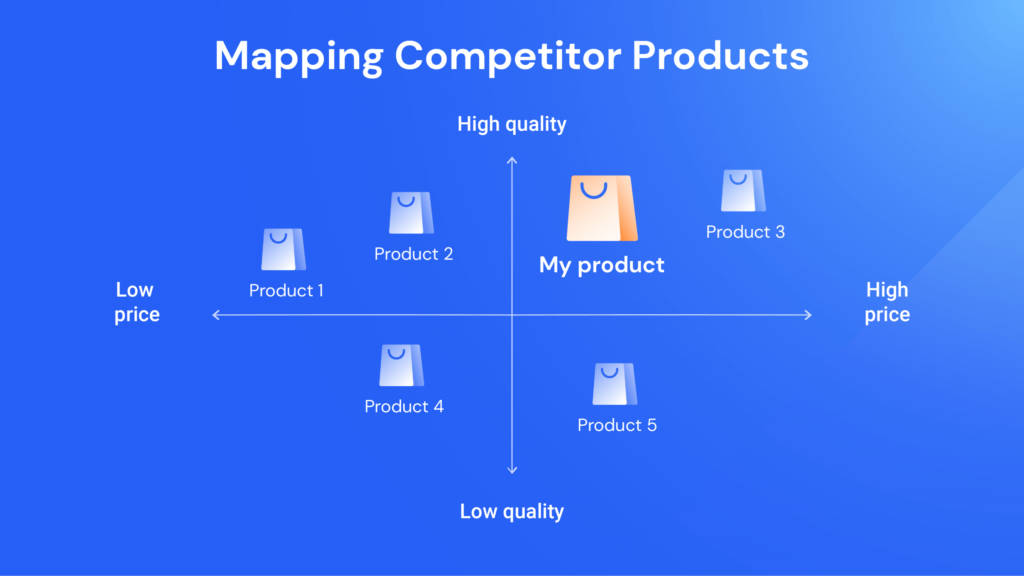
Instead of spreading your resources paper-thin, figure out exactly where your core community hangs out and plant your flag there. Master the nuance of one or two channels before you ever think about expanding. Consistency inside a single thriving hub will beat an erratic presence across five ghost towns every day of the week.
6. The Ultimate Social Proof: Leveraging User-Generated Social Market Content
The most convincing marketer on your payroll doesn’t actually work for you—it’s your existing customer base. When a real person posts an unedited video unboxing your item, or shares a detailed text thread about how your service saved their week, it builds ironclad credibility.
Encourage your community to share their experiences by celebrating their posts, highlighting their reviews on your primary feeds, and treating them like partners in your growth. Potential buyers trust the unfiltered word of strangers infinitely more than a glossy promotional campaign.
7. Collaborative Alliances: Navigating the New Social Market Influencer Landscape
Influencer marketing has undergone a major correction. Brands are stepping away from mega-celebrities with millions of disengaged followers and turning toward hyper-focused creators with small, dedicated, tight-knit communities.

These micro-creators function as trusted neighborhood experts. When they partner with a brand, they treat it like a genuine recommendation rather than a cold script read. These authentic, organic integrations consistently drive real conversations and conversions while protecting your brand’s integrity.
8. Smarter Operations: Injecting AI Tools into Social Market Workflows
The rapid evolution of artificial intelligence has gifted marketing teams a massive logistical competitive edge. The goal isn’t to let a machine write robotic posts for you; it’s to use technology to take care of the heavy administrative lift.
- Audience Auditing: Using data engines to map out exactly when your community is online and what topics they are actively searching for.
- Repurposing Speed: Instantly converting a single 45-minute podcast episode into five short video clips, a comprehensive newsletter, and three text threads.
- Predictive Optimization: Tweaking headlines and visual layouts based on historical data to maximize organic engagement before hitting publish.
By letting technology handle the boring production logistics, your team gets to spend their real cognitive energy on deep creative concepts and genuine community interactions.
9. Cultivating a Loyal Social Market Community
The true finish line of this strategy isn’t racking up an impressive follower count or generating a temporary spike in traffic. It is about building a self-sustaining, loyal community of real human beings.

Real communities are forged in the comments section and the direct messages. They are built when a brand takes the time to answer tedious technical questions, acknowledges constructive criticism with grace, cracks jokes with their audience, and actively champions the successes of their users. When people feel seen, heard, and respected by a brand, they stop being passive buyers—they become passionate, lifelong advocates who will gladly wave your flag to anyone who will listen.
FAQ’S
1. What is social sharing marketing?
Social sharing marketing is the practice of creating content that people want to share across social media platforms.
2. Why is social sharing important for businesses?
It helps increase brand awareness, drive website traffic, and build customer trust.
3. Which social media platforms are best for sharing content?
Facebook, Instagram, LinkedIn, TikTok, YouTube, and X are among the most effective platforms.
4. How can I create content that gets more shares?
Focus on providing valuable, engaging, informative, and visually appealing content that resonates with your audience.
5. Does social sharing help improve SEO?
Yes, it can increase website visibility, attract more visitors, and indirectly support SEO through greater engagement and backlinks.