Not too long ago, talking about “artificial intelligence and automation” conjured up images of sleek, metallic robots walking down factory lines or hyper-intelligent sci-fi supercomputers managing futuristic cities. It felt like a distant milestone on humanity’s timeline—something to look forward to, or maybe slightly worry about, somewhere far off in the future.
Yet, here we are. The shift didn’t happen overnight with a dramatic, world-altering announcement. Instead, AI and automation quietly slipped into our pockets, integrated into our laptop hinges, and wove themselves into the very fabric of our ordinary routines. It is the invisible scaffolding behind how we work, how we heal, how we learn, and even how we brew our morning coffee. Rather than replacing the human experience, these technologies are fundamentally reshaping how we navigate our days, freeing up our mental bandwidth from repetitive tasks so we can focus on what actually matters.
The Invisible Personal Automation Assistant: Redefining Our Morning Routines

The modern morning routine used to start with a jarring alarm clock, a quick look at a static weather app, and a groggy drive through unpredictable rush-hour gridlock. Today, automation has quietly transformed that morning friction into a synchronized, predictive flow.
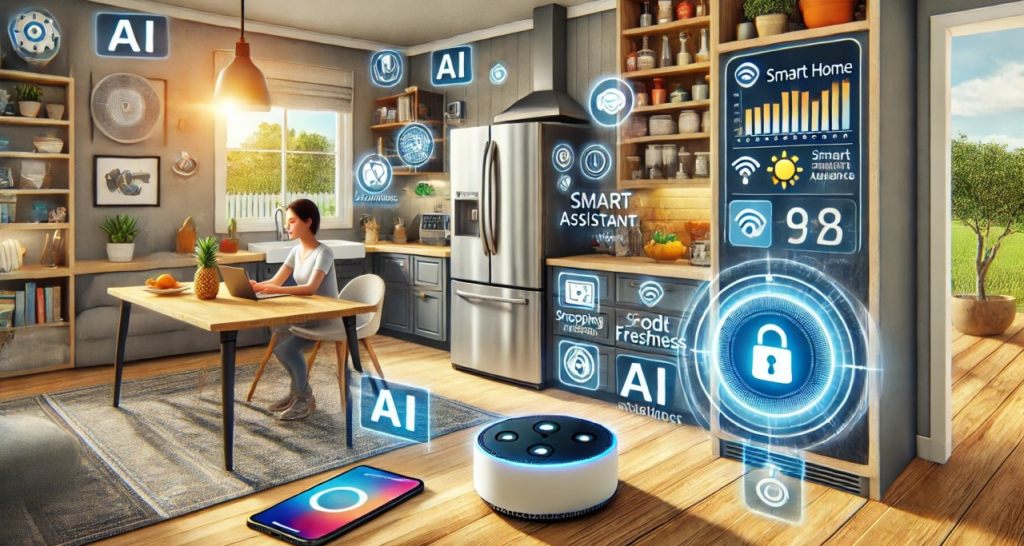
Before your feet even touch the floor, smart home ecosystems have already cross-referenced your digital calendar with local transit updates. If a sudden traffic accident occurs three miles away, your smart alarm might gently wake you up ten minutes early, nudge your smart thermostat to adjust the bedroom temperature, and signal your kitchen hub to start heating water.
When you pick up your phone, AI-driven sorting algorithms have already triaged your inbox. Instead of wading through a chaotic sea of newsletters and promotional spam, you are presented with a clean summary of what actually requires your immediate human attention, often complete with AI-generated draft responses that mimic your natural writing tone. When you finally step out the front door, navigation apps aren’t just showing you a map; they are dynamically simulating thousands of potential routes in real time using predictive data to guide you around traffic before you even encounter it. This isn’t just about saving five minutes here and there; it’s about eliminating the micro-stressors that accumulate before your workday even officially begins.
From Grunt Work to Creative Catalyst Automation: The Evolving Workplace
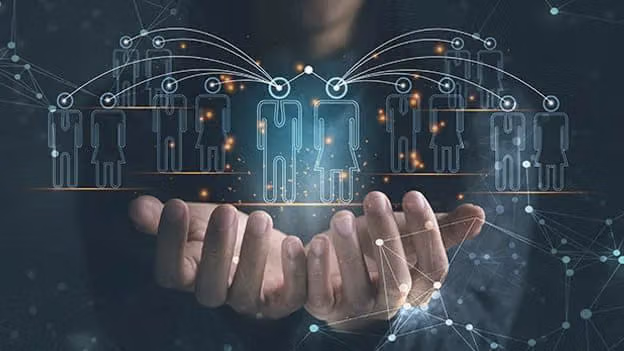
There is a lingering, entirely understandable anxiety that automation is coming to sweep away human careers. But if you look at how these tools are actually being deployed on the ground, a much more interesting narrative emerges. AI is taking over the “grunt work”—the mind-numbing, repetitive data entry, file sorting, and template building—and acting as an intellectual bicycle for the human mind.
Take a look at standard office operations. Professionals used to spend hours copy-pasting numbers between spreadsheets, formatting messy presentations, or summarizing exhausting three-hour meeting recordings. Today, localized automation tools can ingest raw data, identify hidden financial anomalies in seconds, and generate polished, comprehensive executive summaries instantly.
This shift forces a profound evolution in what we value in a worker. When basic data processing and administrative coordination become completely automated, true human skills—empathy, complex strategic problem-solving, emotional intelligence, and creative vision—become the ultimate premium. A graphic designer doesn’t spend three days manually masking out an image background anymore; they use an AI brush to do it in two seconds, allowing them to spend those three days focusing entirely on the core artistic concept and emotional impact of their campaign.
Hyper-Personalized Care: Revolutionizing Health and Wellness
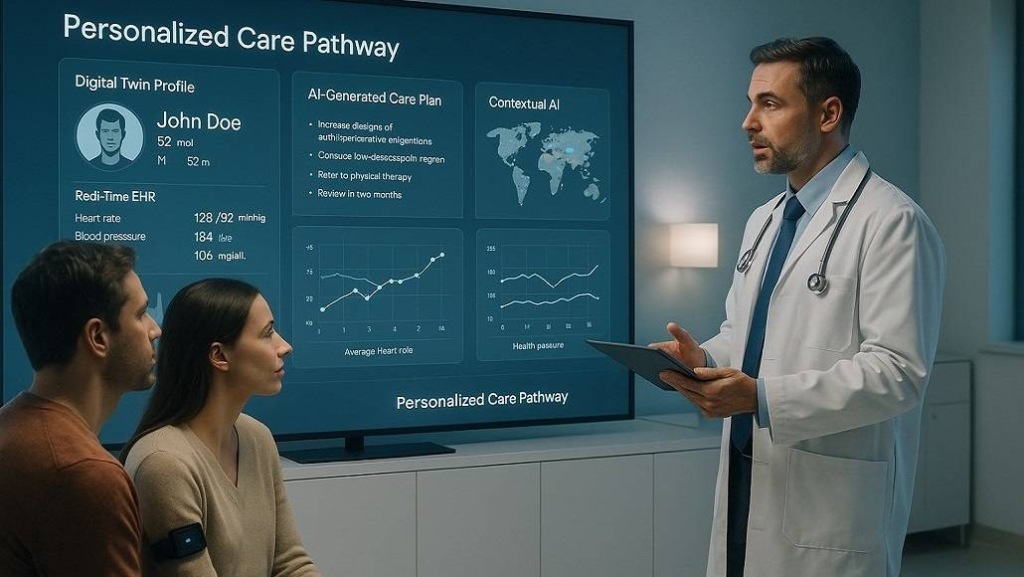
Perhaps nowhere is the intersection of technology and human life more profound than in healthcare and personal wellness. For decades, medicine has operated on a generalized model: if a medicine or treatment plan works for the average demographic statistic, it gets prescribed to everyone. AI is completely shattering that template, making hyper-personalized care an accessible reality.
On an everyday consumer level, the wearable technology wrapped around our wrists or fingers has transformed from basic step-counters into highly advanced, continuous biometric laboratories. Driven by sophisticated machine learning, these devices track subtle fluctuations in skin temperature, blood oxygen levels, and heart rate variability to map your unique baseline. They can warn you that your body is fighting off an oncoming illness days before you experience a single physical symptom, prompting you to rest and recover early.
Behind the scenes in clinical settings, AI engines are acting as an invaluable second set of eyes for medical practitioners. Diagnostic algorithms can analyze complex radiological scans, identifying microscopic patterns of cellular anomalies or early-stage tumors that are incredibly difficult for a tired human eye to spot during a long shift. By processing vast libraries of genetic data and historical case files, automation is helping researchers simulate how specific molecular compounds will interact with individual genetic profiles, drastically shortening the timeline for developing life-saving, targeted therapies.
The Democratization of Learning and Skill Building
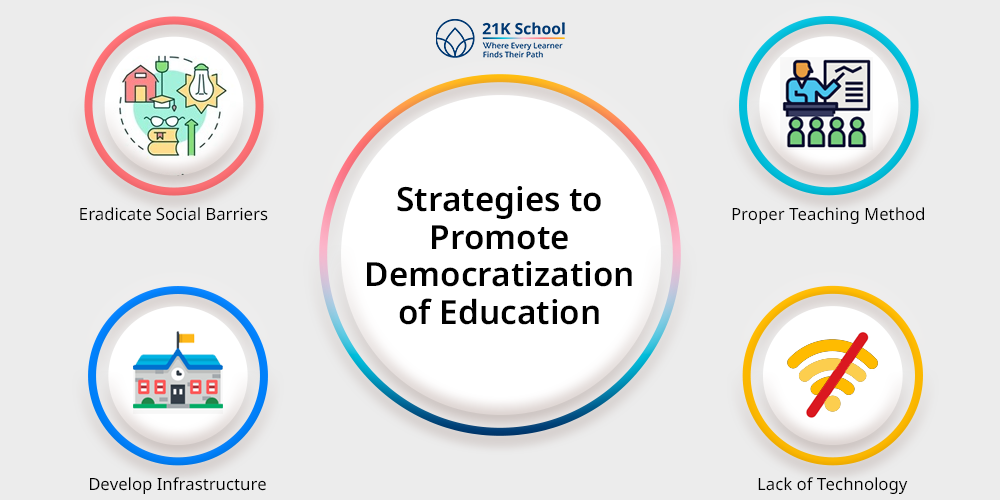
Education has traditionally struggled with the limitation of scale. One teacher in a classroom of thirty students must inherently teach to the middle, leaving accelerated students slightly underwhelmed and struggling students feeling left behind. AI-driven educational platforms are stepping in to bridge this gap, effectively providing every learner with a infinitely patient, deeply knowledgeable private tutor.
These smart platforms monitor exactly how a student interacts with a concept. If a student is trying to learn complex algebraic formulas or a new language, the system notes exactly where they hesitate, which mistakes they repeat, and what style of explanation helps them succeed. If text-based instructions aren’t working, the AI can instantly pivot, generating a visual chart or a practical, real-world analogy tailored to the student’s personal interests, whether that is sports, video games, or art.
This level of customized training isn’t just for children in school. It has completely democratized adult upskilling. Whether you want to learn how to write software code, understand macroeconomics, or master a new digital design tool, automation handles the structural curriculum building, giving you immediate feedback on your work without the need for expensive, rigid institutional programs.
Keeping It Grounded: Navigating the Critical Human Nuance
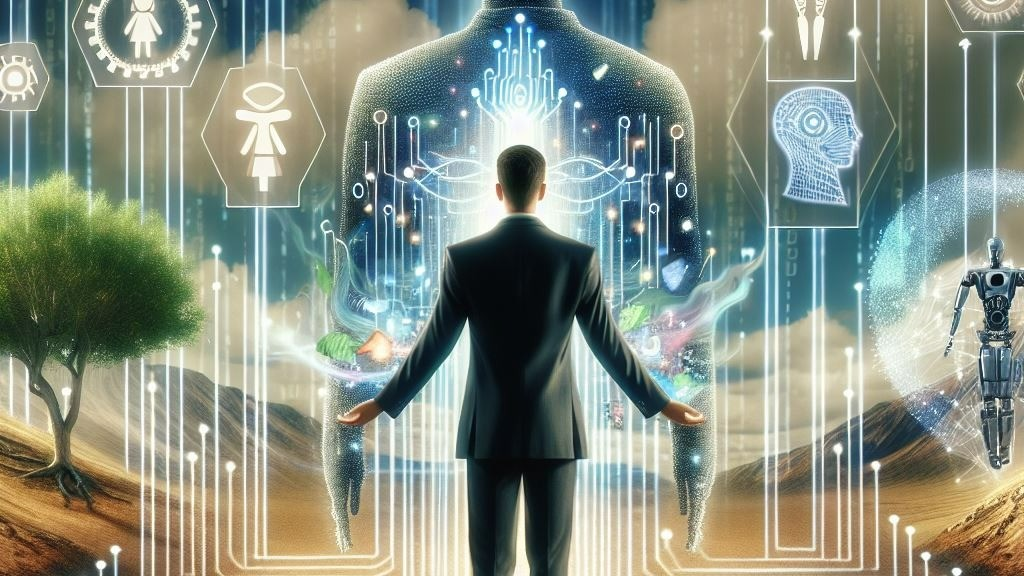
As we embrace these staggering technological leaps, it is crucial to ground our enthusiasm in clear-eyed reality. Automation is an incredibly powerful tool, but it lacks a fundamental human soul. It cannot understand cultural context, feel true empathy, or exercise moral judgment.
If we outsource our thinking entirely to automated systems, we risk creating an optimization trap—a world that is hyper-efficient on paper but cold, rigid, and entirely disconnected from human nuance. The goal should never be to automate away the interactions that make life deeply meaningful, like a thoughtful conversation with a doctor, a spontaneous brainstorming session with a colleague, or the unique, imperfect brushstrokes of a human artist. True progress lies in using automation as a supportive layer, handling the tedious logistical friction of existence so we have the space, time, and energy to live more deeply.
Frequently Asked Questions
1.Will AI and automation eliminate my job?
Instead of replacing your job, AI is far more likely to change it. While repetitive data-entry roles are seeing disruption, jobs relying on strategic thinking, creative problem-solving, and emotional intelligence are expanding. The most successful professionals will use AI as a partner to handle grunt work.
2.How do AI recommendation systems predict what I want?
They track micro-behaviors in real time. It’s not just about what you click—they analyze exactly when you pause your scrolling, how long you linger on an image, what time you browse, and compare that data with millions of users to build a precise mathematical model of your tastes.
3.Are smart home devices safe from privacy breaches?
Any connected device has minor risks, but the tech is shifting to “edge AI.” This means your voice commands, habits, and data are processed locally on the physical device itself instead of being sent up to a vulnerable cloud server, drastically improving security.
4.How does automation make everyday consumer products cheaper?
It cuts out massive supply chain waste. Predictive analytics tell manufacturers exactly how much inventory to make, preventing overproduction. Automated warehouse sorting and optimized shipping routes lower transit costs, allowing companies to pass those savings down to you.
5.Can AI truly understand or feel human emotions?
No. AI uses “sentiment analysis” to scan text, facial cues, or vocal tones for recognizable patterns and then classifies them (like flagging a frustrated email). It is strictly pattern matching based on programming—it possesses zero actual feelings or genuine empathy.